
The Burial of Saint Lucy — History & Facts
When Caravaggio arrived in Syracuse in 1608, a fugitive and a man marked by violence, he was commissioned to paint The Burial of Saint Lucy for the church of Santa Lucia al Sepolcro. The painting was completed in haste, under the watchful eyes of the city’s clergy, as Caravaggio was himself seeking sanctuary from the law. This work stands as the only known painting he created in Sicily, and legend holds that he executed it while still recovering from wounds sustained in a brawl in Naples.
The artist’s own turbulent life seems to seep into the canvas, lending the scene a raw, unsettled energy. The painting captures the moment after Saint Lucy’s martyrdom, as her body is lowered into the earth by two grave diggers, their muscular arms straining under her weight. The saint’s pale, lifeless form lies in stark contrast to the dark, anonymous figures that surround her, while a small group of mourners, including a kneeling woman believed to be her mother, grieve at the edge of the grave. A bishop, identified by his mitre, presides over the burial, his gesture both blessing and farewell.
Caravaggio’s dramatic use of light isolates Lucy’s body, casting the surrounding figures into shadow and focusing the viewer’s gaze on her sacrifice. Unlike earlier depictions of the saint, such as those by Domenichino, Caravaggio strips away narrative detail and supernatural elements, grounding the scene in immediate physical reality. The painting’s journey has been as troubled as its creator’s. Originally installed above the saint’s tomb in Syracuse, The Burial of Saint Lucy has suffered from centuries of neglect, war, and restoration attempts, which have left its surface scarred and its original colors muted.
Scholars debate whether Caravaggio had assistants complete parts of the work, given its rough execution and the artist’s declining health at the time. Today, the painting remains in Syracuse, displayed in the Church of Santa Lucia alla Badia, a testament to Caravaggio’s late style and his relentless pursuit of truth, even in the darkest moments of his career.
More Artworks by Caravaggio
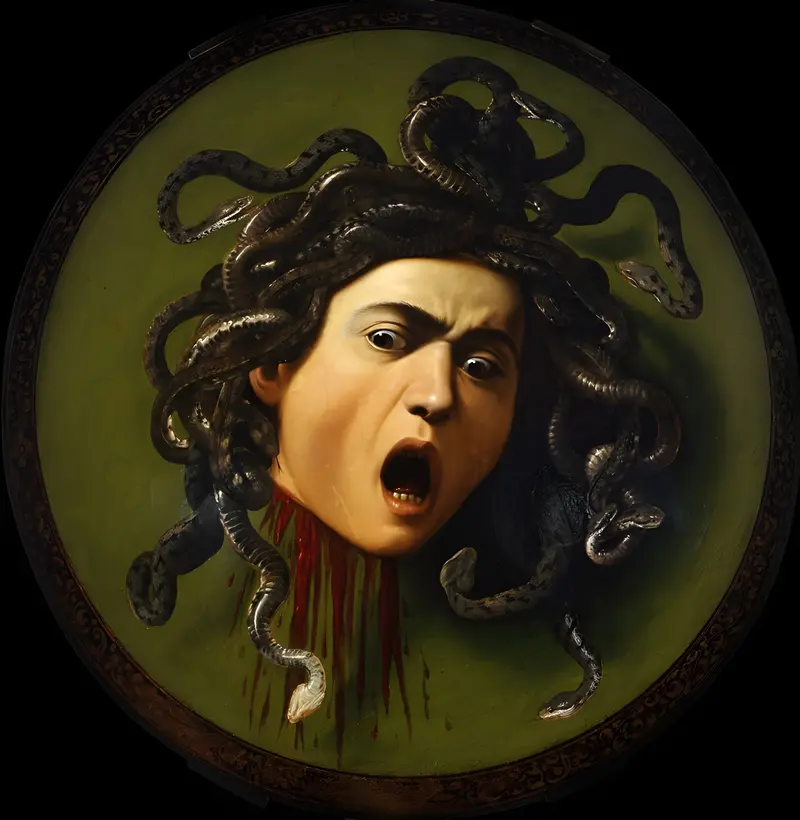
Medusa
Caravaggio
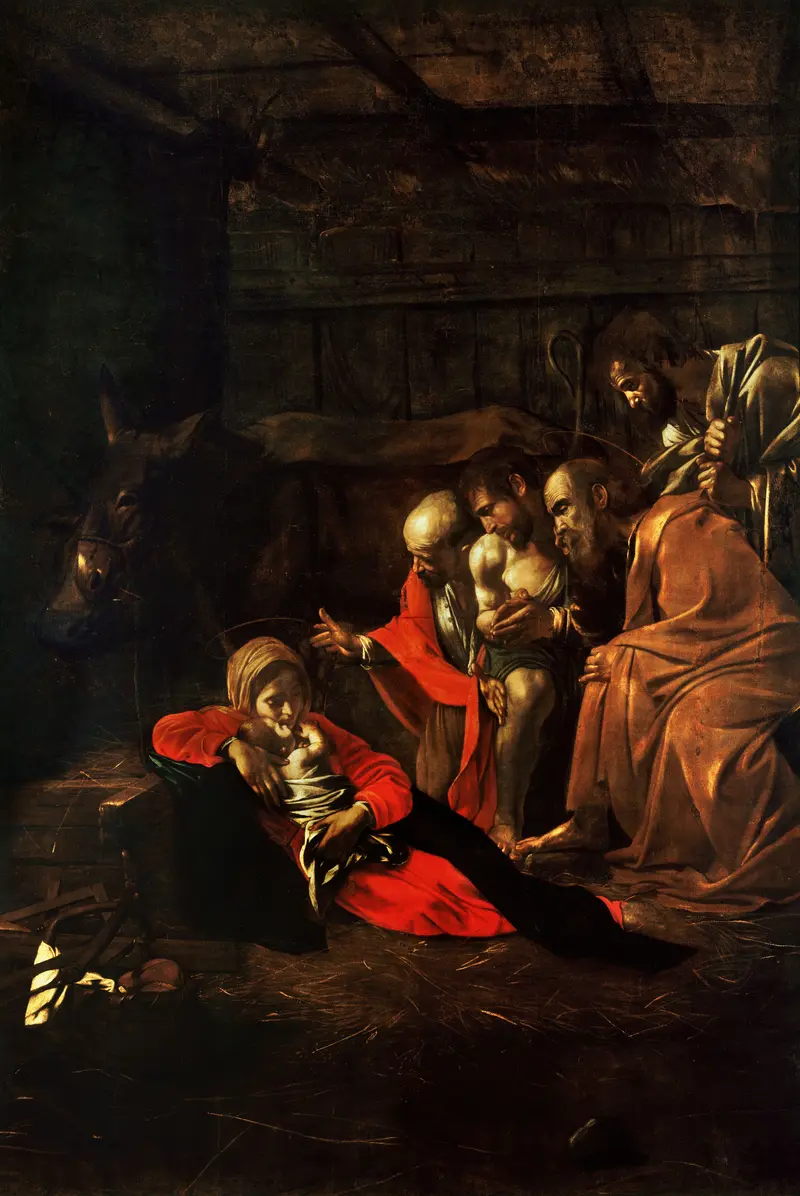
Adoration of the Shepherds
Caravaggio
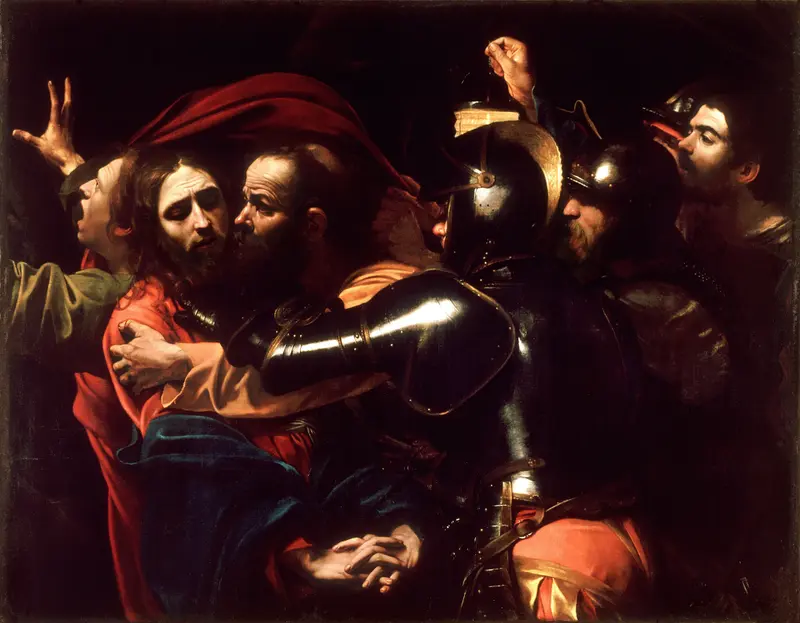
The Taking of Christ
Caravaggio
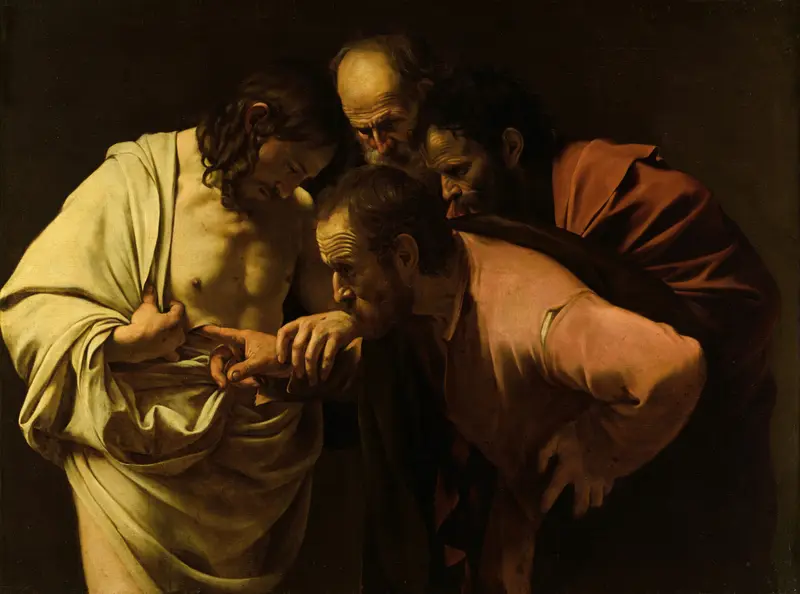
The Incredulity of Saint Thomas
Caravaggio
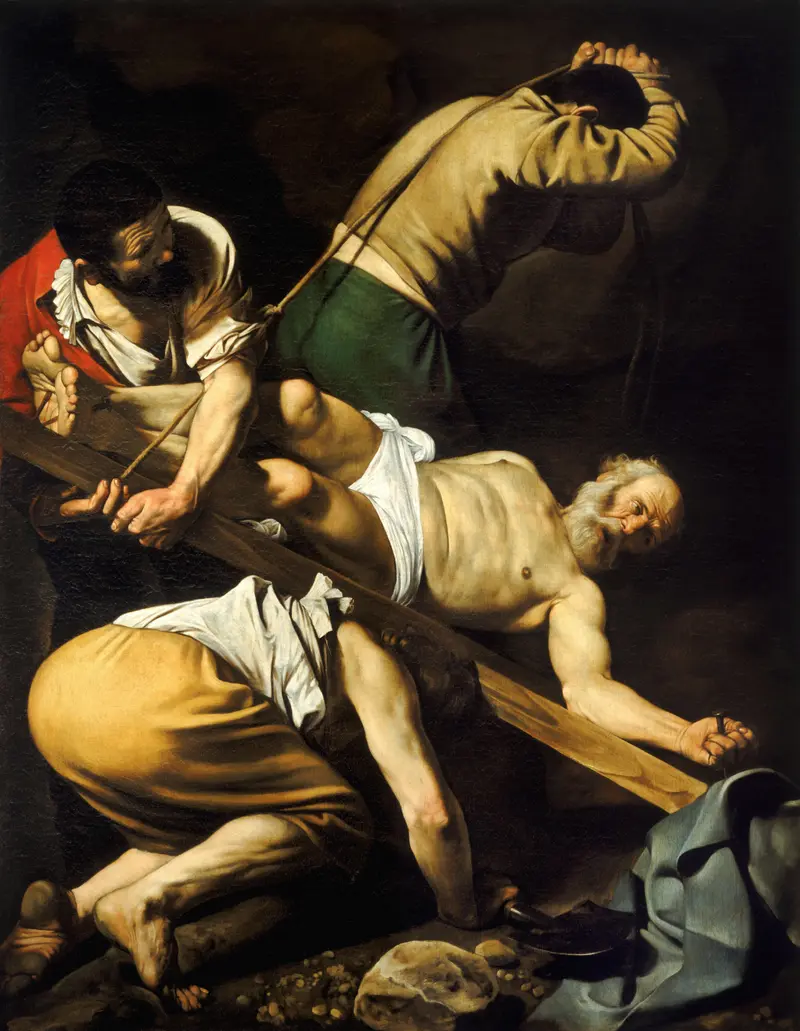
Crucifixion of Saint Peter
Caravaggio
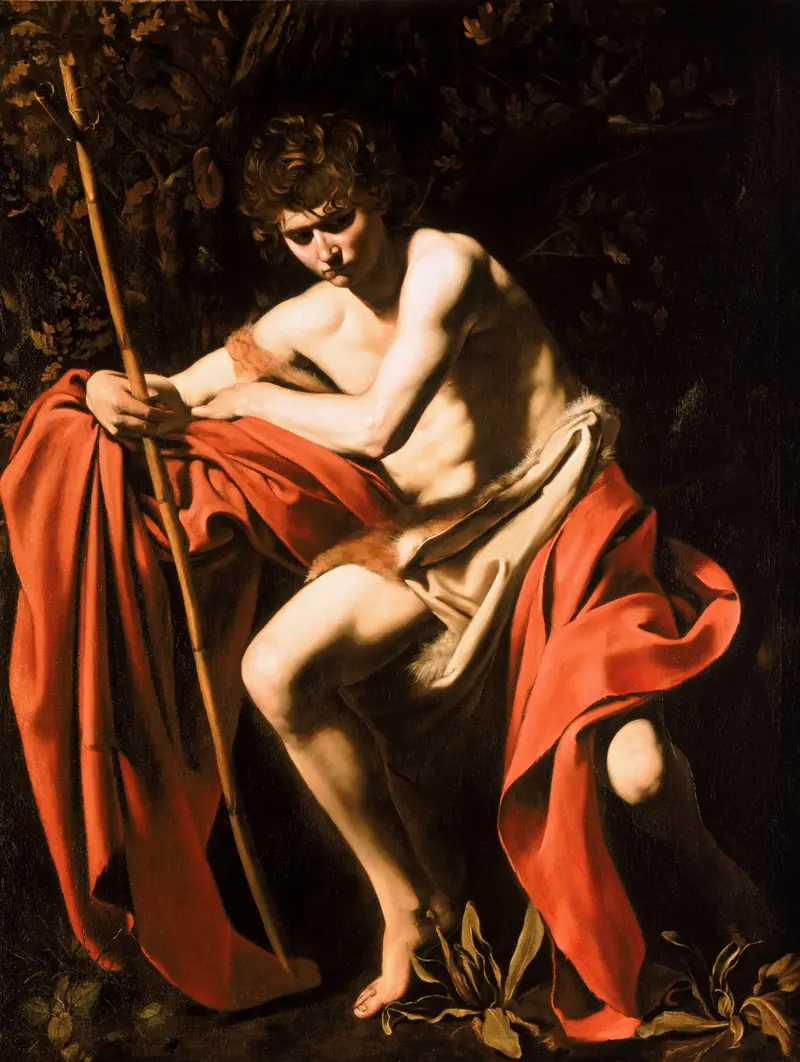
Saint John The Baptist In The Wilderness
Caravaggio

Saint Matthew and the angel
Caravaggio
The Inspiration of Saint Matthew
Caravaggio

Conversion on the Way to Damascus
Caravaggio
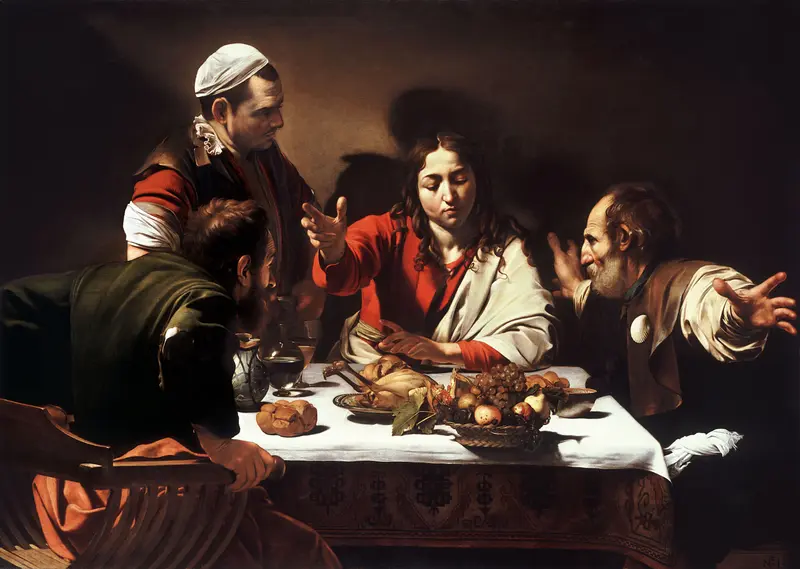
Supper at Emmaus
Caravaggio





