
The Charging Chasseur — History & Facts
When The Charging Chasseur burst onto the Paris Salon in 1812, critics immediately recognized it as the audacious debut of a new voice in French painting: the 21-year-old Théodore Géricault. The painting drew both admiration and controversy for its wild energy and unorthodox brushwork—an early signal of what would become the Romantic movement. Some contemporaries compared its dynamism to the feverish battle scenes of Rubens, while others were unsettled by its break from the calm order of Neoclassicism.
The subject, a cavalry officer mid-charge, was no mere fantasy: Géricault modeled the figure on an actual officer of the Imperial Guard, capturing the bravado and chaos of Napoleonic warfare at its height. The moment Géricault chose is one of violent, suspended action—a horse rearing, its rider twisting in the saddle, sabre raised as if to strike or defend. The officer’s red uniform blazes against a smoky, tumultuous background, while the horse’s wild eye and flaring nostrils suggest panic as much as heroism. The diagonal thrust of the composition, the swirl of the horse’s mane, and the blur of the officer’s cloak all push the viewer into the heart of battle.
Unlike David’s cool, staged Napoleon Crossing the Alps, Géricault’s scene is raw and immediate, emphasizing the danger and unpredictability of war rather than its glory. Every detail—the officer’s tense grip, the foaming mouth of the horse—serves to heighten the sense of imminent peril. The physical history of The Charging Chasseur is less dramatic than its subject, but it marks a crucial turning point in Géricault’s career. Painted without a commission, it was his first major work exhibited at the Salon, and it established him as a bold innovator among his peers.
The painting remained in the artist’s possession for some years before entering the Louvre, where it still hangs today. Its energetic brushwork and psychological intensity paved the way for Géricault’s later masterpiece, The Raft of the Medusa, and influenced a generation of Romantic painters. Though the exact medium is not always specified, it is widely accepted as oil on canvas, typical of large-scale Salon works of the period.
More Artworks by Théodore Géricault
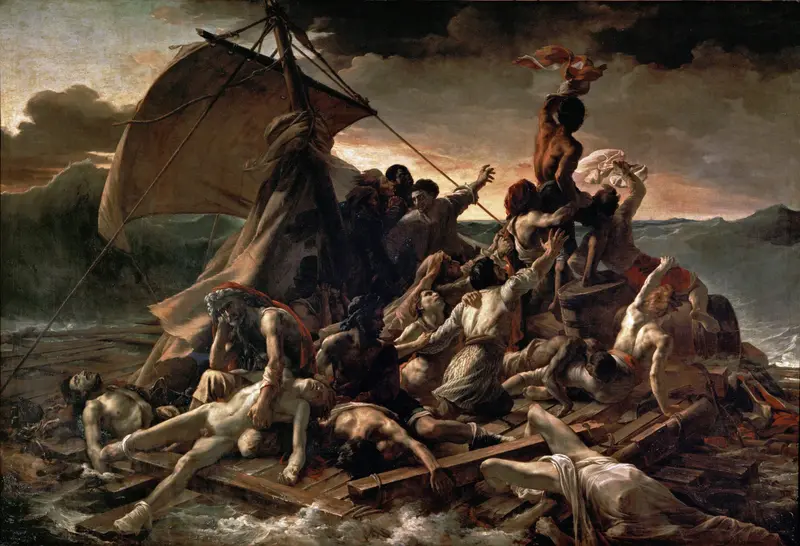
The Raft of the Medusa
Théodore Géricault

Géricault - Le naufrage du radeau de la Méduse, MBA 790
Théodore Géricault
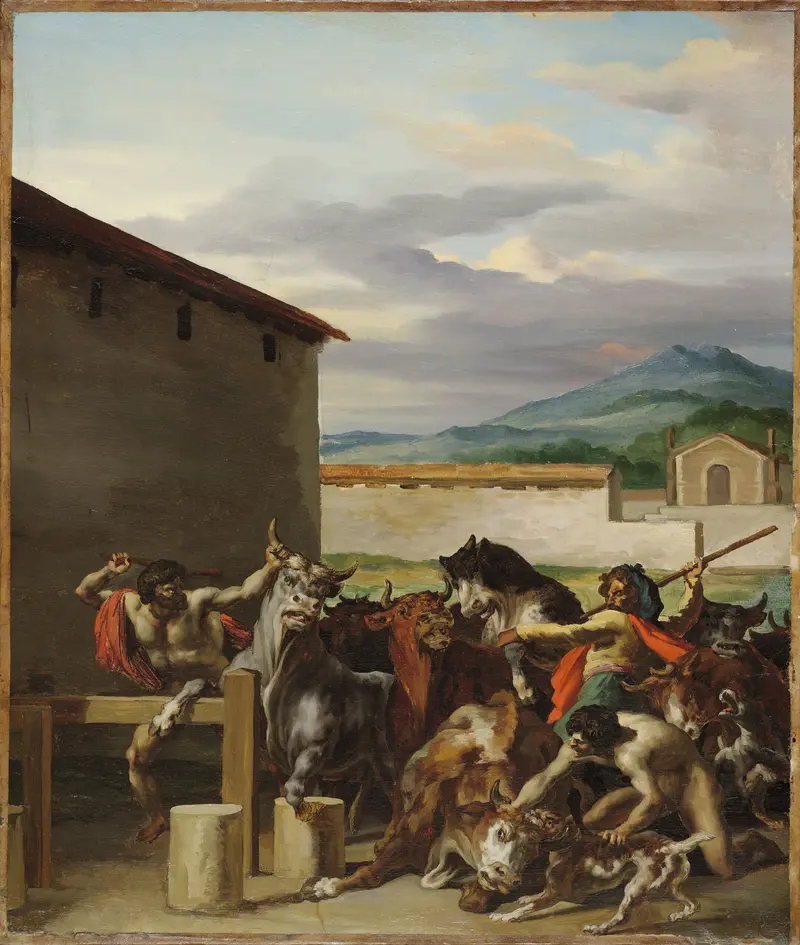
Cattle Market
Théodore Géricault
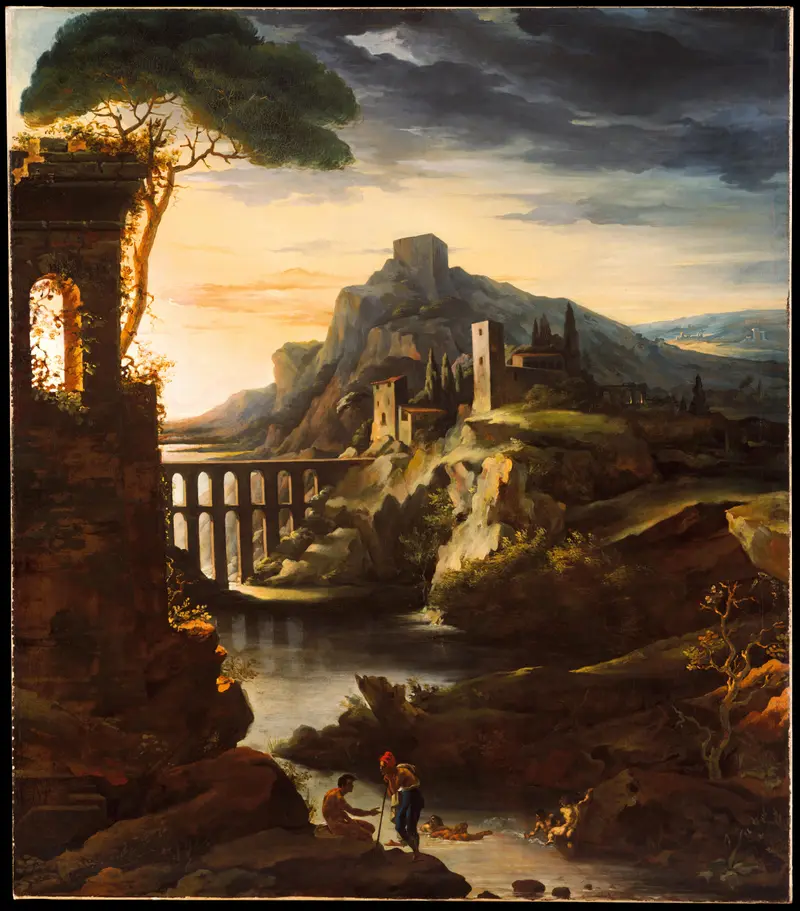
Evening; Landscape with an Aqueduct
Théodore Géricault
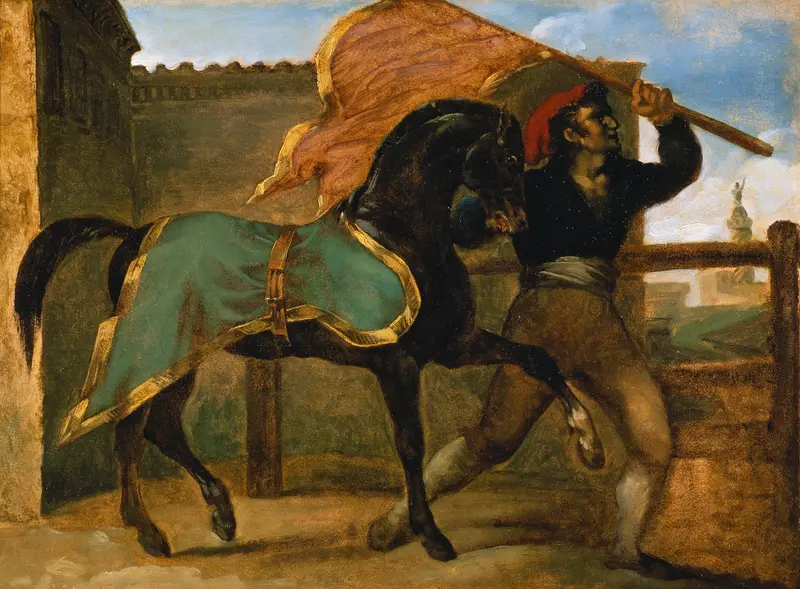
Horse Race
Théodore Géricault

Horses Standing in a Mews
Théodore Géricault
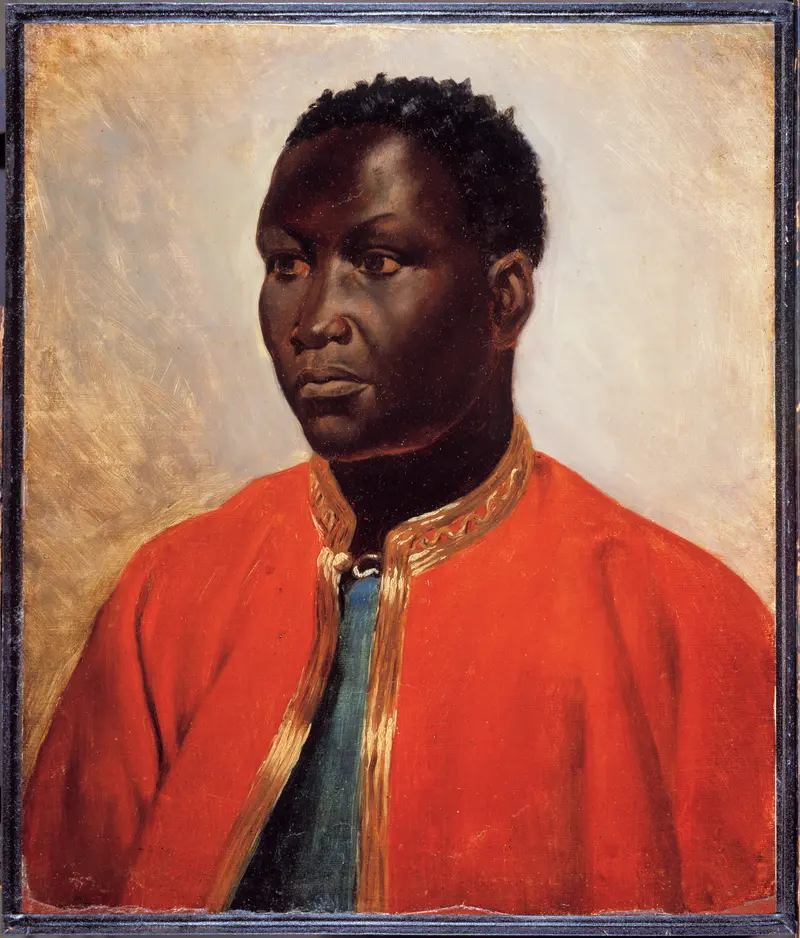
Portrait of a Negro
Théodore Géricault
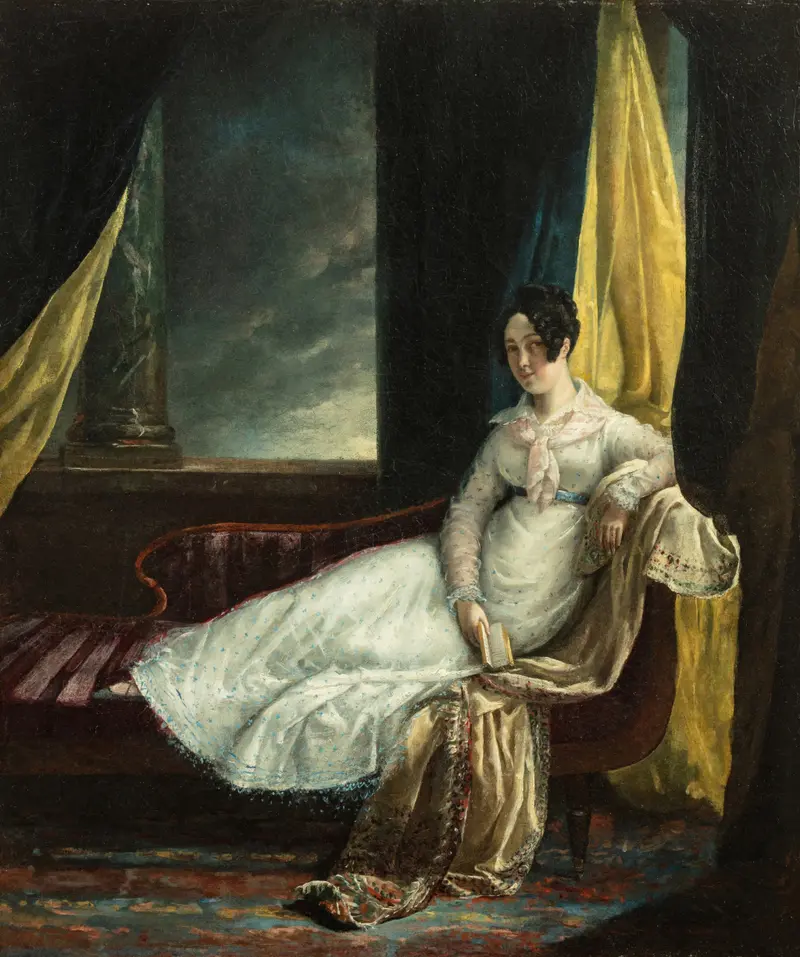
Portrait of Zoë Elmore
Théodore Géricault
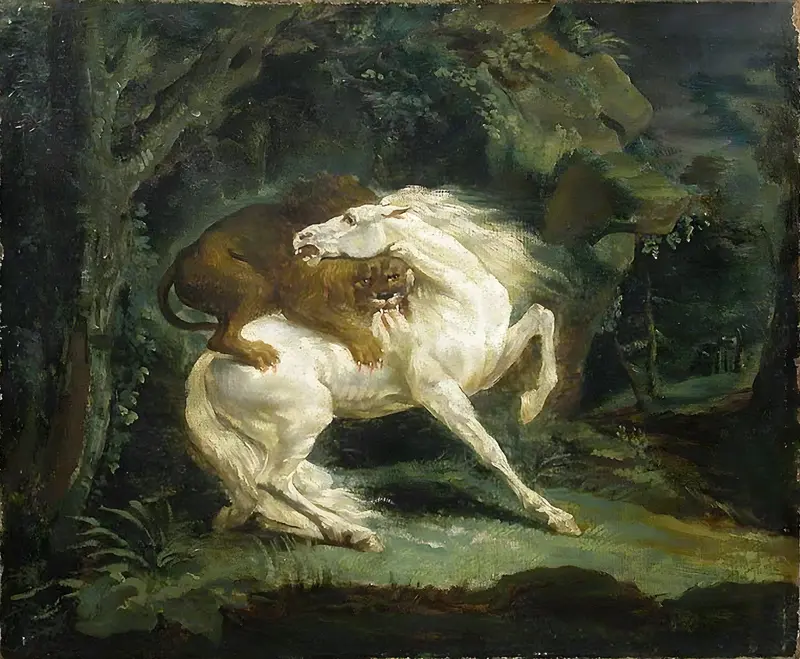
Cheval attaqué par un lion
Théodore Géricault
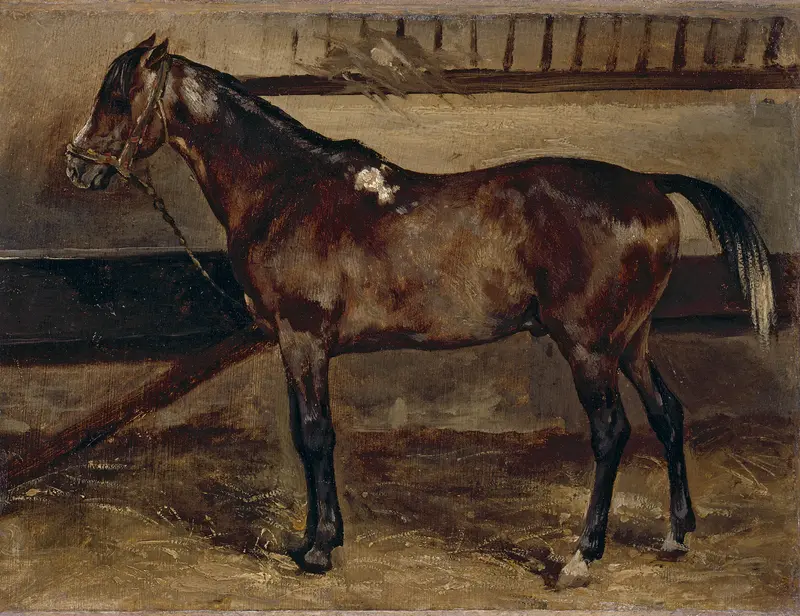
Cheval brun à l'écurie
Théodore Géricault





