
The Cup of Tea — History & Facts
When The Cup of Tea was first exhibited at the Paris Salon of 1881, critics immediately recognized it as a bold statement by Mary Cassatt—one of the few American artists accepted into the Impressionist circle. The painting was part of a series in which Cassatt explored the rituals of modern womanhood, using her own sister, Lydia, as a recurring model. This particular work became emblematic of Cassatt’s commitment to depicting the private, everyday lives of women with an intimacy rarely seen in public art at the time.
The Salon’s reception was mixed, but many noted Cassatt’s daring use of color and her unorthodox, cropped composition, which some likened to the influence of Japanese prints. In The Cup of Tea, the viewer is drawn into a quiet afternoon ritual: Lydia Cassatt, dressed in a pink dress and elegant hat, delicately lifts a porcelain cup to her lips. The table is set with a silver teapot and fine china, signaling both refinement and the importance of social customs. Cassatt’s brushwork is loose and lively, capturing the flicker of light on fabric and porcelain, while the cropped edge of the table and Lydia’s partially obscured face create a sense of immediacy and informality.
Unlike the grand historical narratives of her contemporaries, Cassatt focuses on the subtle drama of domestic life, much as Edgar Degas did with his ballet dancers, but here the subject is the modern woman’s world. The painting’s journey after its creation reflects the shifting appreciation for Mary Cassatt’s work. Initially owned by the artist herself, The Cup of Tea was later acquired by private collectors in the United States, as Cassatt’s reputation grew among American patrons eager to bring Impressionist art across the Atlantic. Today, the painting resides in the Metropolitan Museum of Art in New York, where it is celebrated as a key example of Cassatt’s mature Impressionist style.
The work marks a turning point in her career, as she moved away from historical themes to focus on the lives of women, securing her legacy as a chronicler of modern femininity.
More Artworks by Mary Cassatt

The Child's Bath
Mary Cassatt
Breakfast in Bed
Mary Cassatt

Mother and Child (Baby Getting Up from His Nap)
Mary Cassatt
Mrs. Robert S. Cassatt, the Artist's Mother
Mary Cassatt
Woman with a Pearl Necklace in a Loge
Mary Cassatt
Little Girl in a Blue Armchair
Mary Cassatt
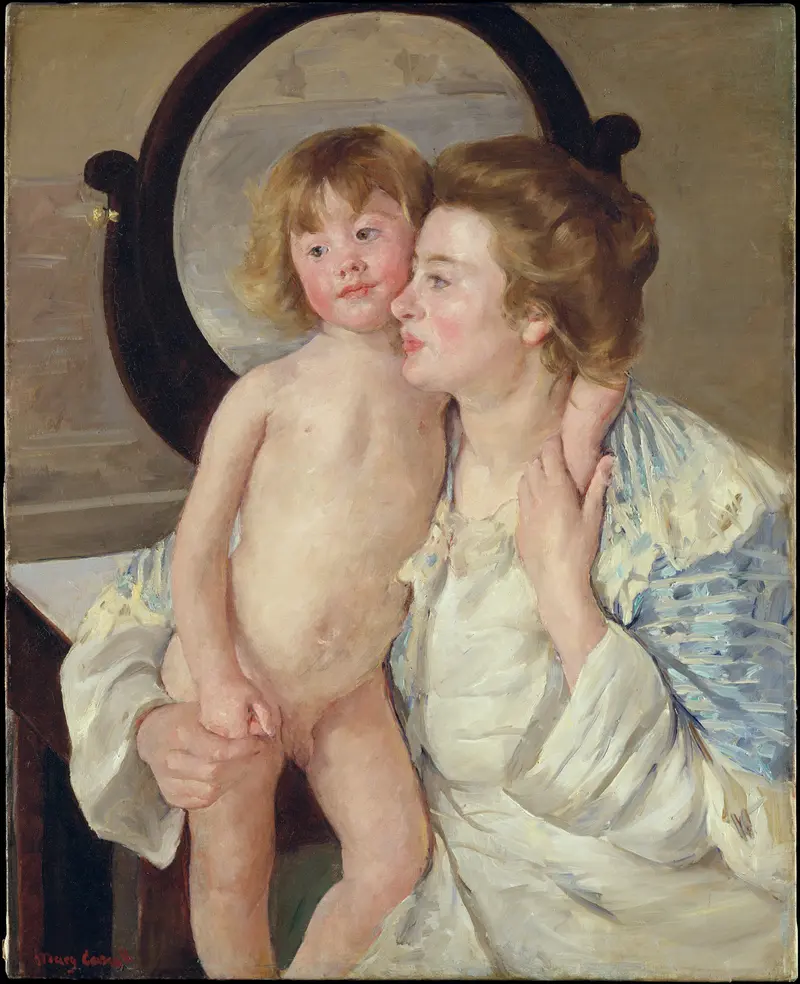
Mother and Child (The Oval Mirror)
Mary Cassatt
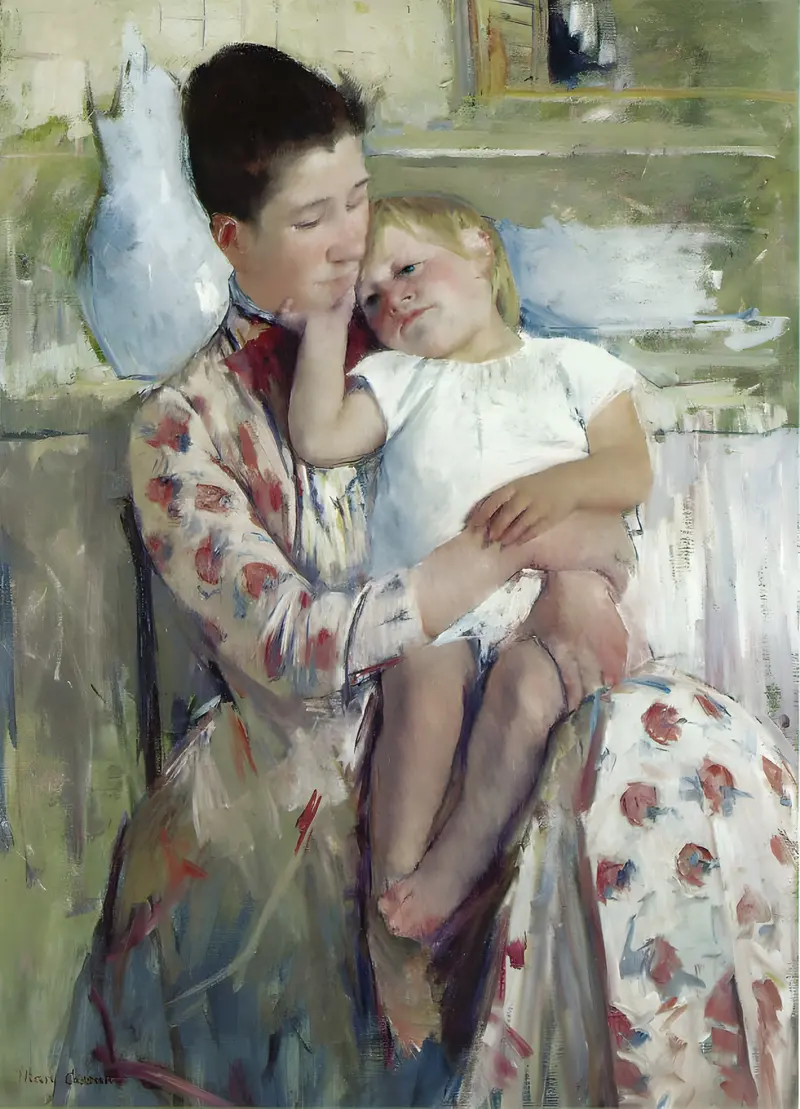
Mother and Child
Mary Cassatt
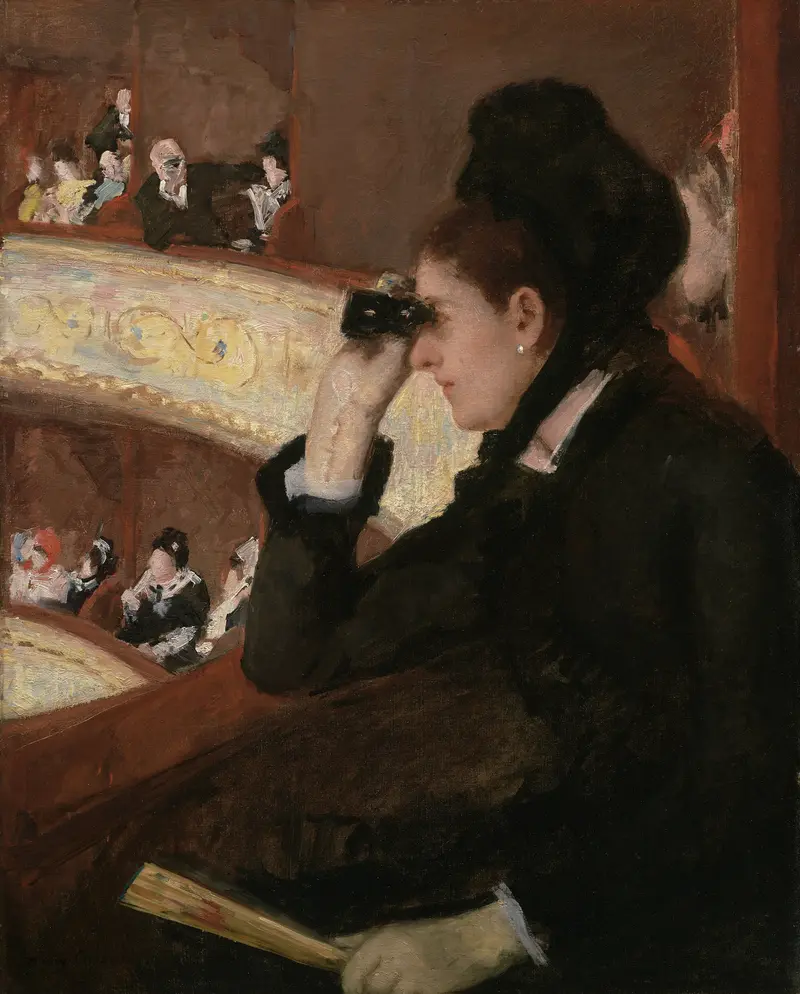
In The Loge
Mary Cassatt
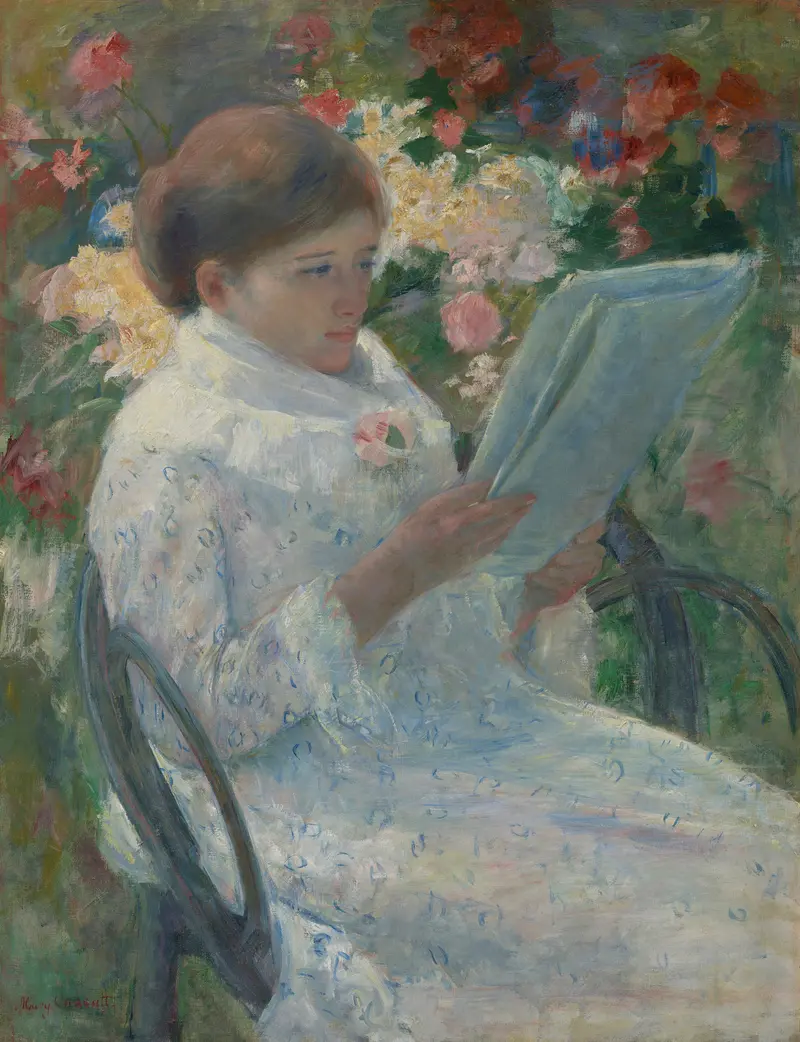
On a Balcony
Mary Cassatt
More Genre Scene Art

Banquet of the Officers of the St George Civic Guard
Frans Hals

Rembrandt and Saskia in the Scene of the Prodigal Son
Rembrandt van Rijn

Bal du moulin de la Galette
Pierre-Auguste Renoir

Quadrille at the Moulin Rouge
Henri de Toulouse-Lautrec

A Burial at Ornans
Gustave Courbet

When Will You Marry?
Paul Gauguin