
The Death of Moses — History & Facts
When Alexandre Cabanel submitted The Death of Moses to the 1850 Prix de Rome competition, he was just 27 years old and on the cusp of launching his celebrated career. This painting won him the coveted first prize, granting him a scholarship to study in Rome—a turning point that would shape his future as one of the leading figures of French academic painting. The subject, drawn from the final chapter of Deuteronomy, was a test of both narrative power and technical skill, and Cabanel’s interpretation impressed the jury with its emotional clarity and grandeur. At the heart of the painting is the solemn moment atop Mount Nebo: Moses, denied entry into the Promised Land, gazes upon Canaan from afar as his life draws to a close.
Cabanel captures Moses reclining on a rocky outcrop, his aged body draped in flowing robes, his face illuminated by a golden light that suggests both divine presence and impending departure. Angels hover above, poised to receive him, while the Israelites, visible in the distant valley, remain unaware of their leader’s fate. The composition’s upward sweep and the gentle gestures of the angels recall the grace of Raphael’s biblical scenes, yet Cabanel’s attention to the textures of skin and fabric anchors the vision in physical reality. The original The Death of Moses remains in France, a testament to the academic ideals of the mid-19th century.
While its exact medium is not always specified, it is typical of the oil-on-canvas works produced for the Prix de Rome. This painting marked a decisive moment in Cabanel’s career, opening doors to commissions and establishing his reputation. Today, it is studied as an early example of his narrative clarity and technical precision, qualities that would later define his most famous works, including The Birth of Venus.
More Artworks by Alexandre Cabanel
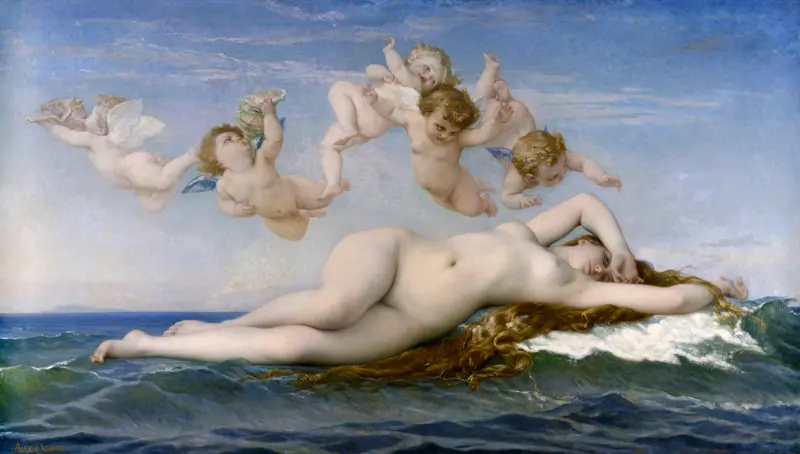
The Birth of Venus
Alexandre Cabanel
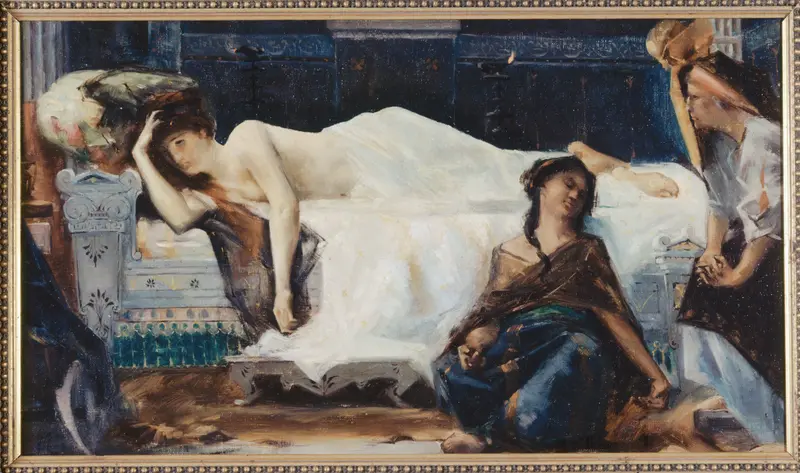
Phèdre
Alexandre Cabanel
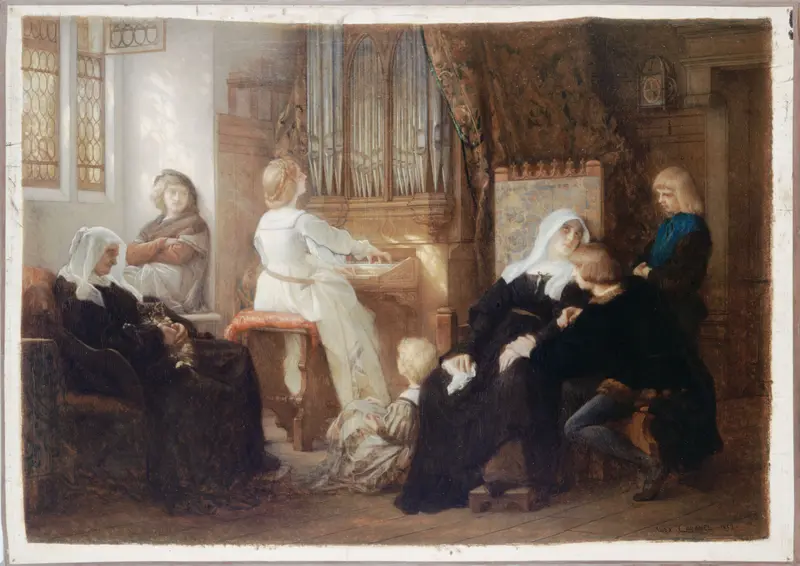
La veuve du maître de chapelle
Alexandre Cabanel
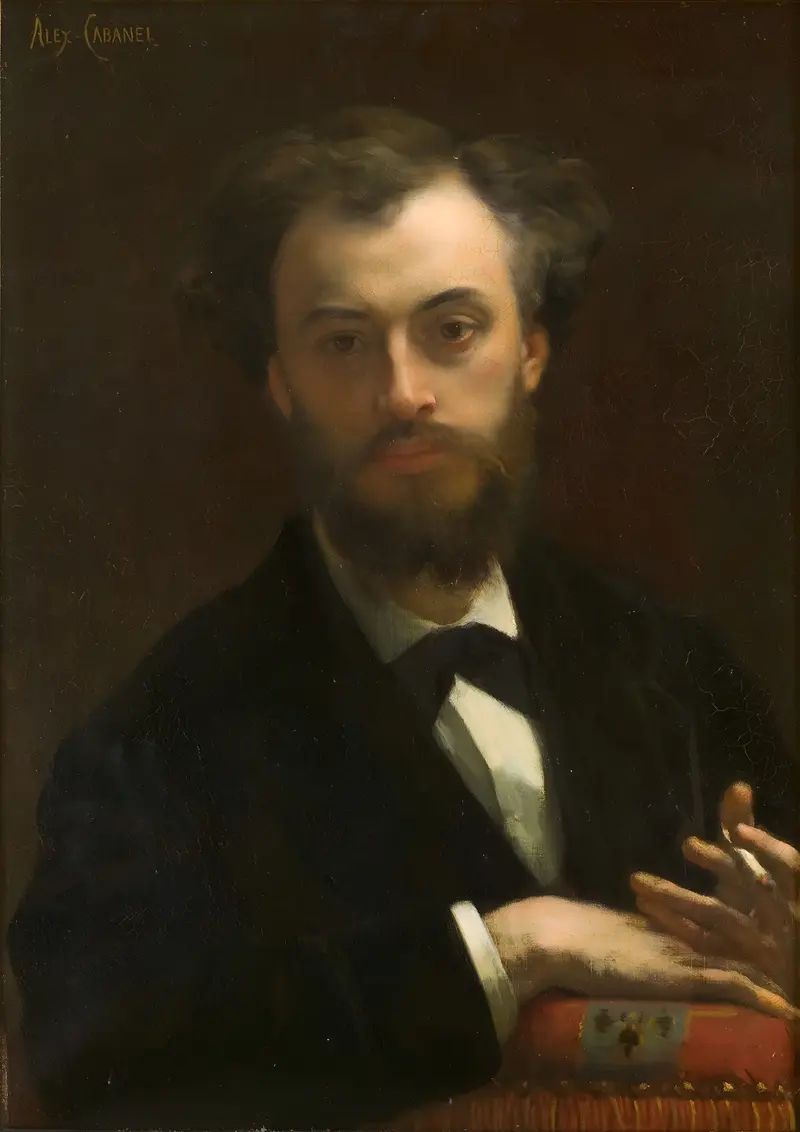
Portrait de M. Pierre Cabanel
Alexandre Cabanel
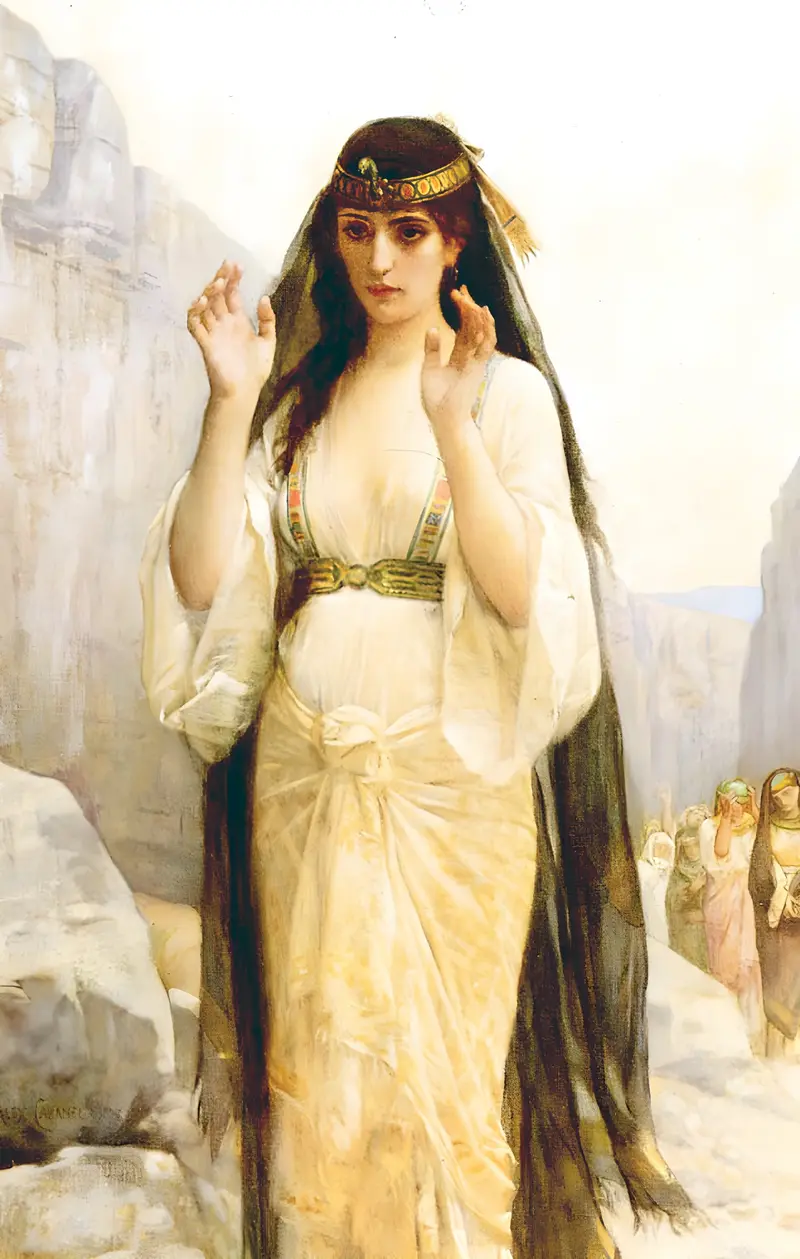
The Daughter of Jephthah
Alexandre Cabanel
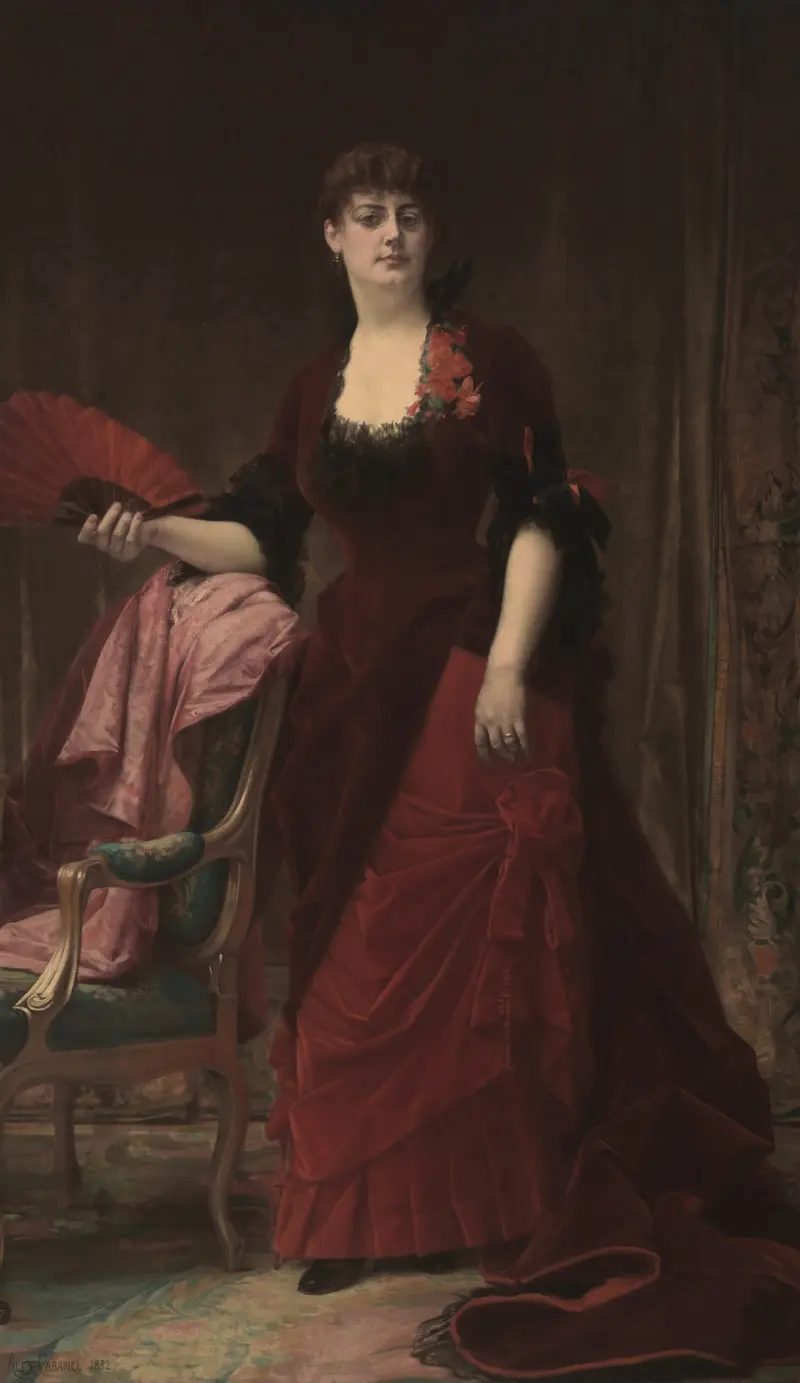
Portrait of Arabella Worsham (later Arabella Huntington)
Alexandre Cabanel
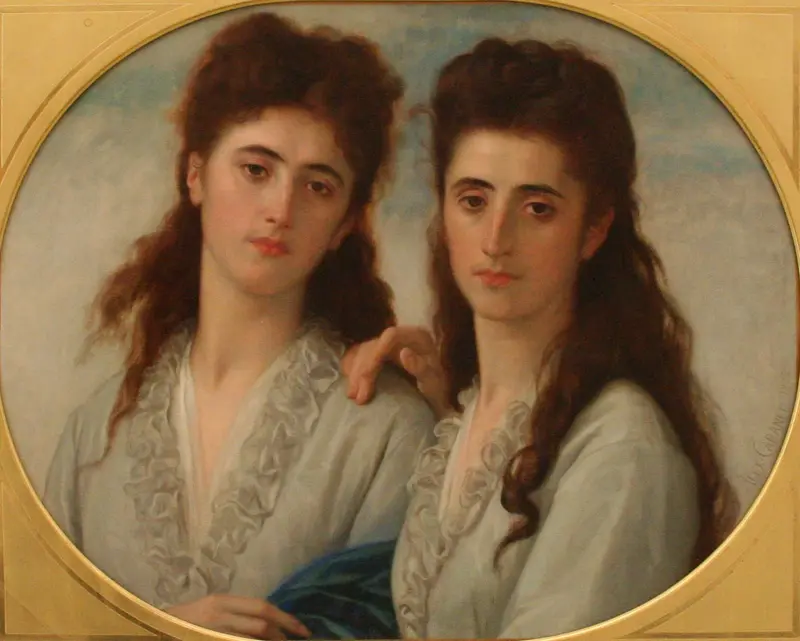
Portrait de mesdemoiselles Sophie et Berthe Cabanel
Alexandre Cabanel
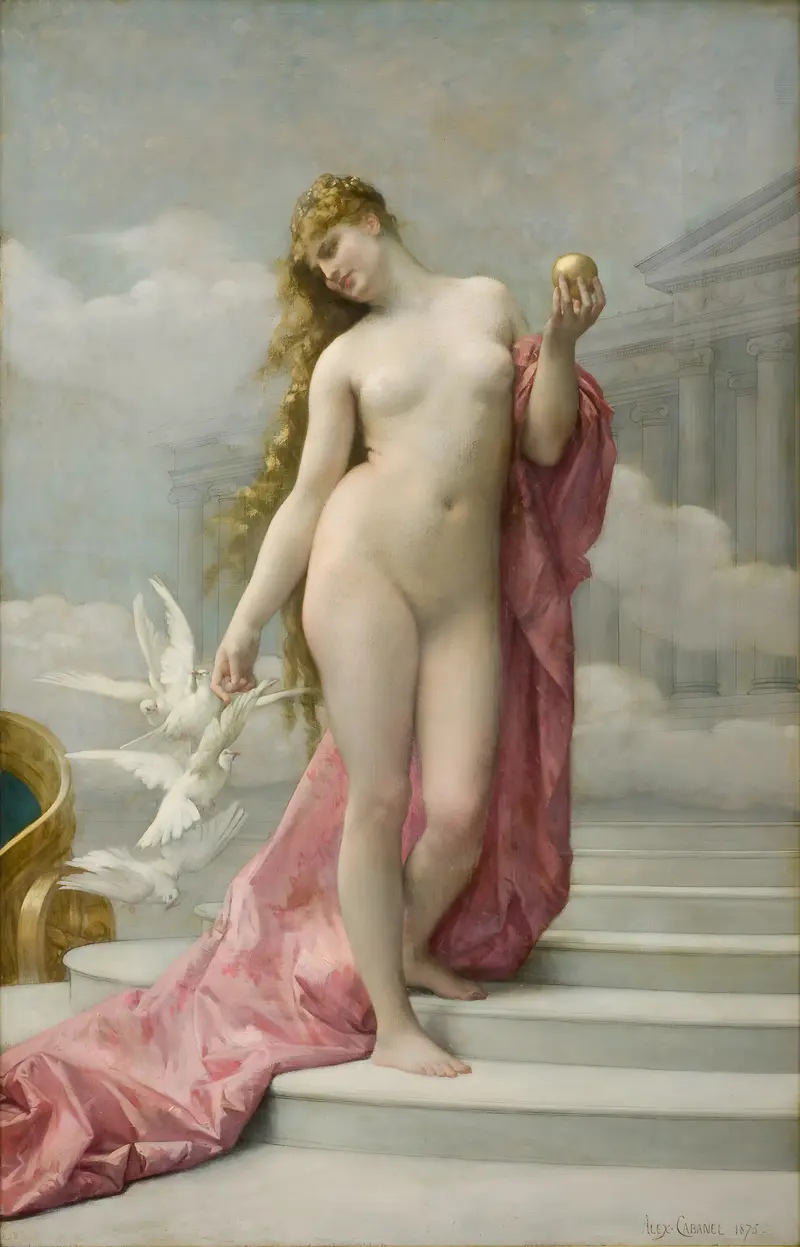
Vénus victorieuse
Alexandre Cabanel
Judith
Alexandre Cabanel
Catharine Lorillard Wolfe (1828–1887)
Alexandre Cabanel





