
The Dream of Ossian — History & Facts
When Napoleon Bonaparte ordered the decoration of his new imperial residence at Monte Cavallo in Rome, he called upon the young Jean Auguste Dominique Ingres to create a monumental painting for the palace’s ceiling. The result, completed in 1813, was The Dream of Ossian, a work that would never hang in its intended place—Napoleon’s fall in 1815 left the palace unfinished and the painting homeless. This commission marked one of Ingres’s first major public assignments, thrusting him into the turbulent currents of Napoleonic patronage and the shifting tastes of early nineteenth-century Europe. Ingres transports us to the legendary world of Ossian, the blind bard of ancient Scotland whose poems, popularized by James Macpherson in the 1760s, captivated Romantic Europe.
The painting captures the moment Ossian, reclining in a trance, conjures the ghostly heroes and heroines of his epic songs. Around him, spectral warriors and mythic figures float in a golden mist, their forms shimmering between presence and absence. The lyre at Ossian’s side signals his poetic power, while the swirling composition and elongated bodies recall Ingres’s admiration for Raphael, yet the mystical subject matter sets it apart from the more grounded neoclassicism of his teacher, Jacques-Louis David. After Napoleon’s defeat, The Dream of Ossian was left in limbo, its fate uncertain as the political winds shifted.
Eventually, the painting found a home in the Musée Ingres in Montauban, the artist’s birthplace, where it stands as a testament to Ingres’s early ambition and the era’s fascination with heroic myth. Though painted for a ceiling, it is now displayed vertically, allowing viewers to appreciate its vast scale and intricate detail up close. The work remains a rare example of Ingres engaging with Romantic themes, before he turned more fully to portraiture and classical subjects in his later career.
More Artworks by Jean Auguste Dominique Ingres
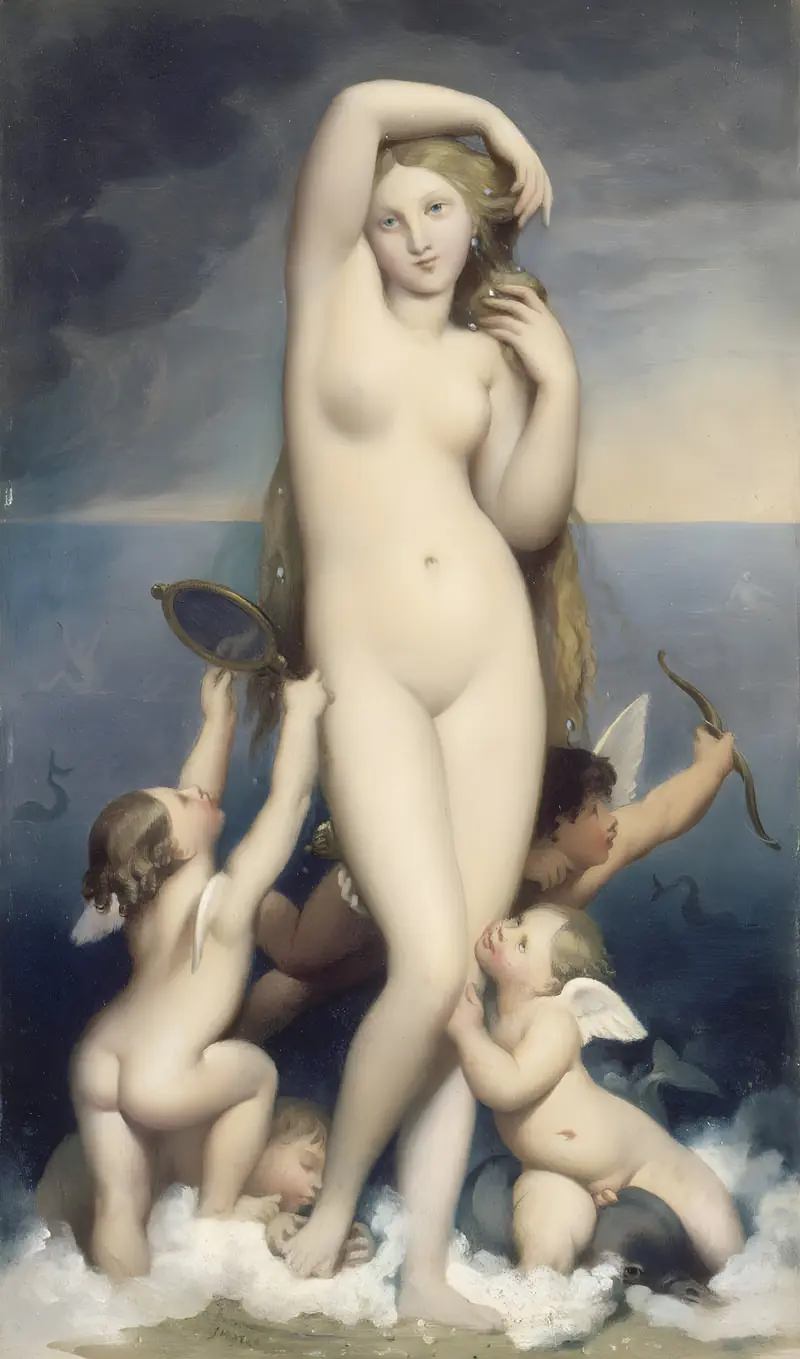
Vénus anadyomène
Jean Auguste Dominique Ingres
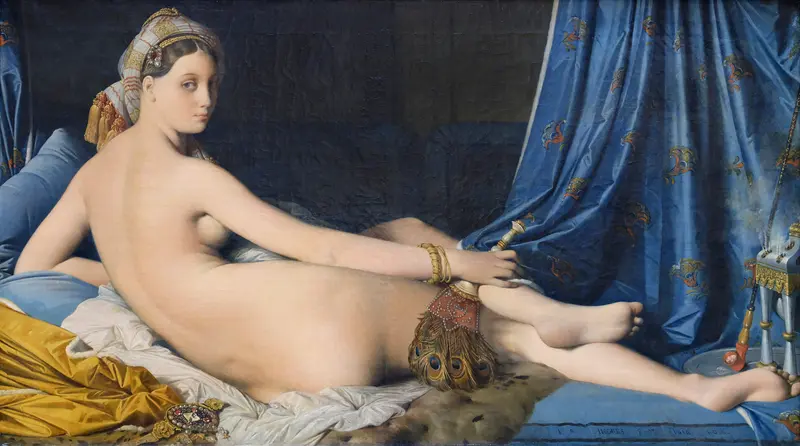
Grande Odalisque
Jean Auguste Dominique Ingres
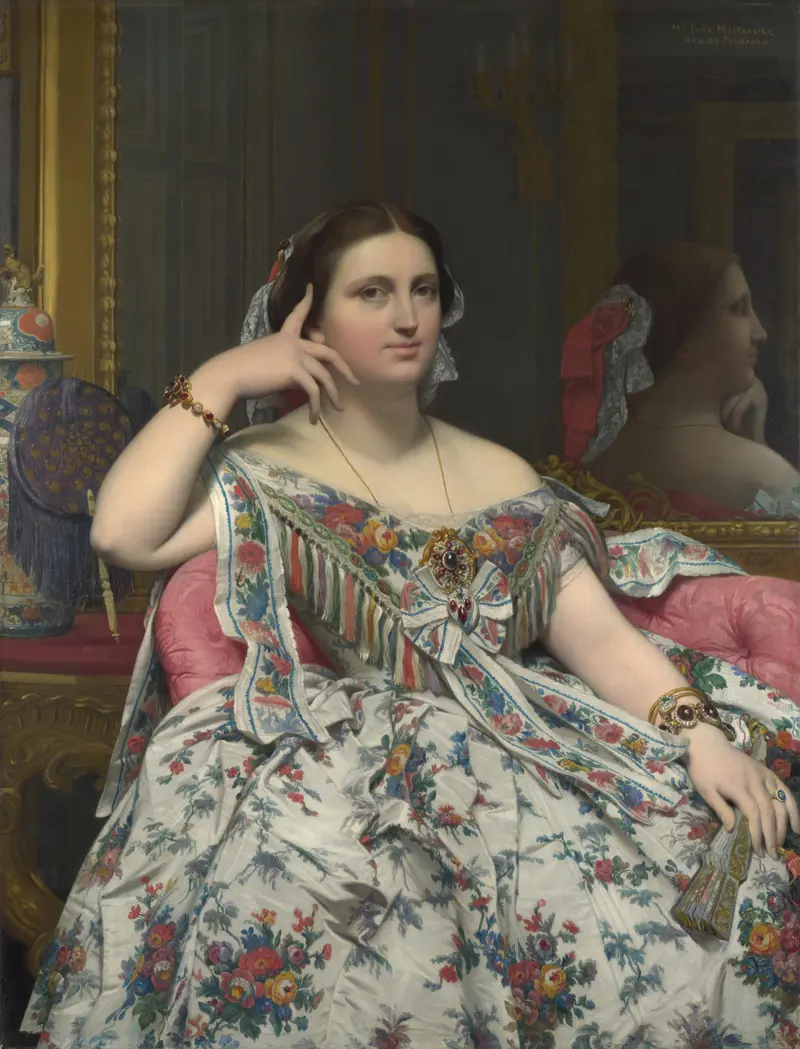
Madame Moitessier (seated)
Jean Auguste Dominique Ingres
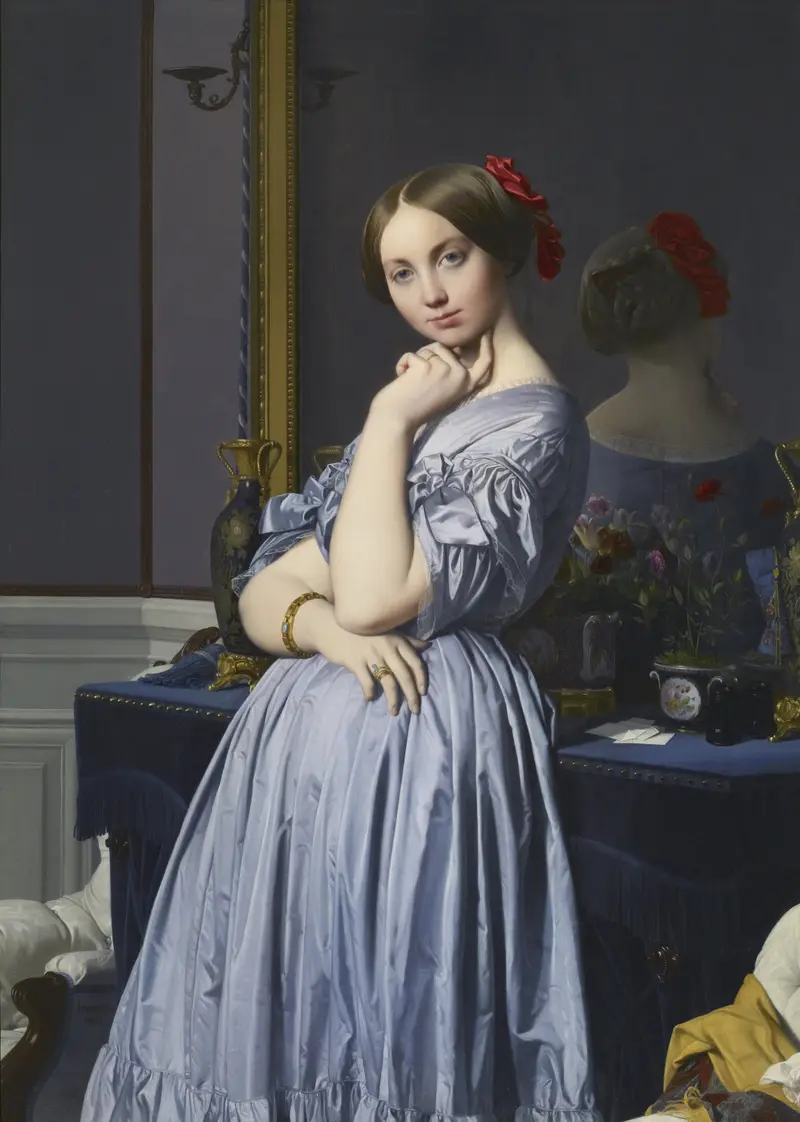
Portrait of Comtesse d’Haussonville
Jean Auguste Dominique Ingres
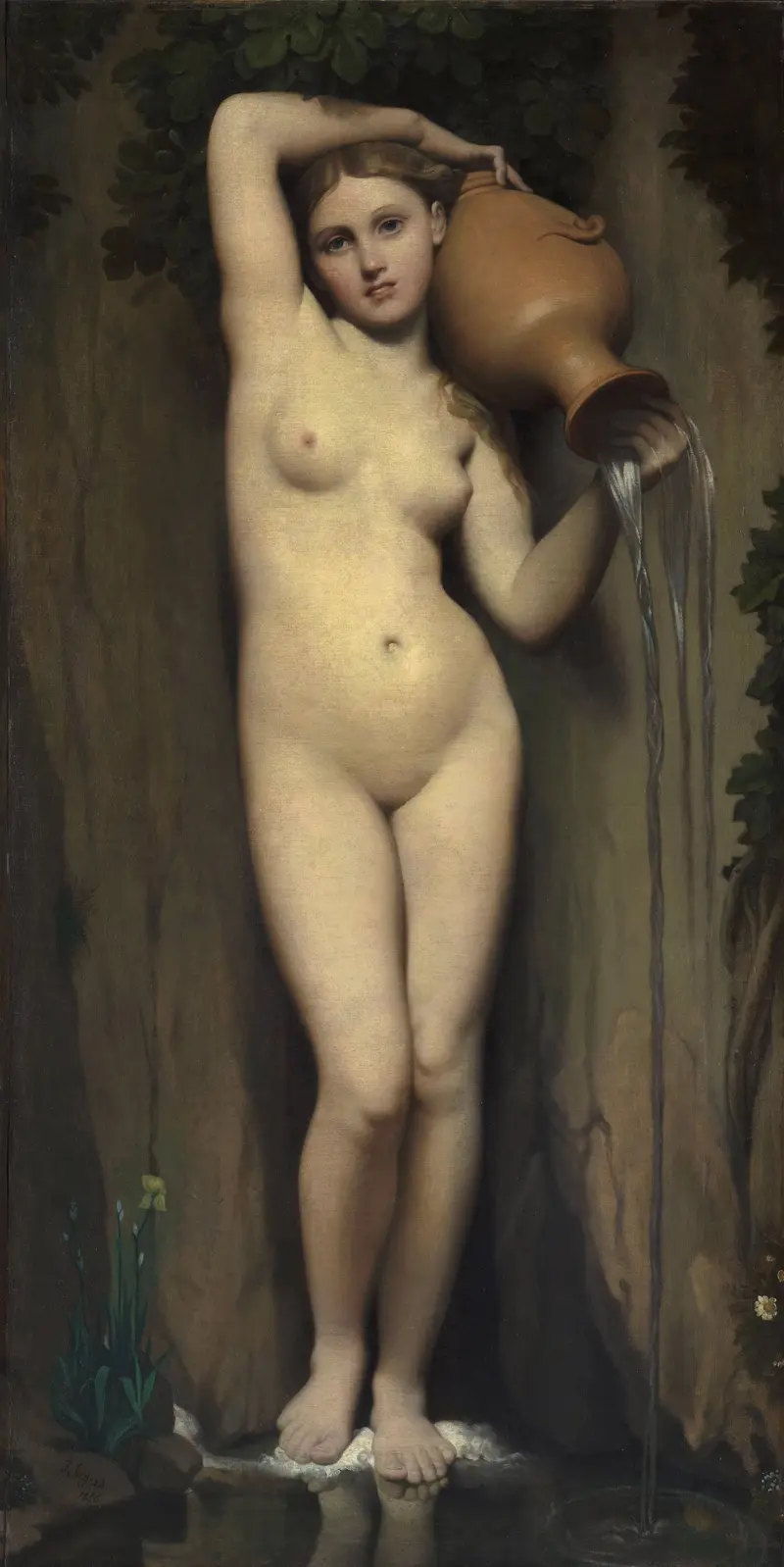
The Source
Jean Auguste Dominique Ingres
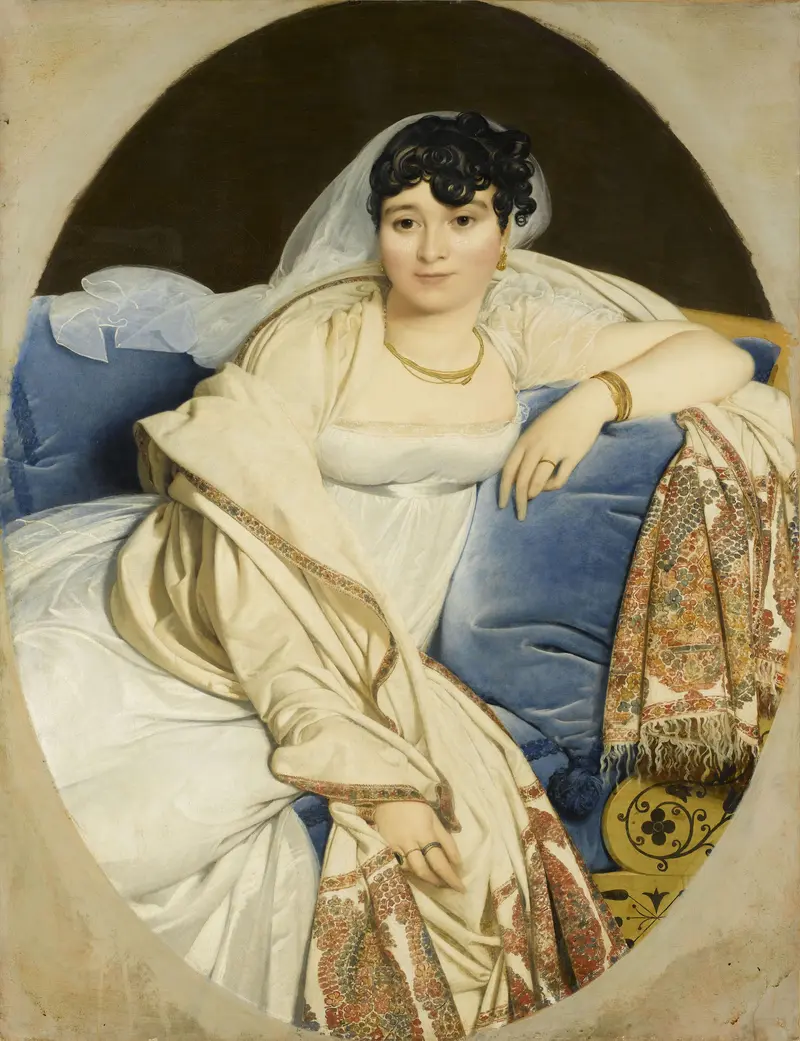
Madame Rivière
Jean Auguste Dominique Ingres

Madame Jean-Auguste-Dominique Ingres, née Madeleine Chapelle
Jean Auguste Dominique Ingres

Portrait of a Lady
Jean Auguste Dominique Ingres
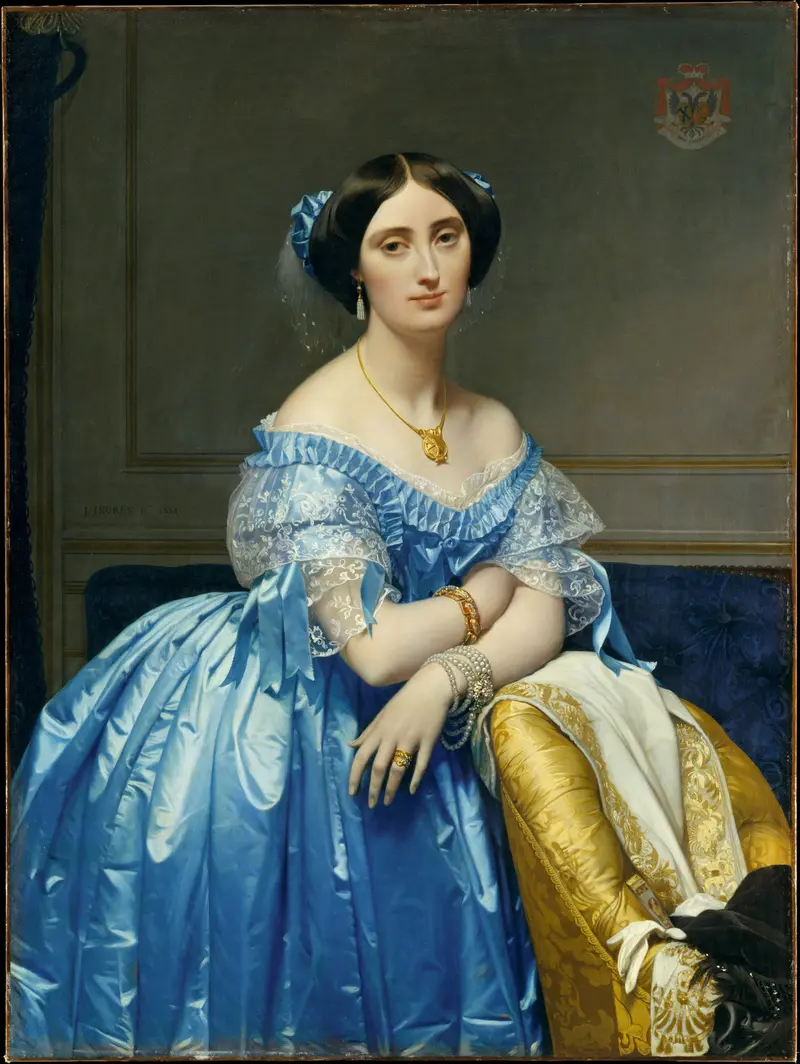
Joséphine-Éléonore-Marie-Pauline de Galard de Brassac de Béarn (1825–1860), Princesse de Broglie
Jean Auguste Dominique Ingres
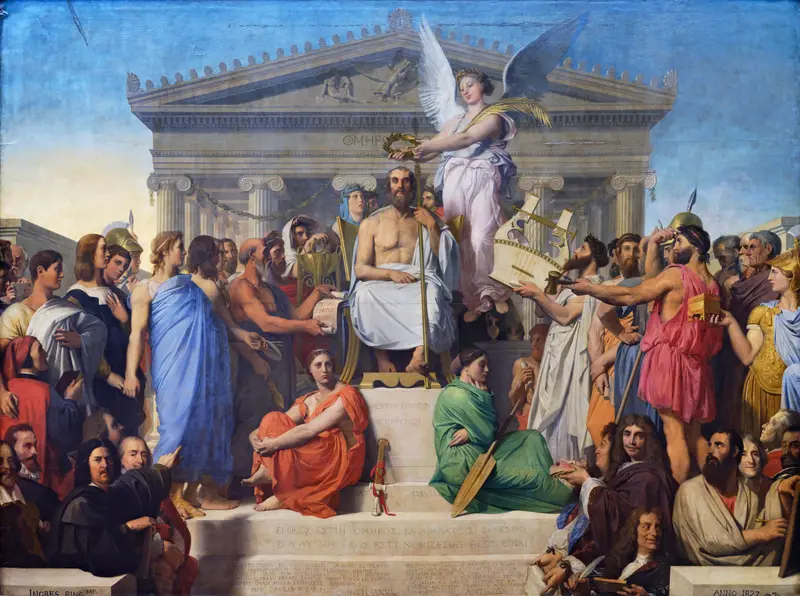
The Apotheosis of Homer
Jean Auguste Dominique Ingres





