
The Girl with the Wine Glass — History & Facts
No other painting by Johannes Vermeer has provoked as much speculation about its subject’s intentions as The Girl with the Wine Glass. For centuries, viewers and scholars alike have debated whether the young woman at the table is a willing participant in flirtation or a wary guest. The painting’s ambiguity has made it a touchstone for discussions of Dutch Golden Age morality and the subtle games of courtship that played out in the parlors of 17th-century Delft. The scene unfolds in a moment of suspended decision: a young woman, dressed in a brilliant red jacket, pauses with her wine glass raised, her gaze directed toward the viewer—or perhaps toward someone just out of sight.
A man leans in, speaking softly, while another figure in the background seems almost to disappear into the shadows. The ornate tablecloth, the luminous glass, and the musical instrument on the chair hint at pleasures both refined and fleeting. The open window bathes the scene in cool daylight, a device Vermeer often used to heighten the sense of interior intimacy.
Unlike the riotous energy of Jan Steen’s tavern scenes, here every gesture is measured, every object carefully chosen to suggest both invitation and caution. Little is known of the painting’s early history, and no record of its original patron survives. The Girl with the Wine Glass is believed to have been painted around 1659–1660, during a period when Vermeer was exploring themes of domestic interaction and the subtle tensions of social exchange. Over the centuries, it passed quietly through private collections before being acquired by the Herzog Anton Ulrich Museum in Braunschweig, Germany, where it remains today.
The painting is now recognized as a key work in Vermeer’s small but influential oeuvre, admired for its psychological nuance and the shimmering clarity of its light.
More Artworks by Johannes Vermeer

View of Delft
Johannes Vermeer

Girl with a Pearl Earring
Johannes Vermeer
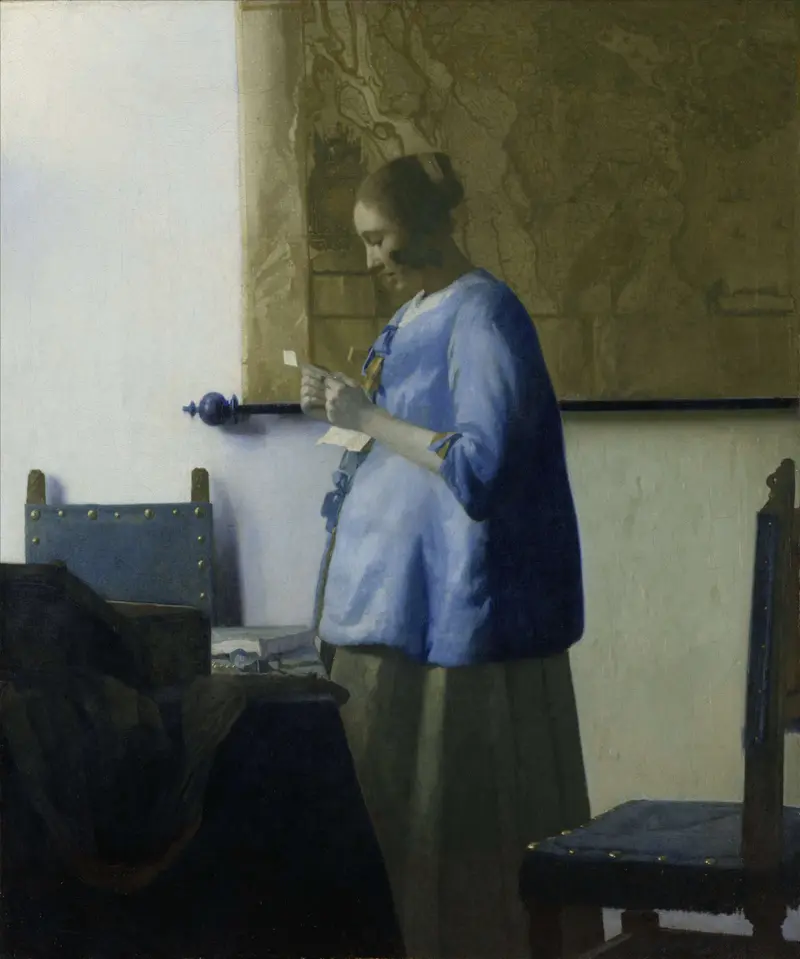
Woman in Blue Reading a Letter
Johannes Vermeer
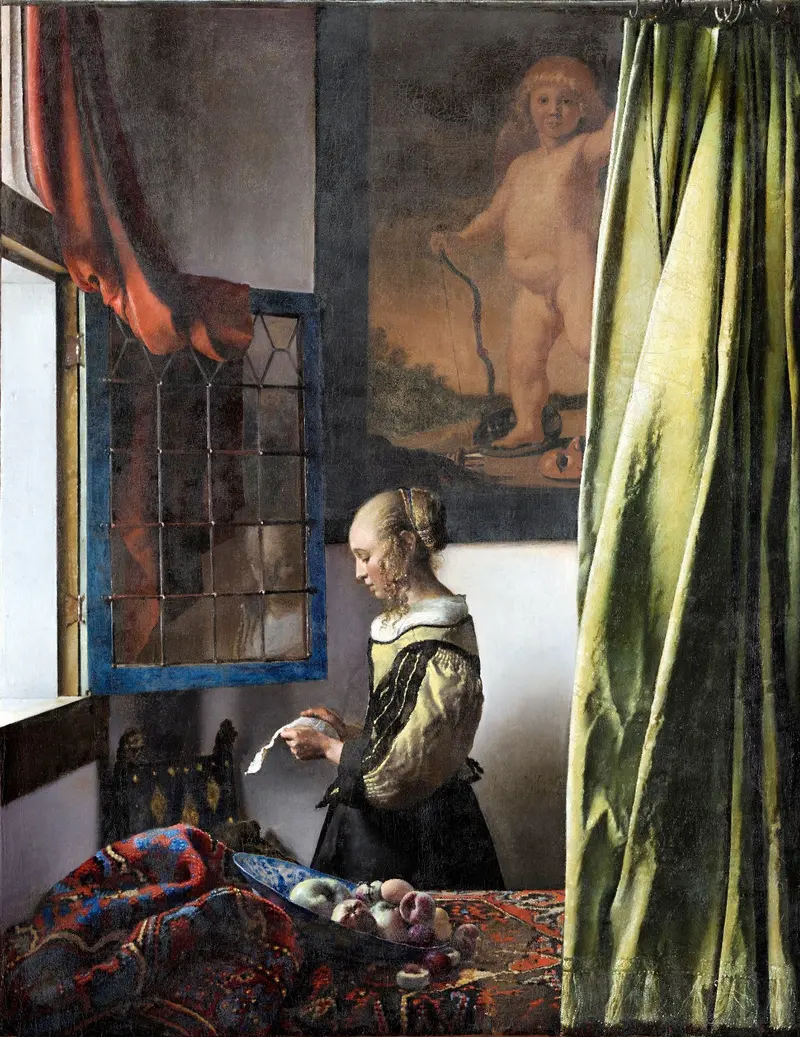
Girl Reading a Letter at an Open Window
Johannes Vermeer
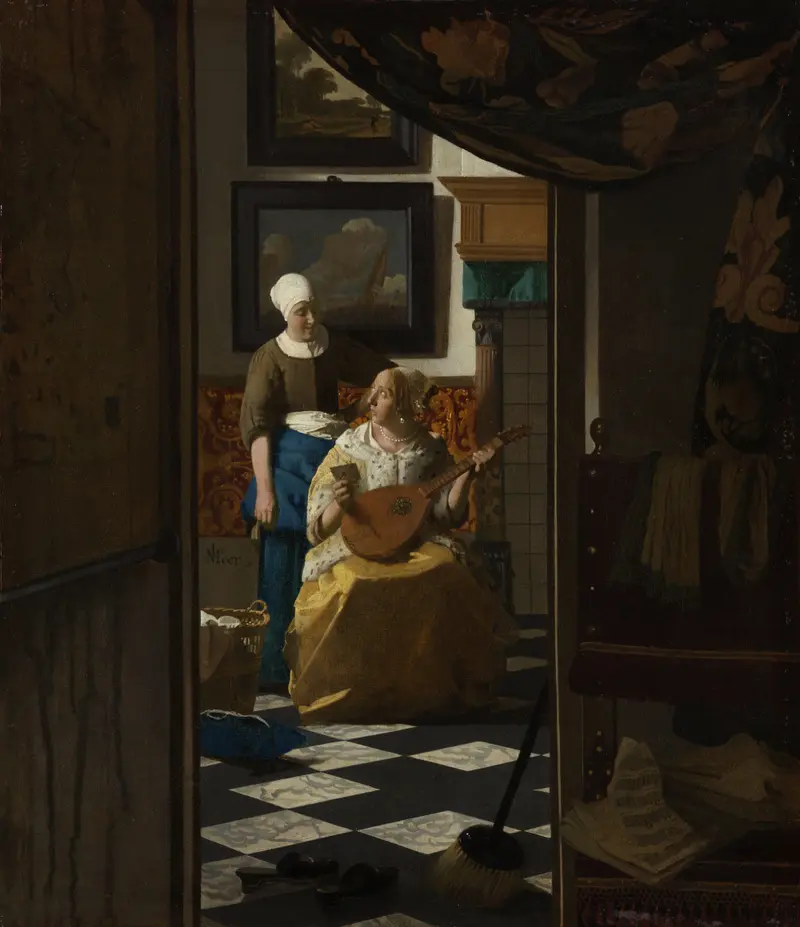
The Love Letter
Johannes Vermeer

The Music Lesson
Johannes Vermeer

A Girl Asleep
Johannes Vermeer
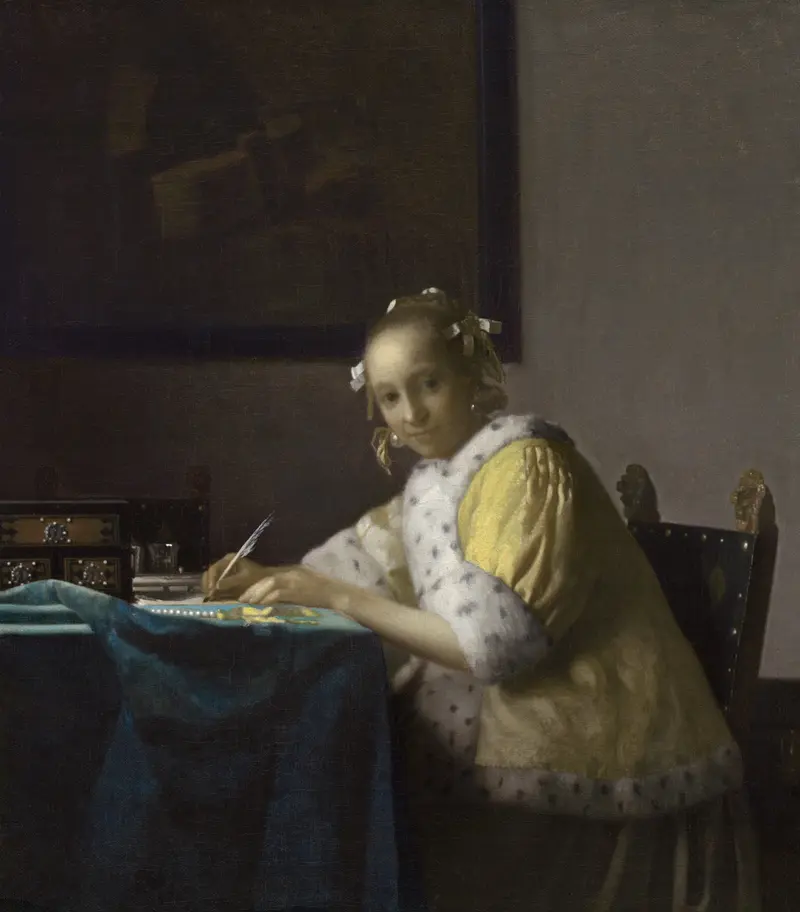
A Lady Writing a Letter
Johannes Vermeer
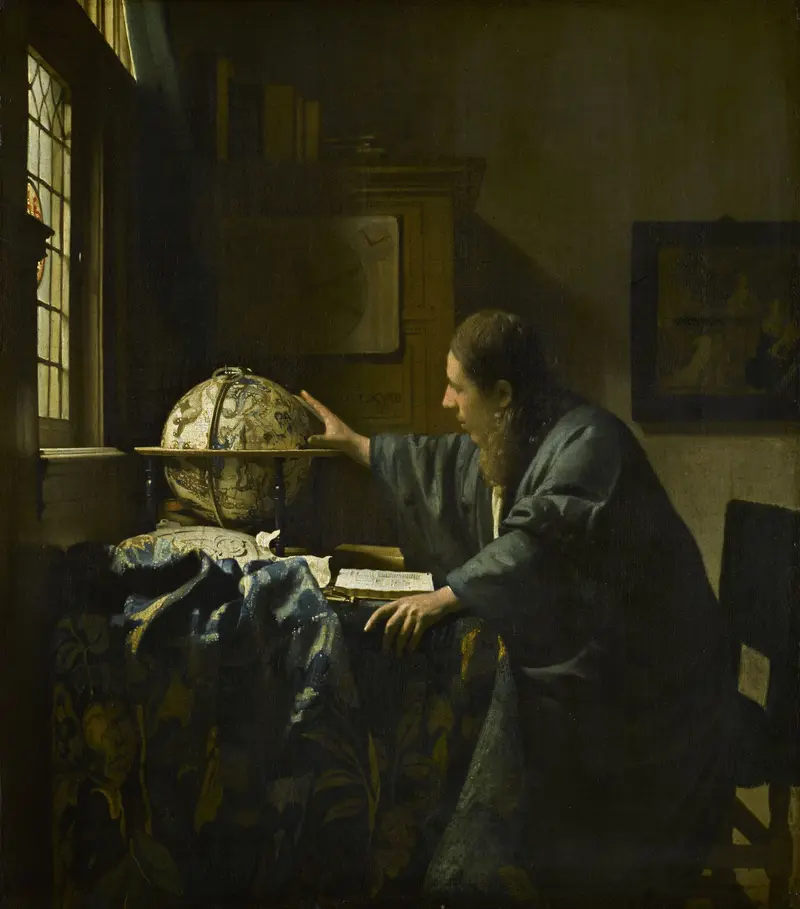
The Astronomer
Johannes Vermeer
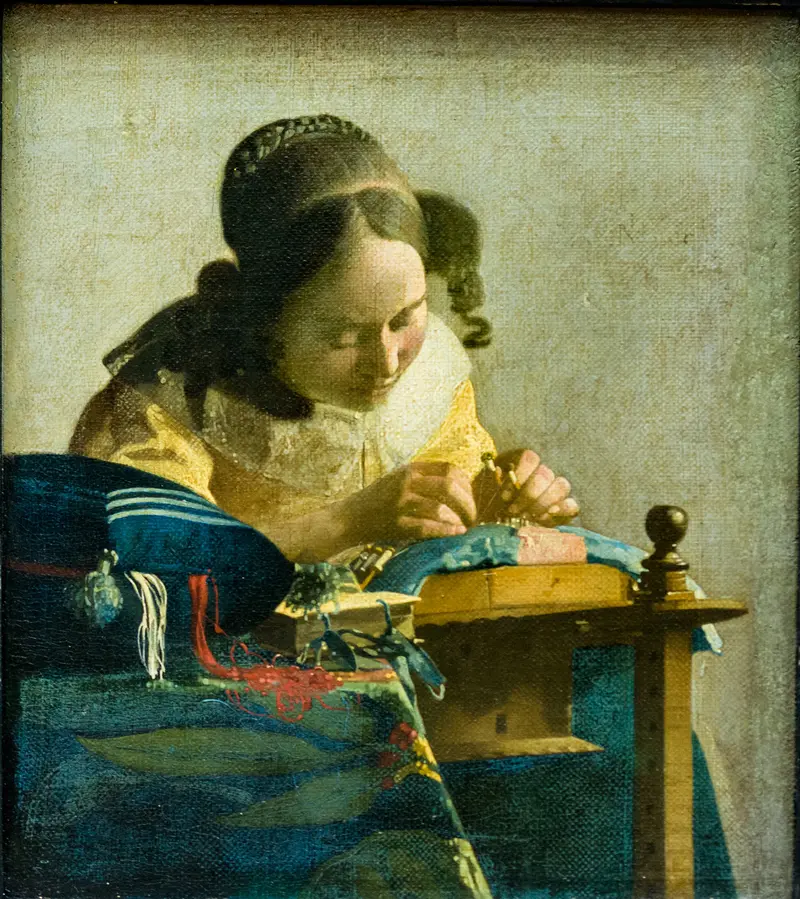
The Lacemaker
Johannes Vermeer
More Genre Scene Art

Banquet of the Officers of the St George Civic Guard
Frans Hals

Rembrandt and Saskia in the Scene of the Prodigal Son
Rembrandt van Rijn

Bal du moulin de la Galette
Pierre-Auguste Renoir

Quadrille at the Moulin Rouge
Henri de Toulouse-Lautrec

A Burial at Ornans
Gustave Courbet

When Will You Marry?
Paul Gauguin