
The Glorification of St. Louis — History & Facts
When Alexandre Cabanel submitted The Glorification of St. Louis to the Prix de Rome competition in 1853, he was just twenty-nine years old and hungry for recognition. This ambitious canvas won him the top prize, launching his career and securing his place among the leading painters of the Academic movement in France.
The subject, chosen by the competition’s jury, was a test of both narrative clarity and technical bravura—Cabanel’s triumph was widely discussed in Parisian art circles. The painting’s success marked a turning point for Cabanel, who would go on to become a favorite of Napoleon III and a professor at the École des Beaux-Arts. At the heart of the painting is the moment when King Louis IX of France—later canonized as Saint Louis—ascends to heavenly glory. Cabanel captures the saintly king clad in royal blue, crowned and draped in a golden cloak, as angels bear him aloft toward a radiant light.
The fleur-de-lis on his robe and the scepter in his hand signal his earthly authority, while the palm of martyrdom and the halo above his head proclaim his sanctity. The composition’s upward sweep and the luminous clouds recall the works of Ingres, yet Cabanel’s figures are softer, their gestures more theatrical, inviting the viewer into the spectacle of sainthood. Unlike earlier depictions, such as El Greco’s more mystical Saint Louis, Cabanel’s Louis is both king and saint, triumphant and serene. After its celebrated debut, The Glorification of St.
Louis became a touchstone for aspiring academic painters, though its precise whereabouts today are uncertain. The painting was originally sent to Rome as part of Cabanel’s scholarship, and later returned to France, but its current location is not widely documented—a fate shared by many Prix de Rome entries of the era. Nonetheless, the work’s reputation endures in art historical accounts, where it is often cited as a defining example of mid-nineteenth-century French academic painting.
For Cabanel, this early victory paved the way for a prolific career, culminating in celebrated commissions such as The Birth of Venus and numerous portraits of the French elite.
More Artworks by Alexandre Cabanel
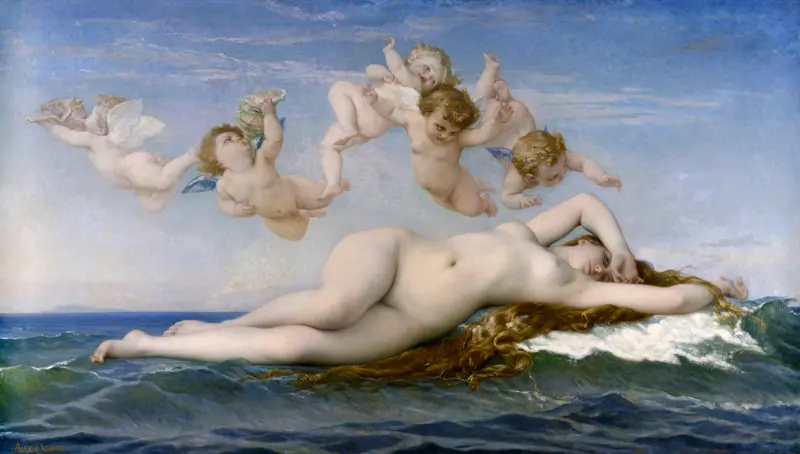
The Birth of Venus
Alexandre Cabanel
Phèdre
Alexandre Cabanel
La veuve du maître de chapelle
Alexandre Cabanel
Portrait de M. Pierre Cabanel
Alexandre Cabanel
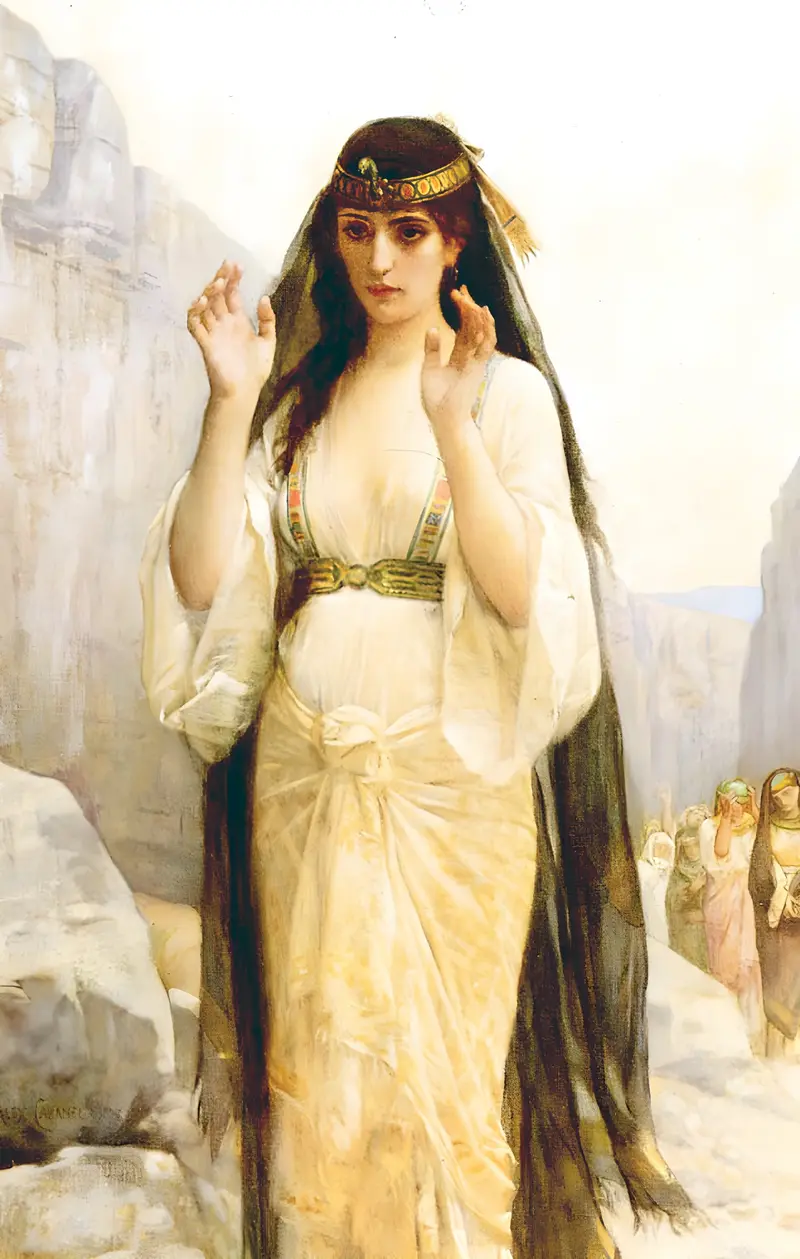
The Daughter of Jephthah
Alexandre Cabanel
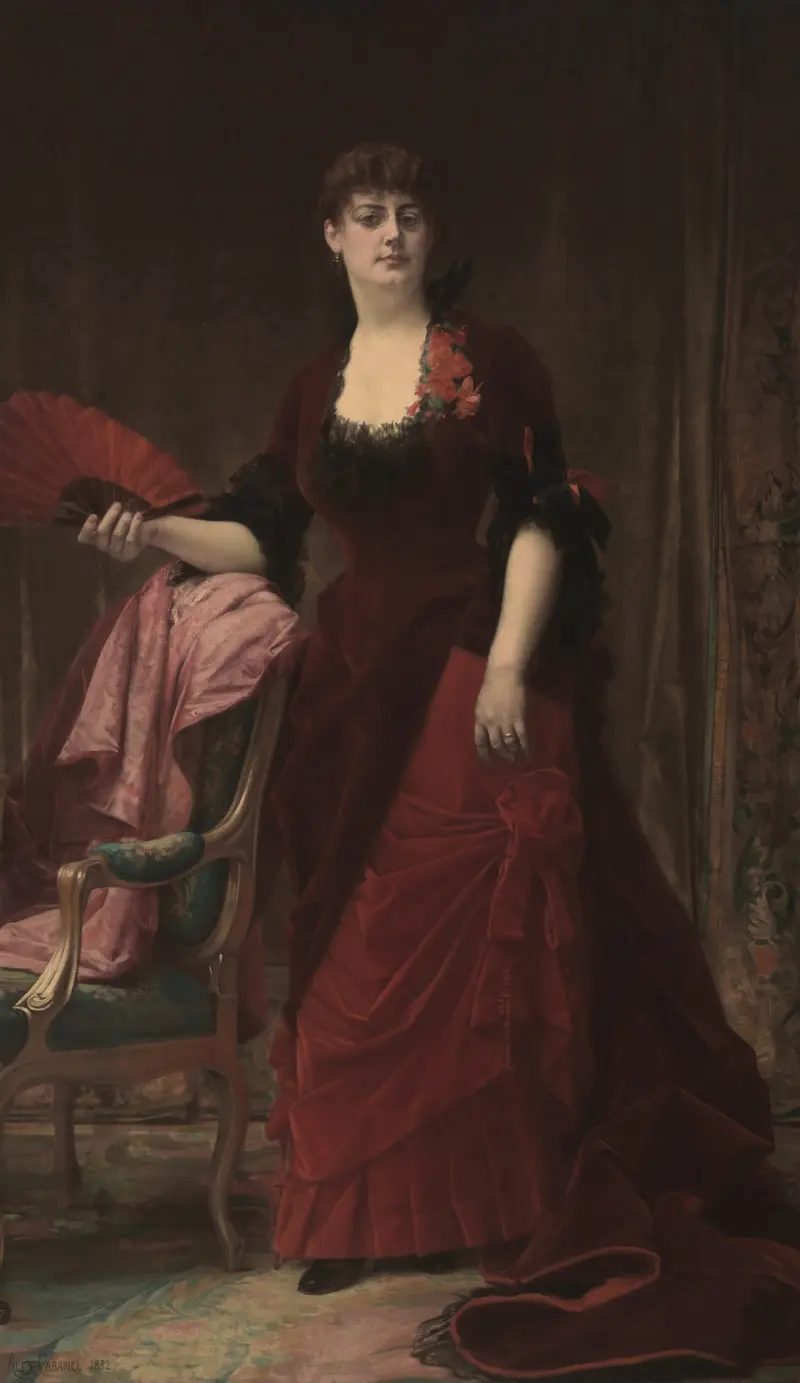
Portrait of Arabella Worsham (later Arabella Huntington)
Alexandre Cabanel
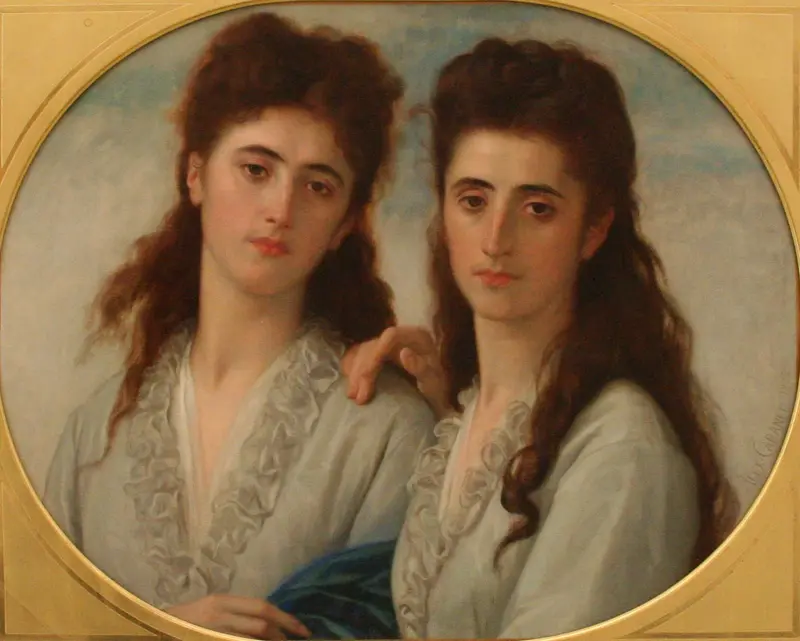
Portrait de mesdemoiselles Sophie et Berthe Cabanel
Alexandre Cabanel
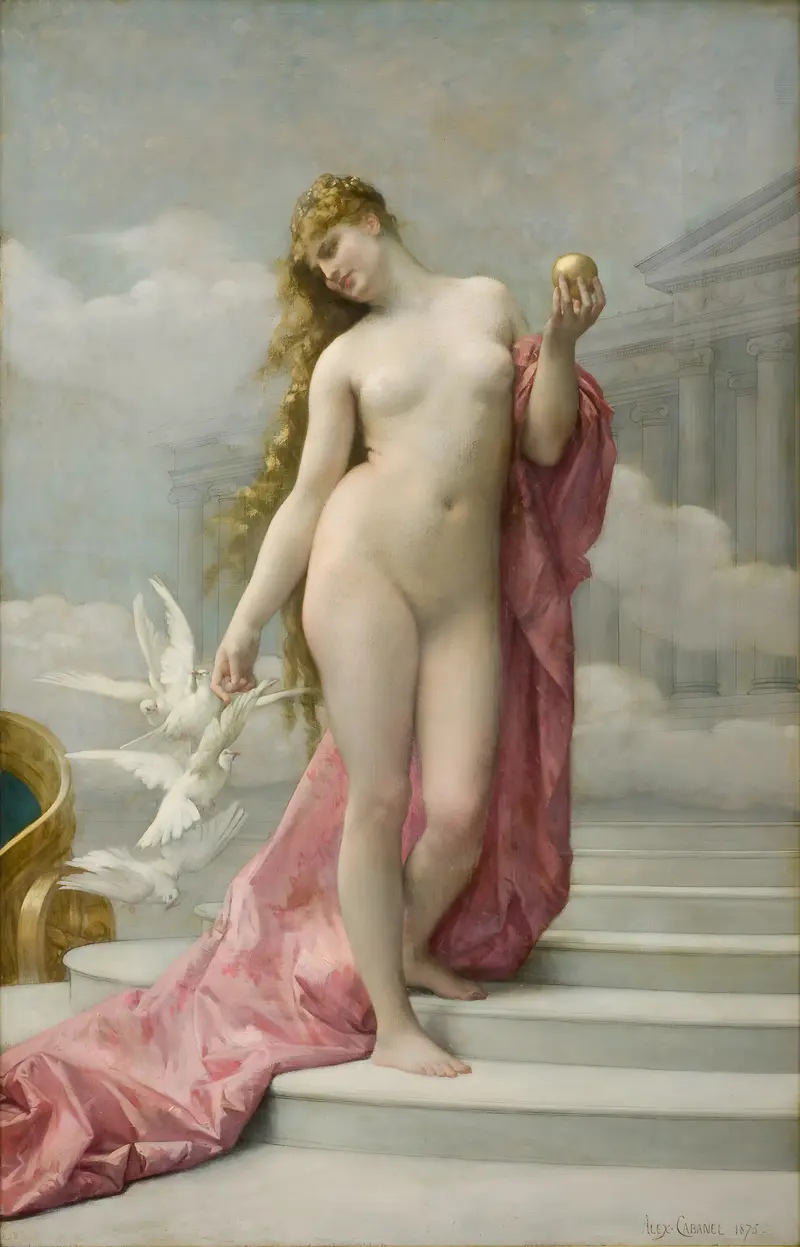
Vénus victorieuse
Alexandre Cabanel
Judith
Alexandre Cabanel
Catharine Lorillard Wolfe (1828–1887)
Alexandre Cabanel





