
The Immaculate Conception — History & Facts
In 1618, a young Diego Velázquez—not yet twenty—painted The Immaculate Conception, marking one of his earliest known forays into religious art. What makes this work remarkable is that it stands as the only surviving treatment of this subject by Velázquez, painted while he was still in Seville, before his move to Madrid and the royal court. The painting’s early date places it at the heart of the heated Spanish debates over the doctrine of the Immaculate Conception, which would not be officially recognized by the Catholic Church until 1854.
In Seville, fervor for the Virgin’s purity ran high, and the city’s artists and patrons vied to create images that would inspire devotion and civic pride. Velázquez chooses the moment of the Virgin Mary’s spiritual elevation, presenting her as the untouched vessel chosen by God. She stands, hands joined in prayer, upon a crescent moon, surrounded by cherubs who bear lilies and roses—symbols of her purity and love. The blue mantle and white robe, traditional in depictions of the Immaculate Conception, are rendered with a naturalism that distinguishes Velázquez from contemporaries like Francisco Pacheco, his teacher, whose own versions are more ornate and static.
The softly modeled face and the gentle fall of light across Mary’s features signal Velázquez’s early interest in realism, already setting him apart from the idealized figures of the Baroque. The exact patron of The Immaculate Conception remains uncertain, but it was likely commissioned for a Sevillian church or confraternity devoted to the Virgin. Over the centuries, the painting has been overshadowed by Velázquez’s later court portraits, and its attribution has at times been questioned due to its youthful style and the lack of documentation from the artist’s early years. Today, it is recognized as a key work in understanding Velázquez’s development, bridging his apprenticeship in Seville and his mature masterpieces in Madrid.
The painting now hangs in the Museo del Prado, a testament to the beginnings of a career that would redefine Spanish painting.
More Artworks by Diego Velázquez

Las Meninas
Diego Velázquez
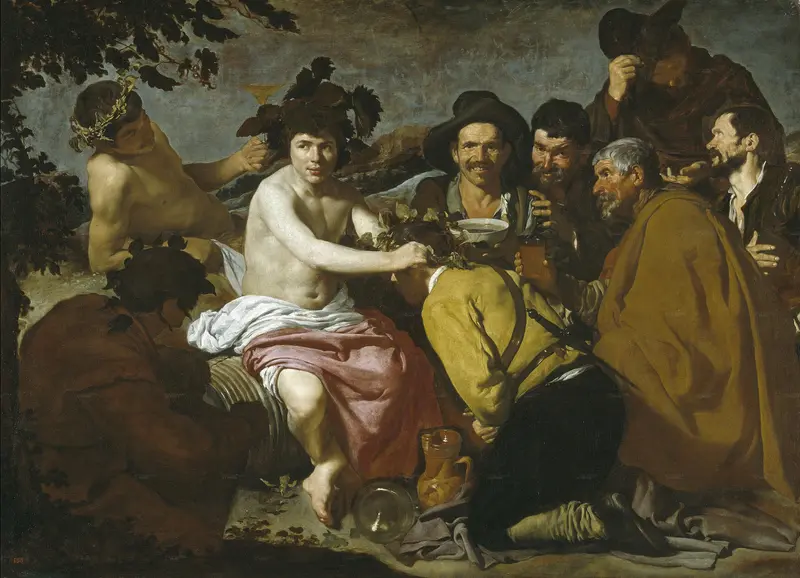
The Triumph of Bacchus
Diego Velázquez
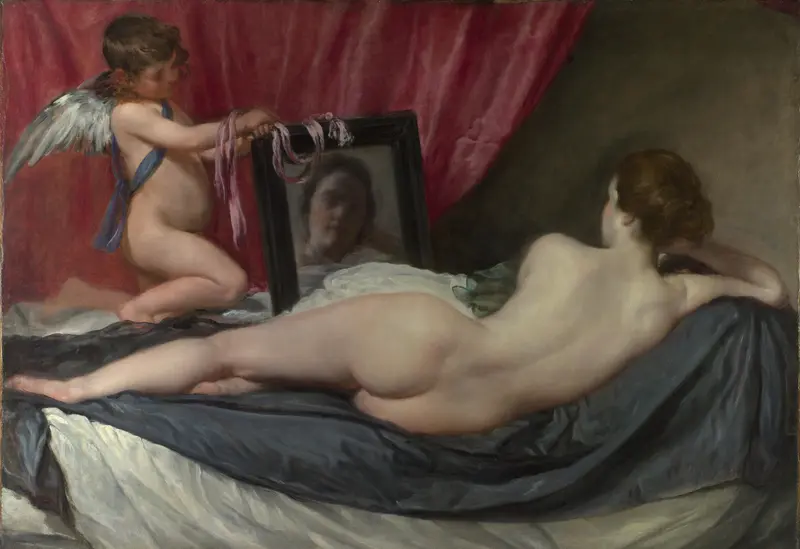
Rokeby Venus
Diego Velázquez
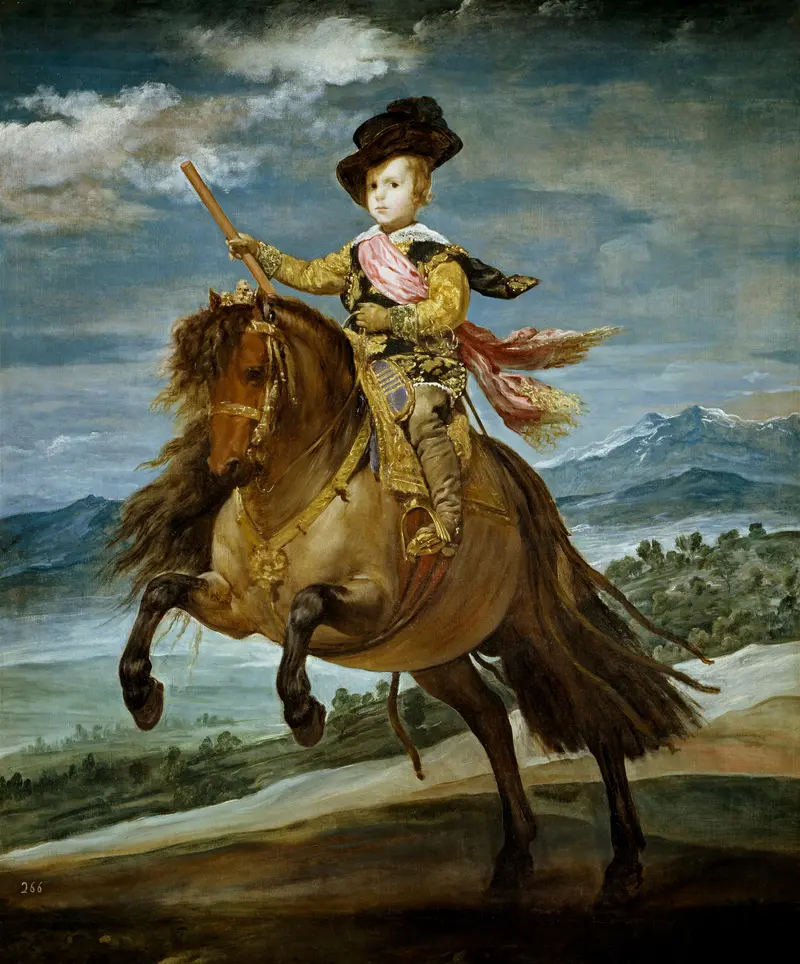
Equestrian Portrait of Prince Balthasar Charles
Diego Velázquez
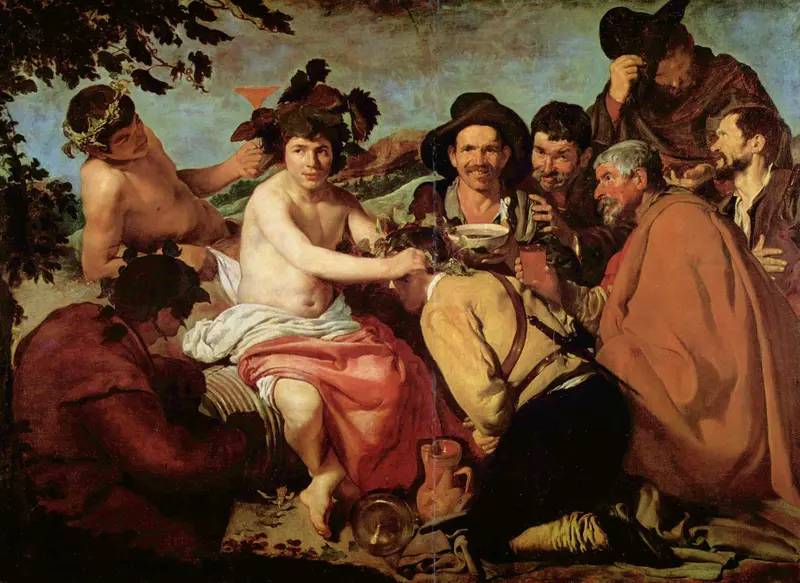
Bacchus
Diego Velázquez
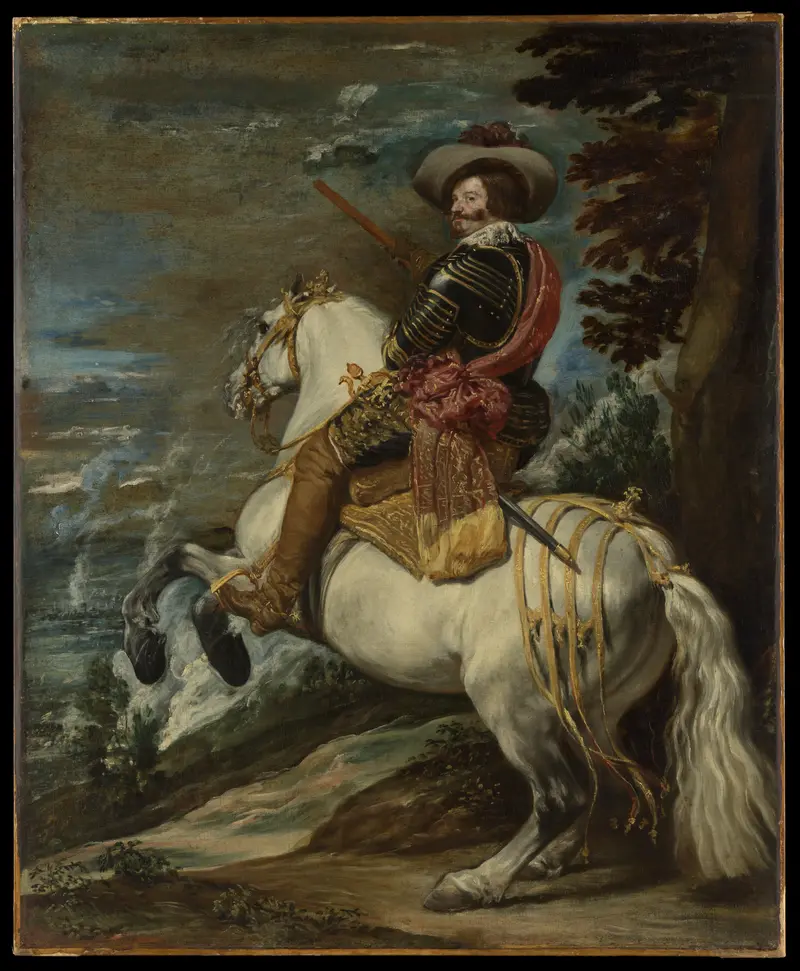
Don Gaspar de Guzmán (1587–1645), Count-Duke of Olivares
Diego Velázquez
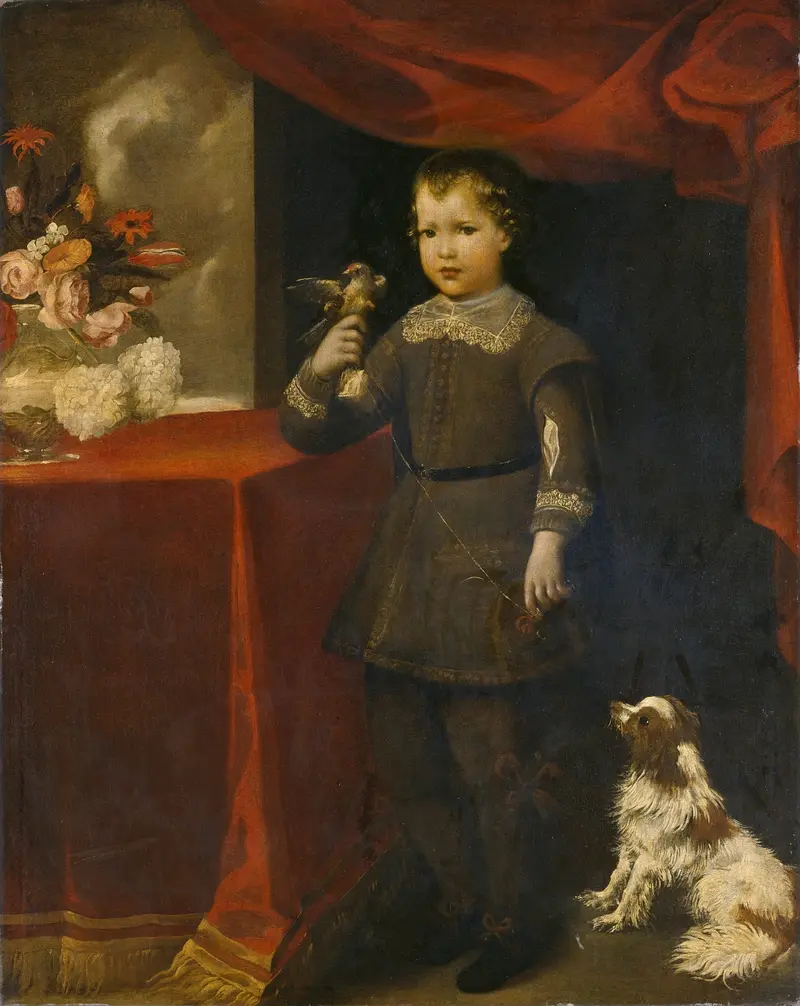
El príncipe Baltasar Carlos de Austria
Diego Velázquez
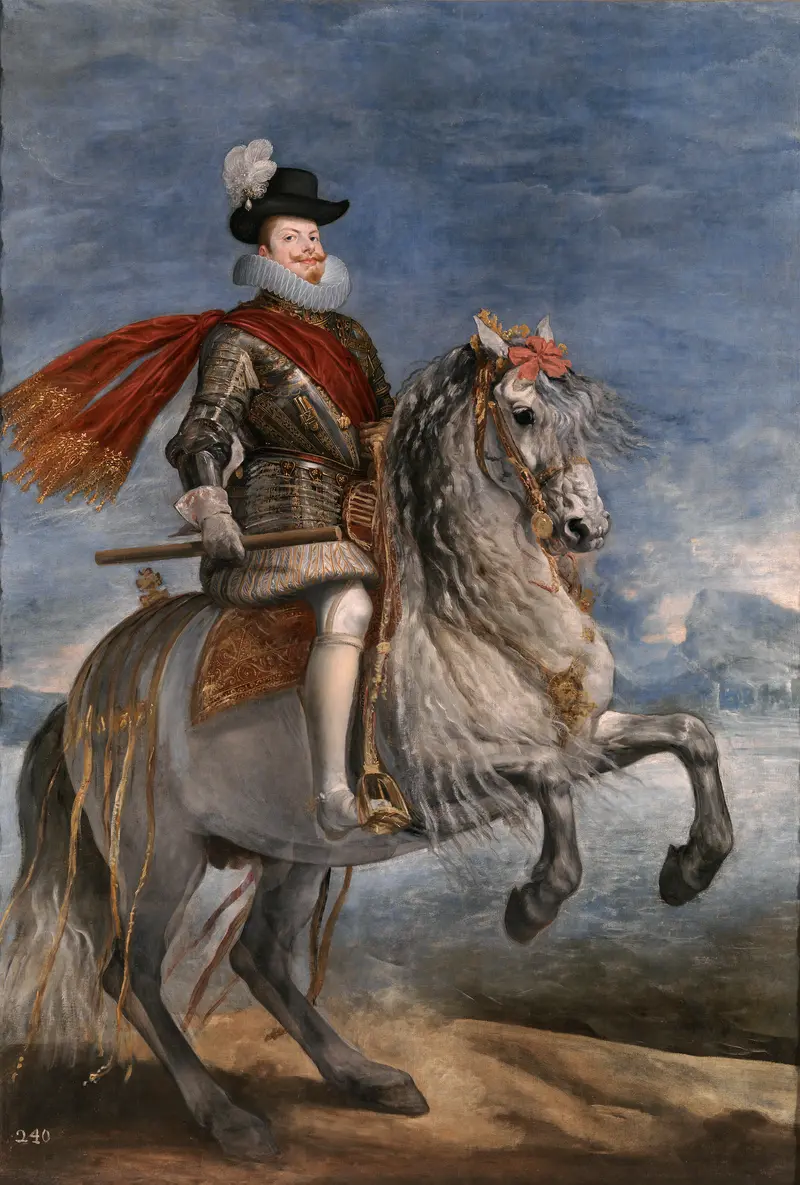
Equestrian Portrait of Philip III
Diego Velázquez
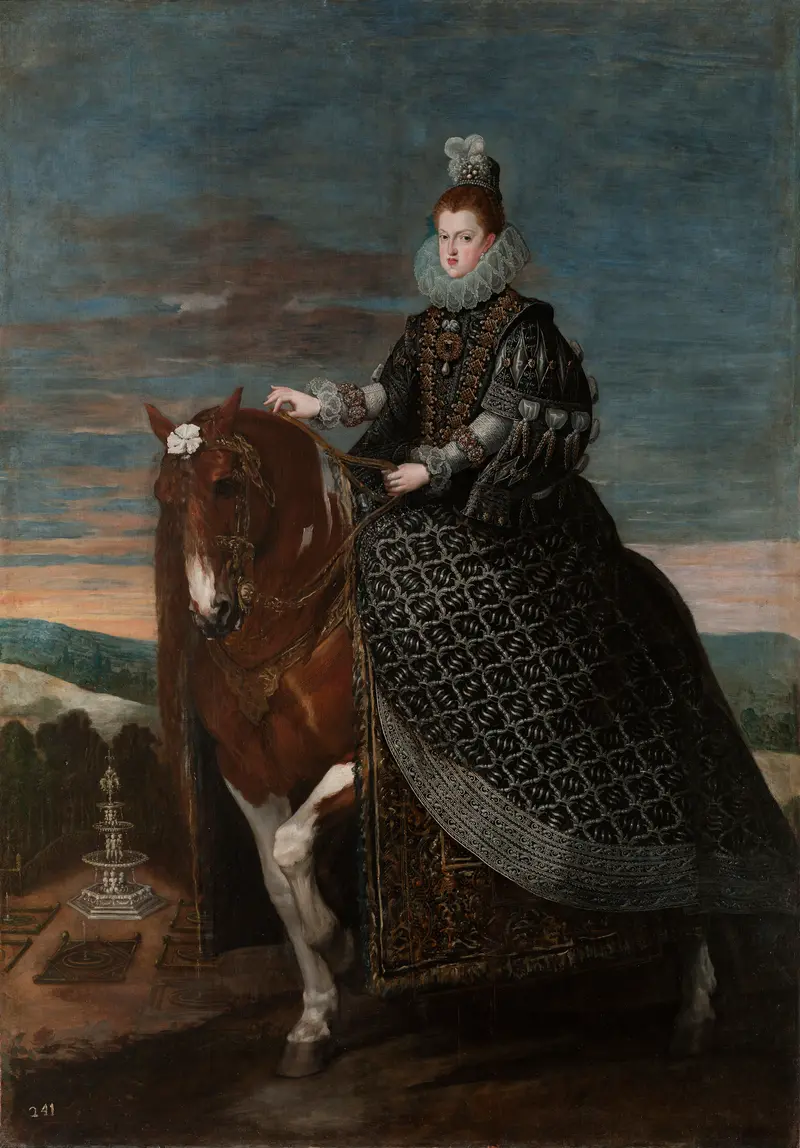
Equestrian Portrait of Margarita of Austria
Diego Velázquez
Las Hilanderas
Diego Velázquez





