
The Infant Bacchus — History & Facts
No other known painting by Giovanni Bellini has sparked as much debate among scholars as The Infant Bacchus. For centuries, its attribution wavered between Bellini and his Venetian contemporaries, due to its unusual subject and the youthful god’s almost sculptural presence. The painting’s date, 1514, places it at the very end of Bellini’s long career, a time when the artist was experimenting with mythological themes rare in his earlier, mostly religious oeuvre.
This late foray into pagan imagery has led some to wonder whether it was a private commission for a humanist patron, eager to display both learning and taste. At the center of the composition, the infant Bacchus stands nude, a plump child with a knowing gaze, his hand lightly gripping a cluster of grapes—a symbol of the god’s future dominion over wine and ecstasy. The painter captures a moment of ambiguous transition: Bacchus is still a child, but the fruit and the faint flush on his cheeks hint at the adult revelry to come. The background, softly rendered, suggests a Mediterranean landscape, while the play of light across the child’s rounded limbs recalls Bellini’s earlier Madonnas, yet here the sacred is replaced by the mythic.
Unlike the wild, drunken Bacchus of Titian’s later works, Bellini’s god is contemplative, almost serene, inviting the viewer to ponder innocence on the verge of transformation. The painting’s early history remains obscure; no records of its original patron or location survive, and its medium is still debated among experts. By the 19th century, The Infant Bacchus had entered a prominent European collection, where its attribution was hotly contested until technical analysis in the 20th century affirmed Bellini’s hand. Today, it stands as a rare example of Venetian mythological painting from the artist’s final years, marking his engagement with the classical revival that swept through Venice in the early 1500s.
Its survival and recognition offer a glimpse into both the shifting tastes of collectors and the enduring fascination with the boundary between childhood and divinity.
More Artworks by Giovanni Bellini
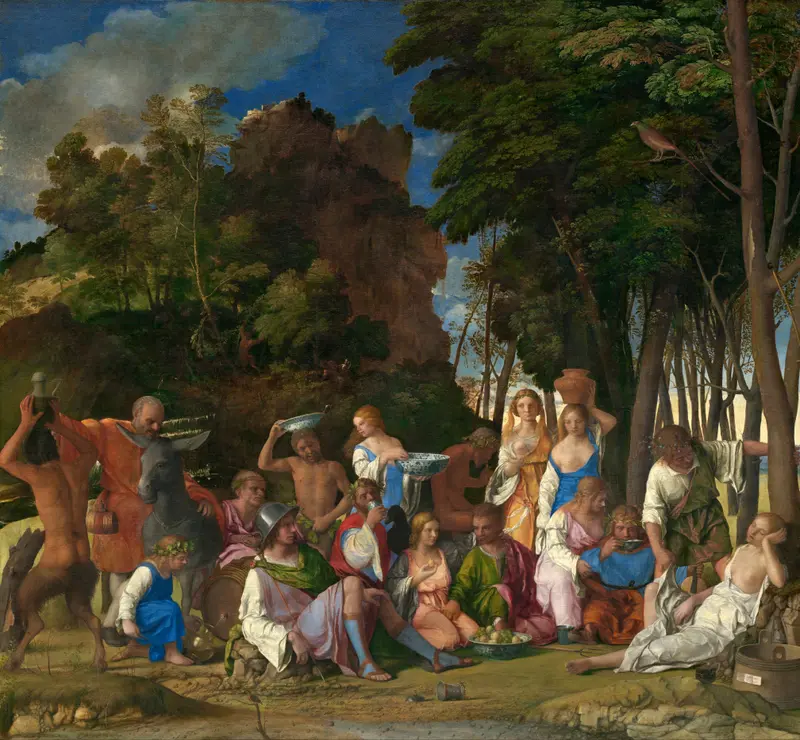
The Feast of the Gods
Giovanni Bellini

Madonna and Child enthroned with Saints and Angels
Giovanni Bellini
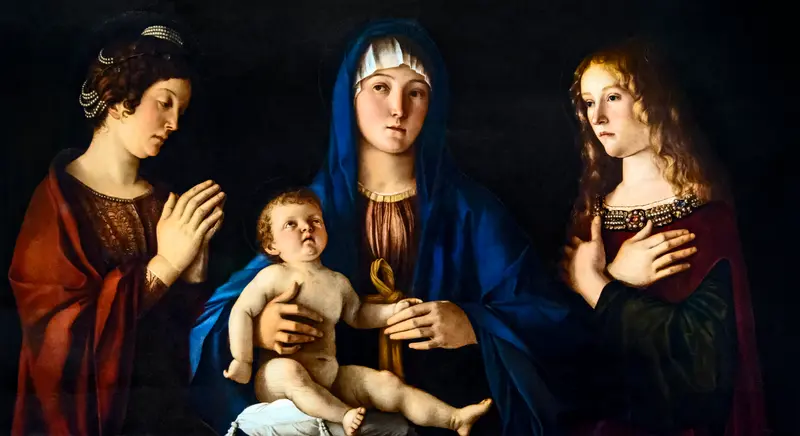
Madonna and Child between Saints Catherine and Mary Magdalene
Giovanni Bellini
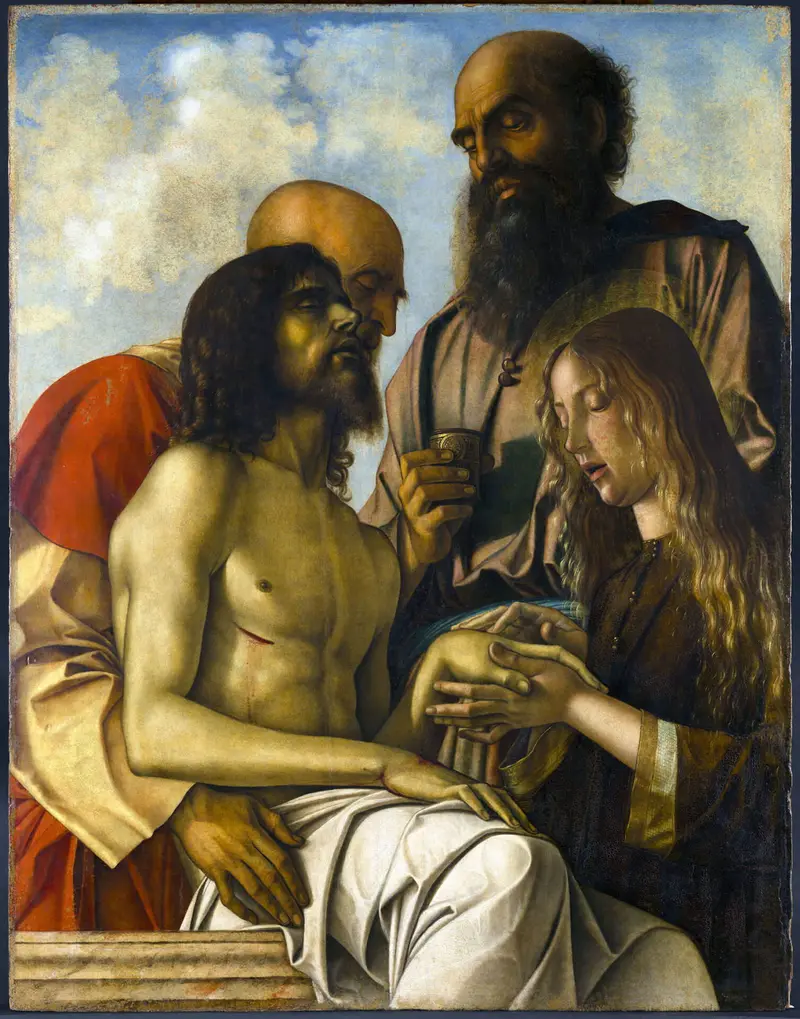
Lamentation over the Dead Christ
Giovanni Bellini
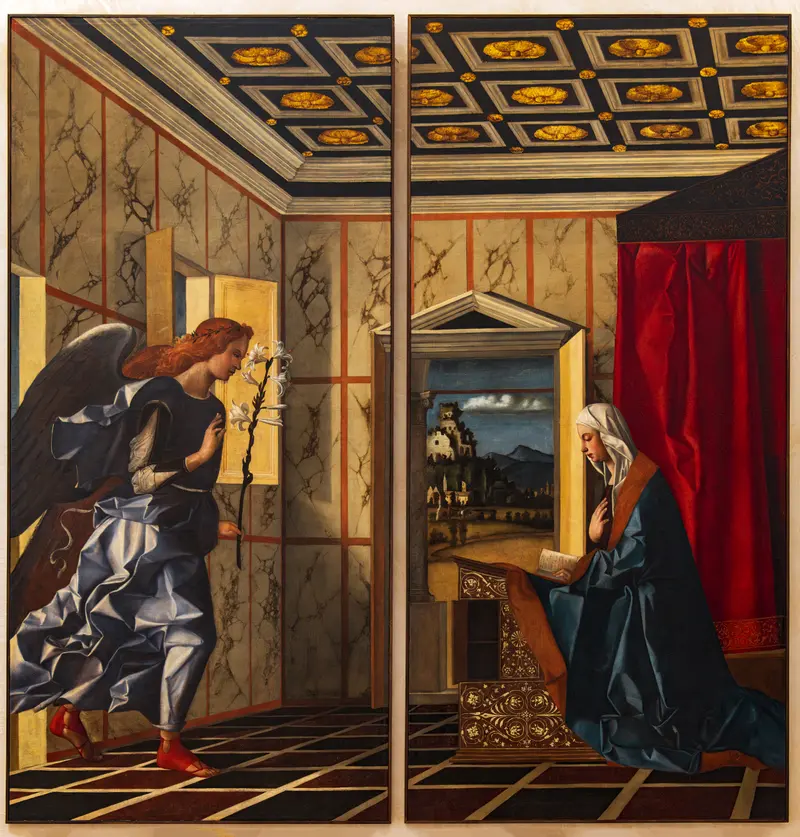
Annunciation
Giovanni Bellini
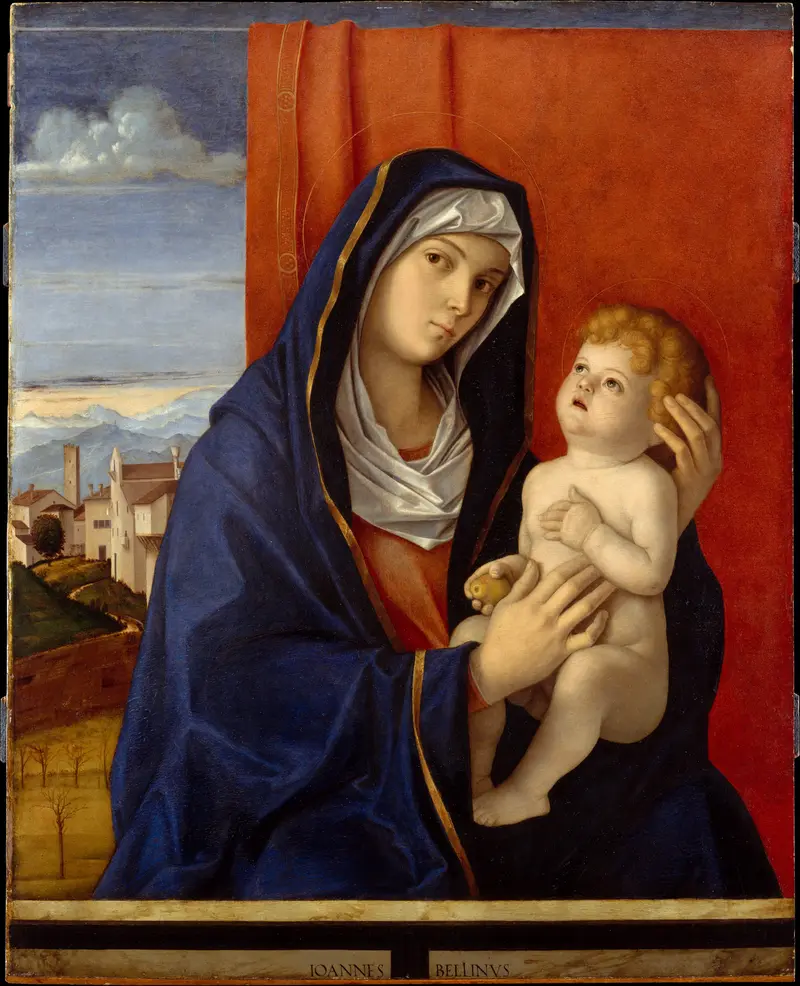
Madonna and Child
Giovanni Bellini
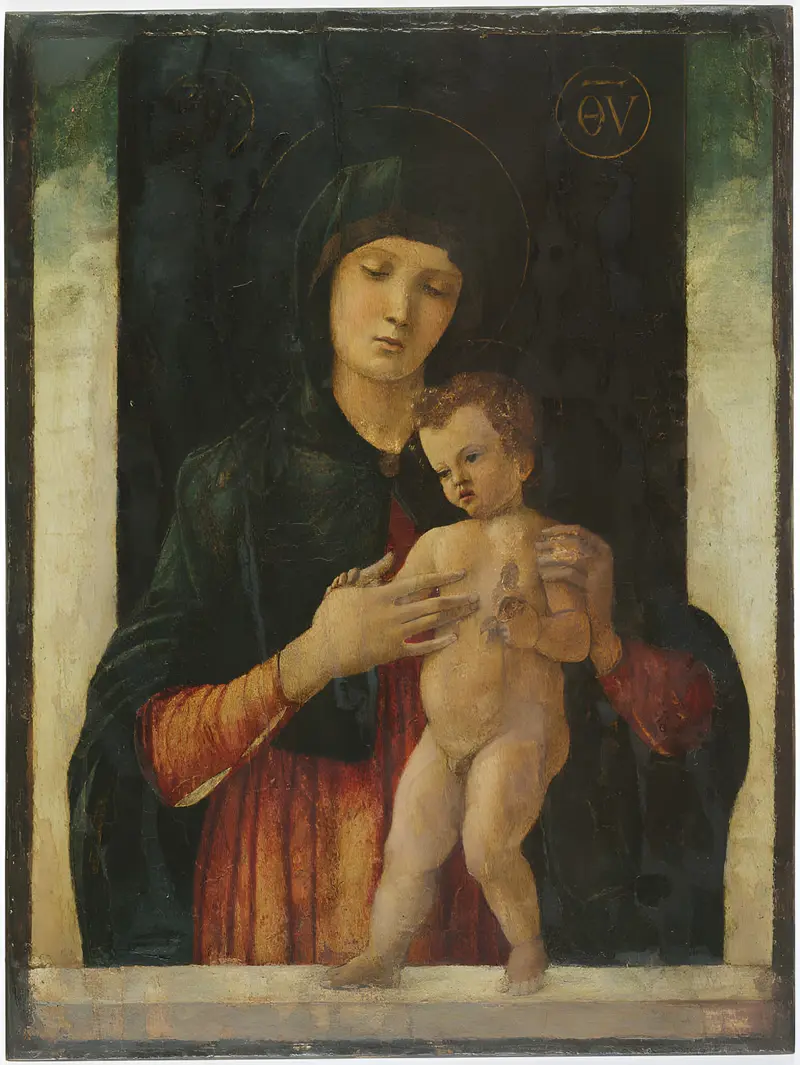
The Virgin and Child
Giovanni Bellini
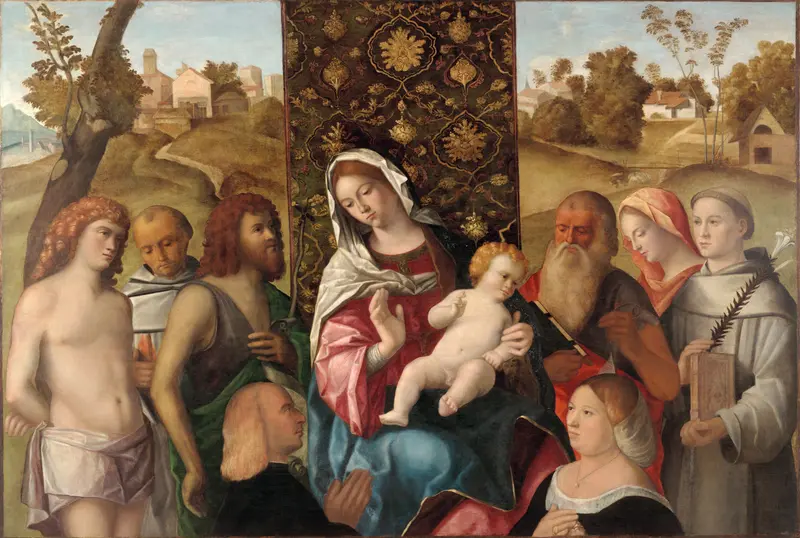
Virgin and Child with Saints Sebastian, Francis, John the Baptist, Jerome, an unidentified female saint, Saint Anthony of Padua and two donors
Giovanni Bellini
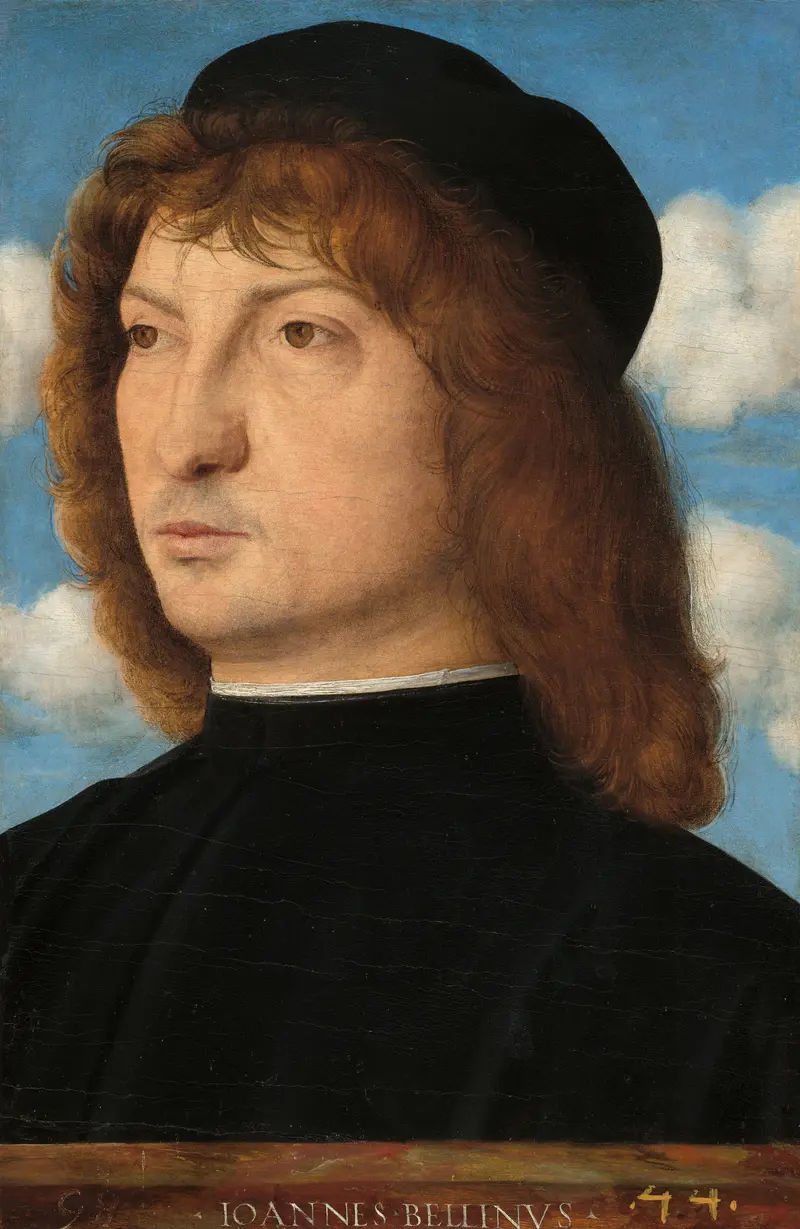
Portrait of a Venetian Gentleman
Giovanni Bellini
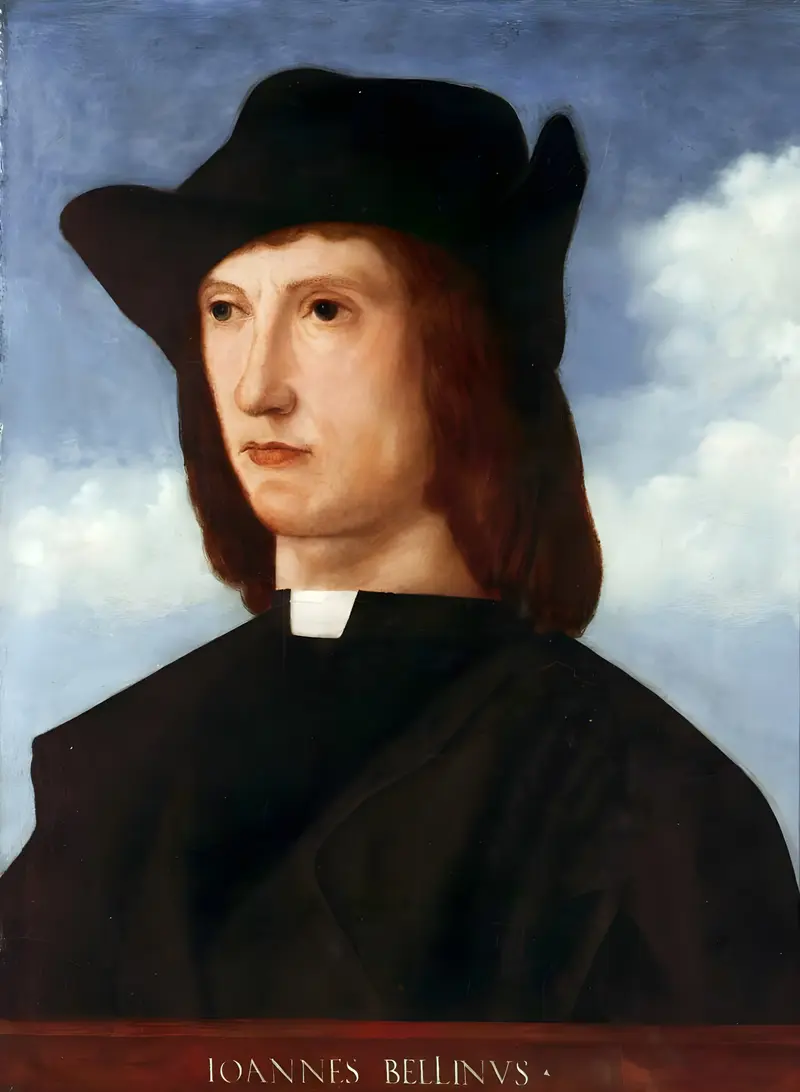
Portrait of a Young Man
Giovanni Bellini





