
The Just Judges — History & Facts
Few missing masterpieces have stirred as much intrigue as The Just Judges by Jan van Eyck, a panel stolen in 1934 from Saint Bavo's Cathedral in Ghent and never recovered. The theft, which occurred in the early hours of April 10, left behind a ransom note and a trail of speculation that continues to this day. Despite exhaustive searches, the original panel remains lost, replaced in the Ghent Altarpiece by a careful copy.
The mystery of its disappearance has made The Just Judges one of the most sought-after missing artworks in the world, inspiring novels, investigations, and countless theories. In the scene, a procession of noblemen rides solemnly through a landscape, their faces rendered with Jan van Eyck's signature precision. These are the righteous magistrates of legend, their calm expressions and upright postures embodying the ideal of justice. Each judge is individualized, some believed to be portraits of contemporary figures, possibly even the artist himself.
The horses, richly caparisoned, and the luminous landscape behind them, signal both earthly authority and divine order. Unlike the more dramatic depictions of judgment in works by later artists such as Hieronymus Bosch, van Eyck chooses a moment of dignified arrival, focusing on the moral weight of the judges' presence rather than the spectacle of judgment itself. Commissioned as part of the monumental Ghent Altarpiece for the cathedral of Saint Bavo, The Just Judges originally formed the lower left panel of the polyptych. Its loss in 1934 was a blow not only to the altarpiece but to the history of Northern Renaissance art.
The panel's replacement, painted by Jef Van der Veken, still occupies its place, a constant reminder of what is missing. Scholars continue to debate the identities of the judges and the exact symbolism of the scene, but all agree on its importance within van Eyck's oeuvre. Today, the search for the original panel endures, and its absence has only heightened the fascination with both the artwork and its elusive fate.
More Artworks by Jan van Eyck

Adam
Jan van Eyck
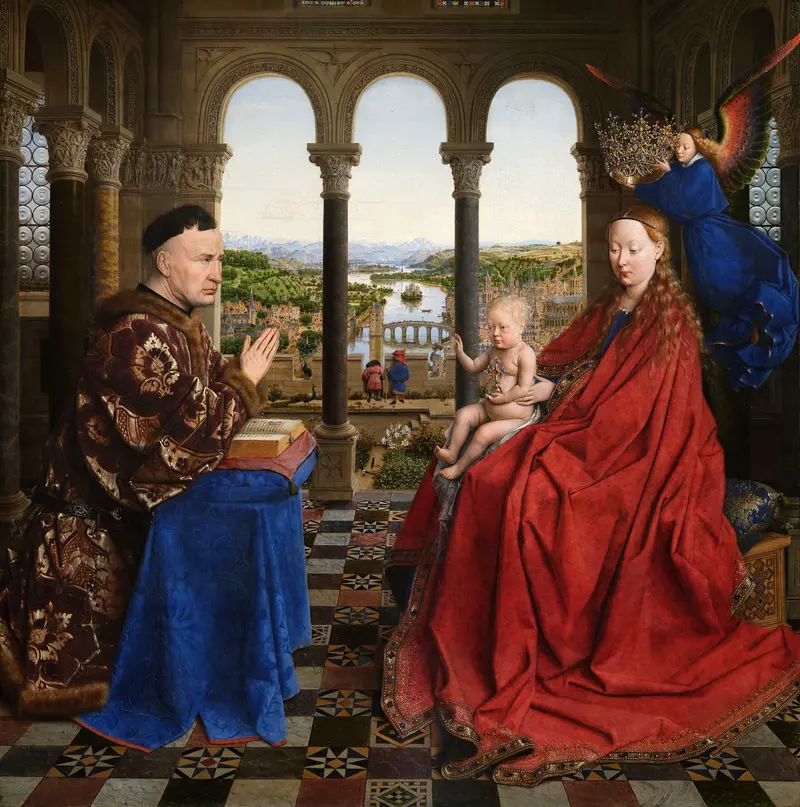
Madonna of Chancellor Rolin
Jan van Eyck
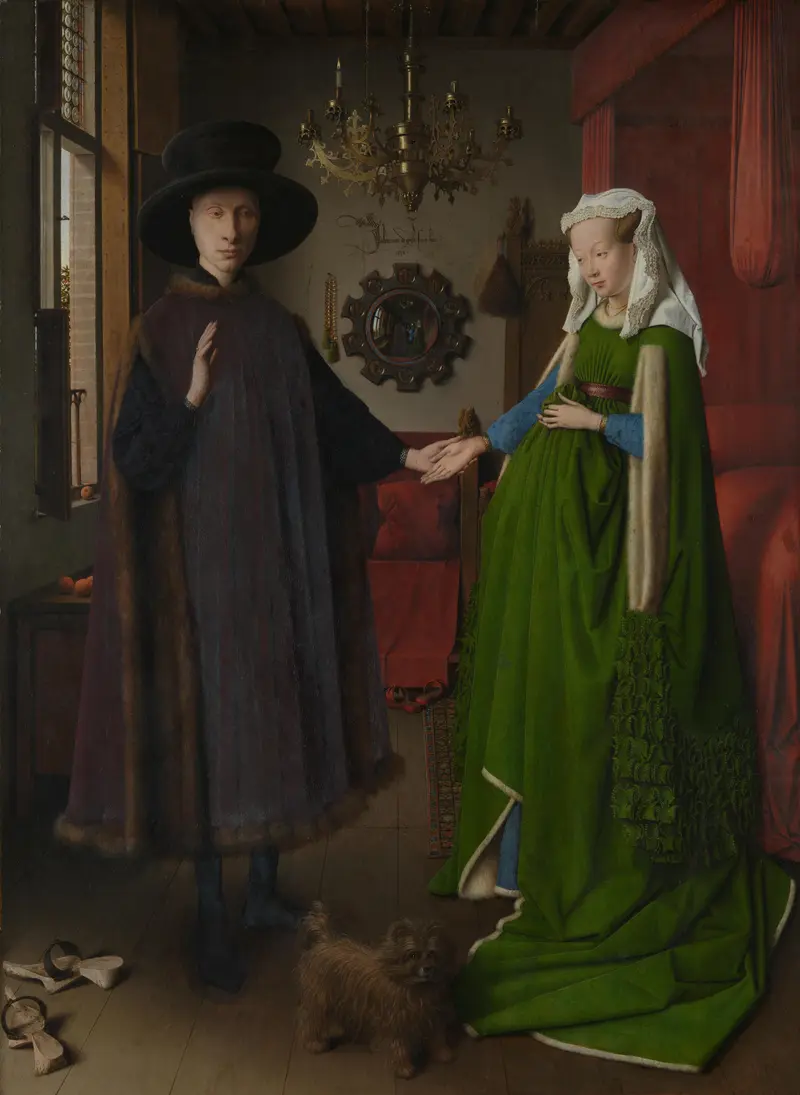
The Arnolfini Portrait
Jan van Eyck
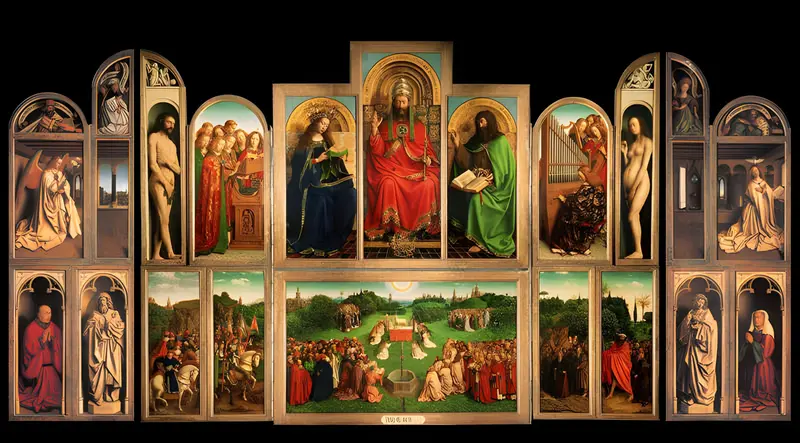
Ghent Altarpiece
Jan van Eyck

Dresden Triptych
Jan van Eyck
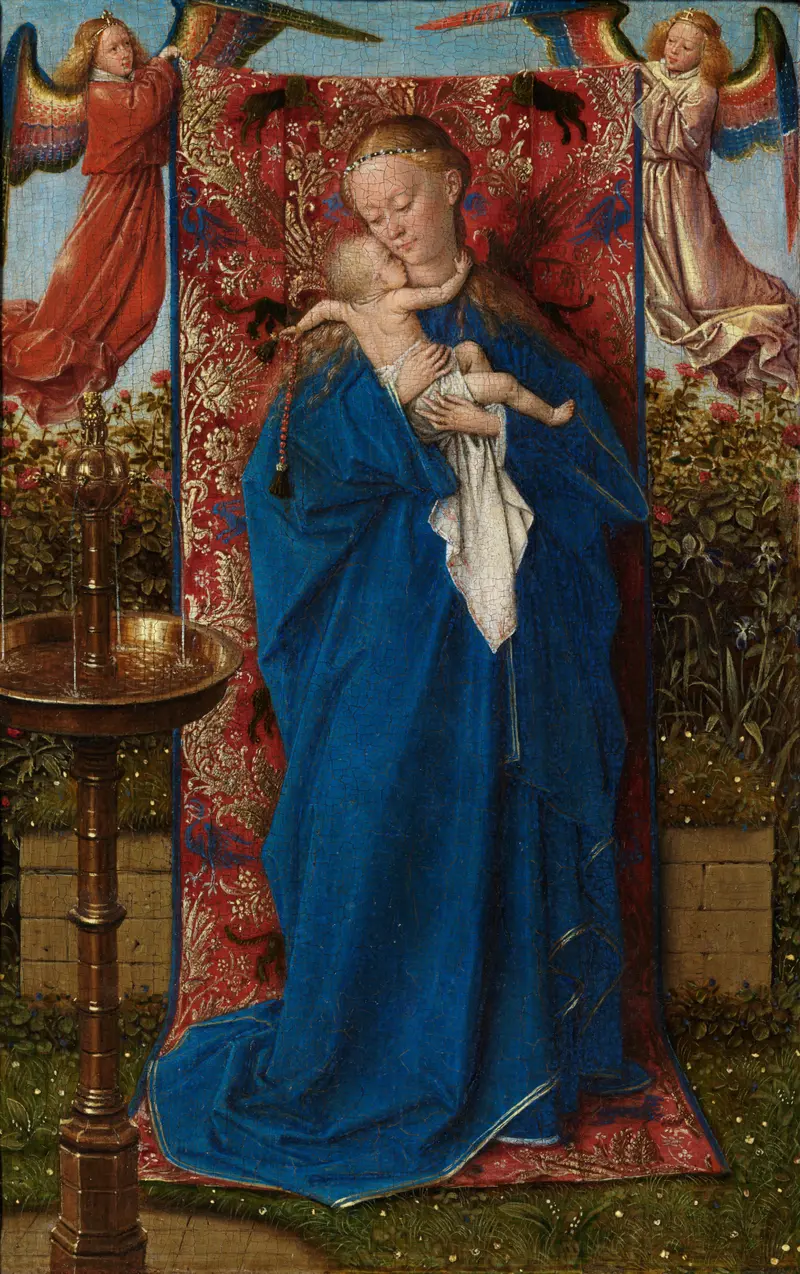
Madonna at the Fountain
Jan van Eyck

Madonna with Canon Joris van der Paele
Jan van Eyck

Prophet Zacharias; Angel of The Annunciation
Jan van Eyck
Portrait of a Man (Self Portrait?)
Jan van Eyck
Adoration of the Lamb from the Ghent Altarpiece
Jan van Eyck





