
The Liqueur Drinkers — History & Facts
Few paintings by Gustave Van de Woestijne have sparked as much speculation as The Liqueur Drinkers. The precise date and circumstances of its creation remain uncertain, and no definitive commission or exhibition record has surfaced. This mystery has only deepened the painting’s allure, with scholars intrigued by its ambiguous atmosphere and the way it bridges the artist’s Symbolist roots and his later, more realist tendencies.
Some have even debated whether the work is a social commentary or a personal meditation, given Van de Woestijne’s lifelong fascination with the rituals of rural Flemish life. In The Liqueur Drinkers, Van de Woestijne captures a moment suspended between camaraderie and introspection. Two figures, their faces flushed and eyes lowered, sit close together at a table, the greenish glow of the liqueur in their glasses mirrored in the pallor of their skin. The heavy, almost sculptural rendering of their hands and the somber palette recall the psychological intensity of Jean-François Millet’s peasant scenes, but Van de Woestijne’s approach is more intimate, focusing on the silent exchange between the drinkers rather than on narrative action.
The bottle at the center, half-empty, becomes a silent witness to their communion and isolation, while the shadowy background hints at the world outside their private ritual. The painting’s journey through history is as enigmatic as its subject. With no known patron or early provenance, The Liqueur Drinkers has often been discussed in the context of Van de Woestijne’s years in Leuven and his association with the Latem School. It has surfaced in several exhibitions of Belgian modernism, where it is typically grouped with works exploring rural life and the psychology of everyday rituals.
Today, the painting stands as a testament to Van de Woestijne’s unique vision—rooted in Symbolism but attentive to the quiet drama of ordinary existence—its physical whereabouts and medium still a subject of research and debate among specialists.
More Artworks by Gustave Van de Woestijne
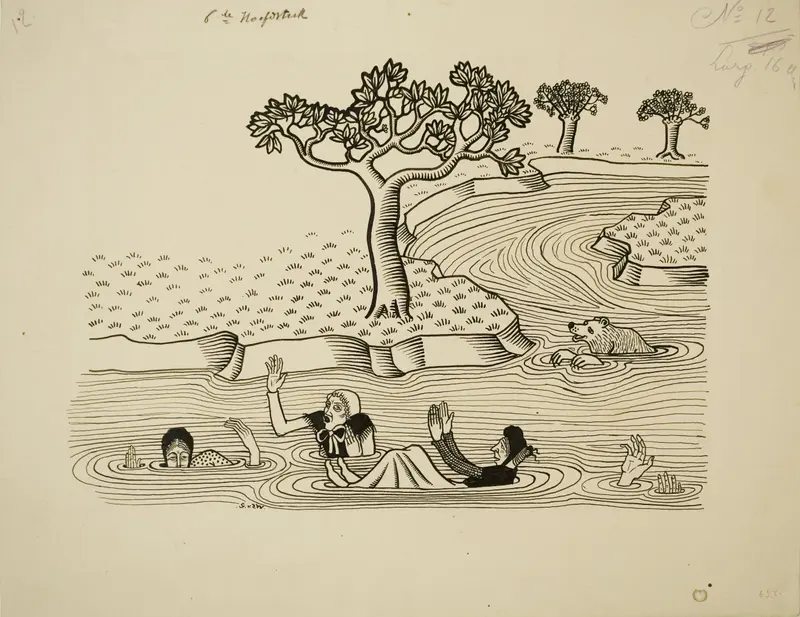
How Brown went out with Reynard where he thought he was eating honey and how he was caught by head and feet and suffered further misfortune
Gustave Van de Woestijne
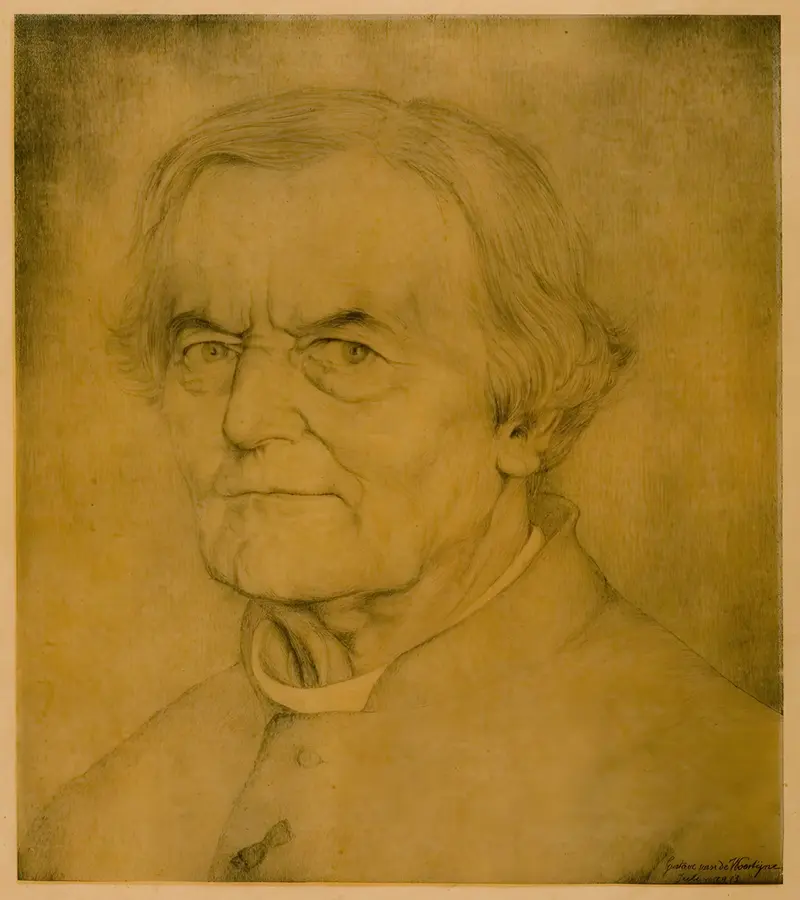
Portrait of Hugo Verriest
Gustave Van de Woestijne
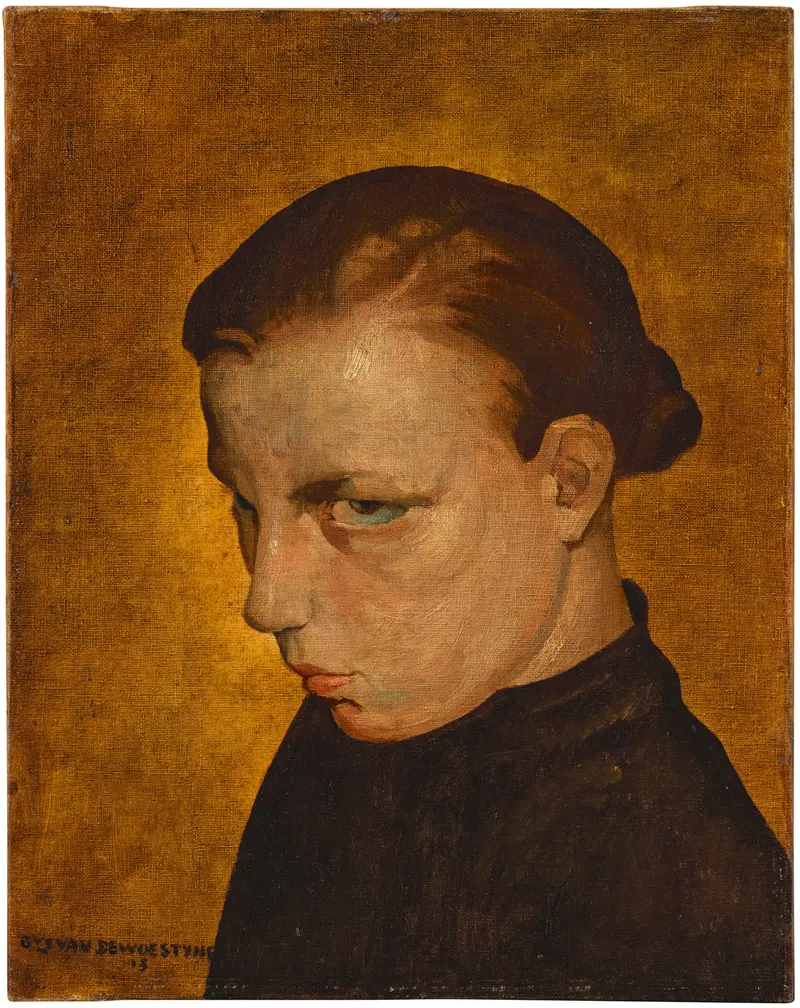
Angèle
Gustave Van de Woestijne
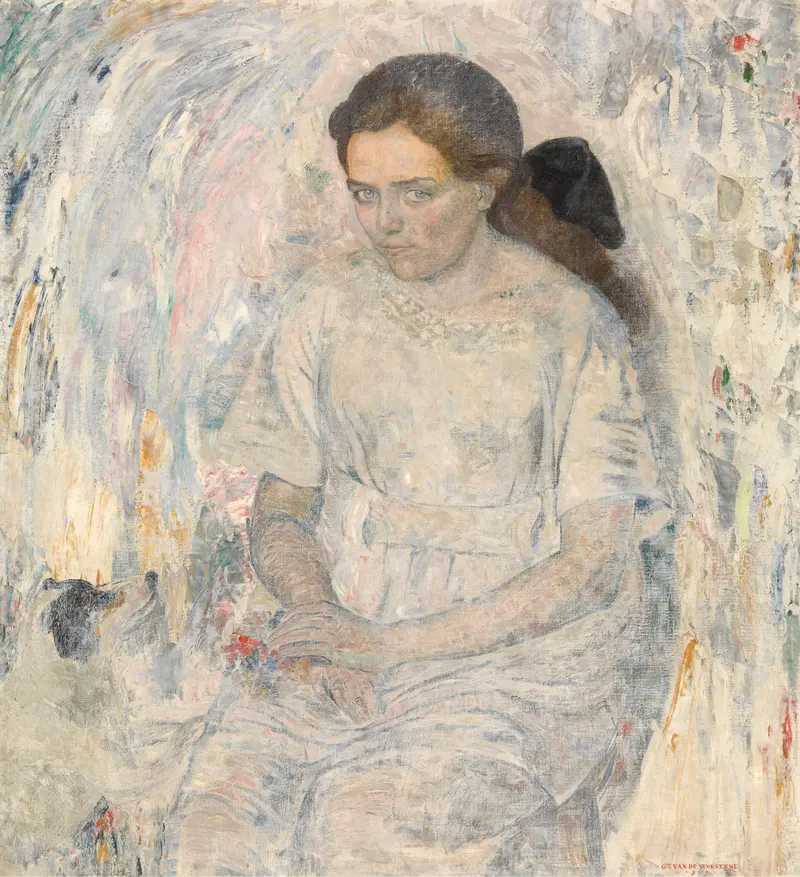
Adrienne
Gustave Van de Woestijne
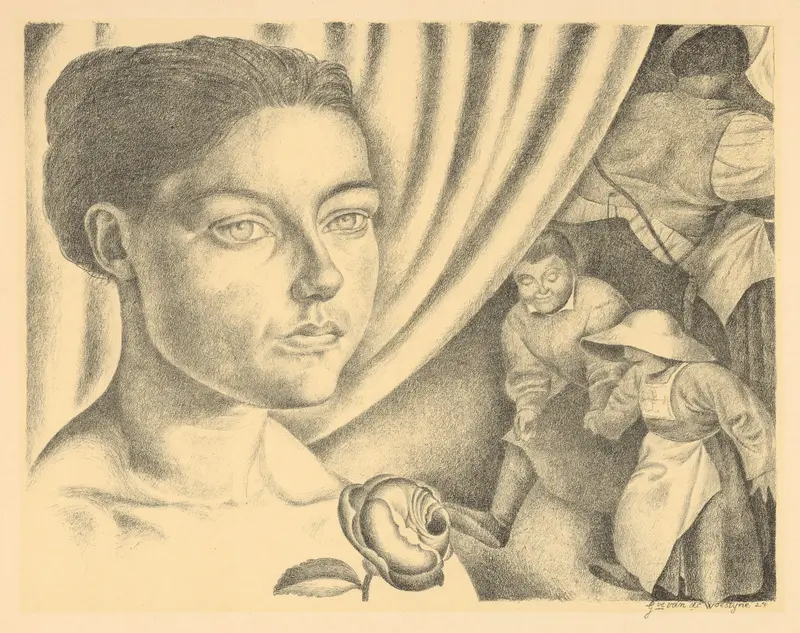
Jeune Femme
Gustave Van de Woestijne
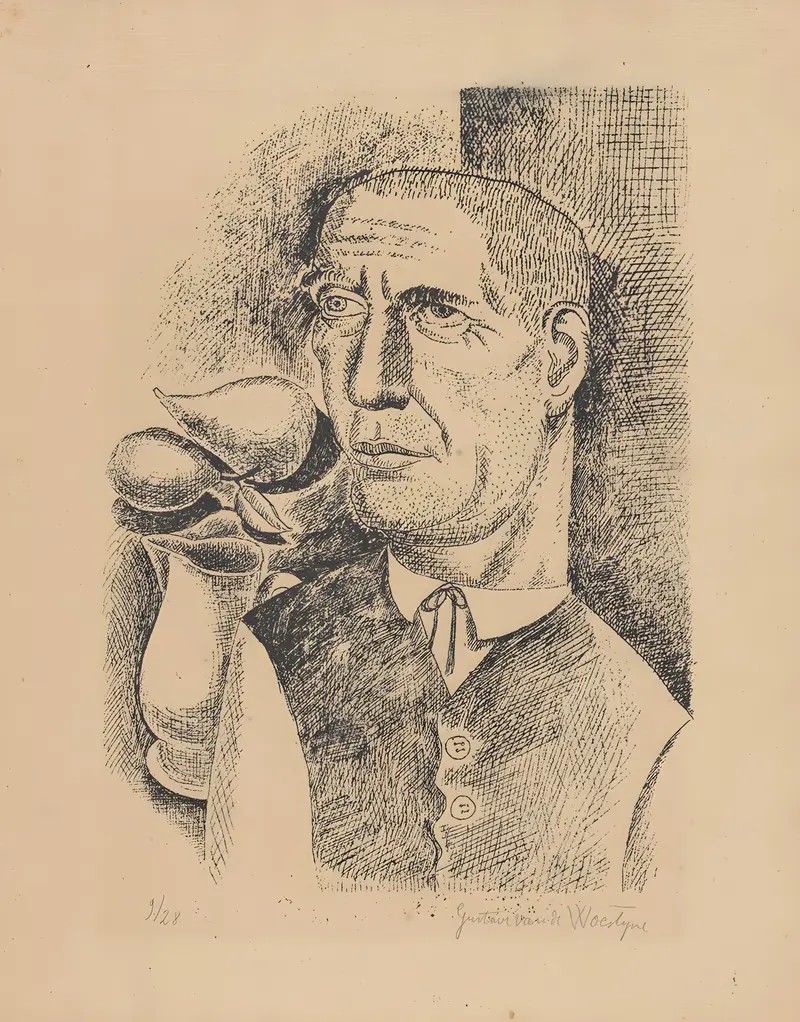
Boer op zijn zondags (Paysan endimanché)
Gustave Van de Woestijne
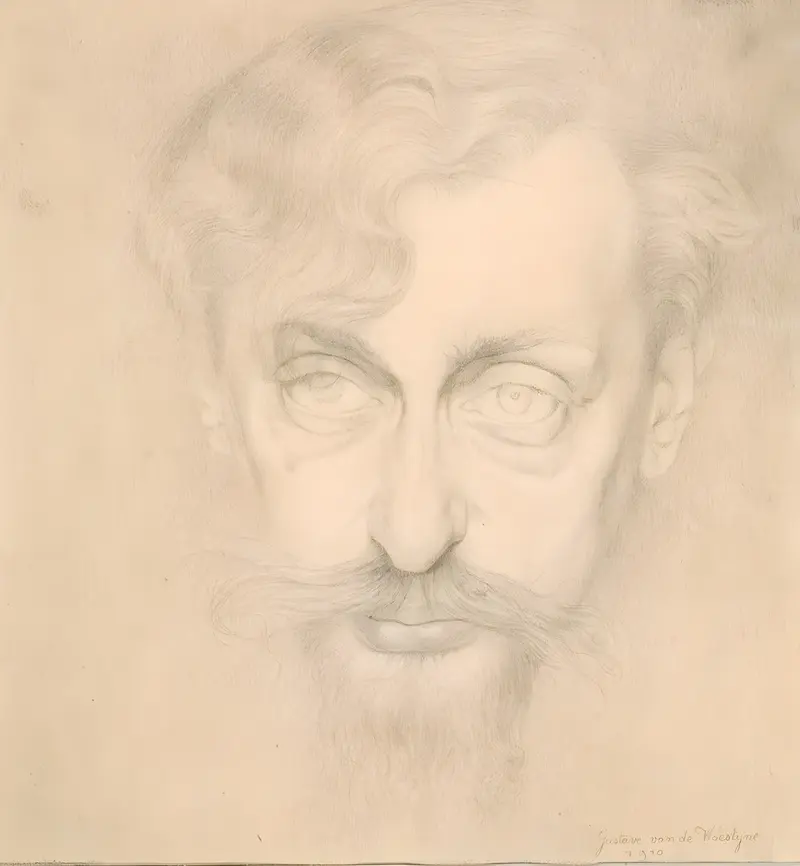
Portrait of the Writer Karel van de Woestijne
Gustave Van de Woestijne
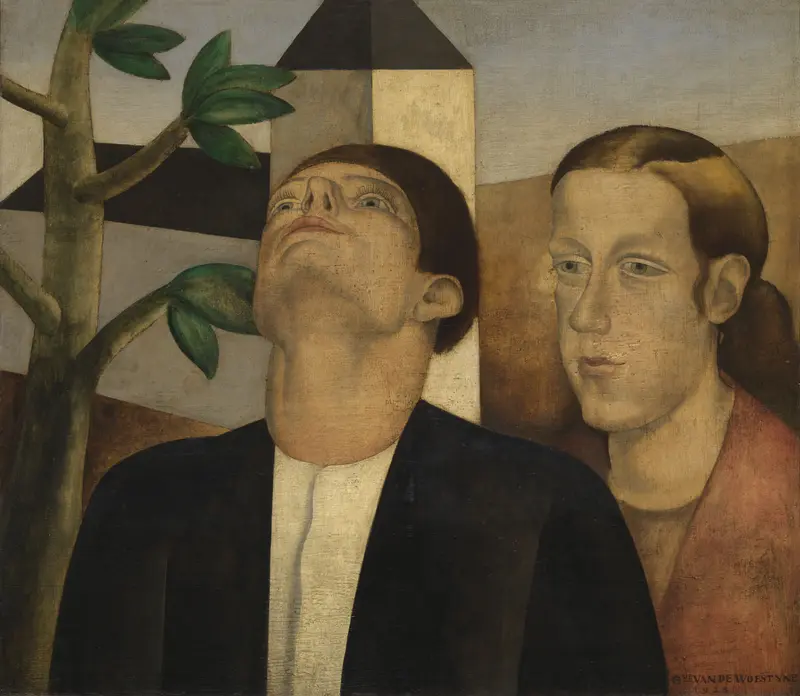
Azure
Gustave Van de Woestijne
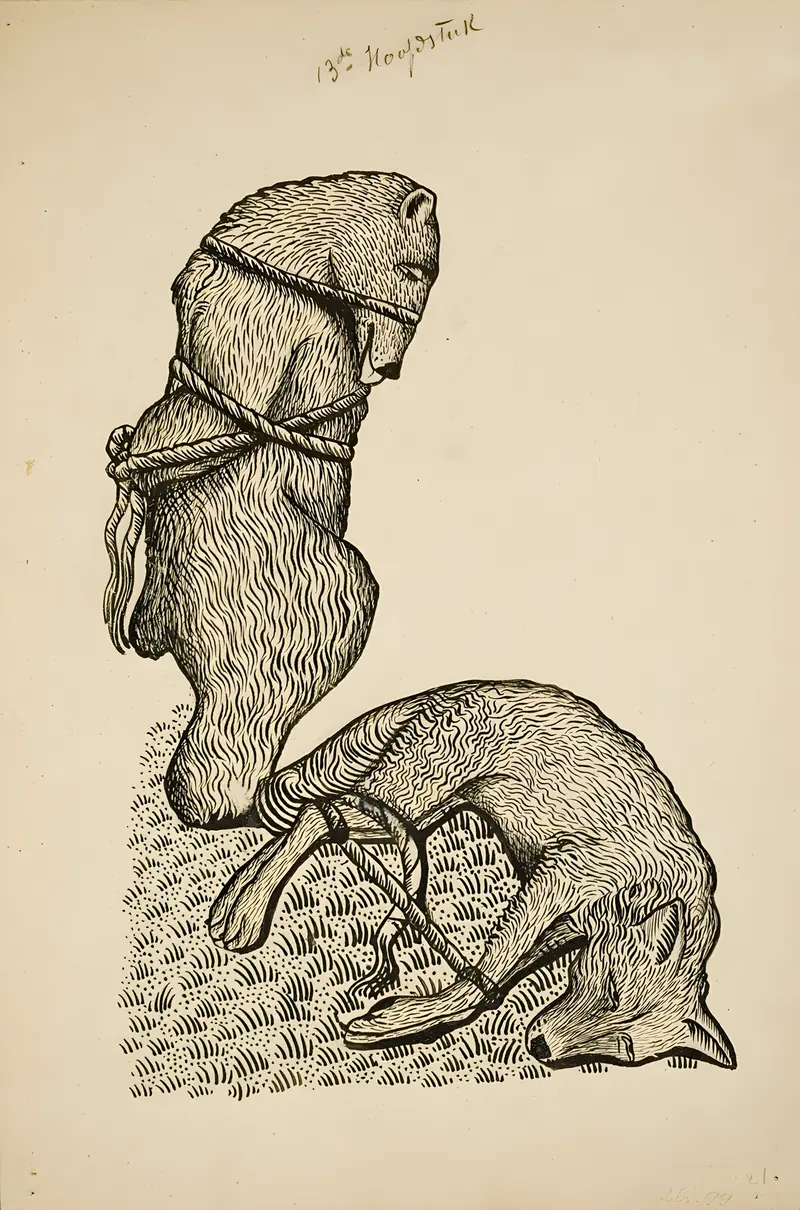
How Reinaert devises a new trick to get free and exterminate his enemies
Gustave Van de Woestijne
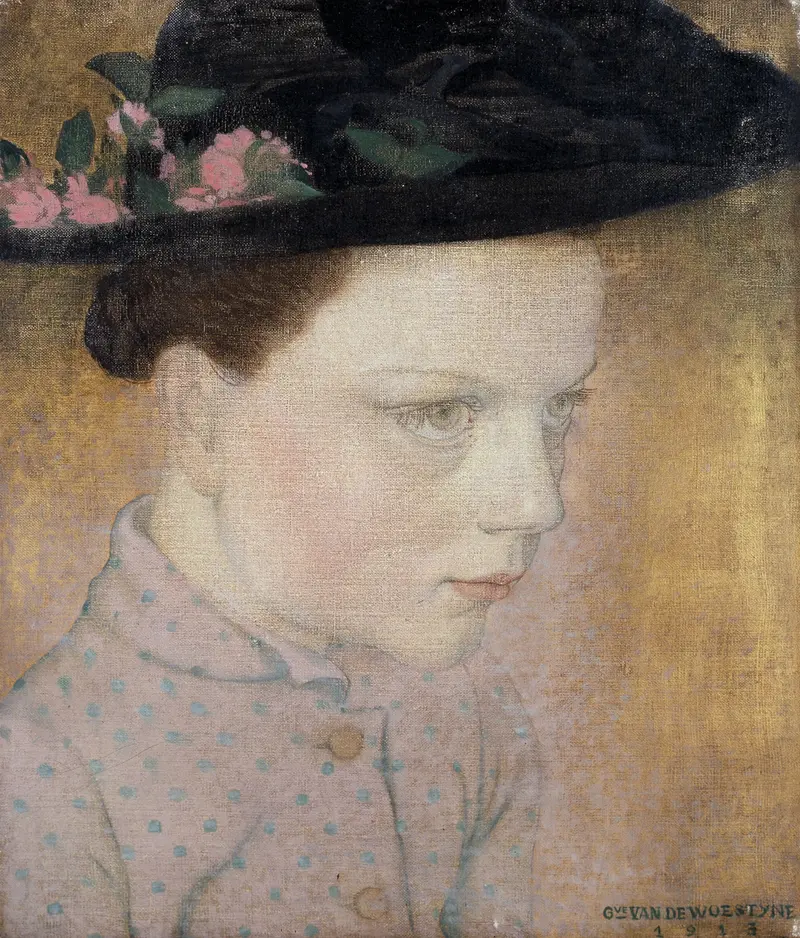
Country Girl
Gustave Van de Woestijne
More Genre Scene Art

Banquet of the Officers of the St George Civic Guard
Frans Hals

Rembrandt and Saskia in the Scene of the Prodigal Son
Rembrandt van Rijn

Bal du moulin de la Galette
Pierre-Auguste Renoir

Quadrille at the Moulin Rouge
Henri de Toulouse-Lautrec

A Burial at Ornans
Gustave Courbet

When Will You Marry?
Paul Gauguin