
The Little Pilgrim — History & Facts
When The Little Pilgrim first appeared in Parisian circles around 1755, it was celebrated as a charming example of Jean-Honoré Fragonard’s early promise—yet the true identity of its youthful subject remains a matter of speculation even today. Some have suggested the work was painted for a private patron, perhaps as a playful nod to the fashionable “sentimental journey” literature of the era, but no commission records have survived. What is certain is that the painting captures the spirit of mid-18th-century France, when the idea of travel—both literal and metaphorical—was becoming a favorite theme among the elite. The scene catches a young figure, cloaked and staff in hand, pausing at the edge of a sunlit path.
The pilgrim’s wide-eyed gaze and tentative step suggest both innocence and curiosity, as if caught between the safety of home and the unknown adventures ahead. Fragonard uses a delicate interplay of light and shadow to highlight the pilgrim’s face, casting the surroundings in a gentle haze that hints at both the dangers and delights of the journey. The staff and simple satchel are traditional symbols of pilgrimage, while the figure’s youthful features set this apart from grander religious depictions, such as those by Murillo, focusing instead on the personal, almost playful, aspect of the journey. The physical history of The Little Pilgrim is less well documented than some of Fragonard’s later works, but it stands as a testament to his formative years, before the exuberant rococo flourishes of his mature style.
Its medium remains uncertain—some suggest oil on canvas, others propose paper or panel—reflecting the experimental spirit of the young artist. Today, the painting is generally attributed to Fragonard based on stylistic grounds, though it has occasionally been confused with the work of his contemporaries. It is now part of a private collection, rarely exhibited, but often cited by scholars as a key example of the artist’s early narrative charm.
More Artworks by Jean-Honoré Fragonard
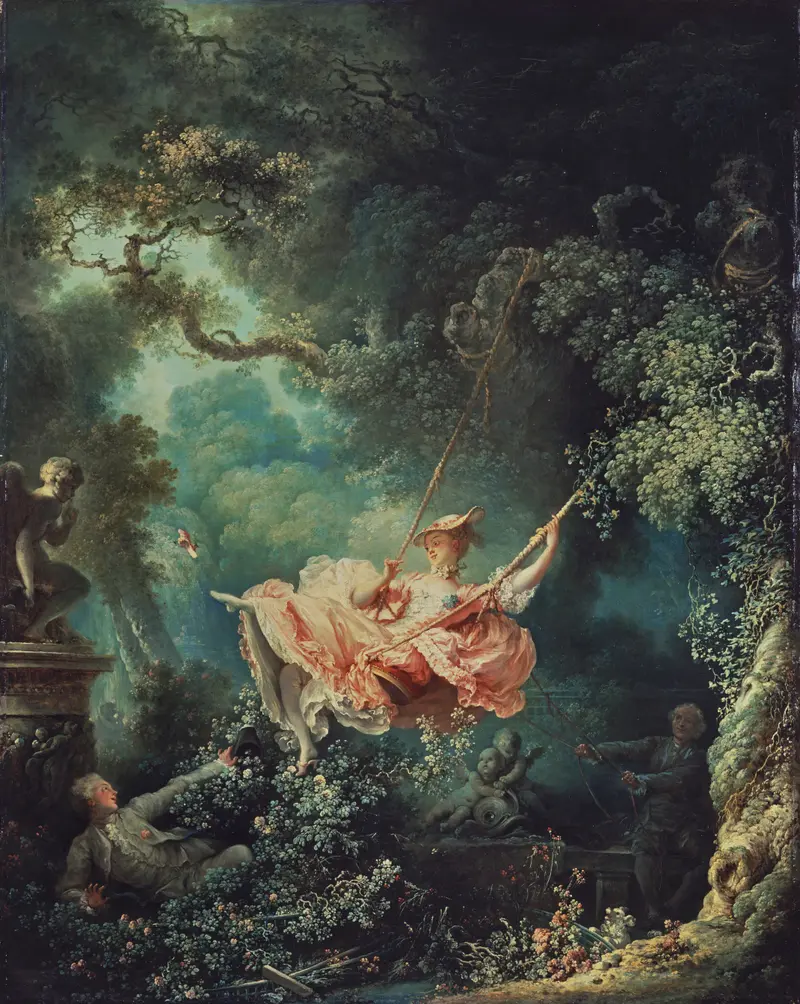
The Swing
Jean-Honoré Fragonard

The Swing
Jean-Honoré Fragonard
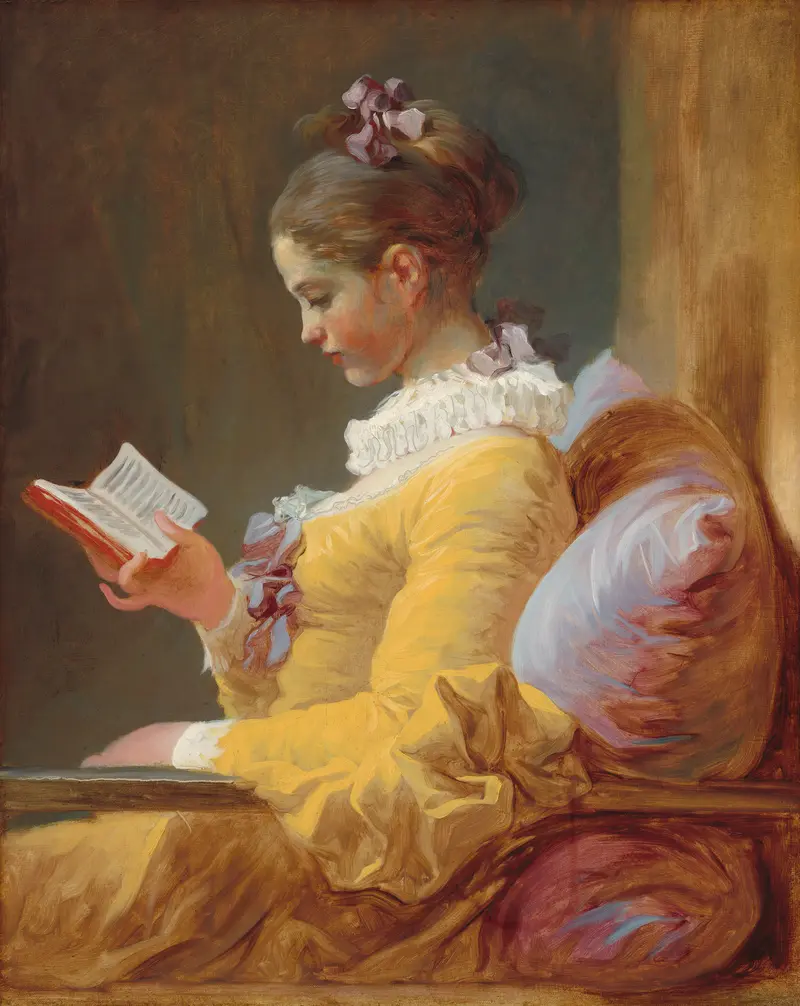
A Young Girl Reading
Jean-Honoré Fragonard
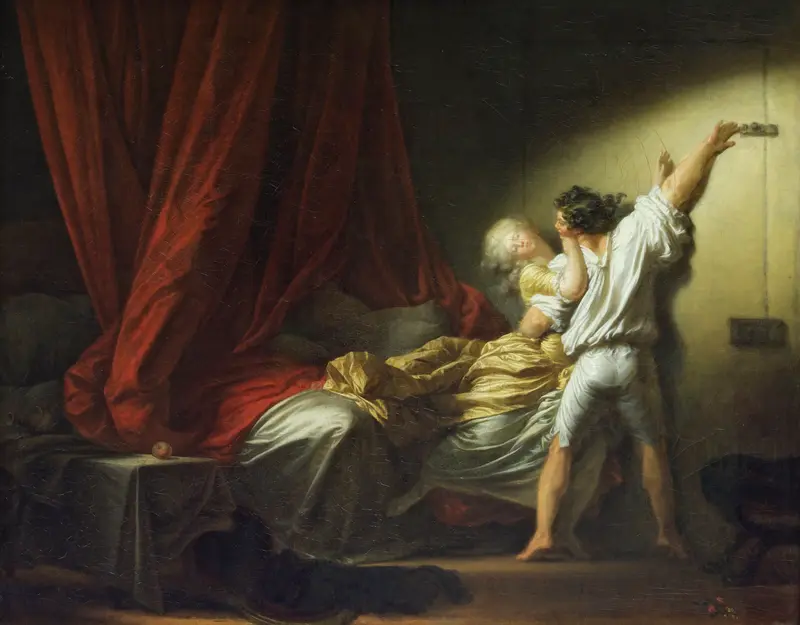
The Lock
Jean-Honoré Fragonard
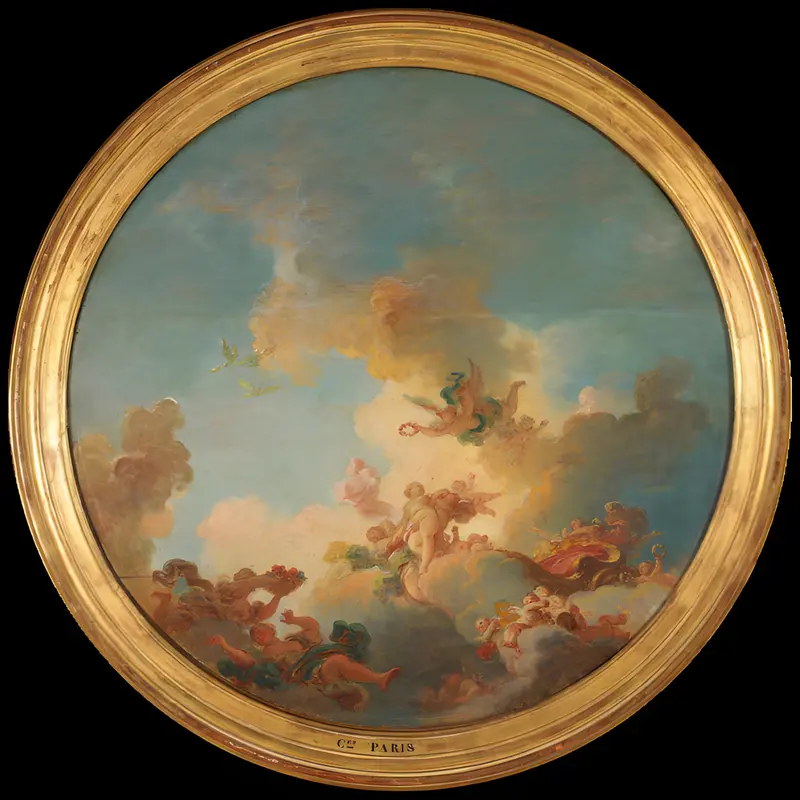
The Triumph of Venus
Jean-Honoré Fragonard
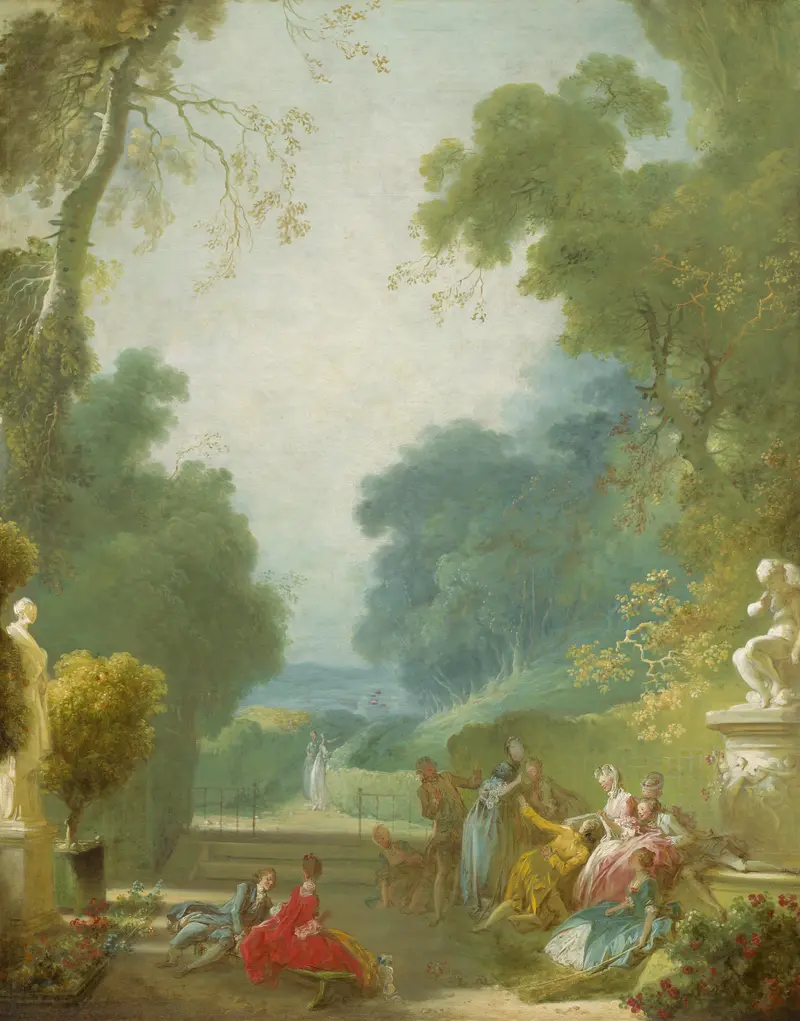
A Game of Hot Cockles
Jean-Honoré Fragonard
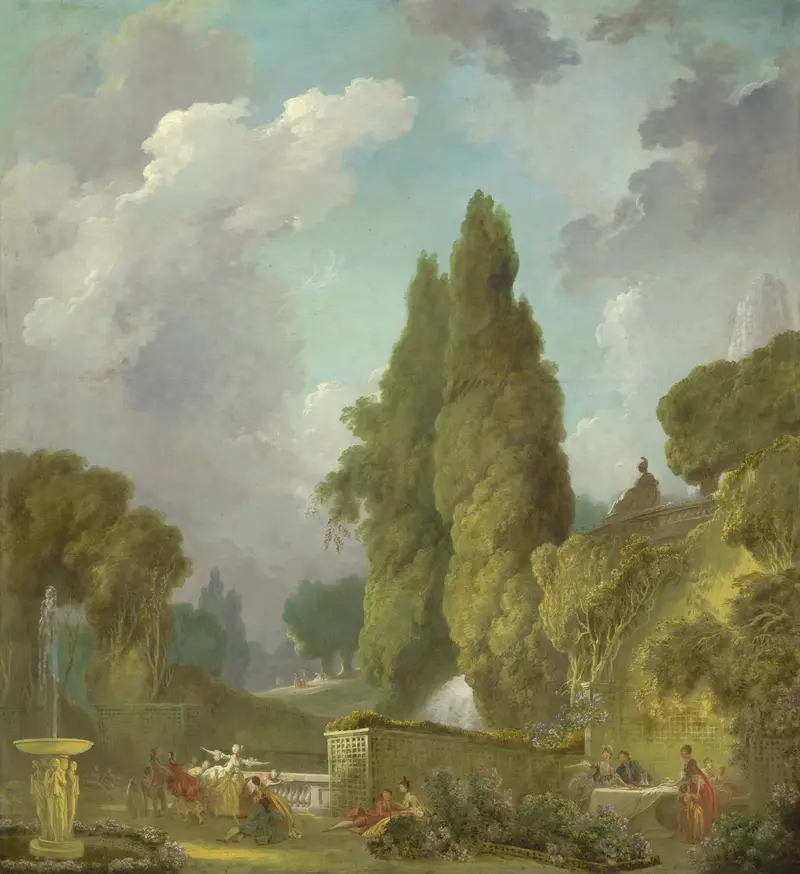
Blindman’s Buff
Jean-Honoré Fragonard
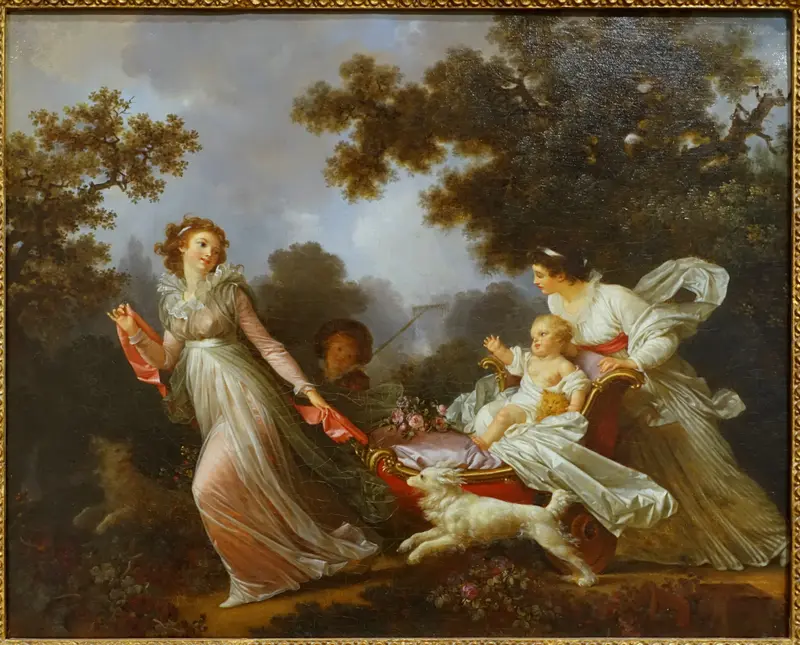
The Beloved Child
Jean-Honoré Fragonard
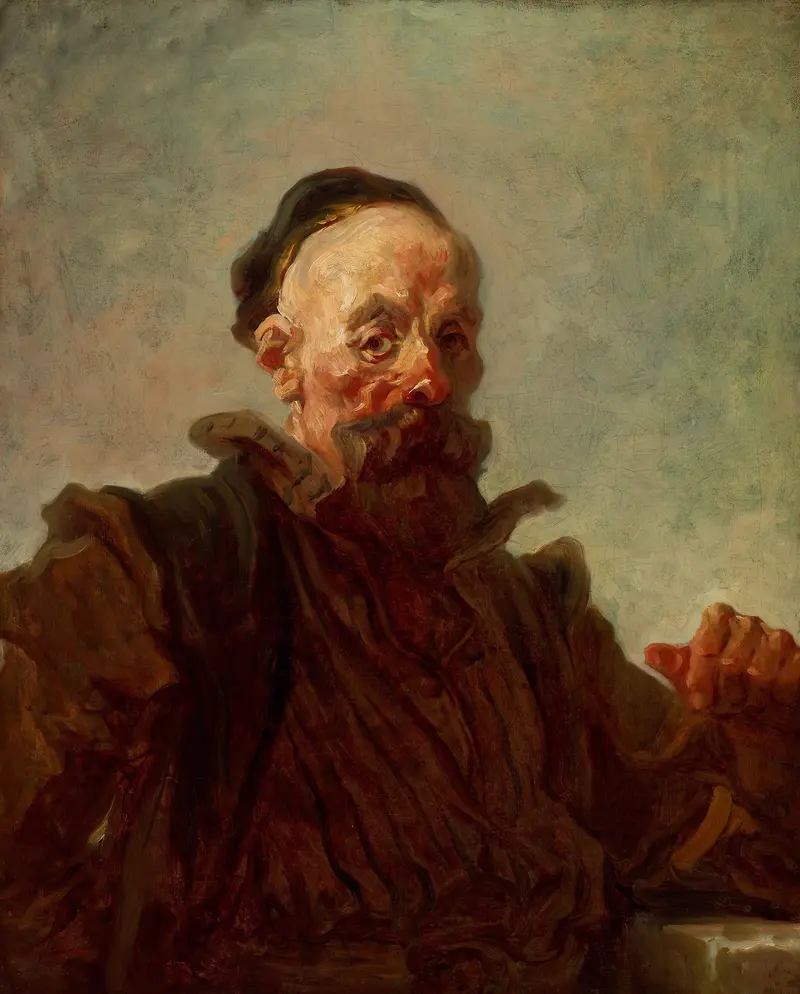
Portrait of a Man in Costume
Jean-Honoré Fragonard
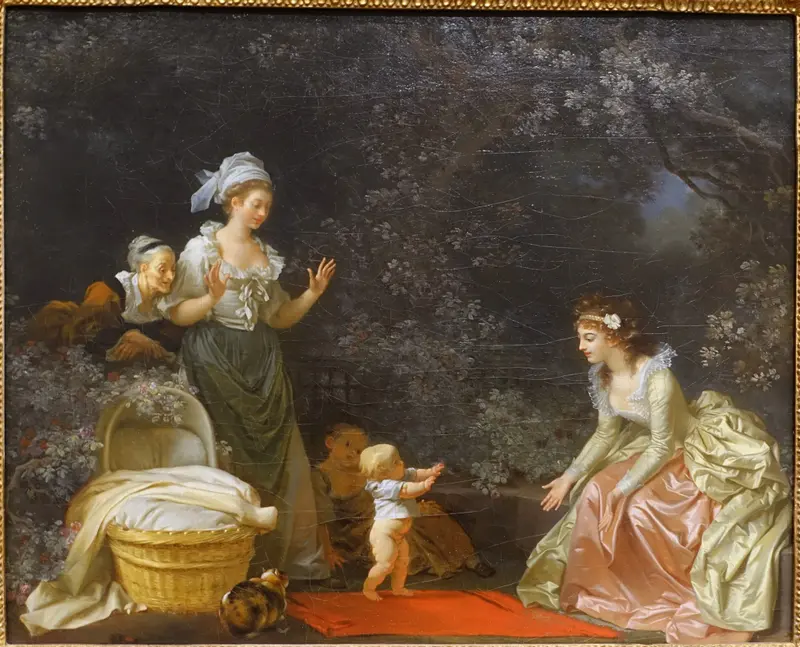
The First Steps
Jean-Honoré Fragonard
More Genre Scene Art

Banquet of the Officers of the St George Civic Guard
Frans Hals

Rembrandt and Saskia in the Scene of the Prodigal Son
Rembrandt van Rijn

Bal du moulin de la Galette
Pierre-Auguste Renoir

Quadrille at the Moulin Rouge
Henri de Toulouse-Lautrec

A Burial at Ornans
Gustave Courbet

When Will You Marry?
Paul Gauguin