
The Magic Circle — History & Facts
A woman stands at the heart of a barren landscape, her bare feet planted firmly in the dust as she draws a glowing circle around herself with a wand. The eye is pulled immediately to the column of smoke and light that rises from her cauldron, swirling upward with a force that seems to defy gravity. Every detail in her pose is purposeful: the outstretched arm, the steady gaze, the objects she holds—each a tool of her mysterious craft.
Crows gather at the edge of her circle, their black forms a living border between her world and the wilderness beyond, while skulls and scattered herbs at her feet hint at rituals both ancient and perilous. The palette is dominated by earth tones and muted golds, casting the entire scene in an uneasy, expectant glow. Painted in 1886, this work by John William Waterhouse belongs to the late nineteenth-century fascination with myth, magic, and the supernatural. In Victorian England, artists and audiences alike were drawn to the occult and to the figure of the witch as both a threat and a source of secret knowledge.
Such paintings were rarely mere fantasy: they reflected anxieties about science, gender, and the boundaries of power in a rapidly changing world. Waterhouse was known for his ability to blend Pre-Raphaelite detail with a mood of psychological intensity, and here he channels that energy into a single moment of spellcasting. The history of this particular painting is quiet, but its presence in a modern collection invites viewers to step into the circle and confront the mysteries that so captivated its era.
More Artworks by John William Waterhouse
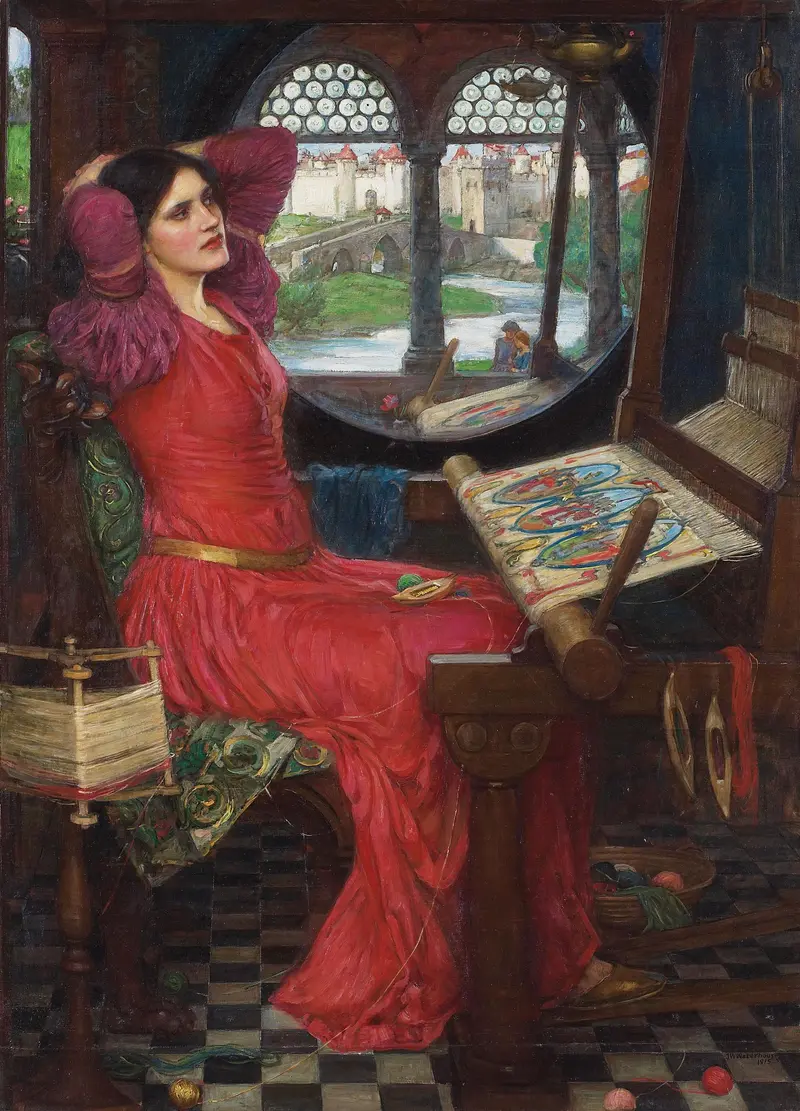
'I Am Half-Sick of Shadows,' Said the Lady of Shalott
John William Waterhouse

The Favourites of the Emperor Honorius, 1883
John William Waterhouse
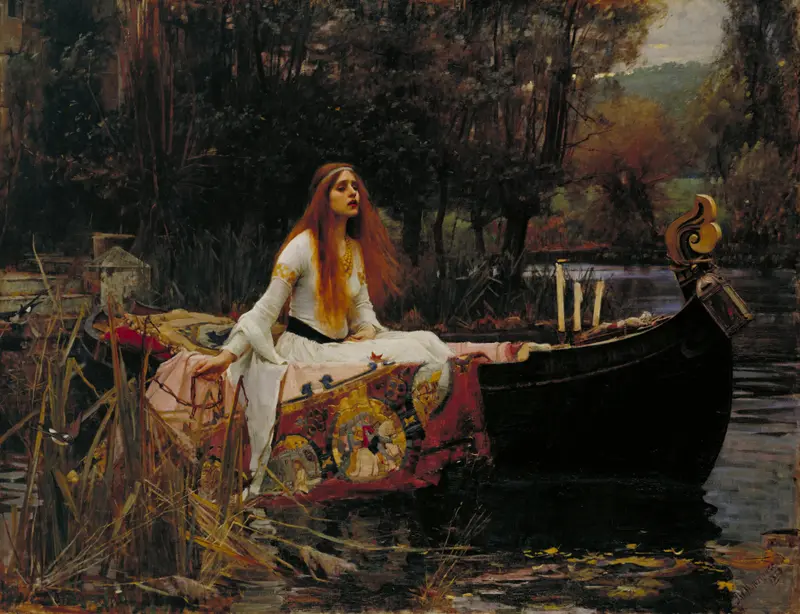
The Lady of Shalott
John William Waterhouse
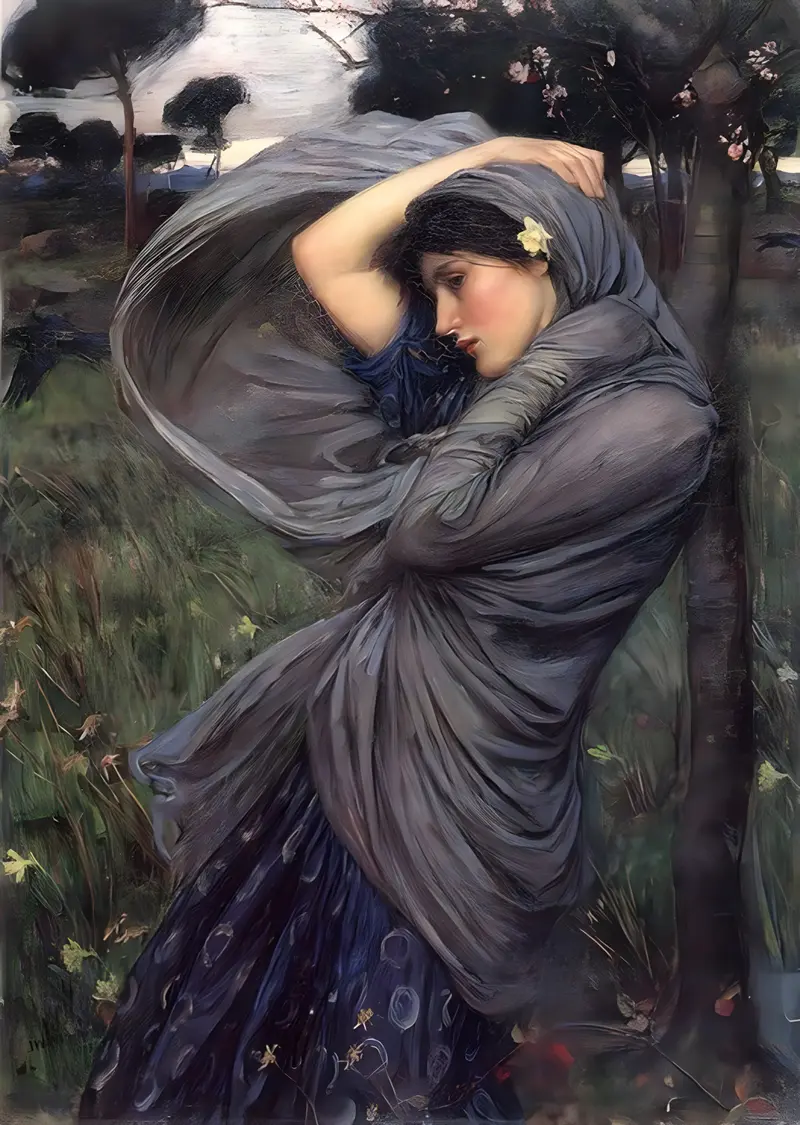
Boreas
John William Waterhouse
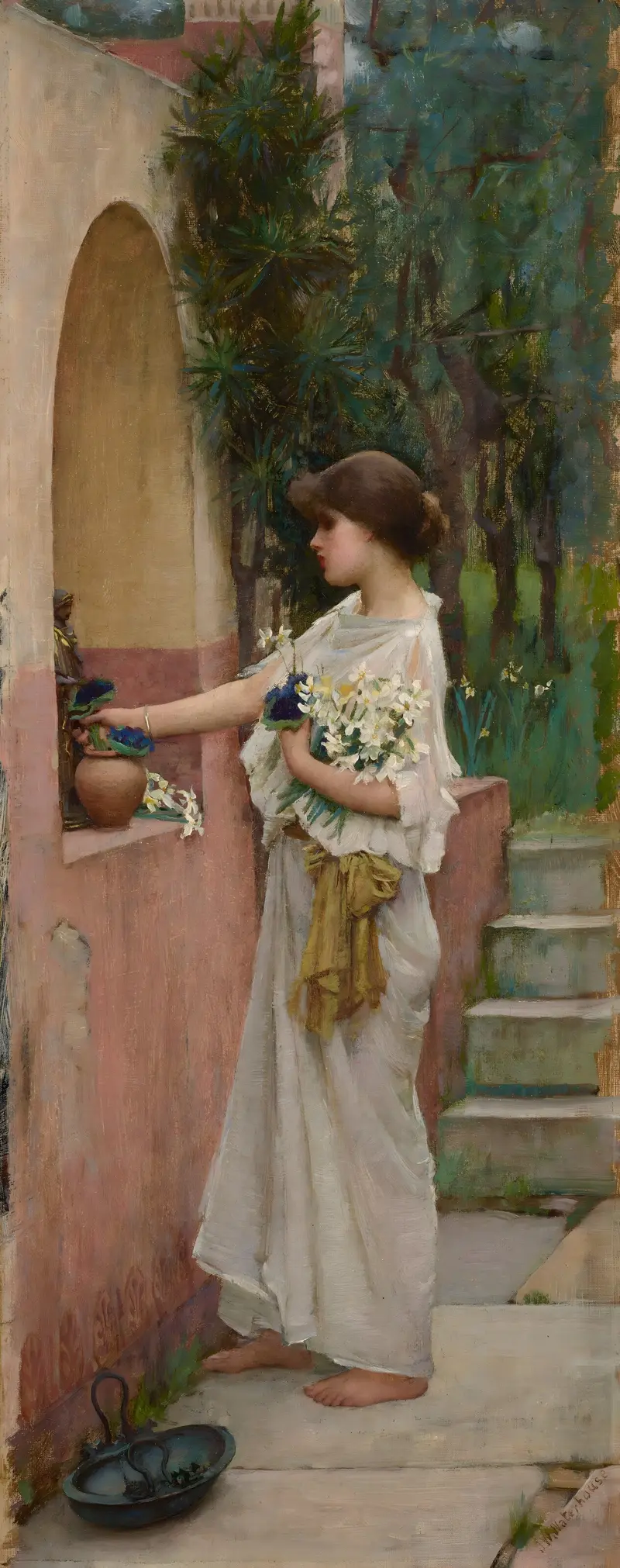
A Roman Offering
John William Waterhouse
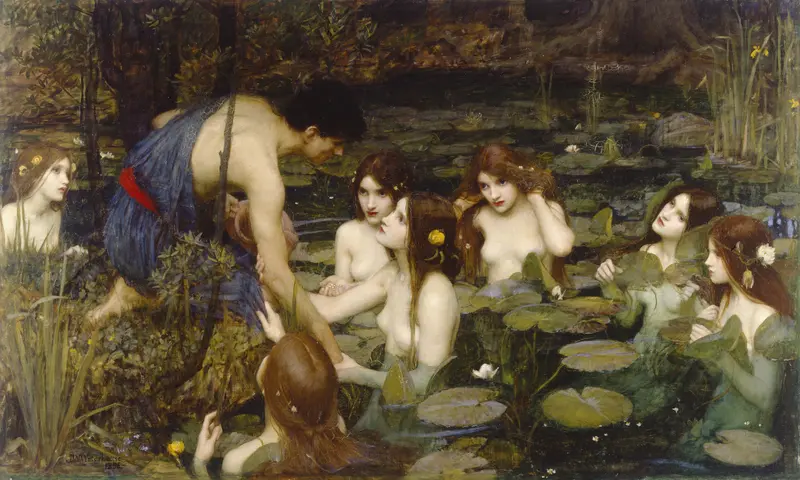
Hylas and the Nymphs
John William Waterhouse
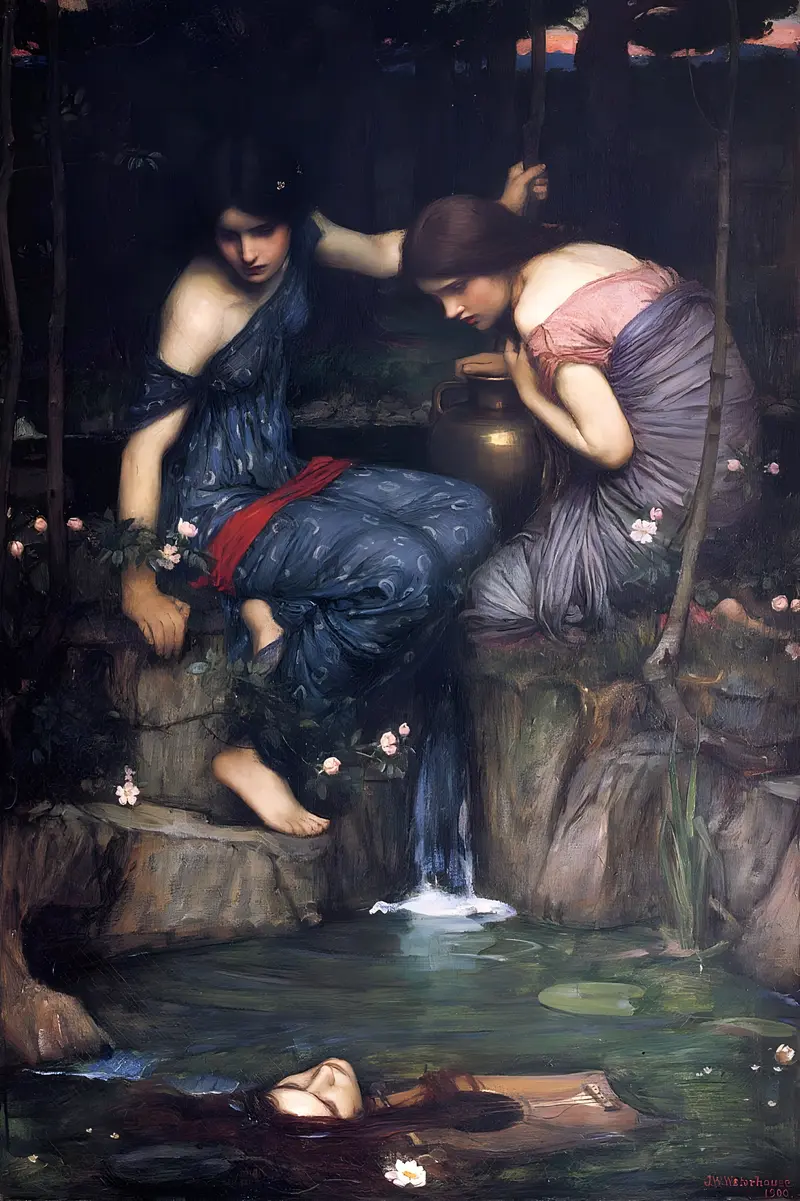
Nymphs Finding the Head of Orpheus
John William Waterhouse
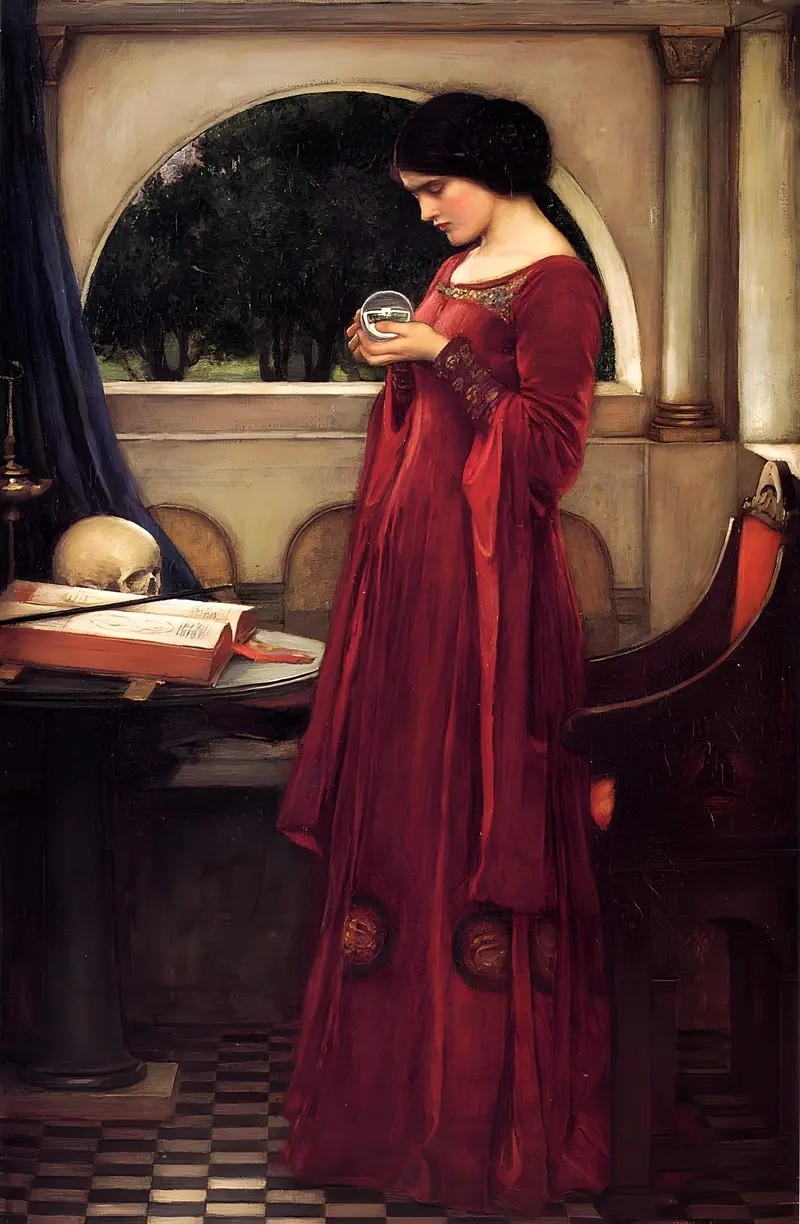
The Crystal Ball
John William Waterhouse
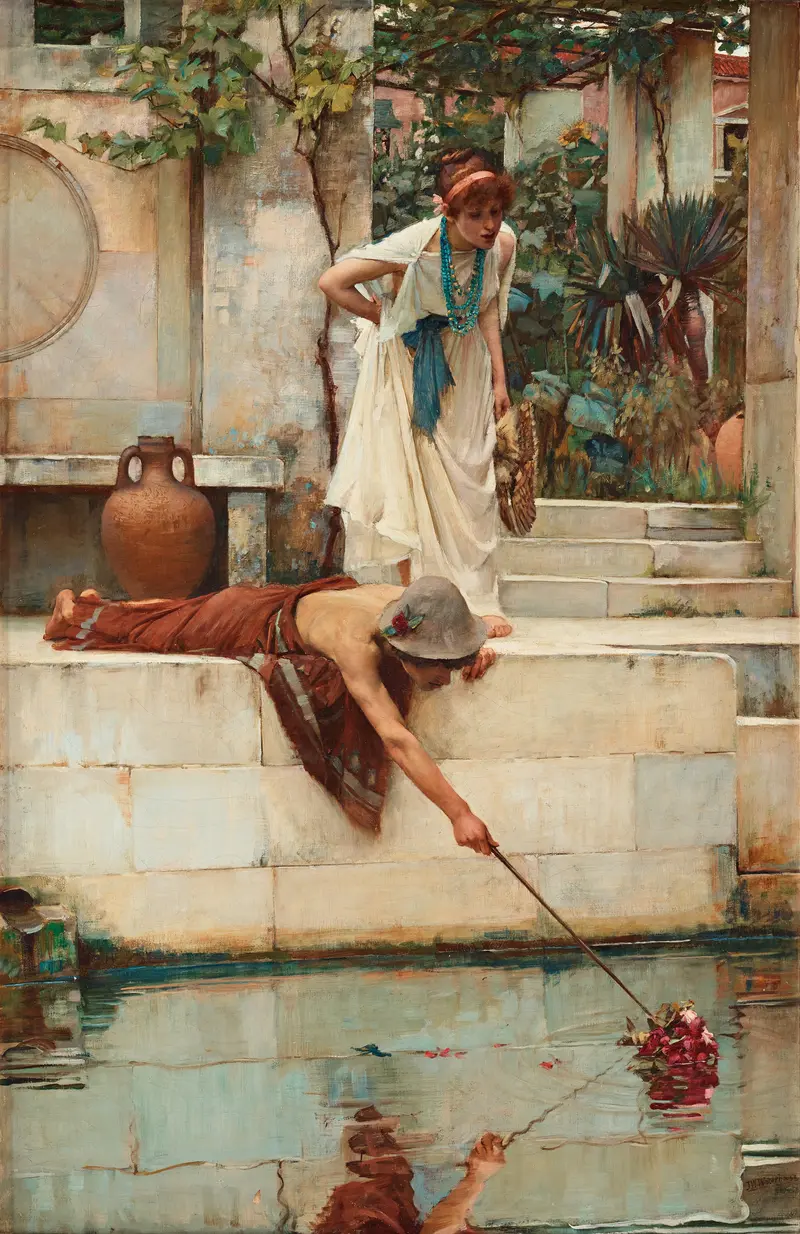
The Rescue
John William Waterhouse
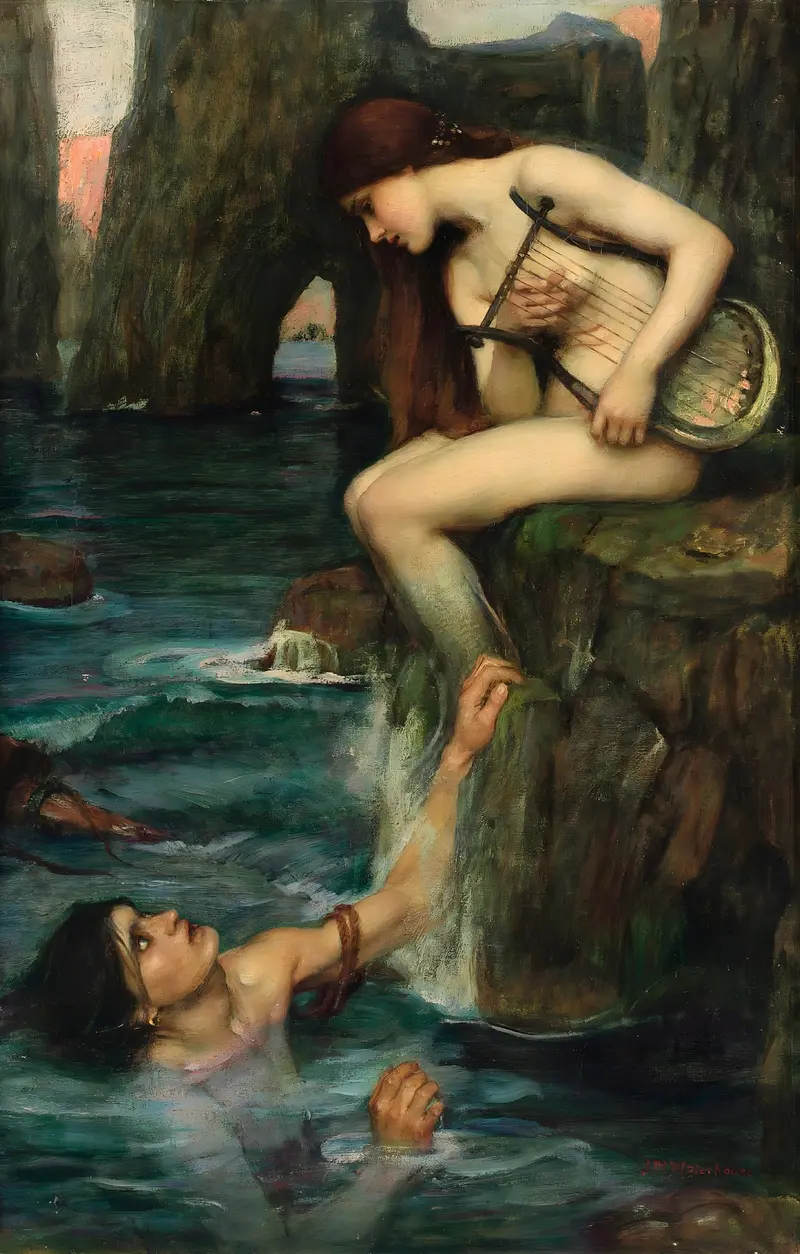
The Siren, 1900
John William Waterhouse





