
The Progress of Love: Love Letters — History & Facts
What makes The Progress of Love: Love Letters remarkable is that it was originally painted as part of an ambitious decorative cycle for the Château de Louveciennes, commissioned by Madame du Barry, the last mistress of Louis XV. In 1771, Jean-Honoré Fragonard was tasked with creating a suite of panels to adorn her new pavilion, a project that would ultimately be rejected by the patron in favor of a more restrained Neoclassical style. This dramatic reversal left Fragonard’s exuberant canvases without a home, a twist that has fascinated art historians ever since. At the heart of Love Letters is a scene of clandestine romance: a young woman, radiant in a pale gown, receives a letter from her suitor, who waits just beyond a marble balustrade.
The lush greenery and blooming roses envelop the couple, transforming the garden into a private stage for their secret exchange. Fragonard’s brushwork is lively and fluid, capturing the fleeting excitement of young love—the woman’s coy smile, the suitor’s eager posture, the fluttering ribbon that hints at both innocence and desire. The motif of love letters recurs in Rococo art, but where Boucher might have emphasized flirtation, Fragonard infuses the moment with a sense of genuine intimacy and anticipation. After its rejection, Love Letters and its companion panels remained with Fragonard, who later installed them in his cousin’s house in Grasse.
Over the centuries, the panels changed hands several times, surviving the turbulence of the French Revolution and the shifting tastes of collectors. Today, Love Letters is housed at The Frick Collection in New York, celebrated as a high point of Fragonard’s career and a testament to the playful, sensuous spirit of the Rococo era. The painting’s journey from royal commission to museum treasure mirrors the changing fortunes of both its creator and the world he painted.
More Artworks by Jean-Honoré Fragonard
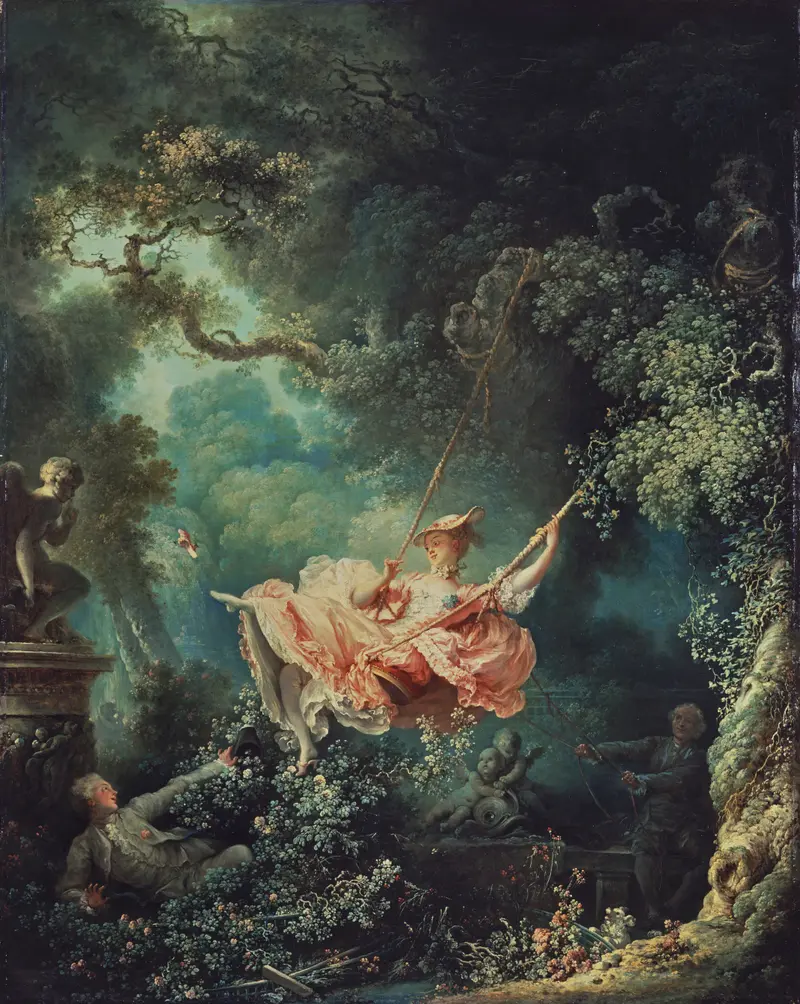
The Swing
Jean-Honoré Fragonard

The Swing
Jean-Honoré Fragonard
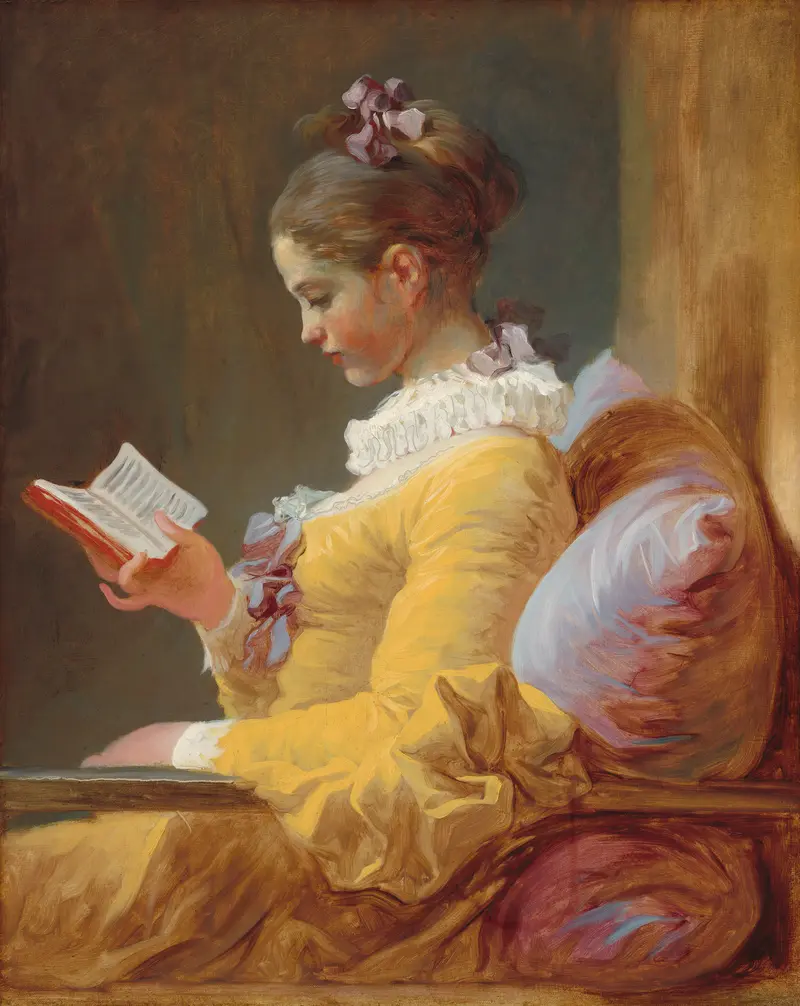
A Young Girl Reading
Jean-Honoré Fragonard
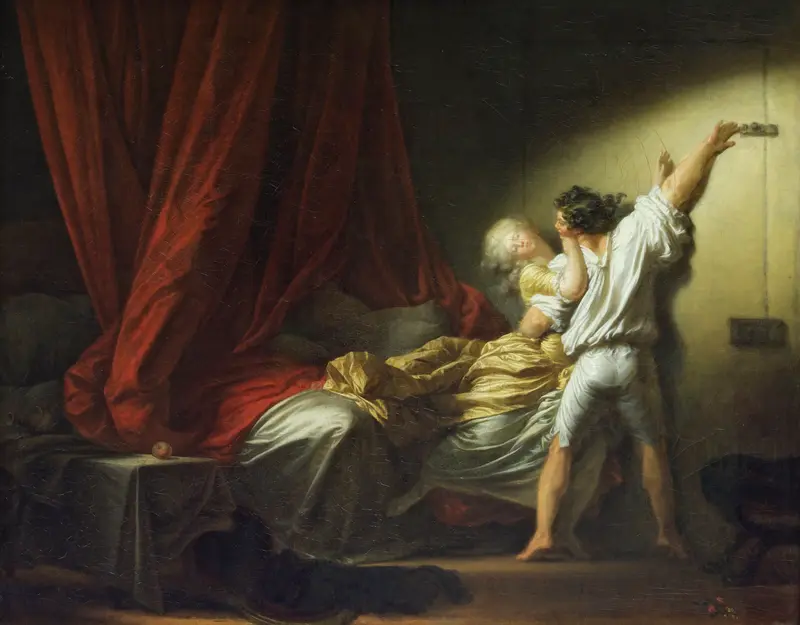
The Lock
Jean-Honoré Fragonard
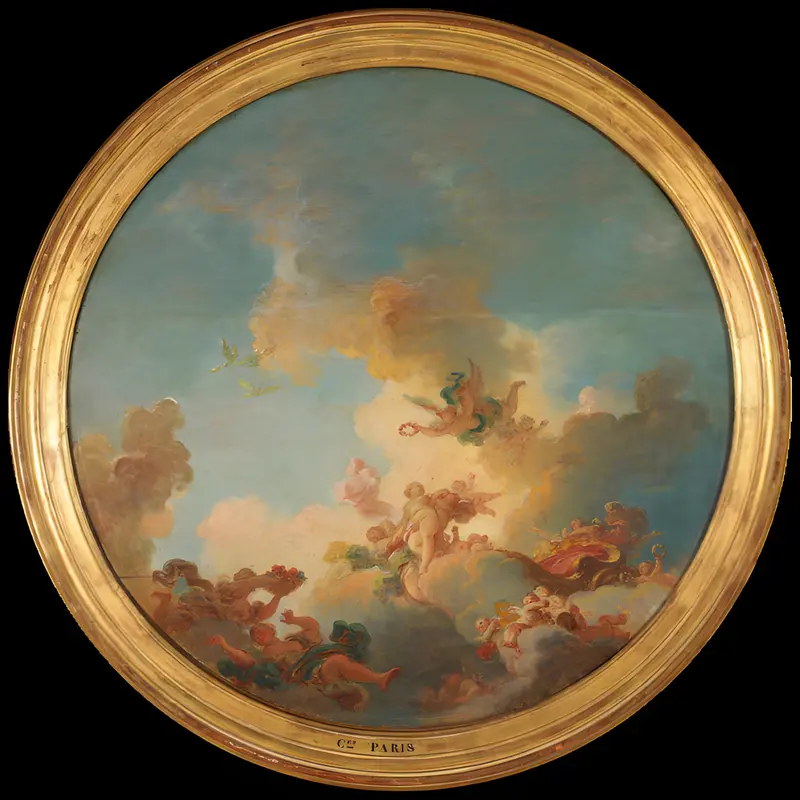
The Triumph of Venus
Jean-Honoré Fragonard
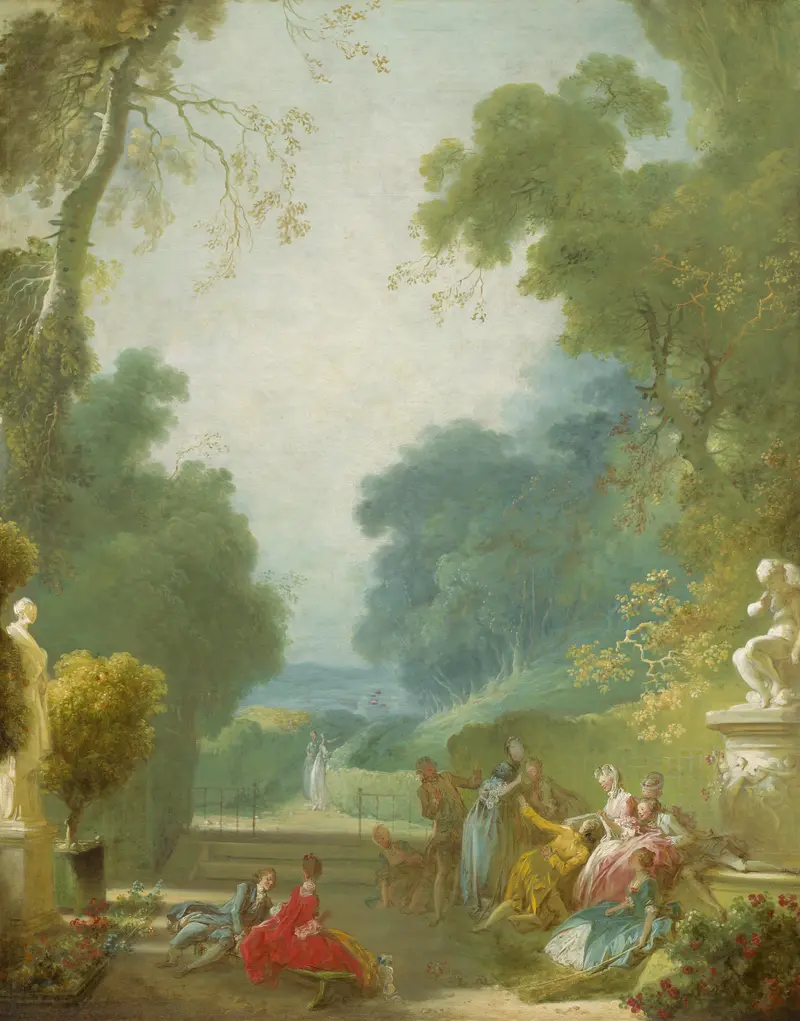
A Game of Hot Cockles
Jean-Honoré Fragonard
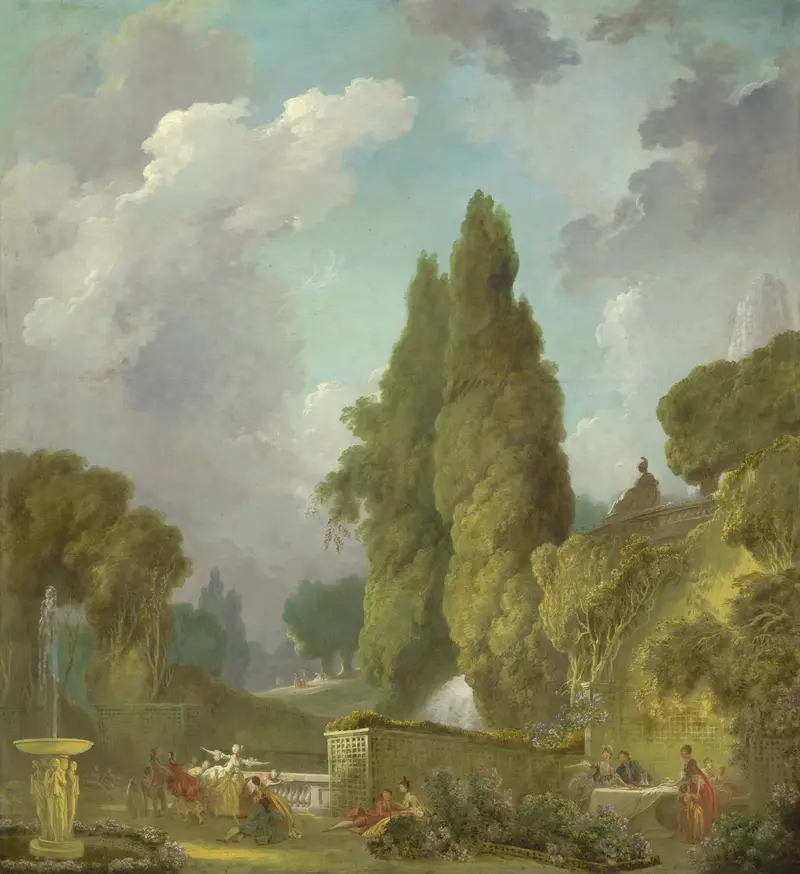
Blindman’s Buff
Jean-Honoré Fragonard
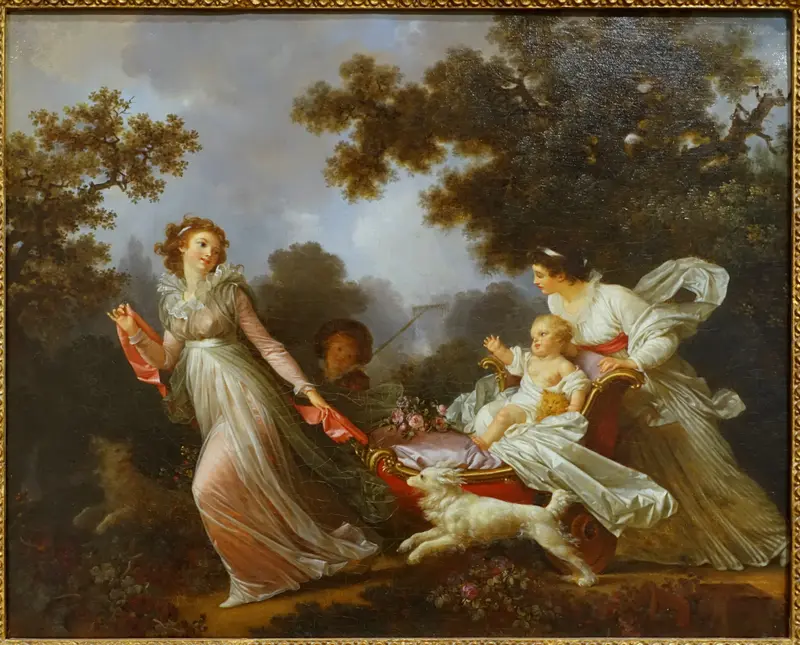
The Beloved Child
Jean-Honoré Fragonard
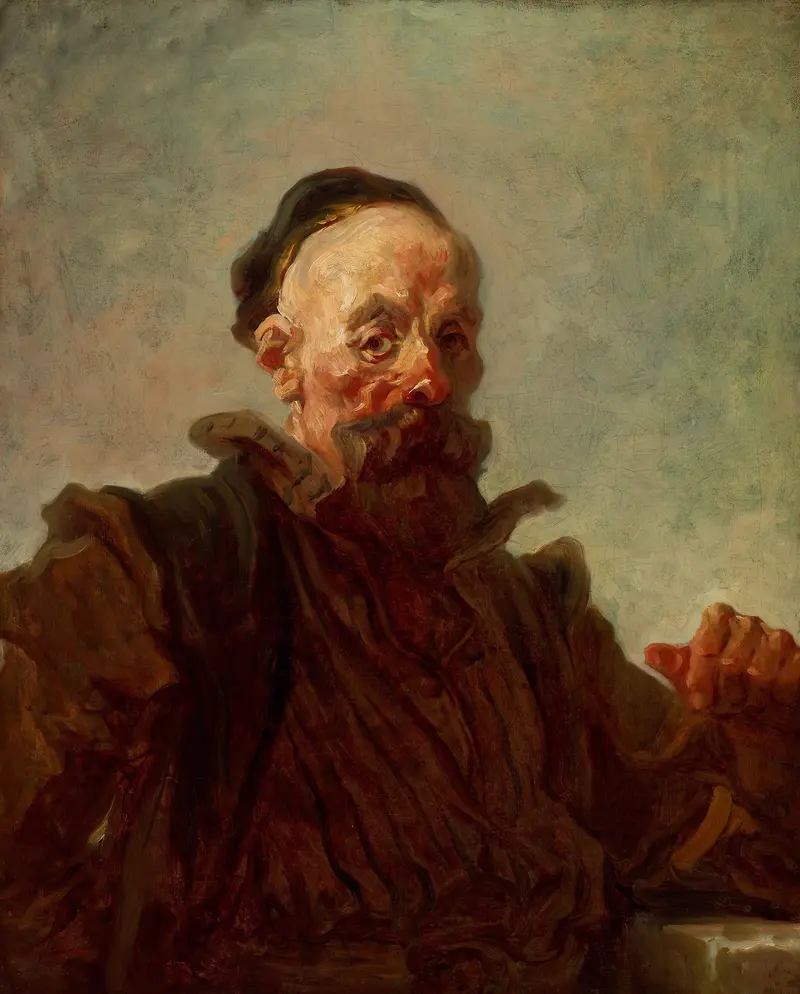
Portrait of a Man in Costume
Jean-Honoré Fragonard
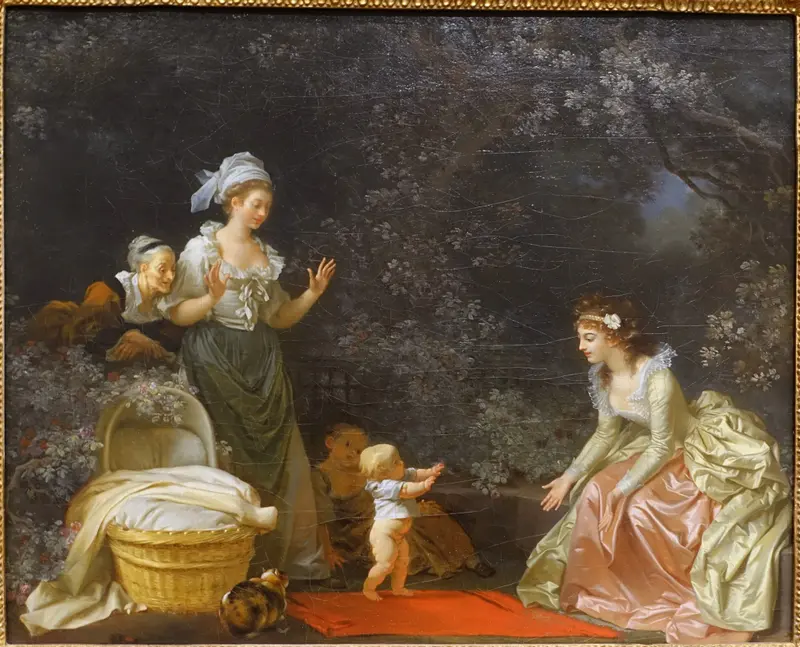
The First Steps
Jean-Honoré Fragonard
More Genre Scene Art

Banquet of the Officers of the St George Civic Guard
Frans Hals

Rembrandt and Saskia in the Scene of the Prodigal Son
Rembrandt van Rijn

Bal du moulin de la Galette
Pierre-Auguste Renoir

Quadrille at the Moulin Rouge
Henri de Toulouse-Lautrec

A Burial at Ornans
Gustave Courbet

When Will You Marry?
Paul Gauguin