
The Race of the Riderless Horses — History & Facts
On a spring day in 1817, the streets of Rome thundered with hooves as the annual “race of the riderless horses” — the wild and dangerous Corsa dei Barberi — reached its climax. This spectacle, held each February during Carnival, saw powerful Barb horses released to sprint, unbridled and unmounted, down the Via del Corso, cheered on by crowds and sometimes ending in chaos. Théodore Géricault, then a young French artist living in Rome, was so captivated by the event’s energy and peril that he painted it soon after, capturing a moment that both fascinated and horrified contemporary audiences.
The painting stands as one of the earliest attempts to freeze the raw force of animal motion on canvas, long before the invention of photography. Géricault’s The Race of the Riderless Horses seizes the race at its wildest instant: the horses, manes flying, gallop unchecked, their eyes wide with terror and excitement. The artist’s brushwork pulses with agitation, echoing the frenzy of the animals, while the crowd blurs into a backdrop of gesturing arms and faces. Chains and ribbons dangle from the horses’ necks — a nod to the Roman custom of tying sharp objects to spur them forward.
The composition’s dramatic diagonals and compressed space thrust the viewer into the heart of the stampede, in stark contrast to the more orderly, classical depictions of horses by Jacques-Louis David. Here, Géricault’s fascination with anatomy and movement, honed through countless studies, finds its fullest early expression. The original painting’s medium is not definitively recorded, though oil on canvas is likely given Géricault’s practice at the time. While not as widely known as his later The Raft of the Medusa, this work marks a critical stage in his obsession with dynamic subjects and the limits of control — themes that would define his career.
After its creation in Rome, the painting’s early provenance remains somewhat obscure; it resurfaced in French collections later in the 19th century, and today it is recognized as a key example of the Romantic movement’s fascination with untamed nature and spectacle. Its survival allows us to witness not only a vanished Roman tradition, but also the early stirrings of Géricault’s restless, searching art.
More Artworks by Théodore Géricault
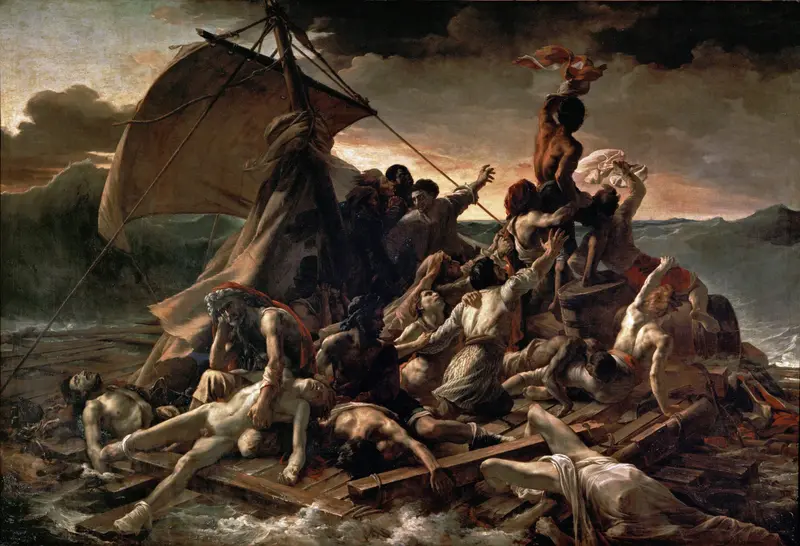
The Raft of the Medusa
Théodore Géricault

Géricault - Le naufrage du radeau de la Méduse, MBA 790
Théodore Géricault
Cattle Market
Théodore Géricault
Evening; Landscape with an Aqueduct
Théodore Géricault
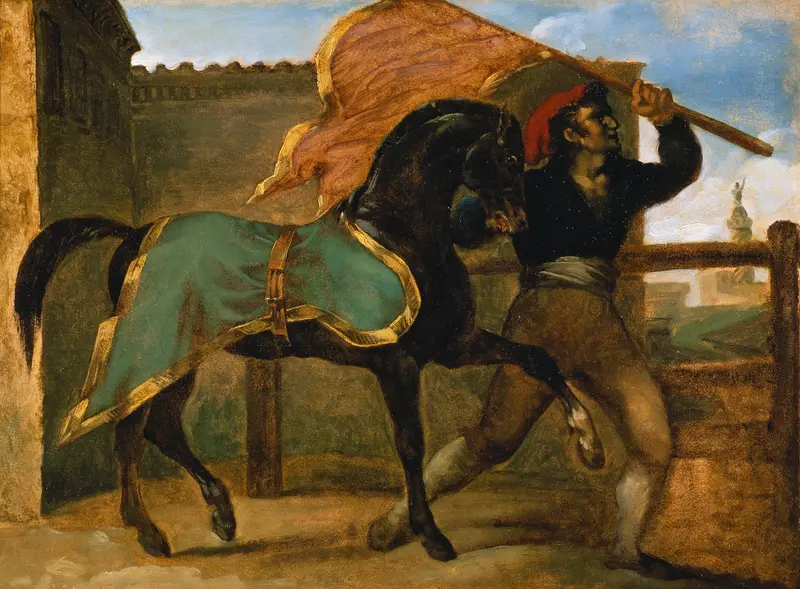
Horse Race
Théodore Géricault

Horses Standing in a Mews
Théodore Géricault
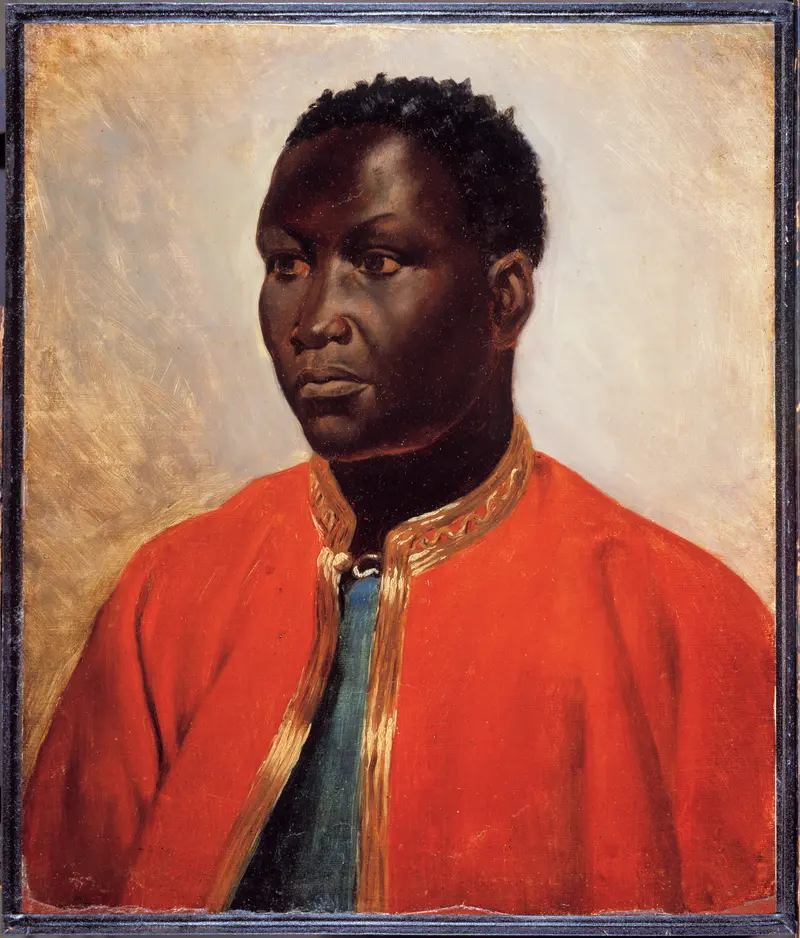
Portrait of a Negro
Théodore Géricault
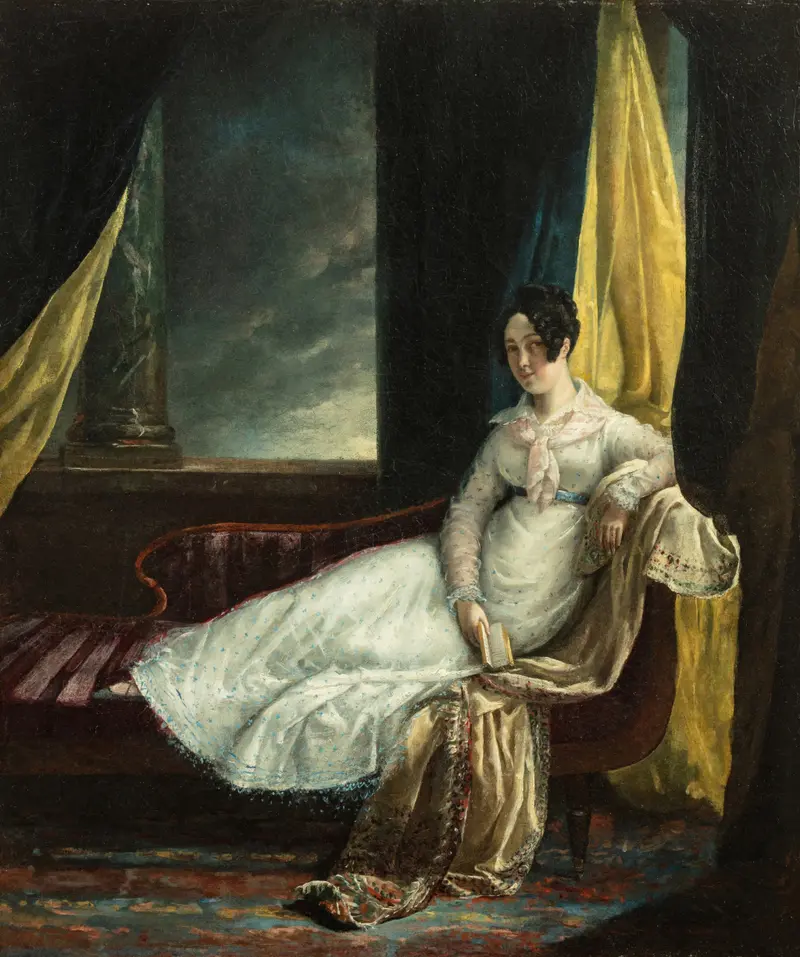
Portrait of Zoë Elmore
Théodore Géricault
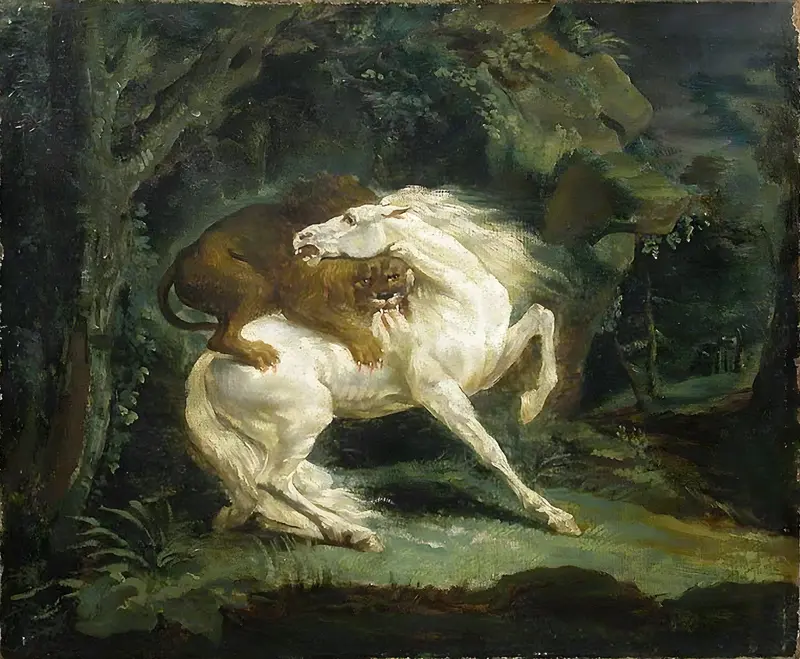
Cheval attaqué par un lion
Théodore Géricault
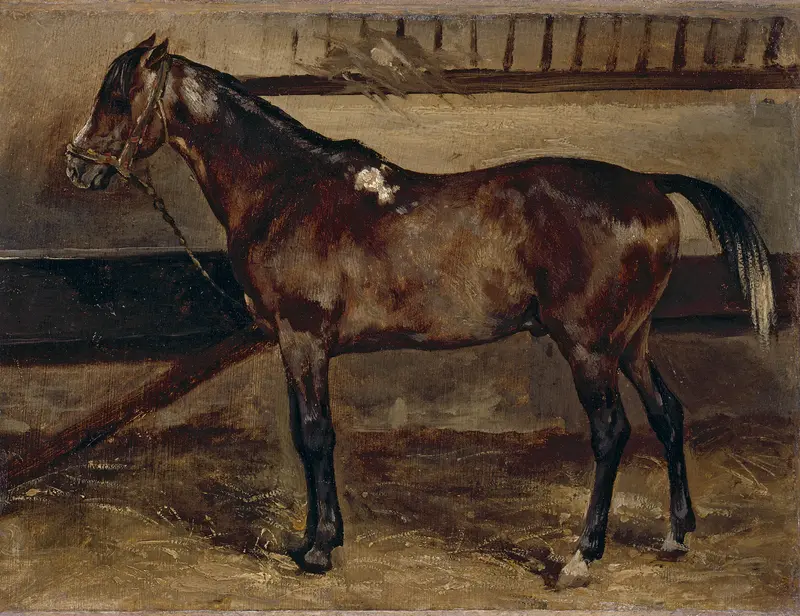
Cheval brun à l'écurie
Théodore Géricault





