
The Return of the Drove — History & Facts
When The Return of the Drove was first exhibited in 1769, it surprised Parisian audiences accustomed to seeing Jean-Honoré Fragonard’s name attached to scenes of flirtation and aristocratic play. Here, instead of lovers in secret gardens, Fragonard turned his attention to rural life—a rare subject for him, and one that echoed the growing interest in the honest labors of the countryside. Some contemporaries saw in this work a nod to the new sensibility championed by writers like Rousseau, who urged a return to nature and simplicity.
The painting stands apart in Fragonard’s oeuvre for its focus on the everyday, rather than the imagined or mythic. The scene captures the precise moment when a herd of cattle, dusty and tired, is guided home at dusk by a solitary herdsman. The low sun casts long shadows across the winding path, illuminating the animals’ flanks and picking out tufts of grass underfoot. Fragonard’s quick, energetic brushwork gives the landscape a sense of movement and immediacy, while the herdsman’s posture—leaning forward, stick in hand—suggests both fatigue and care.
Unlike the idyllic shepherds of François Boucher, Fragonard’s figure is grounded, his clothing rough and his face turned away, emphasizing the realities of rural labor. The painting’s golden light and gentle haze evoke the end of a long day, inviting viewers to share in the quiet satisfaction of work completed. The medium of The Return of the Drove remains uncertain, though it is likely oil on canvas, in keeping with Fragonard’s other works of the period. The painting’s early provenance is not well documented, and there is no record of a specific patron commissioning it; it may have been created for the open market or as an experiment by the artist.
Over time, the work has been overshadowed by Fragonard’s more famous Rococo fantasies, but it offers a glimpse into his versatility and his response to changing tastes in late eighteenth-century France. Today, The Return of the Drove is valued for its rare portrayal of rural life by a painter better known for scenes of leisure, and it occupies a special place in collections that seek to show the full range of Fragonard’s talent.
More Artworks by Jean-Honoré Fragonard
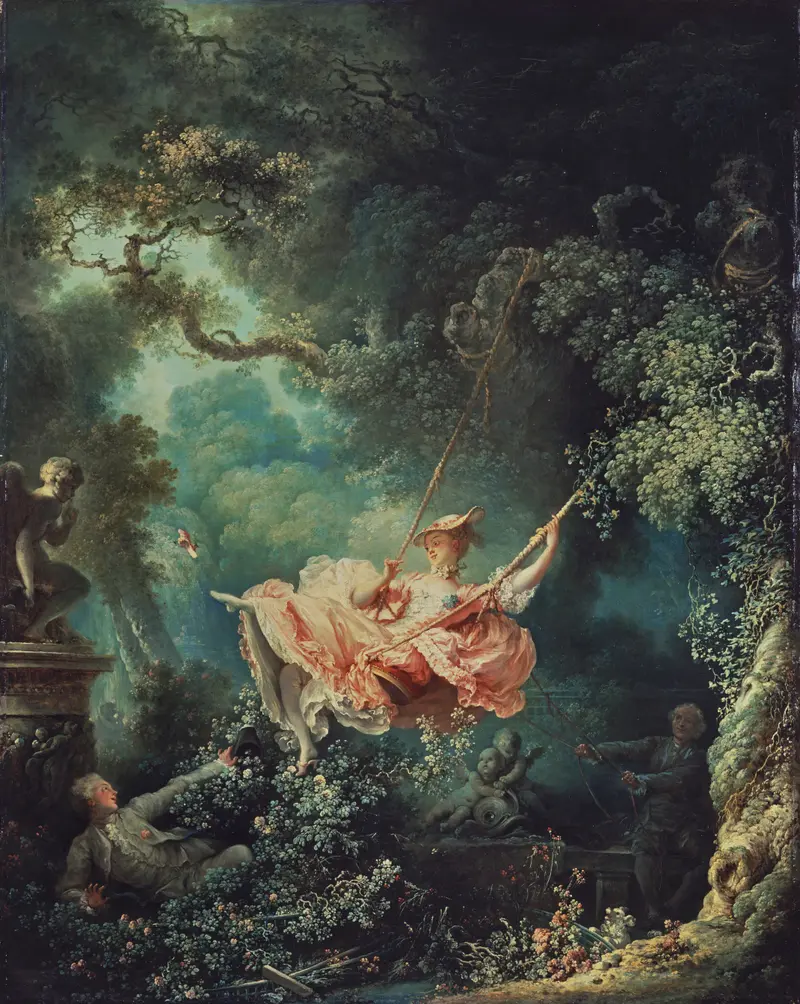
The Swing
Jean-Honoré Fragonard

The Swing
Jean-Honoré Fragonard
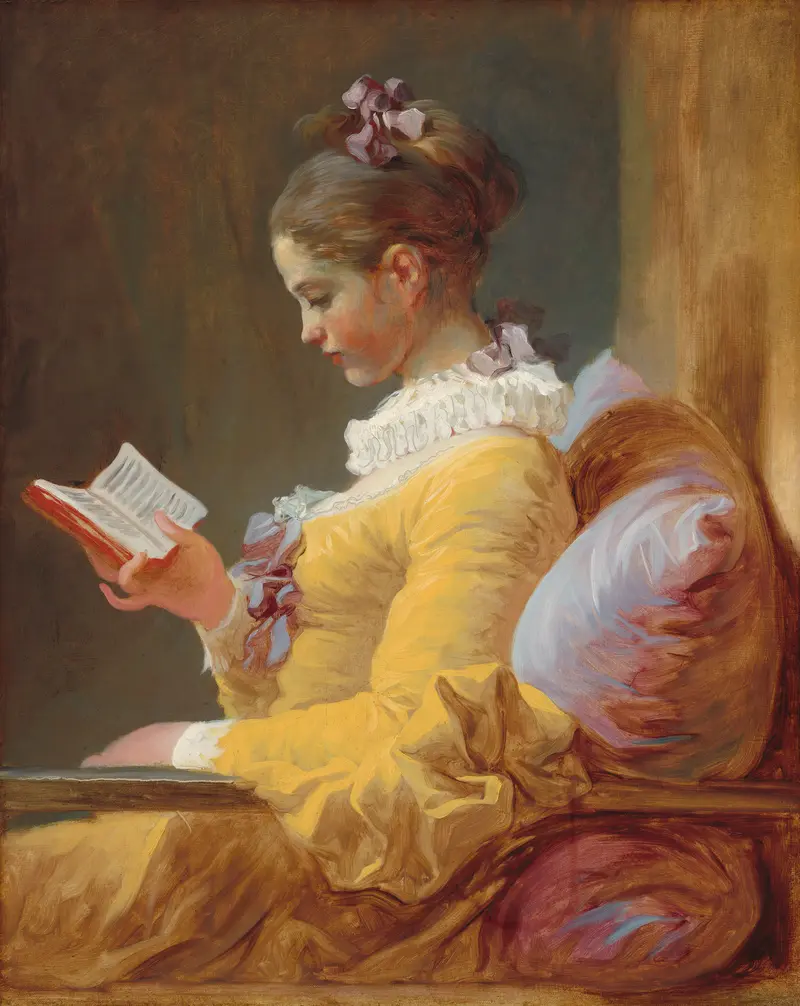
A Young Girl Reading
Jean-Honoré Fragonard
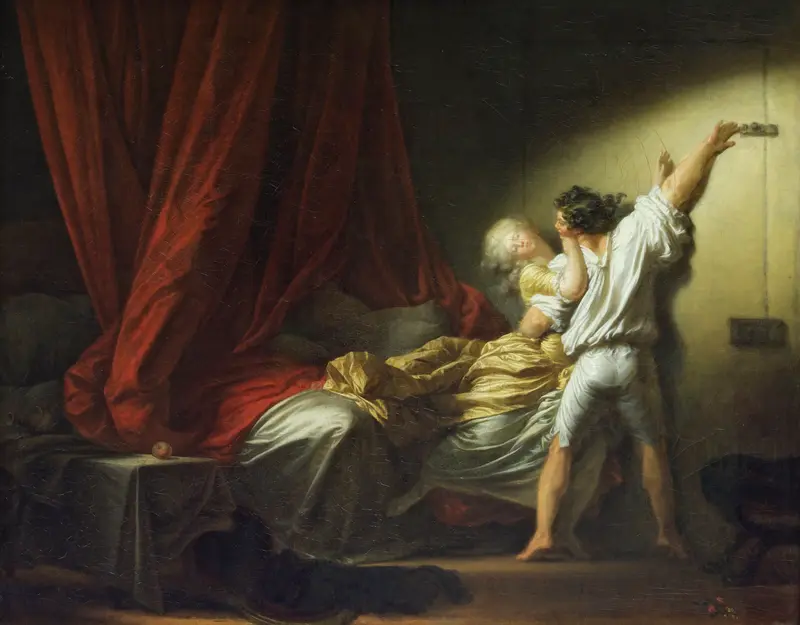
The Lock
Jean-Honoré Fragonard
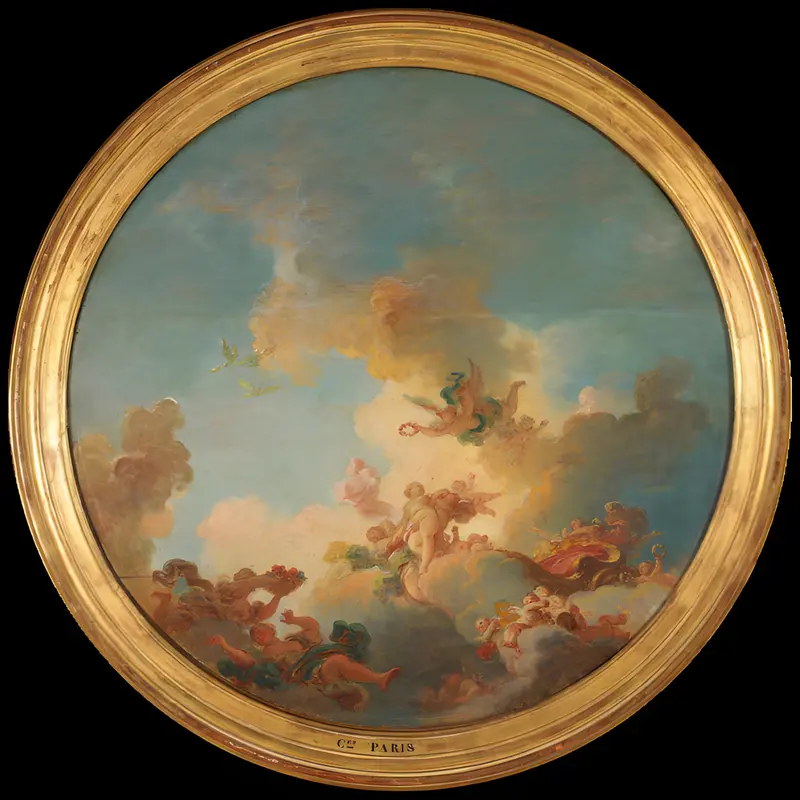
The Triumph of Venus
Jean-Honoré Fragonard
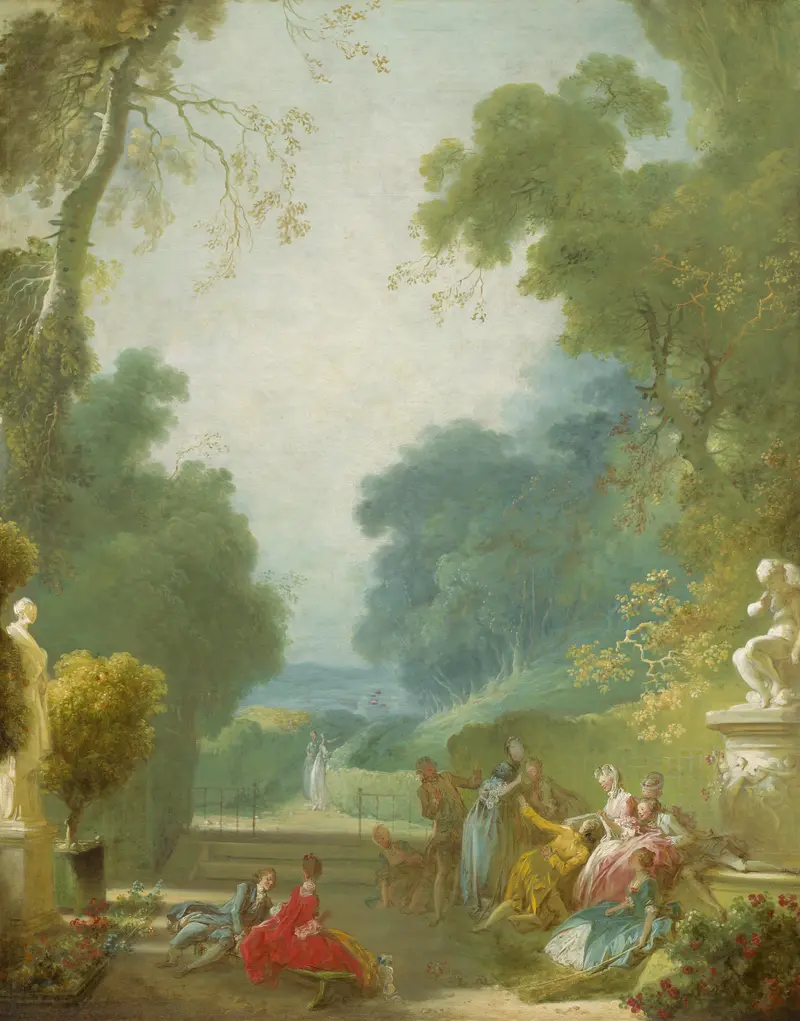
A Game of Hot Cockles
Jean-Honoré Fragonard
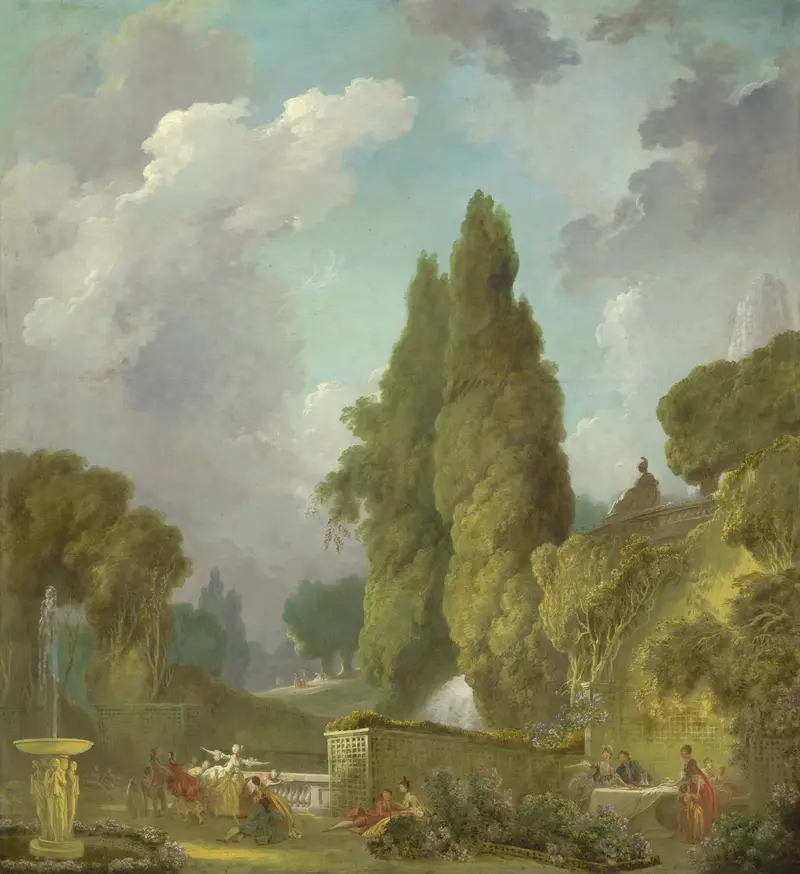
Blindman’s Buff
Jean-Honoré Fragonard
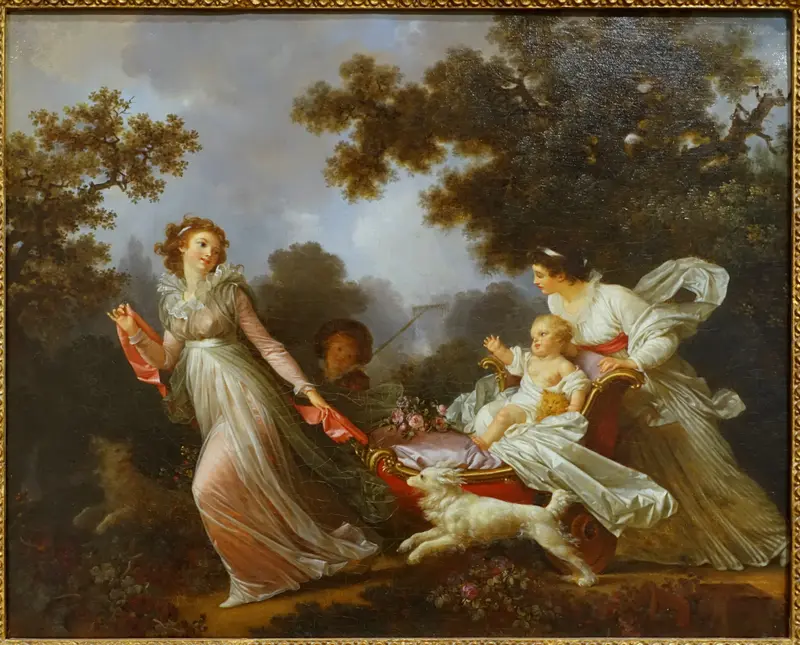
The Beloved Child
Jean-Honoré Fragonard
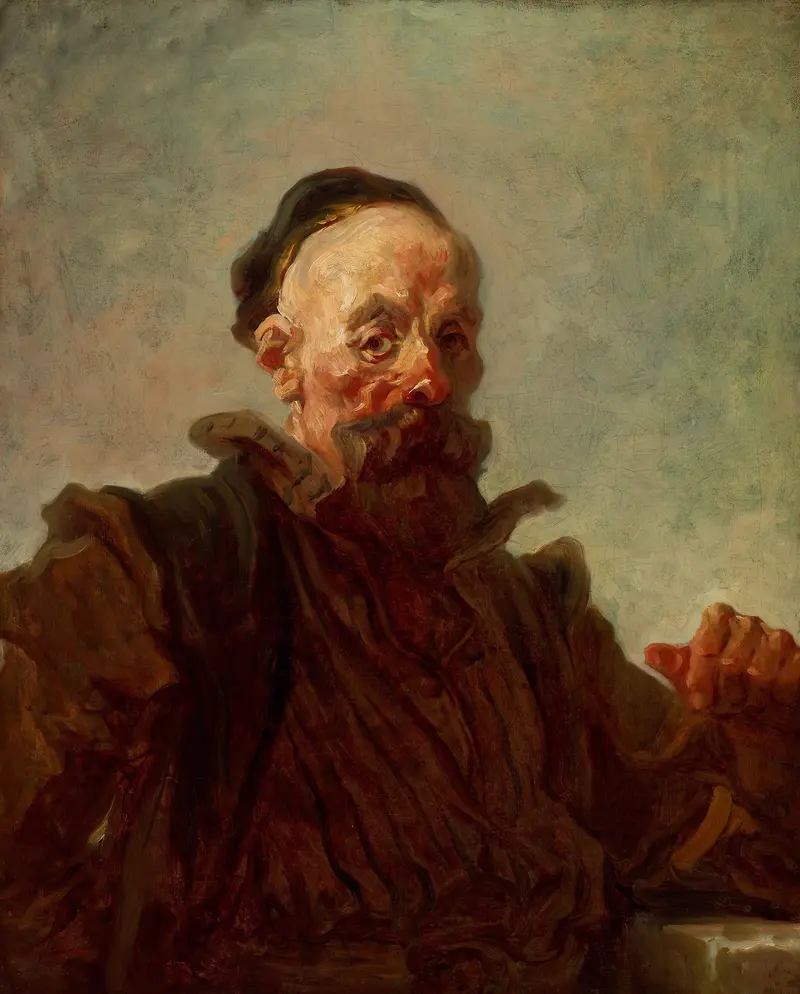
Portrait of a Man in Costume
Jean-Honoré Fragonard
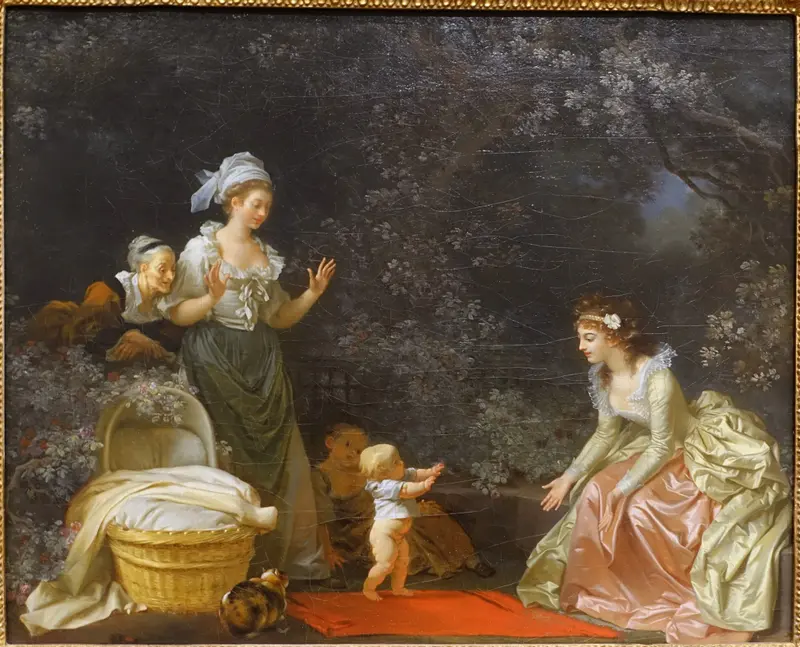
The First Steps
Jean-Honoré Fragonard
More Landscape Art

The Starry Night
Vincent van Gogh

View of Delft
Johannes Vermeer

Water Lilies
Claude Monet

The Grand Canal, Venice, looking north-west from the Ca' Corner to the Ca' Contarini degli Scrigni, with the campanile of Santa Maria della Carità
Canaletto

Windsor Castle
Canaletto

The Grand Canal looking North-East from the Palazzo Dolfin-Manin to the Rialto Bridge
Canaletto