
The See-Saw — History & Facts
When The See-Saw first appeared in Paris around 1750, it was quickly recognized as a playful answer to the era’s appetite for flirtation and wit in painting. Jean-Honoré Fragonard, then a young artist not yet thirty, was already gaining a reputation for his light touch and sparkling sense of humor. The theme of the see-saw, or balançoire, was so popular among the French aristocracy that Fragonard’s friend and rival, Jean-Baptiste Huet, painted his own version just a few years later.
The painting’s origins remain partly mysterious: no early inventory or commission survives, and the original medium is unconfirmed, though oil on canvas is likely. Yet its spirit is unmistakably tied to the rococo salons and garden fêtes of mid-eighteenth-century France. In The See-Saw, Fragonard freezes a moment of suspended delight: a young woman, caught mid-air on a garden swing, her skirts billowing as a hidden suitor propels her higher. Around her, companions laugh and conspire, their gestures and glances forming a web of secrets.
The see-saw itself is both a literal plaything and a symbol of the precarious balance of courtship—one push away from scandal, one glance away from discovery. The dappled light, filtering through painted foliage, bathes the scene in a golden haze, echoing the playful sensuality of Fragonard’s later The Swing. Where Watteau’s fêtes galantes often dwell on melancholy, Fragonard’s garden is a stage for mischief and delight. The painting’s early history is obscure; no records tie it to a specific patron or collection before the nineteenth century.
Like many rococo works, it fell from favor during the Revolution, only to be rediscovered in the later 1800s as tastes shifted. Today, The See-Saw is recognized as an important early work in Fragonard’s career, foreshadowing the exuberance of his mature style. Its current home is uncertain, with some sources listing it in private hands and others suggesting it may be lost.
The painting remains a testament to the fleeting pleasures and secret games of the ancien régime, and to Fragonard’s enduring gift for capturing joy in motion.
More Artworks by Jean-Honoré Fragonard
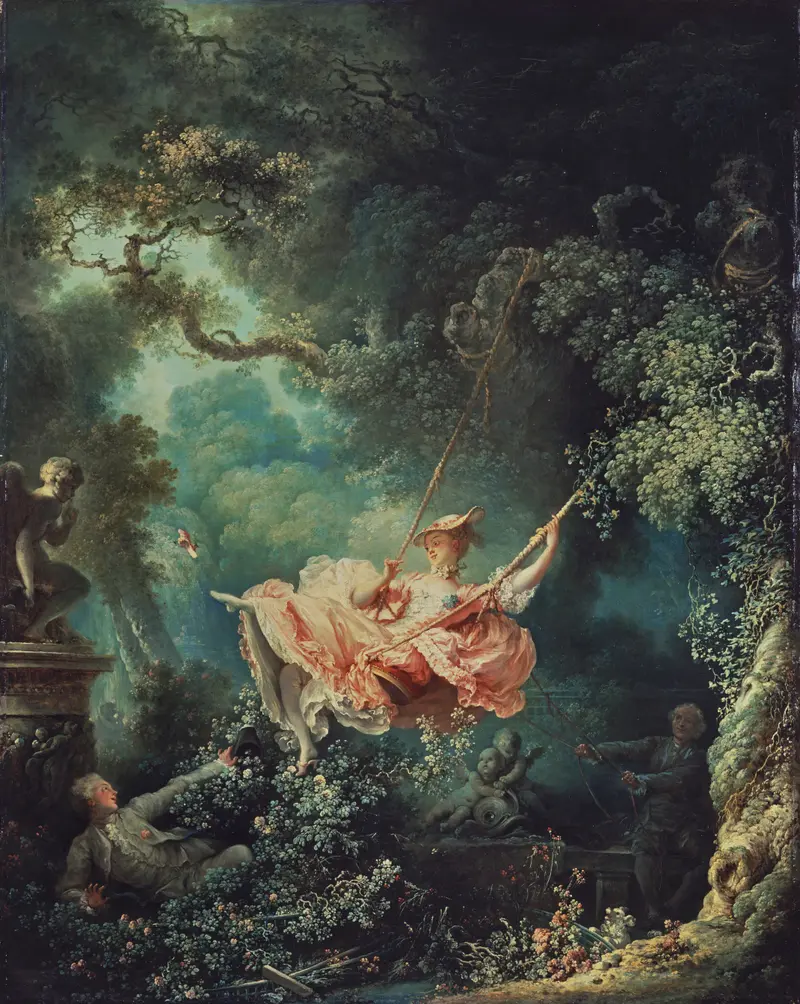
The Swing
Jean-Honoré Fragonard

The Swing
Jean-Honoré Fragonard
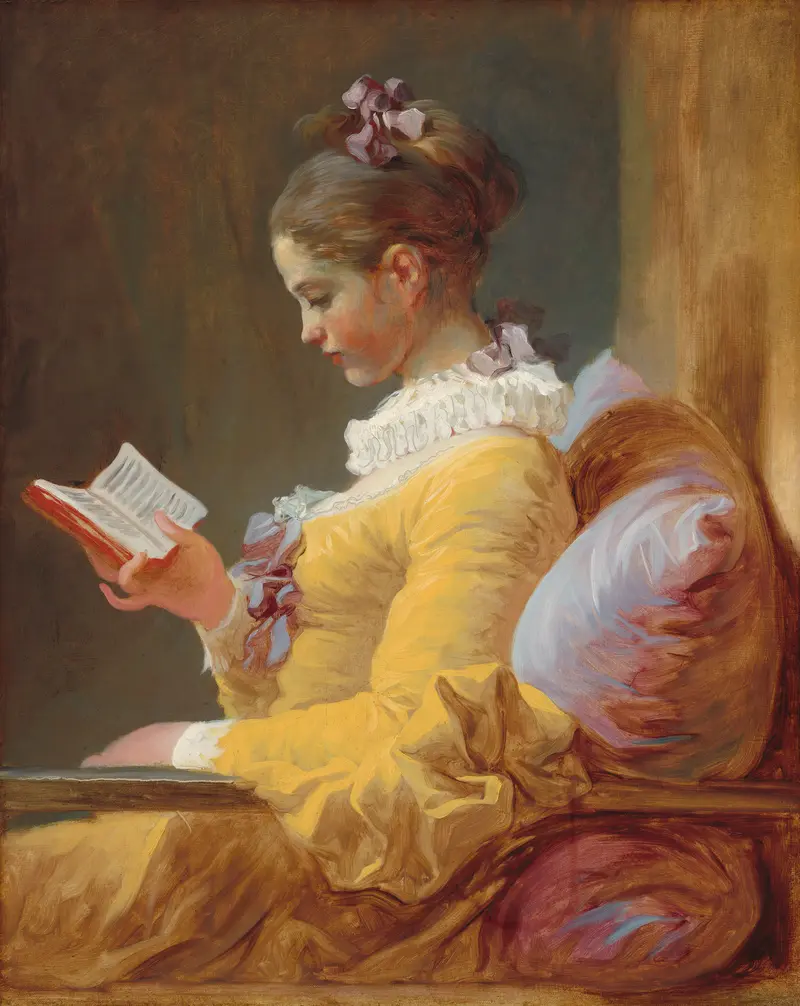
A Young Girl Reading
Jean-Honoré Fragonard
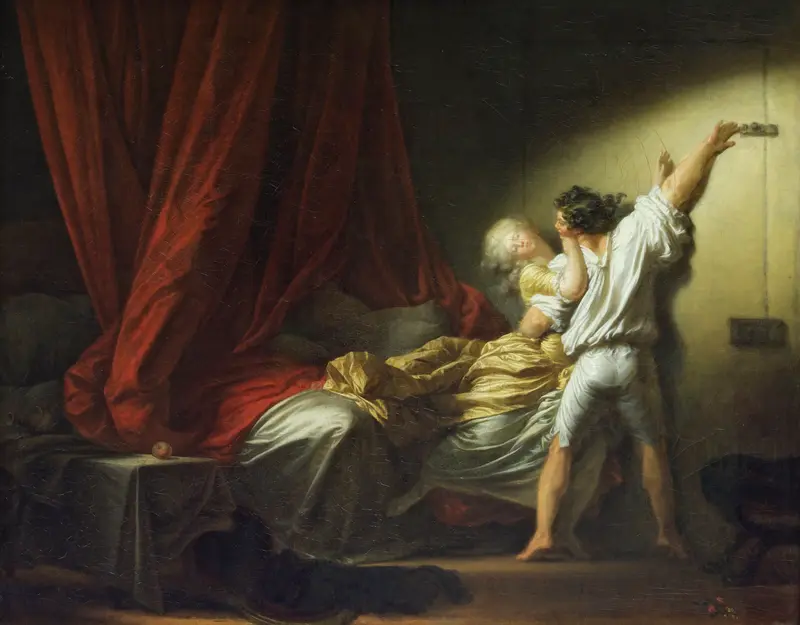
The Lock
Jean-Honoré Fragonard
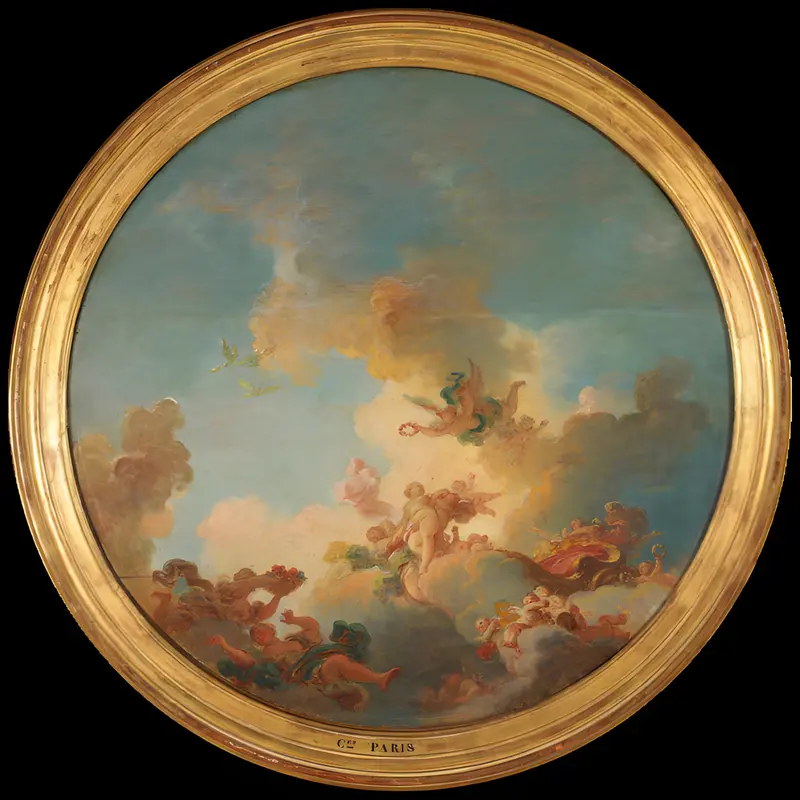
The Triumph of Venus
Jean-Honoré Fragonard
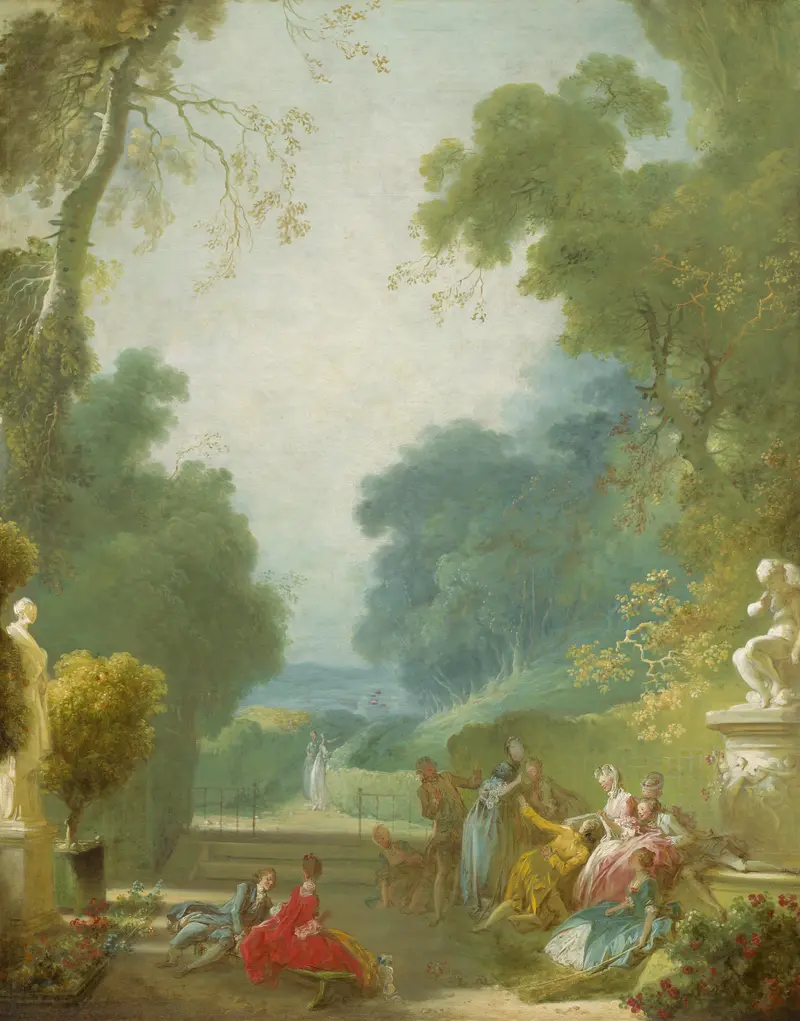
A Game of Hot Cockles
Jean-Honoré Fragonard
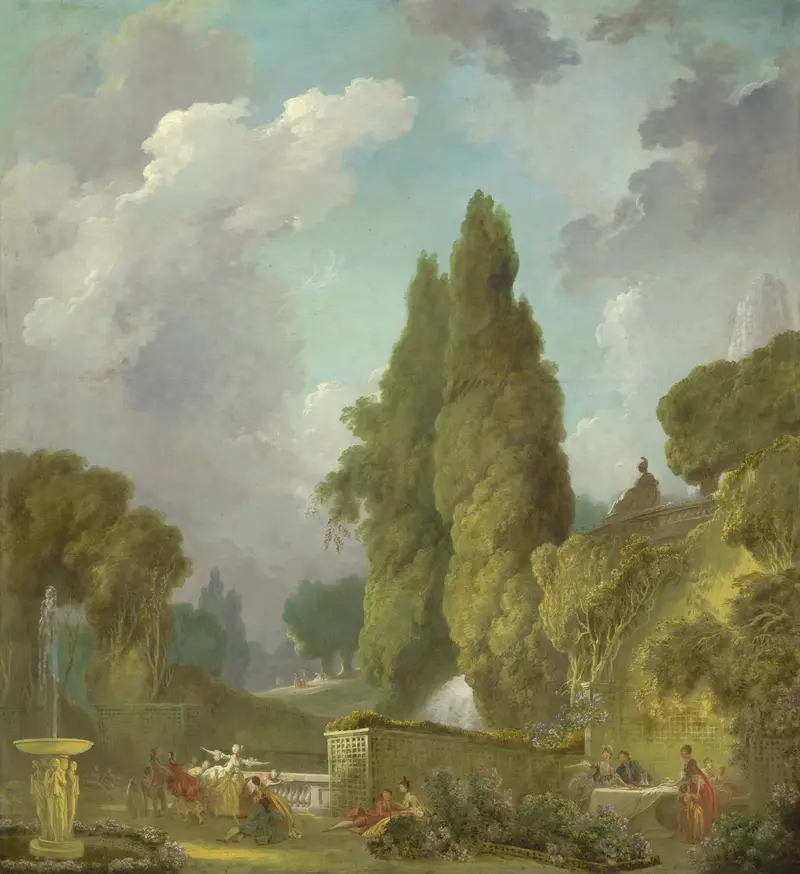
Blindman’s Buff
Jean-Honoré Fragonard
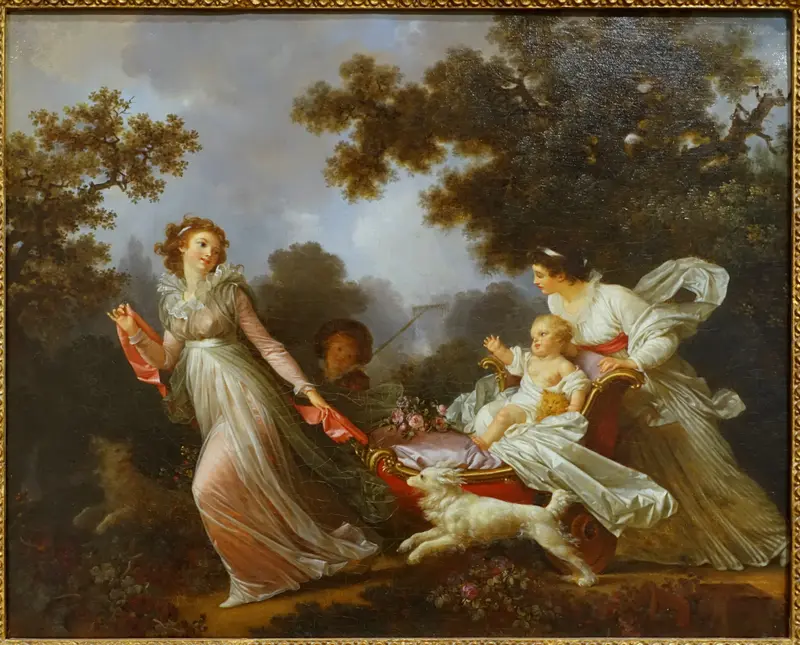
The Beloved Child
Jean-Honoré Fragonard
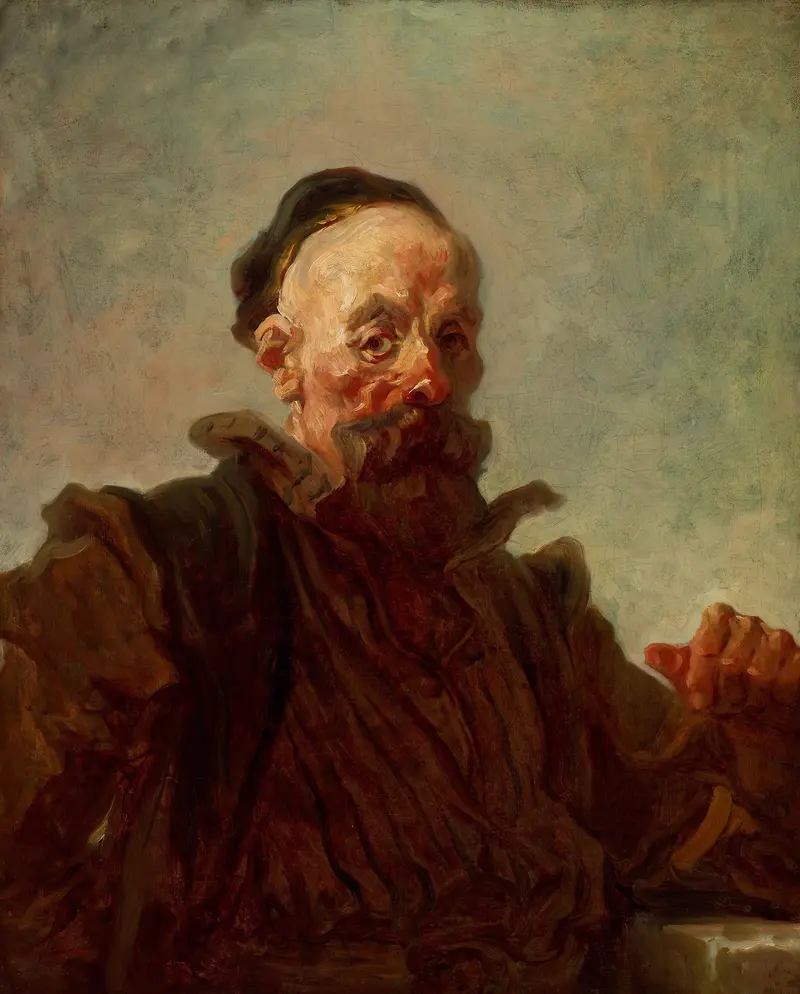
Portrait of a Man in Costume
Jean-Honoré Fragonard
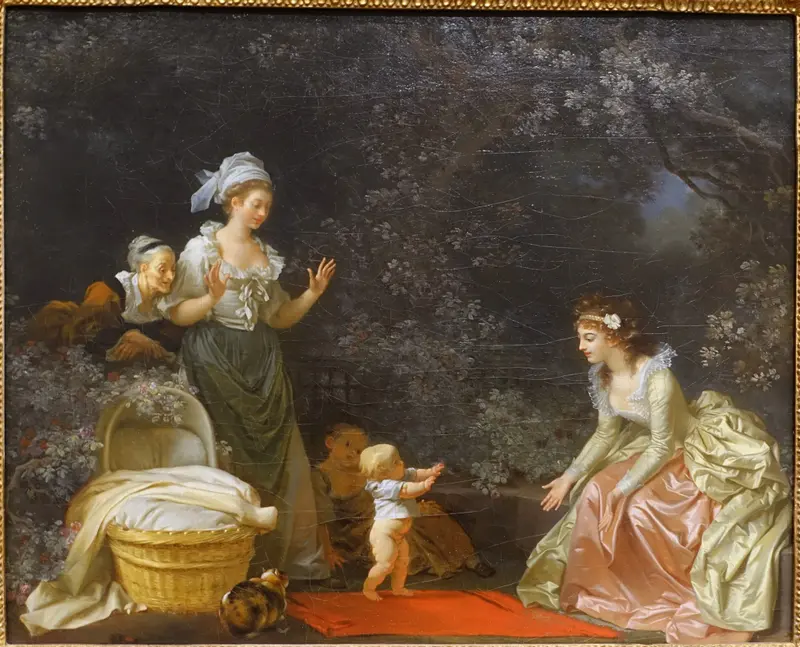
The First Steps
Jean-Honoré Fragonard
More Genre Scene Art

Banquet of the Officers of the St George Civic Guard
Frans Hals

Rembrandt and Saskia in the Scene of the Prodigal Son
Rembrandt van Rijn

Bal du moulin de la Galette
Pierre-Auguste Renoir

Quadrille at the Moulin Rouge
Henri de Toulouse-Lautrec

A Burial at Ornans
Gustave Courbet

When Will You Marry?
Paul Gauguin