
The Storm — History & Facts
When The Storm was first exhibited at the Salon of 1767, critics were startled by its wild energy—so unlike the polished grace that had made Jean-Honoré Fragonard a favorite of the Parisian elite. The painting’s tempestuous mood was a marked departure from the lighthearted fêtes galantes he had mastered, and it drew immediate attention for its bold brushwork and dramatic subject. Denis Diderot, the influential critic, singled it out for its "extraordinary force" and wondered aloud if the young artist was not "possessed by the very spirit of the elements." This was a time when French painting was beginning to shift, and The Storm stood as a harbinger of change. At the heart of The Storm is a moment of chaos: a traveler and his horse, caught in a sudden downpour, struggle against the wind as trees bend and clouds churn overhead.
Fragonard captures the instant when nature overwhelms human intention—the horse rears, the rider clings to its mane, and the landscape dissolves into a blur of motion. The diagonal slash of lightning, the whipping branches, and the rider’s desperate posture all speak to the unpredictable power of the natural world. Unlike the tranquil landscapes of Claude Lorrain, Fragonard’s scene is all movement and uncertainty, inviting viewers to feel the rush of the storm themselves. The early provenance of The Storm is not fully documented, but it is believed to have been painted during Fragonard’s years at the French Academy in Rome, where he absorbed the lessons of the Old Masters and experimented with new techniques.
The painting’s dynamic brushwork and emotional intensity would influence his later, more famous works, but The Storm remains unique in its raw depiction of nature’s fury. Over the centuries, it passed through private collections before entering the public eye, and today it stands as a testament to Fragonard’s restless inventiveness. Its current home is uncertain, as the painting’s medium and precise whereabouts are still debated among scholars, but its reputation as a daring early work endures.
More Artworks by Jean-Honoré Fragonard
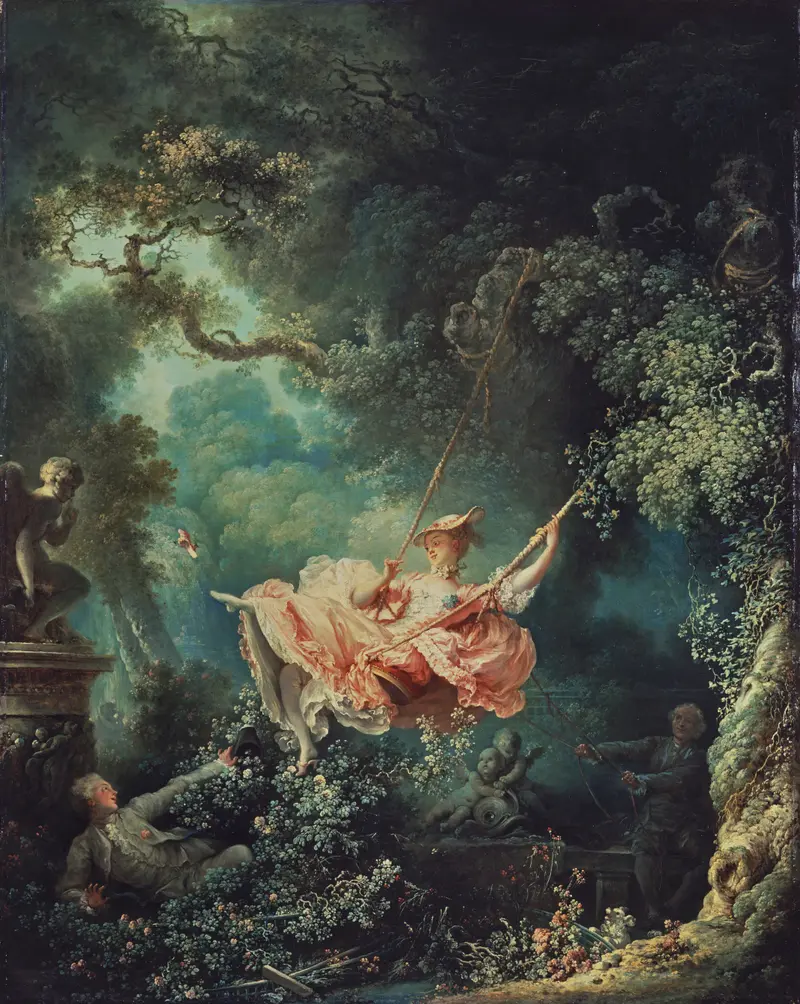
The Swing
Jean-Honoré Fragonard

The Swing
Jean-Honoré Fragonard
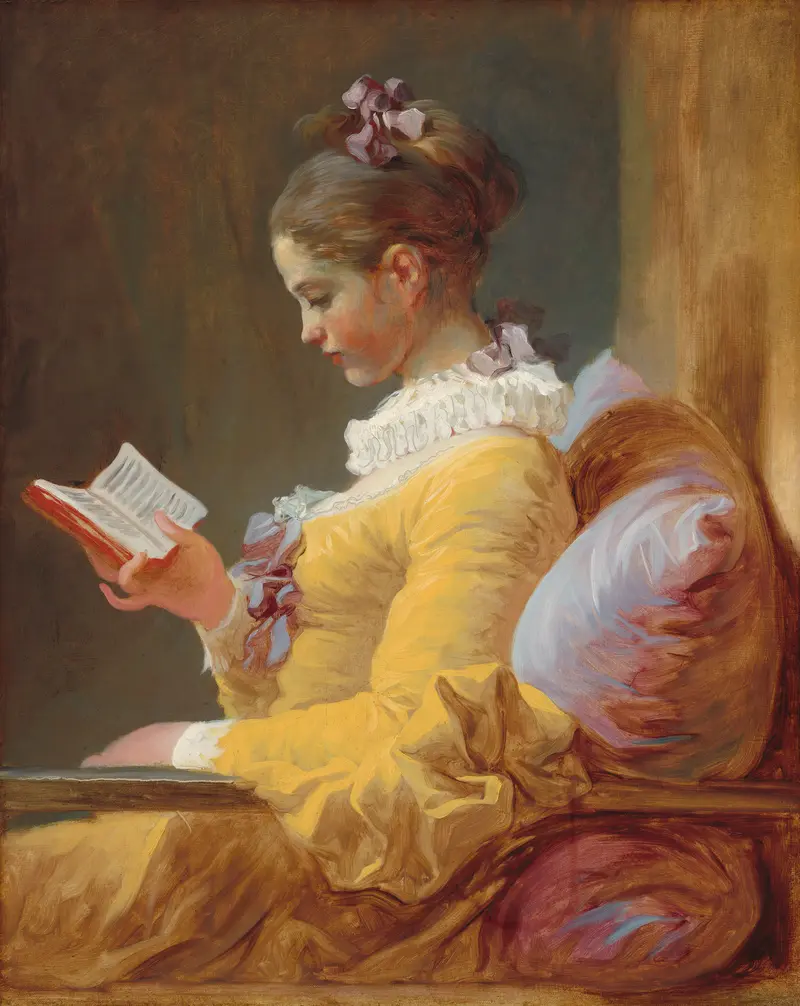
A Young Girl Reading
Jean-Honoré Fragonard
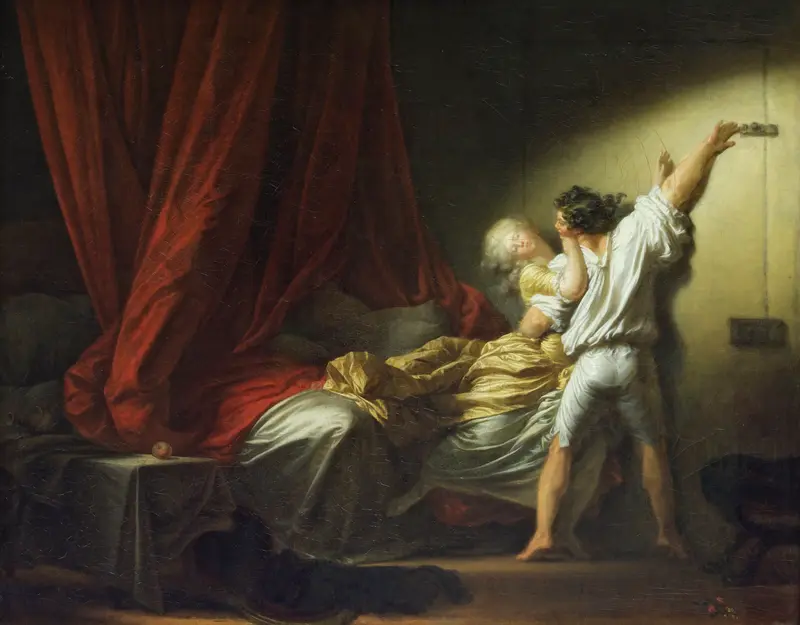
The Lock
Jean-Honoré Fragonard
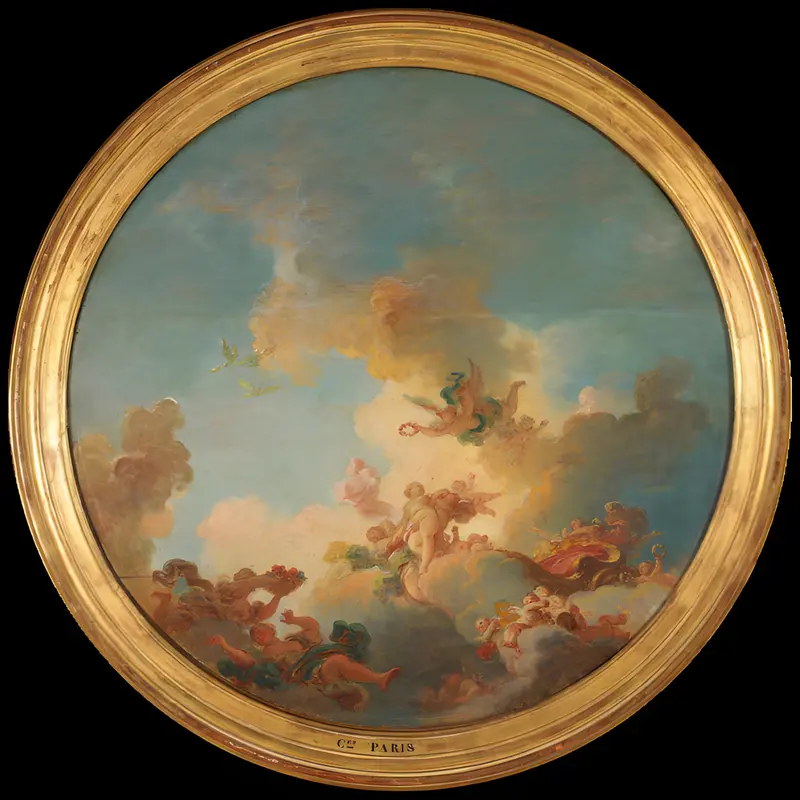
The Triumph of Venus
Jean-Honoré Fragonard
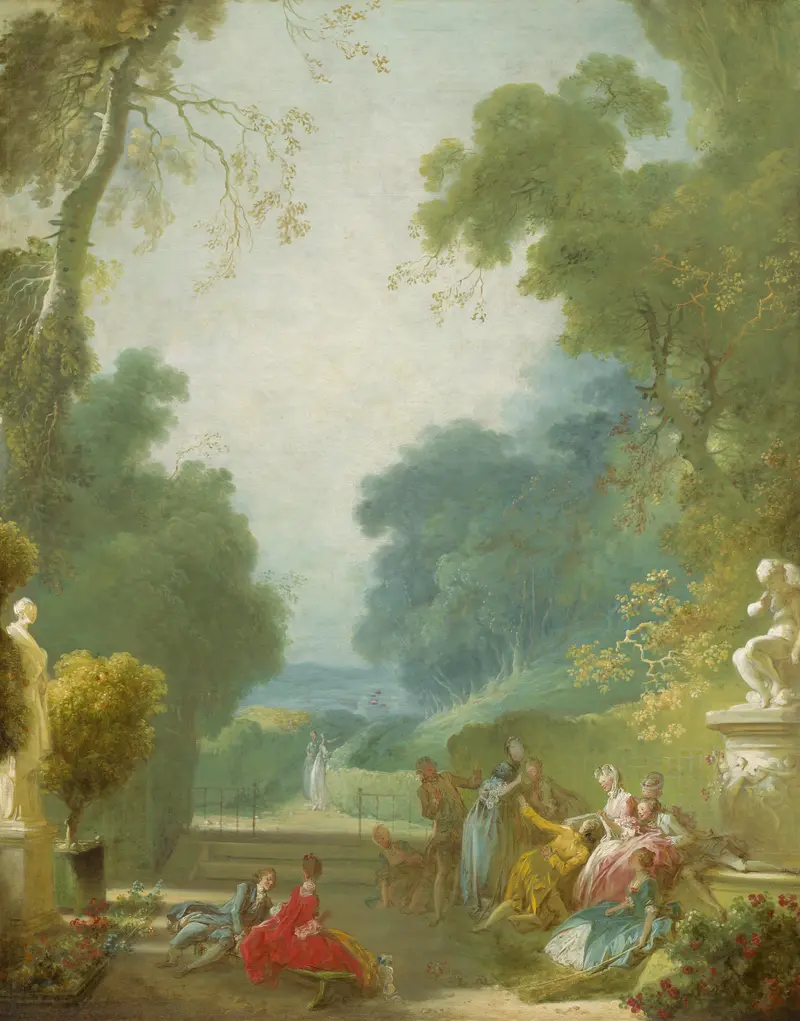
A Game of Hot Cockles
Jean-Honoré Fragonard
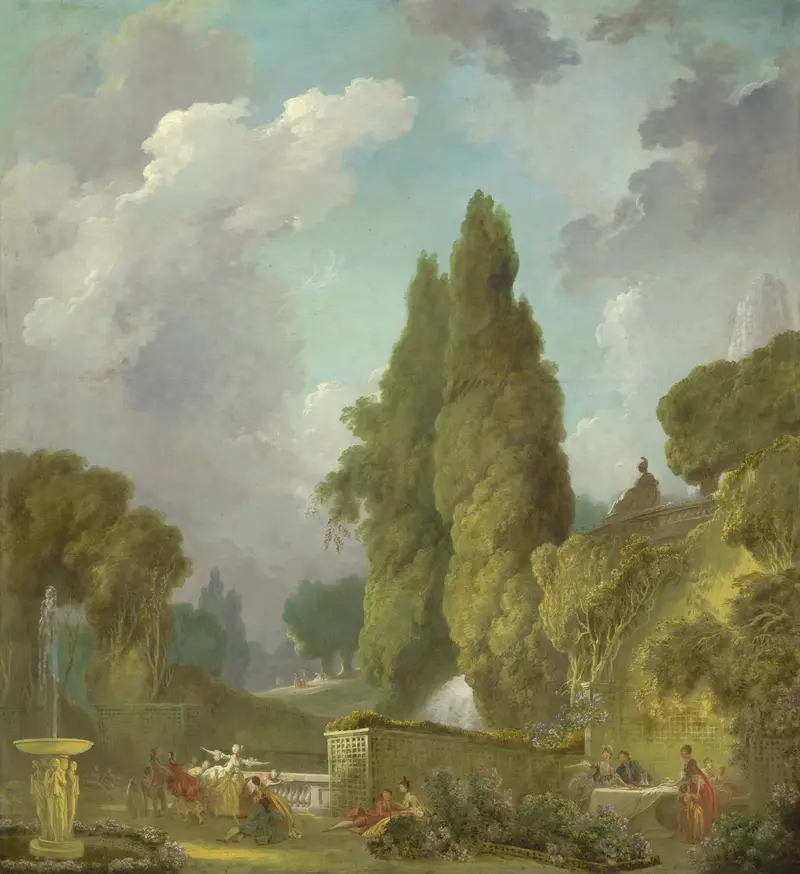
Blindman’s Buff
Jean-Honoré Fragonard
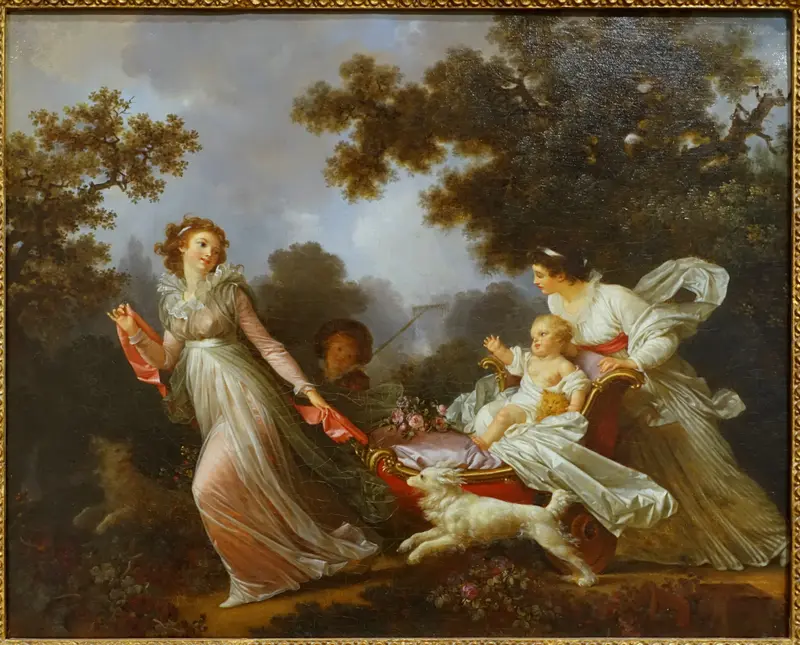
The Beloved Child
Jean-Honoré Fragonard
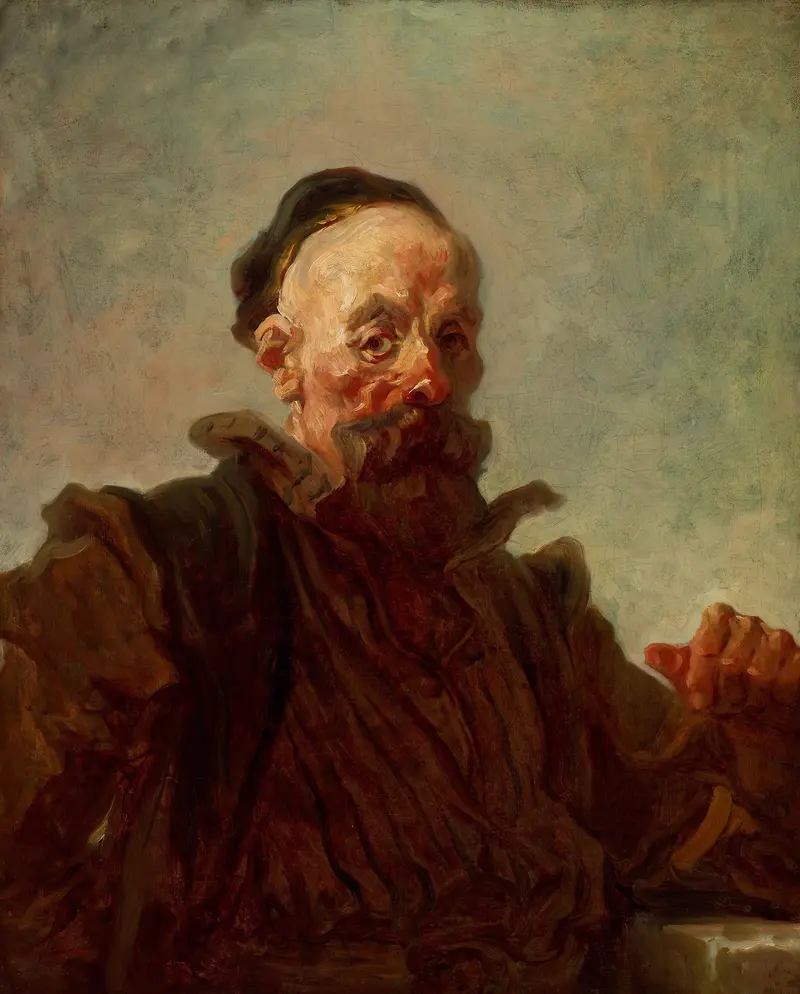
Portrait of a Man in Costume
Jean-Honoré Fragonard
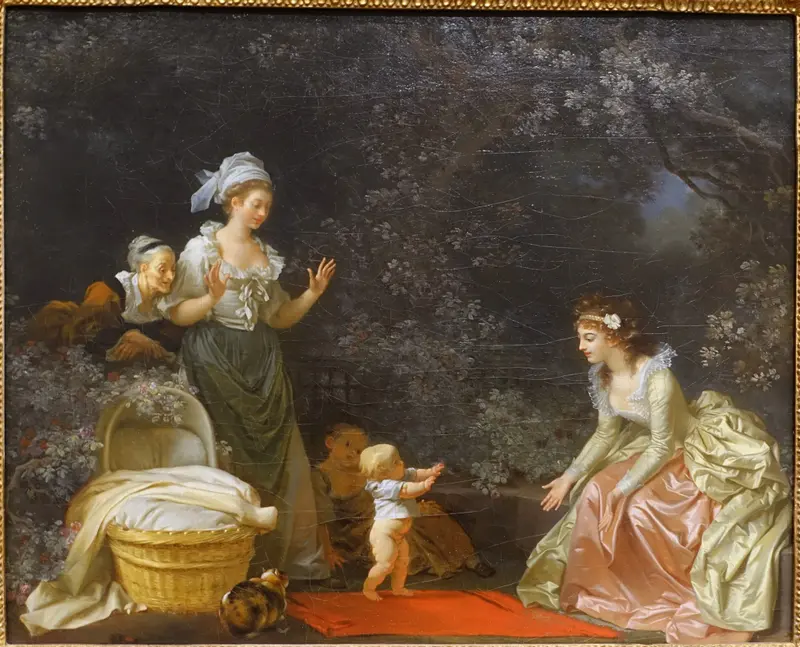
The First Steps
Jean-Honoré Fragonard
More Landscape Art

The Starry Night
Vincent van Gogh

View of Delft
Johannes Vermeer

Water Lilies
Claude Monet

The Grand Canal, Venice, looking north-west from the Ca' Corner to the Ca' Contarini degli Scrigni, with the campanile of Santa Maria della Carità
Canaletto

Windsor Castle
Canaletto

The Grand Canal looking North-East from the Palazzo Dolfin-Manin to the Rialto Bridge
Canaletto