
The three Marys at the Tomb — History & Facts
No written record survives to confirm for whom or what purpose The three Marys at the Tomb was painted, but its attribution to Jan van Eyck has long fascinated scholars. The painting’s authorship remains a subject of debate: some experts see the hand of van Eyck himself, while others detect the influence of his workshop or followers. What is certain is that this work stands among the earliest known Netherlandish depictions of the Resurrection narrative, and it is one of only a few surviving treatments of this subject from the early 15th century.
Its technical finesse, especially in the rendering of fabrics and landscape, has fueled arguments for van Eyck’s direct involvement. The scene captures the dawn after the Crucifixion, as Mary Magdalene, Mary Cleophas, and Mary Salome approach Christ’s tomb to anoint his body, only to find the stone rolled away and an angel awaiting them. The painter freezes the moment of revelation: the women, draped in rich, angular robes, recoil in awe and confusion, while the angel—resplendent in white—gestures toward the empty sepulcher. In the background, soldiers slumber, oblivious to the miracle.
The use of light, breaking over the horizon, serves as both a literal and symbolic harbinger of resurrection. Compared to Fra Angelico’s Women at the Tomb, van Eyck’s version is more grounded in observed detail, with a landscape that draws the viewer into the tangible world of 15th-century Flanders. The painting’s early provenance is unknown, and its medium remains uncertain—panel or parchment have both been suggested. It likely formed part of a private devotional ensemble, intended for contemplation rather than public display.
Over centuries, the work has passed through several collections, sometimes misattributed or overshadowed by more famous altarpieces. Today, The three Marys at the Tomb is recognized as a vital link in the evolution of Northern Renaissance painting, exemplifying Jan van Eyck’s enduring influence on religious art and the depiction of sacred narrative.
More Artworks by Jan van Eyck

Adam
Jan van Eyck
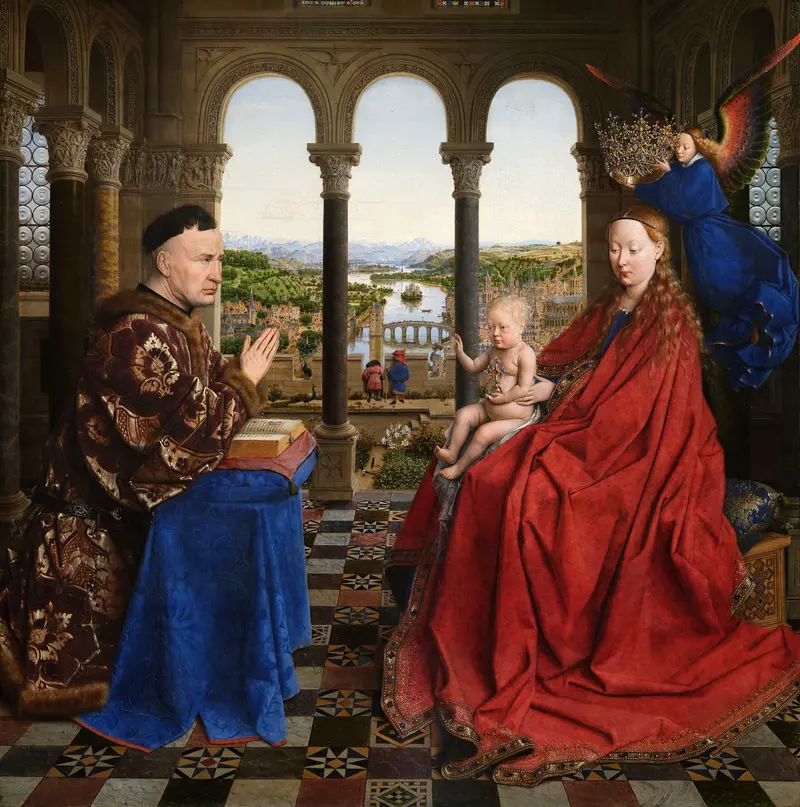
Madonna of Chancellor Rolin
Jan van Eyck
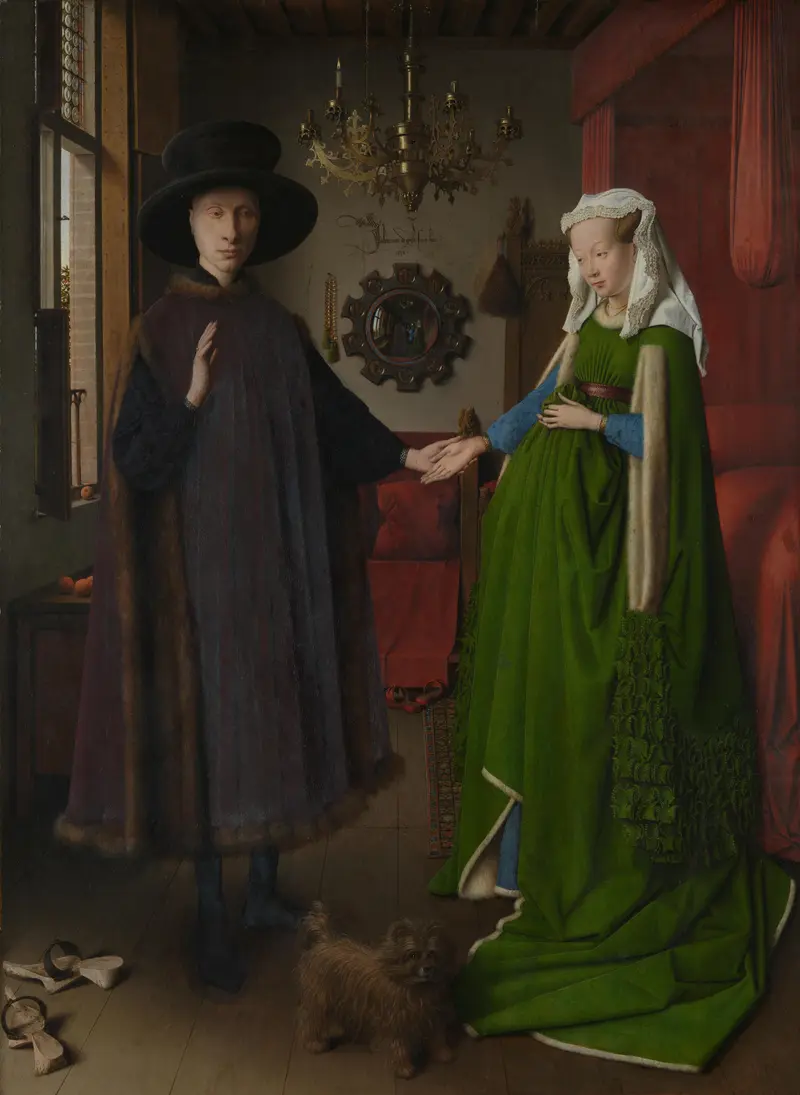
The Arnolfini Portrait
Jan van Eyck
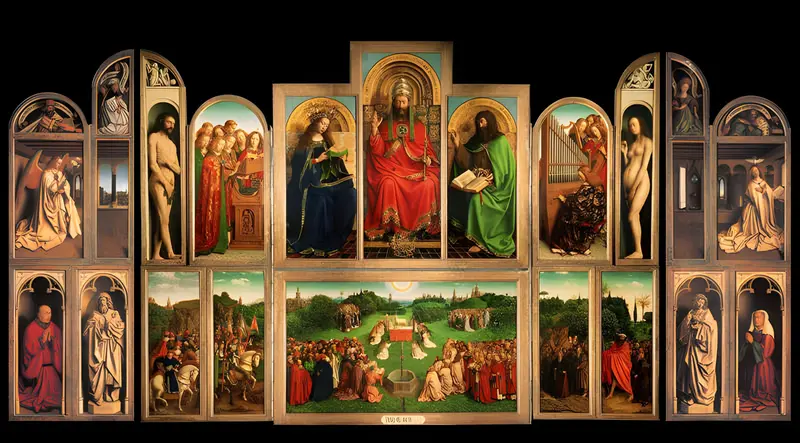
Ghent Altarpiece
Jan van Eyck

Dresden Triptych
Jan van Eyck
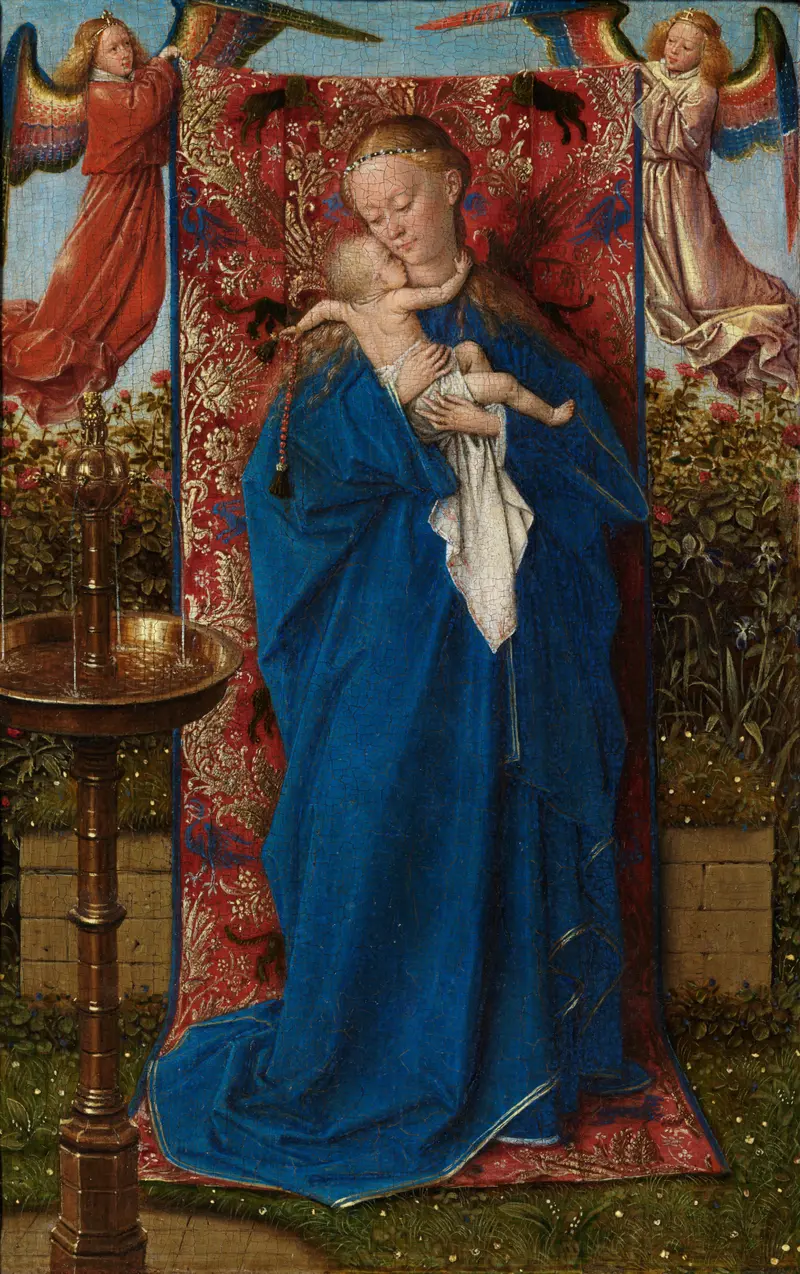
Madonna at the Fountain
Jan van Eyck

Madonna with Canon Joris van der Paele
Jan van Eyck

Prophet Zacharias; Angel of The Annunciation
Jan van Eyck
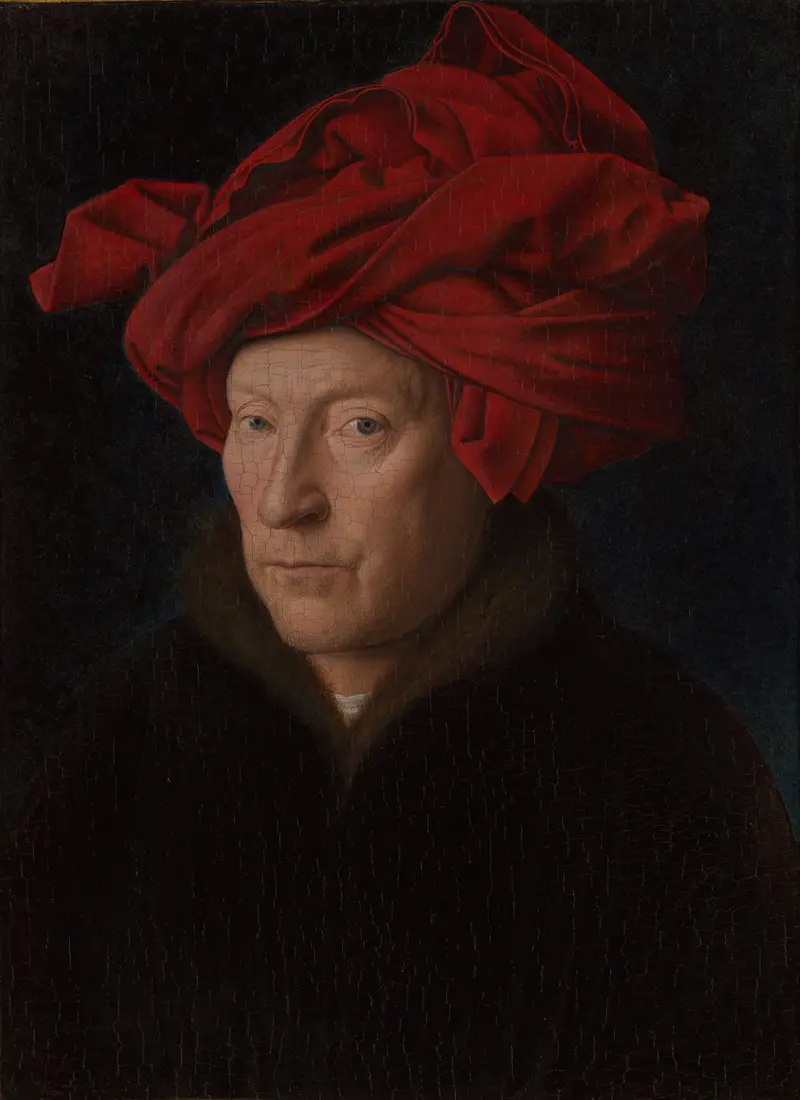
Portrait of a Man (Self Portrait?)
Jan van Eyck
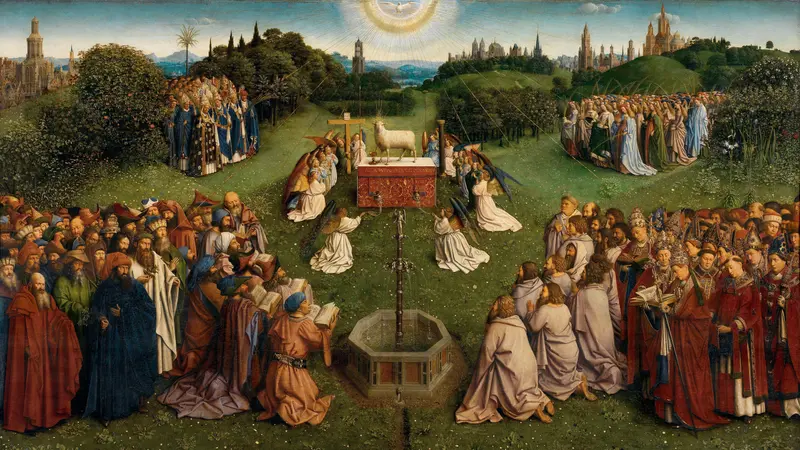
Adoration of the Lamb from the Ghent Altarpiece
Jan van Eyck





