
Two Draped Women Standing on Either Side of a Herm — History & Facts
No one knows for certain why Filippino Lippi chose to flank a herm—a sculpted pillar topped with a head, sacred to the ancient Greeks—with two stately women, but the motif appears more than once in his drawings and frescoes. The herm, a symbol of boundary and transition, was a familiar sight in Renaissance Florence, often marking crossroads both literal and philosophical. This particular composition has long puzzled art historians: does it represent a lost myth, a philosophical allegory, or a decorative study for a larger project? The ambiguity has only deepened its allure, inviting viewers to speculate on the intentions behind its enigmatic arrangement. The two women stand in mirrored poses, their hands gently resting on the herm’s base, their draped garments falling in studied folds that recall the antique statuary so admired in Lippi’s circle.
Their serene expressions and classical profiles evoke the muses or priestesses of ancient lore, yet their identities remain tantalizingly out of reach. The herm itself, with its impassive face, acts as a silent mediator between the two figures—perhaps suggesting a dialogue between the sacred and the secular, or between past and present. The careful attention to the play of light across fabric and marble echoes the influence of Botticelli, Lippi’s teacher, whose own mythological scenes also blend human grace with symbolic objects. The origins and purpose of Two Draped Women Standing on Either Side of a Herm remain uncertain, as neither commission nor patron is recorded, and the date and medium are still debated.
Some scholars propose it was a preparatory drawing for a lost fresco or a decorative panel, while others see it as an independent work of invention. The piece has traveled through various collections, often attributed alternately to Filippino Lippi and his contemporaries, before consensus settled on Lippi’s hand based on stylistic evidence. Today, it stands as a testament to the artist’s fascination with antiquity and allegory, a quiet but persistent voice from the heart of the Florentine Renaissance.
More Artworks by Filippino Lippi

Portrait of a Youth
Filippino Lippi
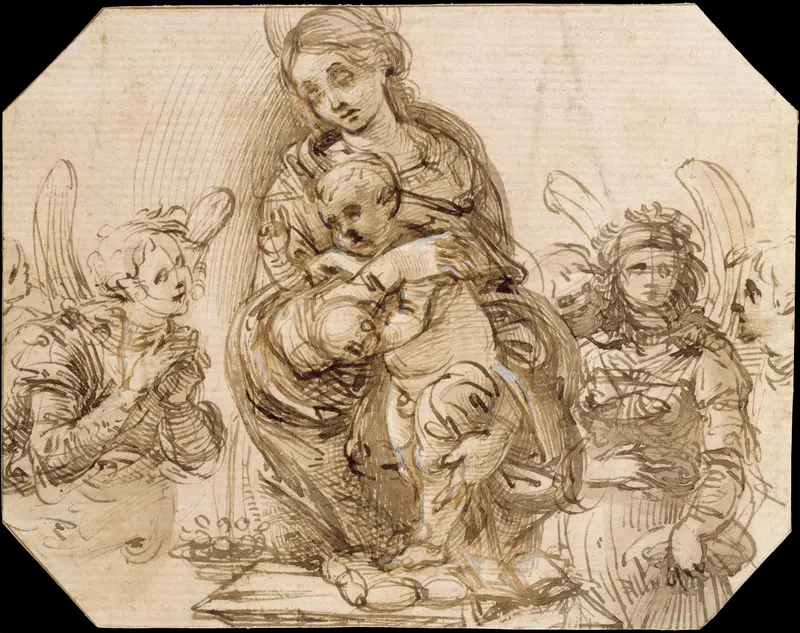
Virgin and Child Attended by Angels
Filippino Lippi

Christ on the Cross
Filippino Lippi
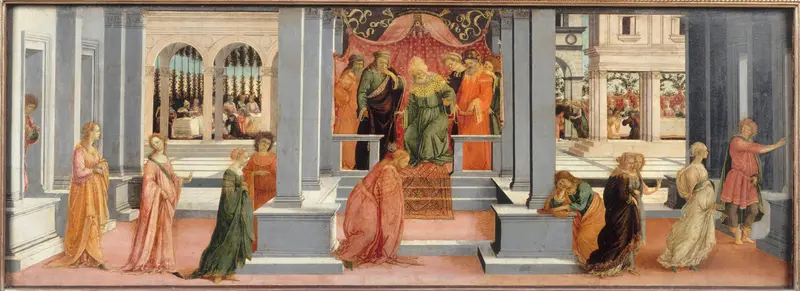
Esther choisie par Assuérus
Filippino Lippi
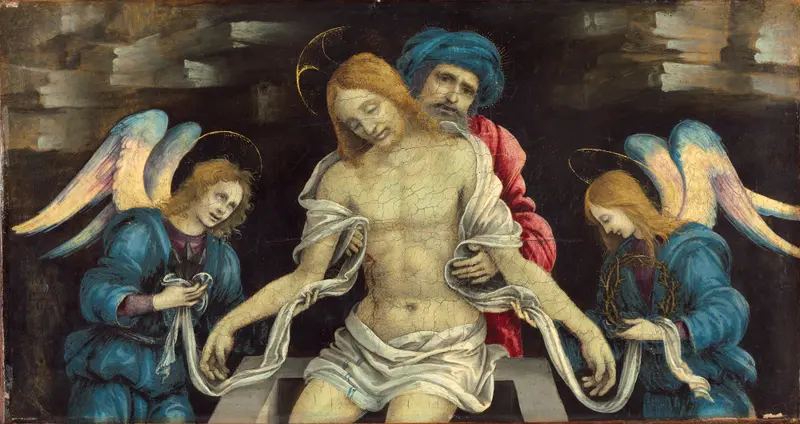
Pietà (The Dead Christ Mourned by Nicodemus and Two Angels)
Filippino Lippi
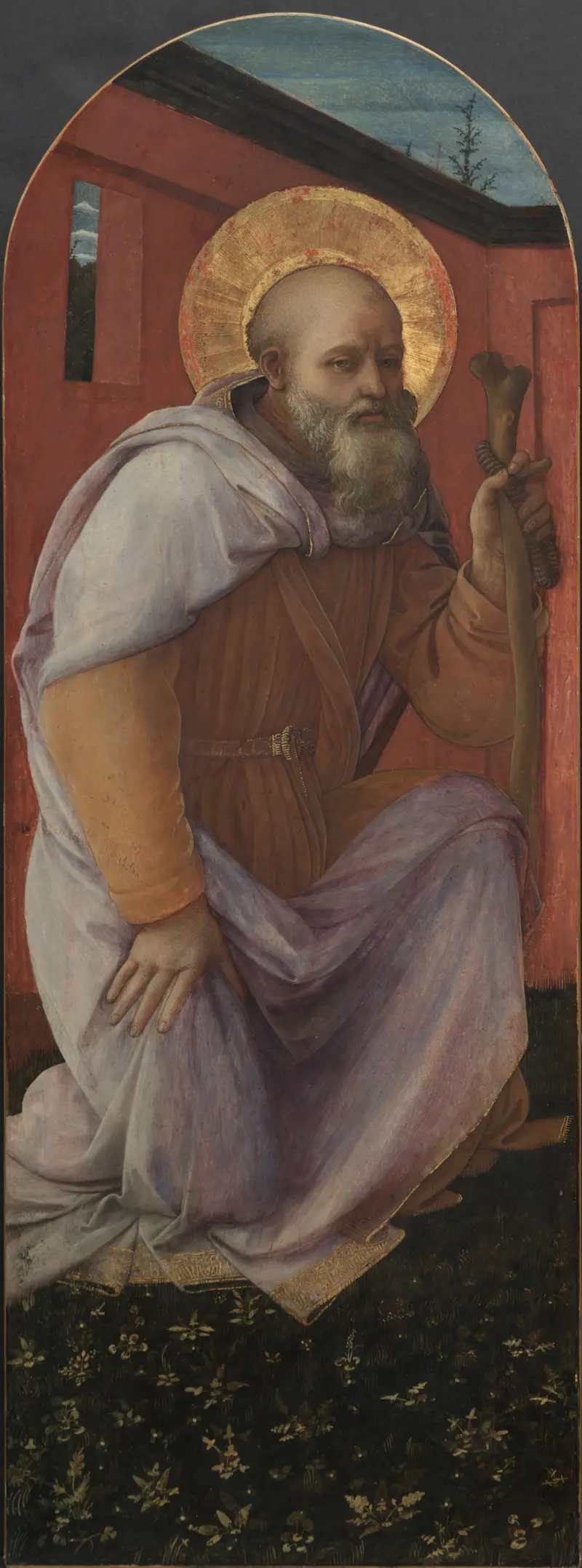
St. Anthony Abbot
Filippino Lippi
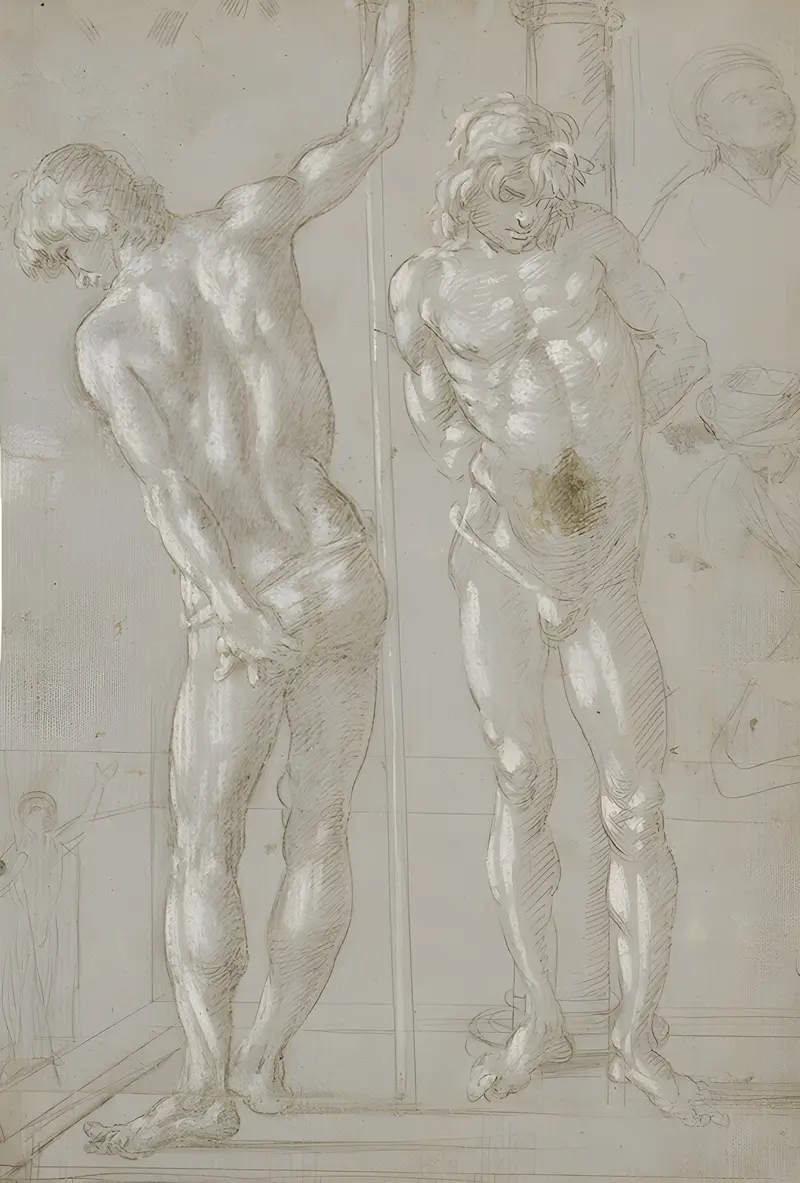
Studies of Christ at the Column, a Nude from Behind, and Various Figures
Filippino Lippi
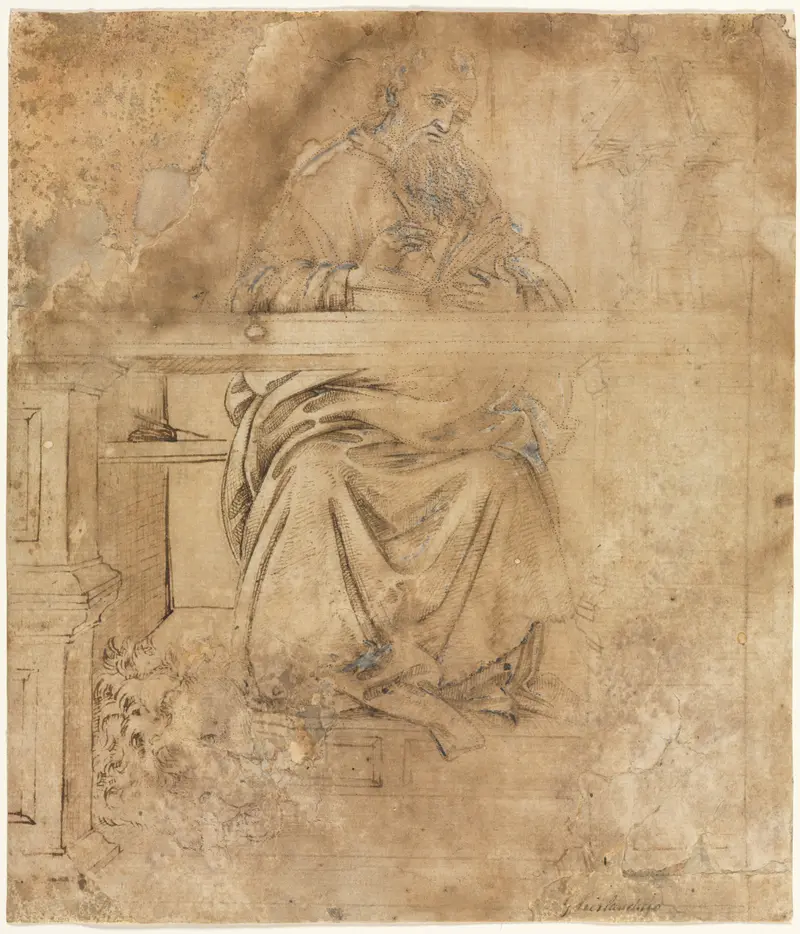
St. Jerome in His Study
Filippino Lippi
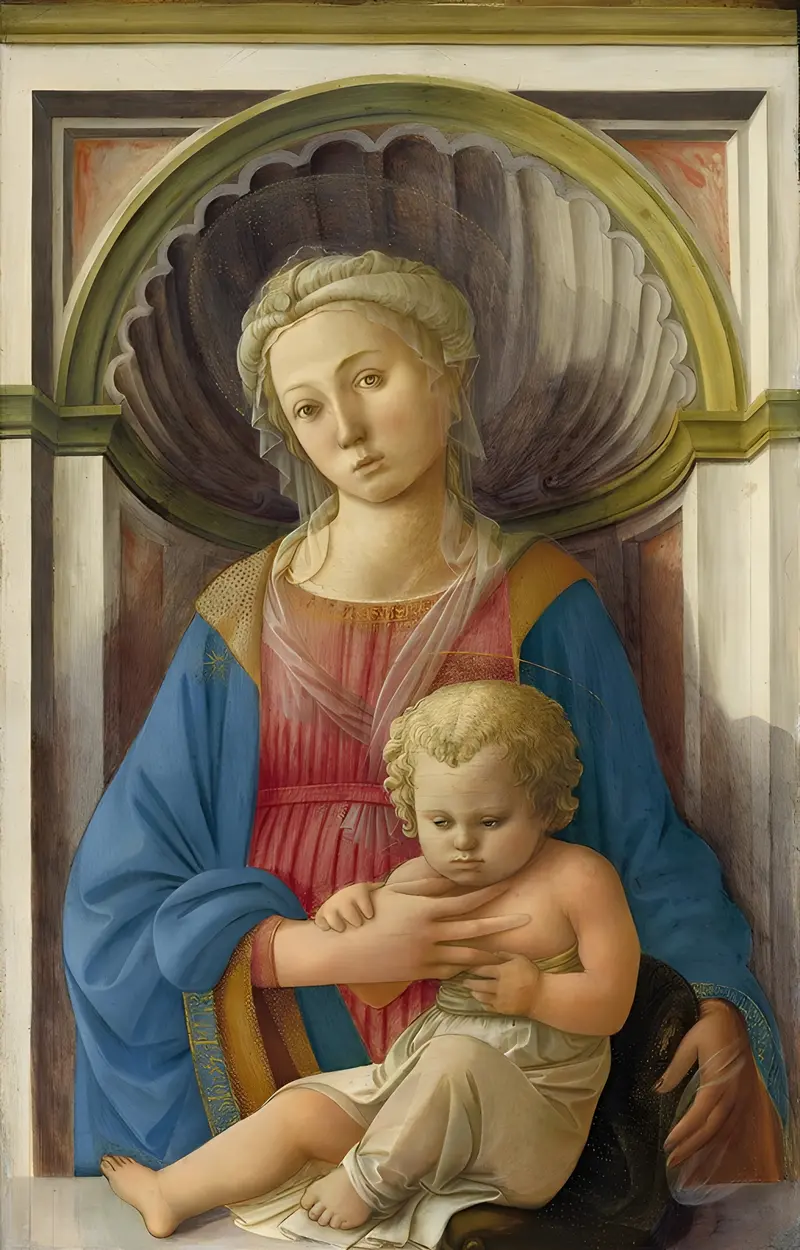
Madonna and Child
Filippino Lippi
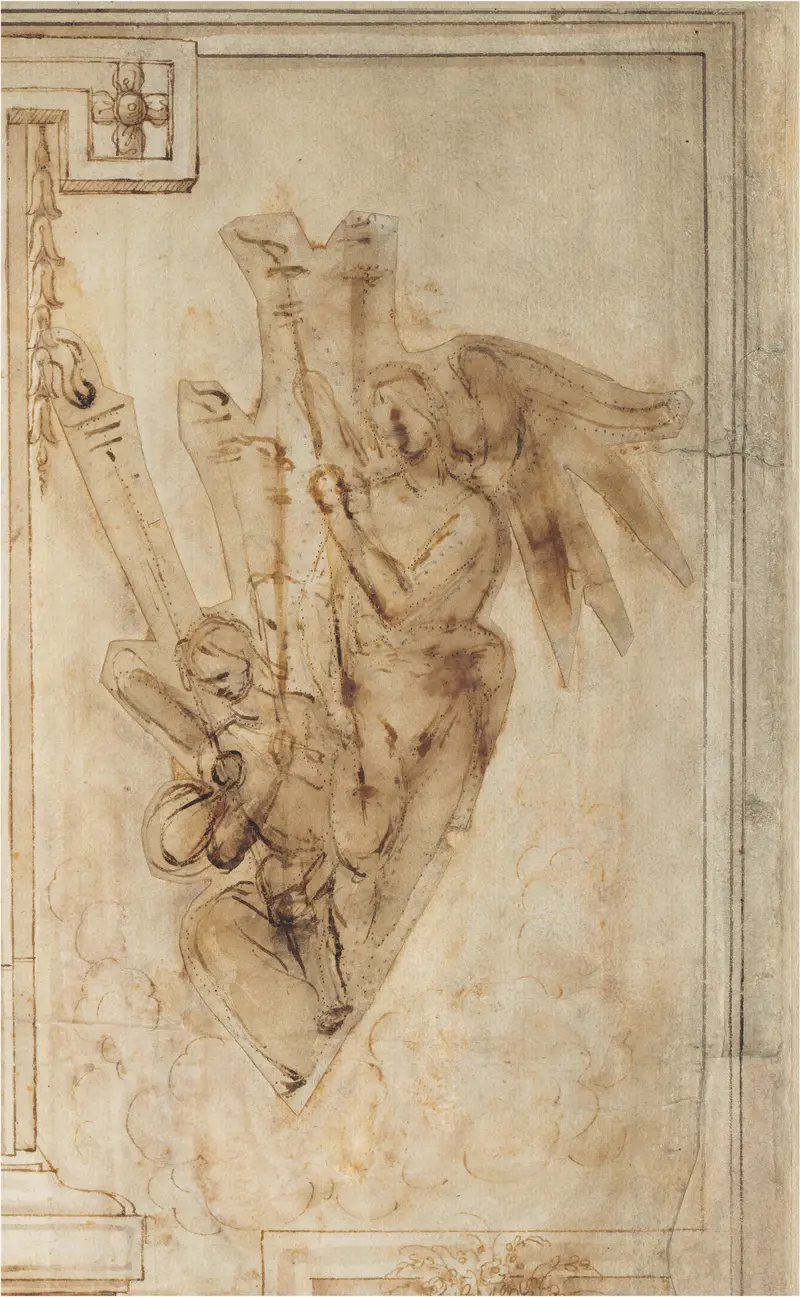
Two Angels Carrying Torches
Filippino Lippi



