
Venus and Cupid (Sleeping Venus) — History & Facts
When Artemisia Gentileschi painted Venus and Cupid (Sleeping Venus) in 1627, she was already renowned for her bold interpretations of myth and history, but this work stands out for its mysterious origins and the debate it has sparked among scholars. Unlike her dramatic biblical heroines, here Gentileschi turns to a more intimate mythological subject, and for centuries, the painting’s authorship was questioned—some attributing it to her father, Orazio Gentileschi. Only careful study of the brushwork and composition in recent decades has firmly reestablished Artemisia as the creator, highlighting her unique approach to the female form. The canvas captures Venus in a moment of deep sleep, her body relaxed and vulnerable, while Cupid hovers nearby, gently removing a strand of pearls from her neck.
This is not the triumphant goddess of love, but a woman at rest, her sensuality unguarded and unposed. The pearls—symbols of beauty and desire—are handled with a tenderness that shifts the scene from erotic display to private reverie. Artemisia’s use of warm, golden light caresses Venus’s skin, inviting the viewer into the quiet intimacy of the moment.
In contrast to Titian’s celebrated Venus of Urbino, where the goddess meets the viewer’s gaze, Gentileschi’s Venus is lost in dreams, her power undiminished but her agency at rest. The early history of Venus and Cupid (Sleeping Venus) is not fully documented; it likely remained in private hands for generations, typical of mythological works painted for discerning collectors in the Baroque period. The painting’s attribution to Artemisia was only solidified in the late twentieth century, as renewed interest in her career brought closer scrutiny to works previously overshadowed by her male contemporaries. Today, it is recognized as a pivotal example of her ability to reinterpret classical themes through a distinctly personal lens, and it hangs as a testament to her artistry in the public collection of the Virginia Museum of Fine Arts.
The painting continues to inspire discussion about authorship, gender, and the boundaries of myth in art.
More Artworks by Artemisia Gentileschi

Judith Beheading Holofernes
Artemisia Gentileschi
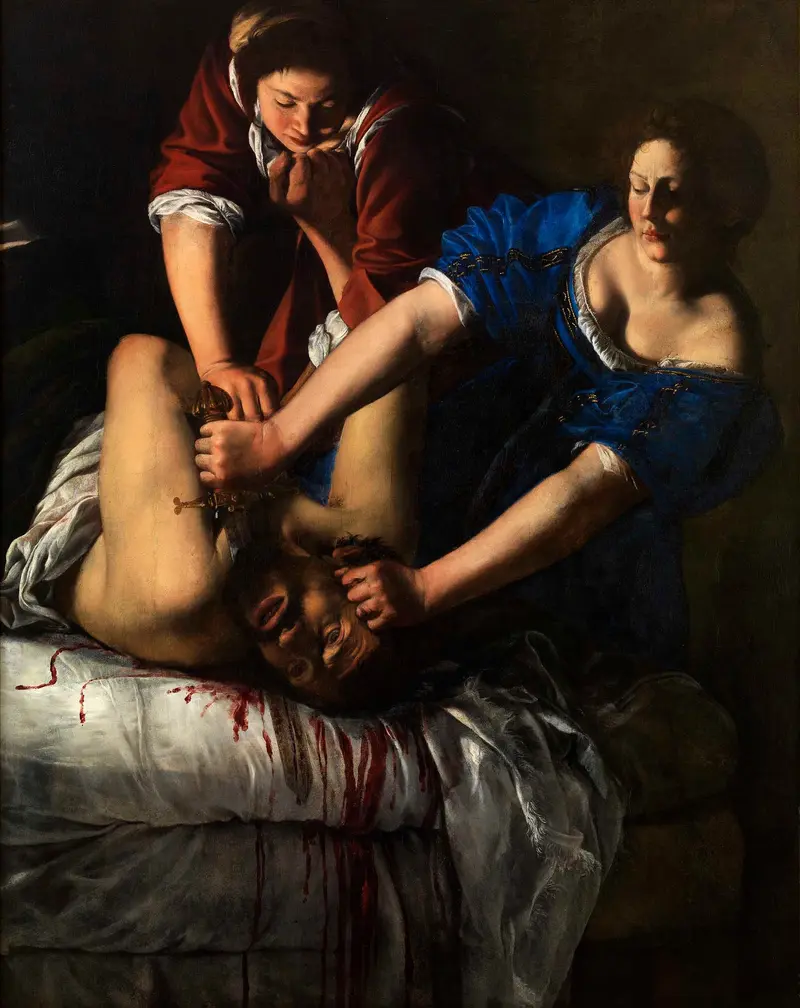
Judith Slaying Holofernes
Artemisia Gentileschi
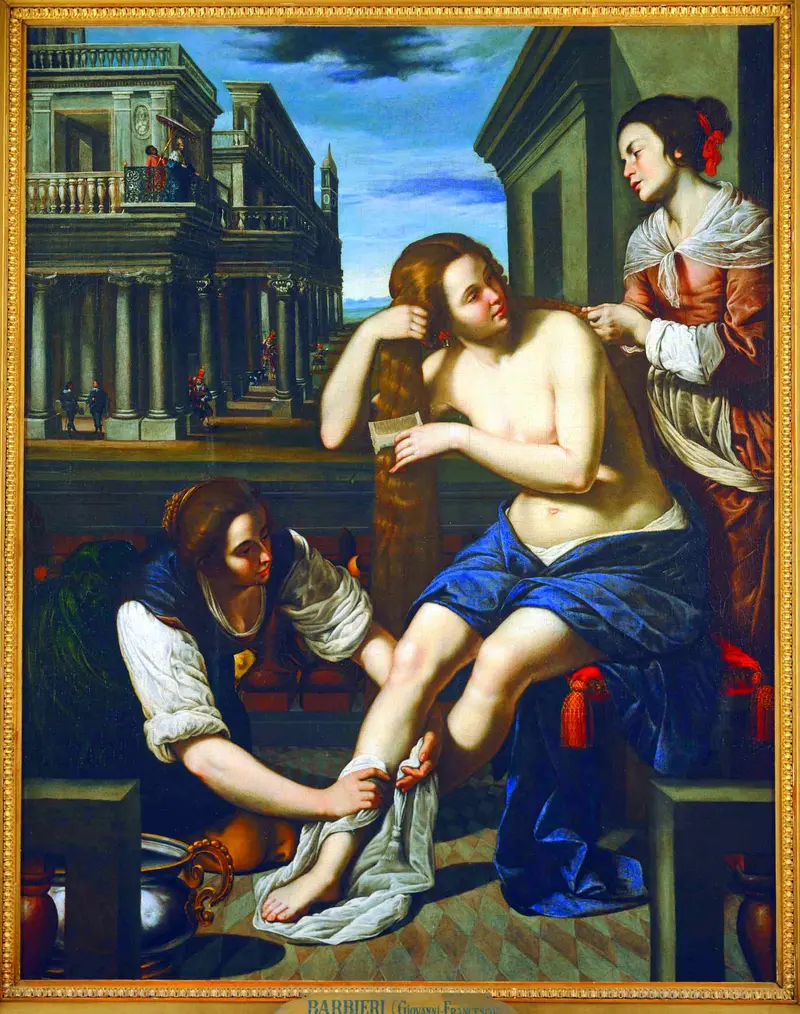
Bathsheba at Her Bath
Artemisia Gentileschi
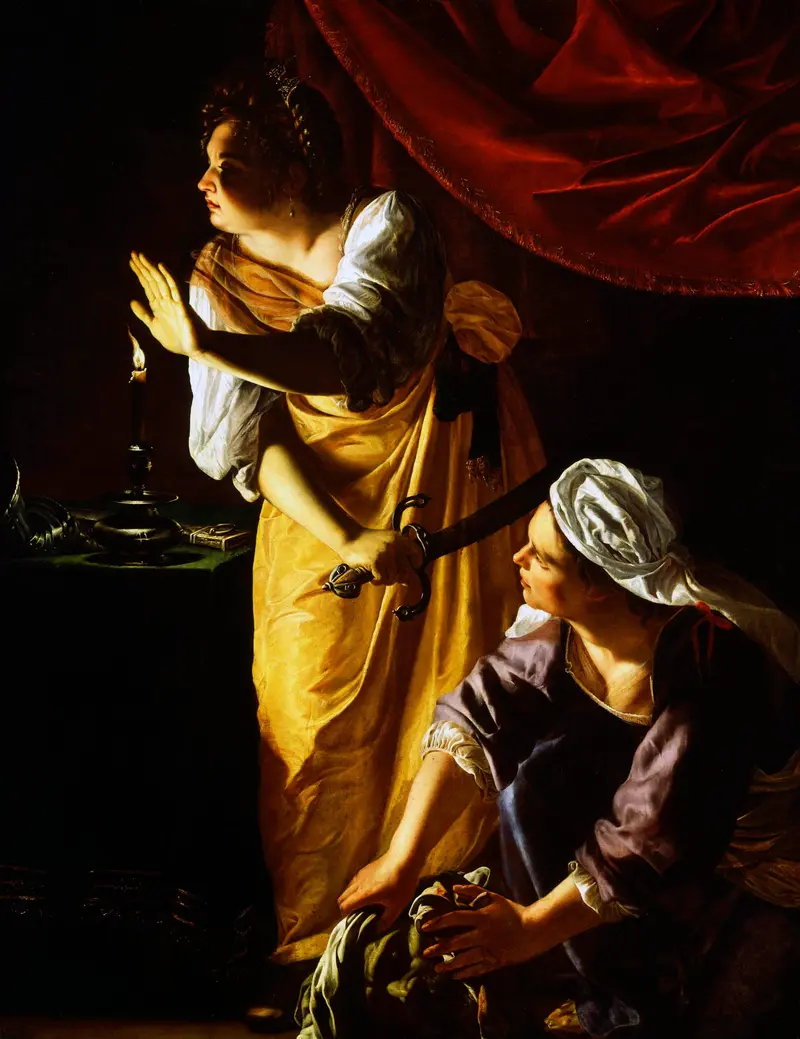
Judith and Maidservant with Head of Holofernes
Artemisia Gentileschi

Adoration of the Magi
Artemisia Gentileschi
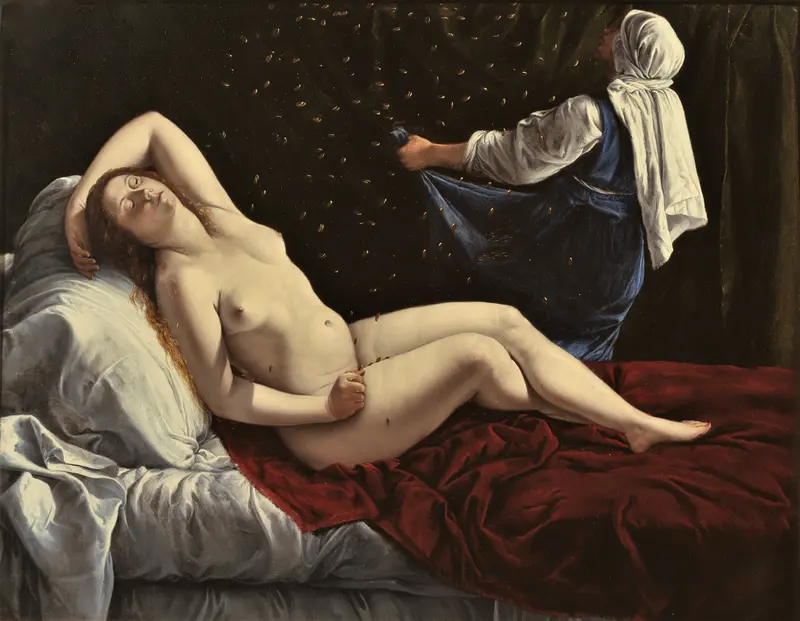
Danaë
Artemisia Gentileschi
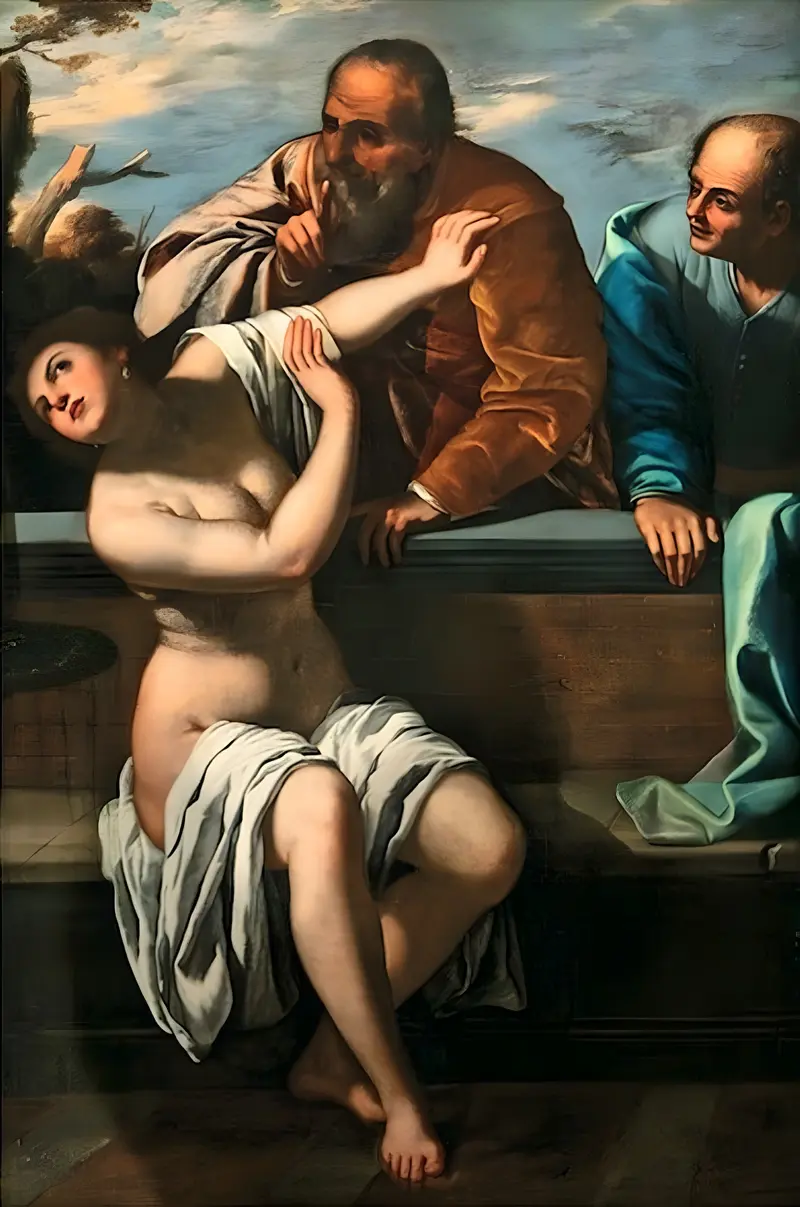
Susannah and the Elders
Artemisia Gentileschi

Judith and her Servant with the Head of Holofernes
Artemisia Gentileschi
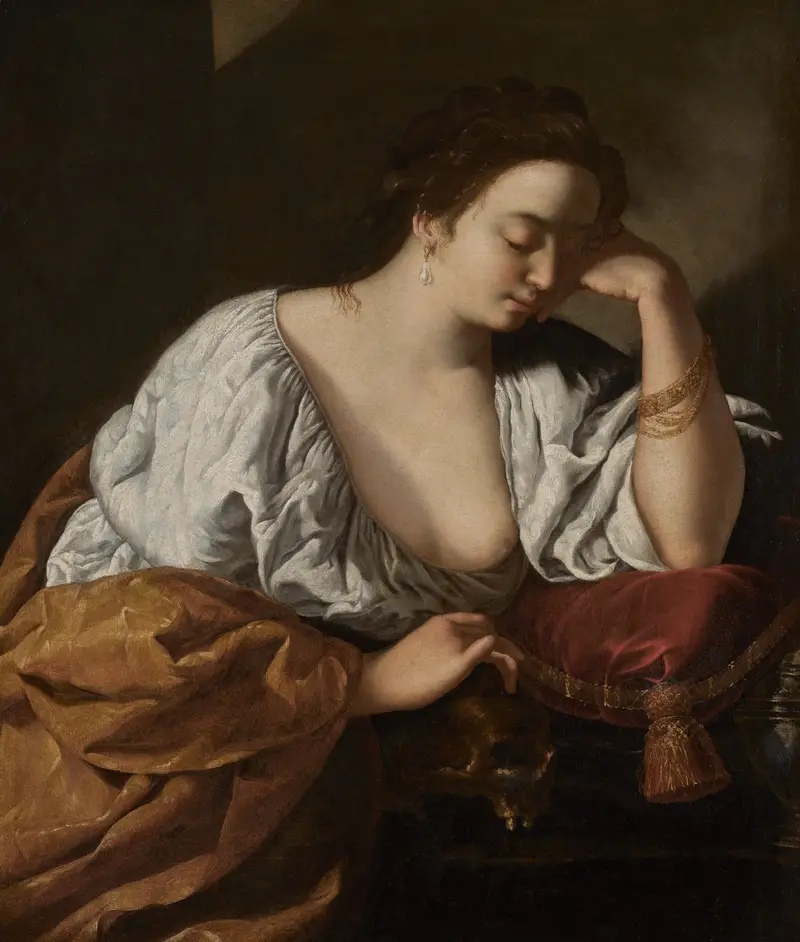
Madeleine pénitente, par
Artemisia Gentileschi

Portrait of a Gonfaloniere
Artemisia Gentileschi





