
Virgin and Child with a Rosary — History & Facts
In 1651, Artemisia Gentileschi signed her name to Virgin and Child with a Rosary in Naples, making it one of her few securely dated works from her later career. This painting stands out because it is one of the rare Marian images by Artemisia, an artist better known for her dramatic heroines and Old Testament figures. Its existence also marks a moment when the cult of the rosary was at its peak in Italy, and such images were in high demand for both private devotion and church altars.
The painting’s provenance remains partly mysterious, but its signed date anchors it firmly in the artist’s Neapolitan period, a time when she was gaining new patrons and adapting her style to local tastes. The scene captures the Virgin Mary, seated and serene, holding the Christ Child on her lap as he reaches for the rosary beads draped between them. The rosary itself is not just an accessory; it is a symbol of prayer and intercession, and its inclusion would have resonated deeply with viewers in Counter-Reformation Naples. The gentle touch between mother and child, the soft modeling of flesh, and the warm, enveloping light all speak to Artemisia’s sensitivity to maternal intimacy—a quality that distinguishes her approach from the more formal, distant Madonnas of artists like Guido Reni.
Here, the Virgin’s gaze meets the viewer’s directly, inviting contemplation and a personal connection to the sacred. Little is known about the original patron or the early history of Virgin and Child with a Rosary, though it likely served as a devotional image in a private chapel or religious institution. The painting’s signed date helps scholars place it within Artemisia’s late style, marked by a softer palette and a more contemplative mood than her Roman and Florentine works. Over the centuries, the painting changed hands several times, sometimes misattributed or overshadowed by her more dramatic subjects.
Today, it stands as a testament to her versatility and her ability to infuse even traditional religious themes with a sense of lived emotion and presence.
More Artworks by Artemisia Gentileschi

Judith Beheading Holofernes
Artemisia Gentileschi
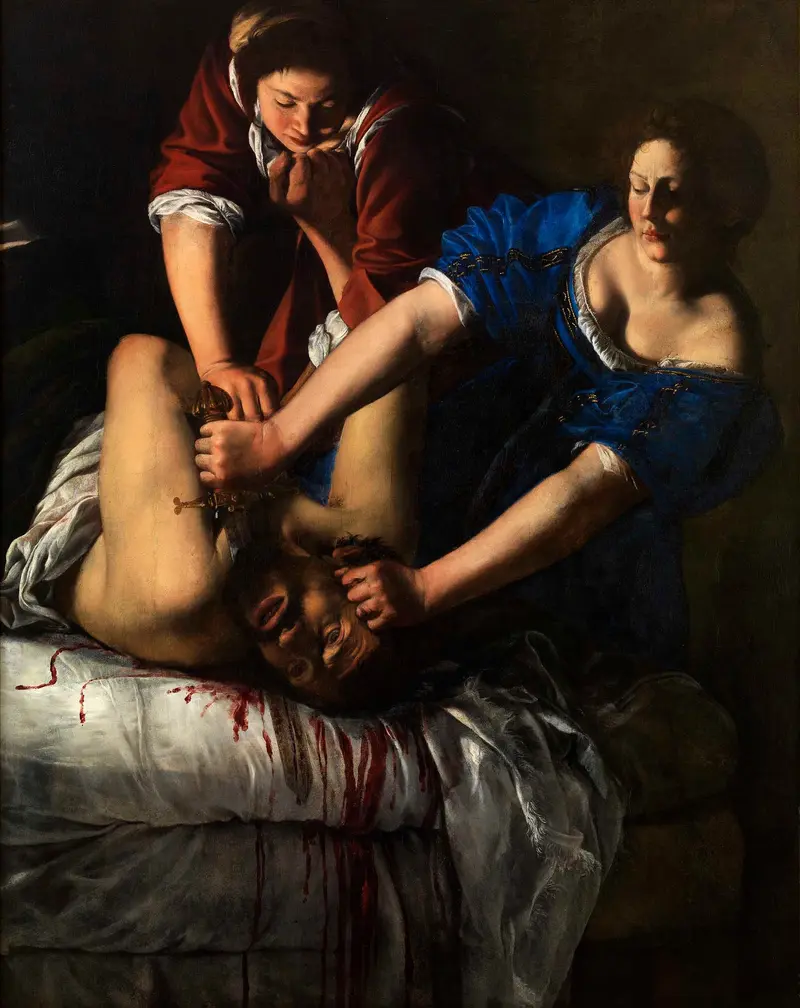
Judith Slaying Holofernes
Artemisia Gentileschi
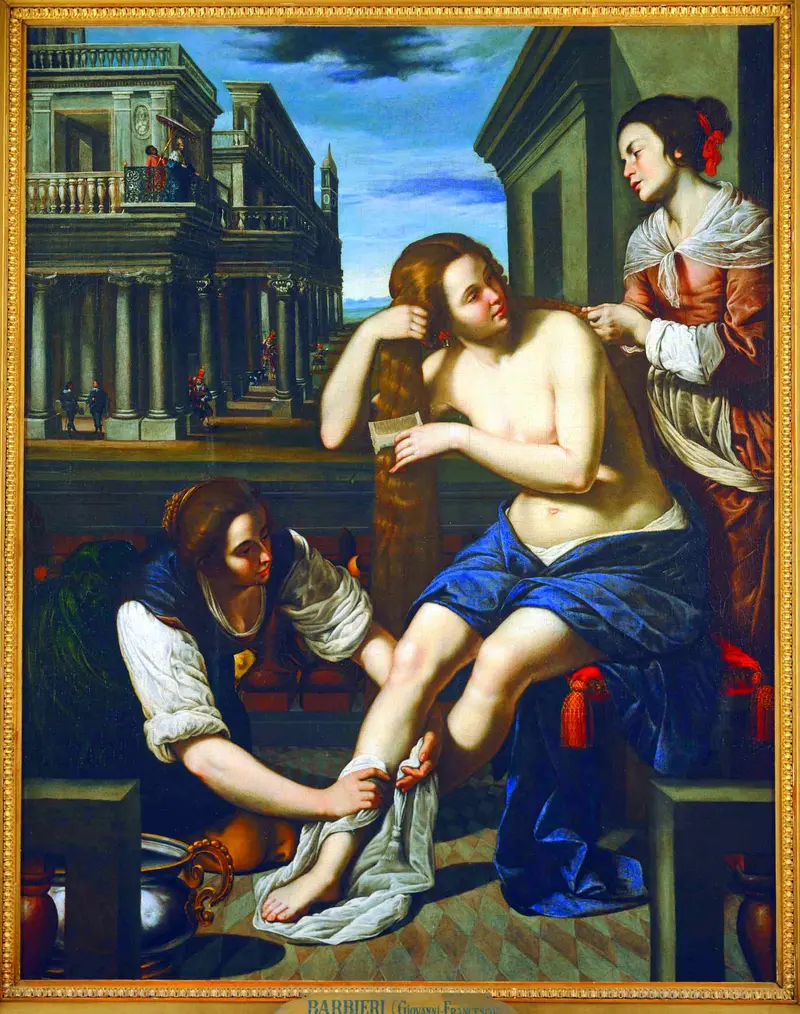
Bathsheba at Her Bath
Artemisia Gentileschi
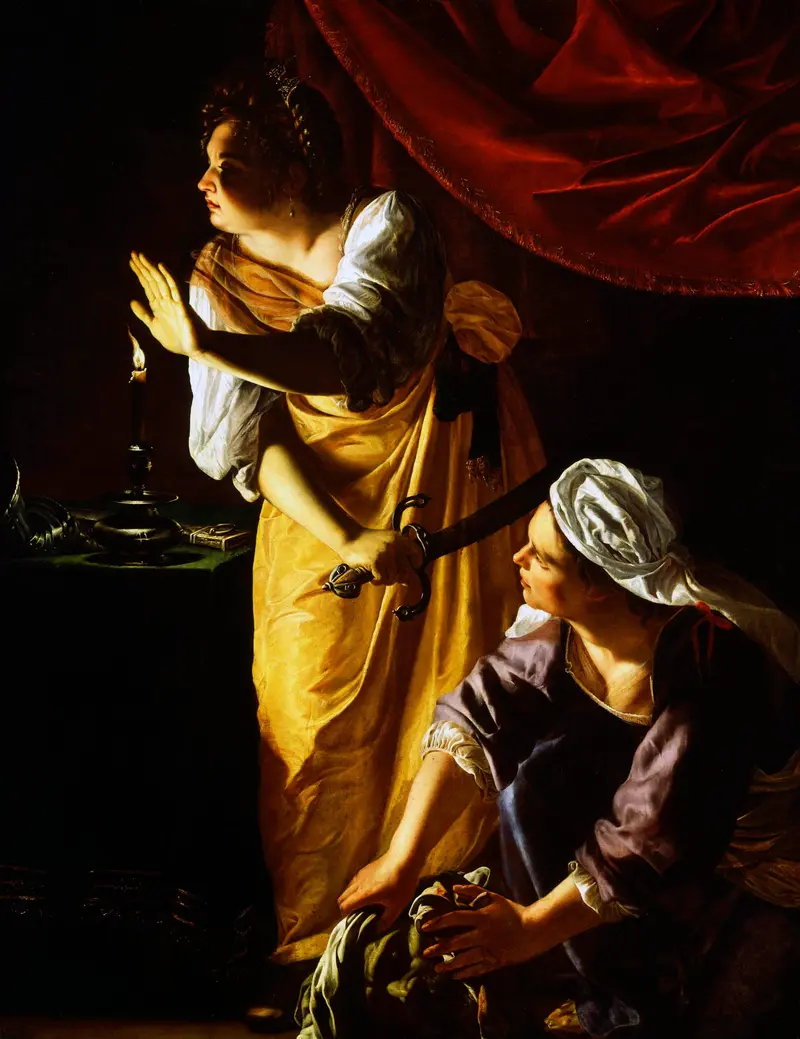
Judith and Maidservant with Head of Holofernes
Artemisia Gentileschi
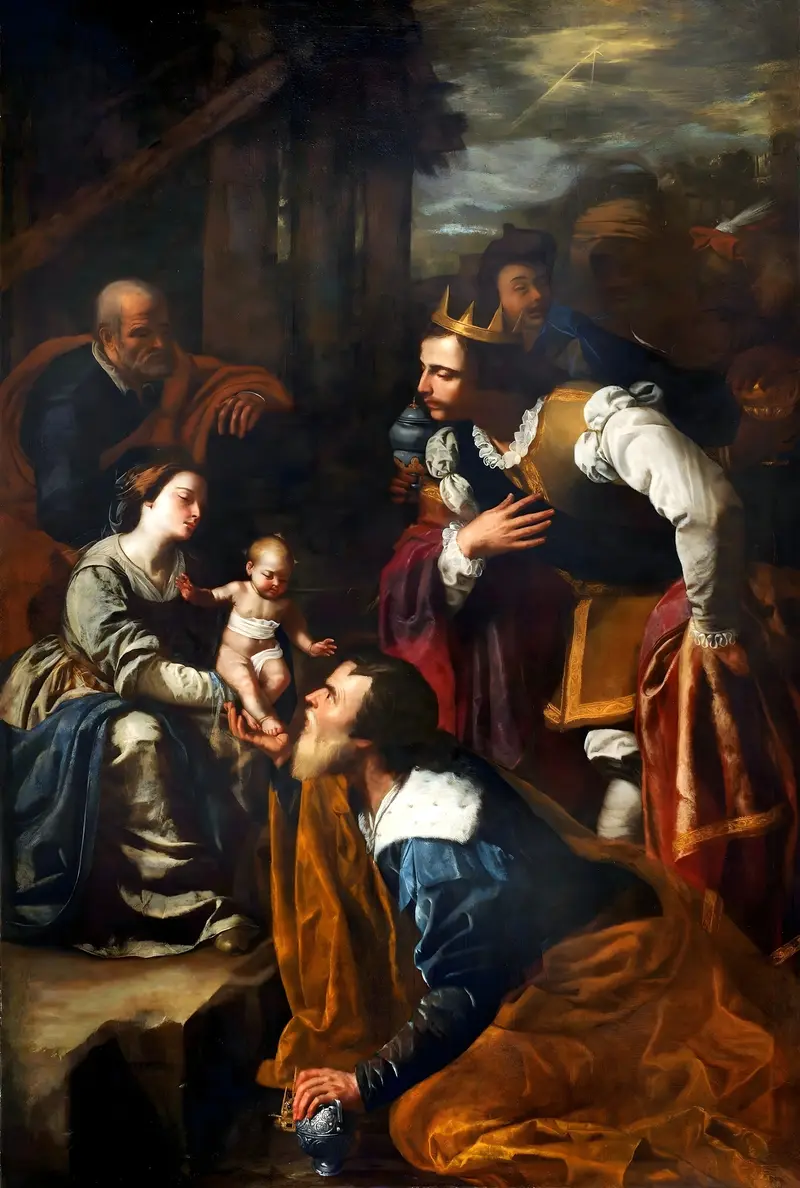
Adoration of the Magi
Artemisia Gentileschi
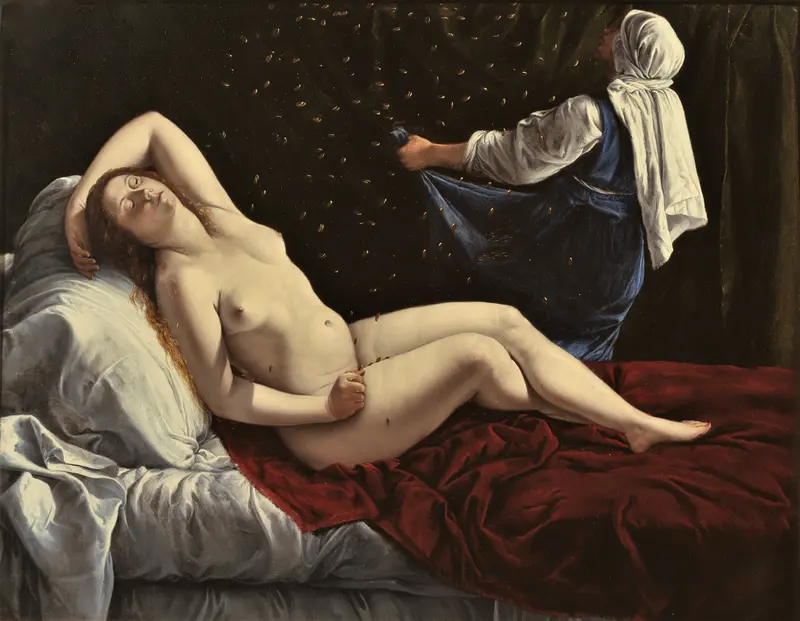
Danaë
Artemisia Gentileschi
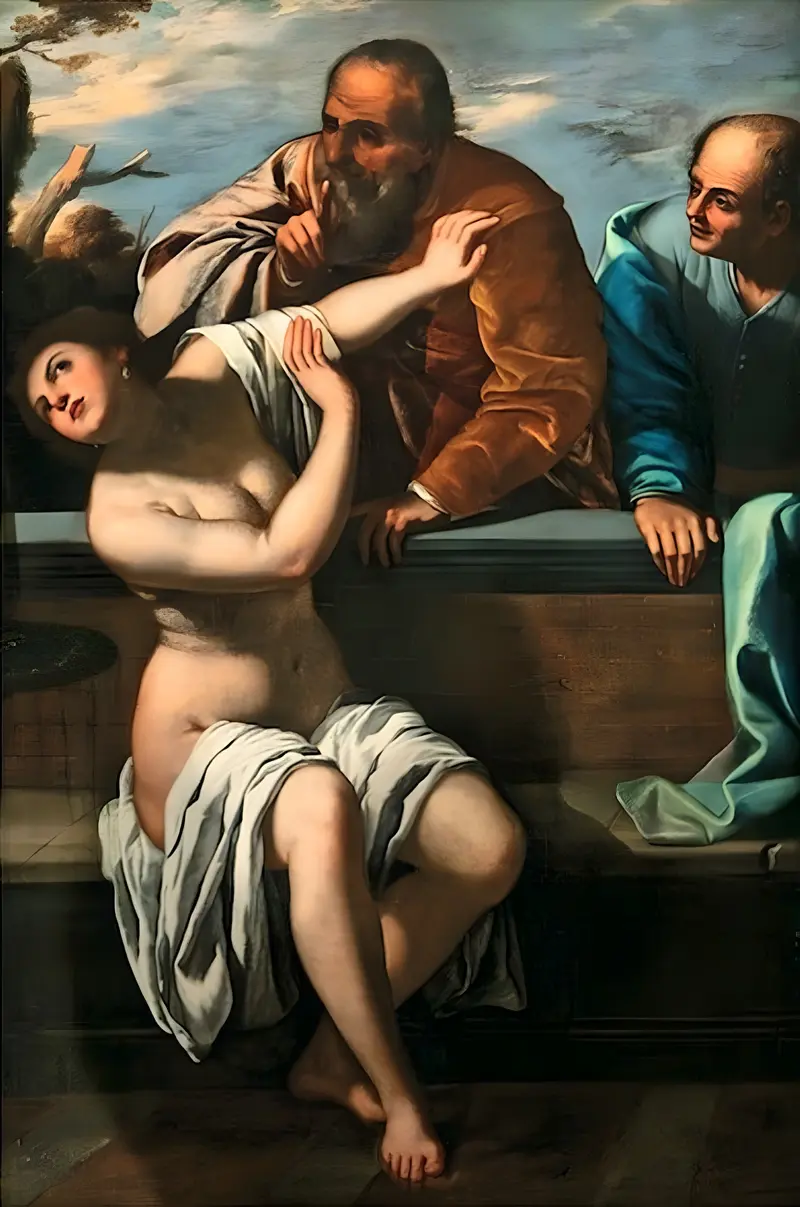
Susannah and the Elders
Artemisia Gentileschi

Judith and her Servant with the Head of Holofernes
Artemisia Gentileschi
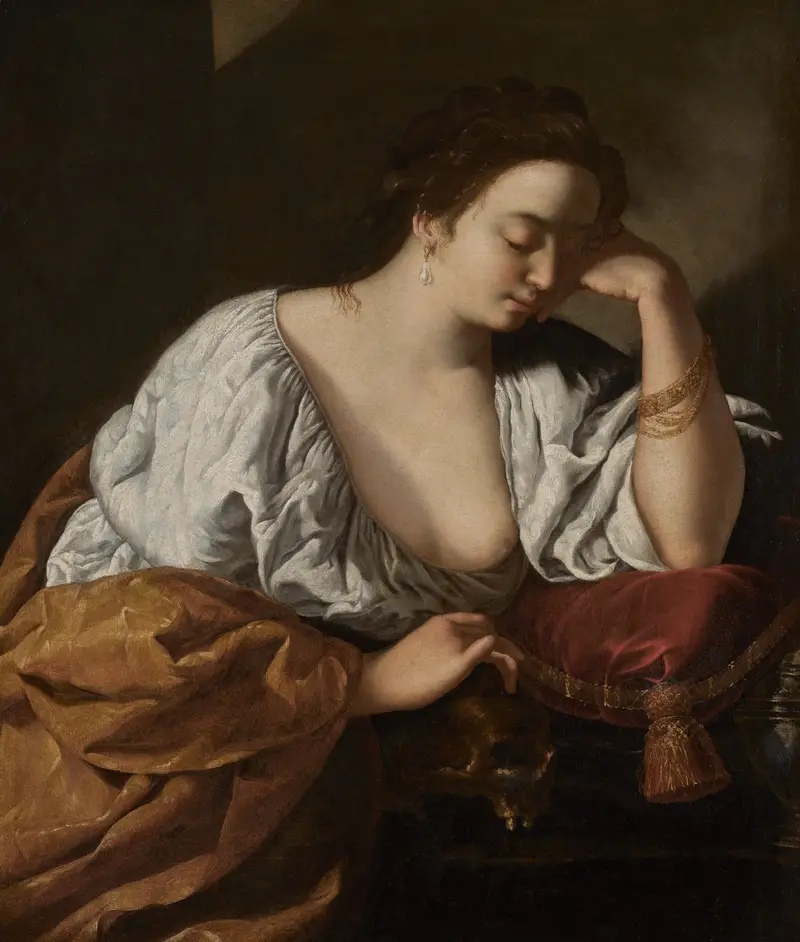
Madeleine pénitente, par
Artemisia Gentileschi
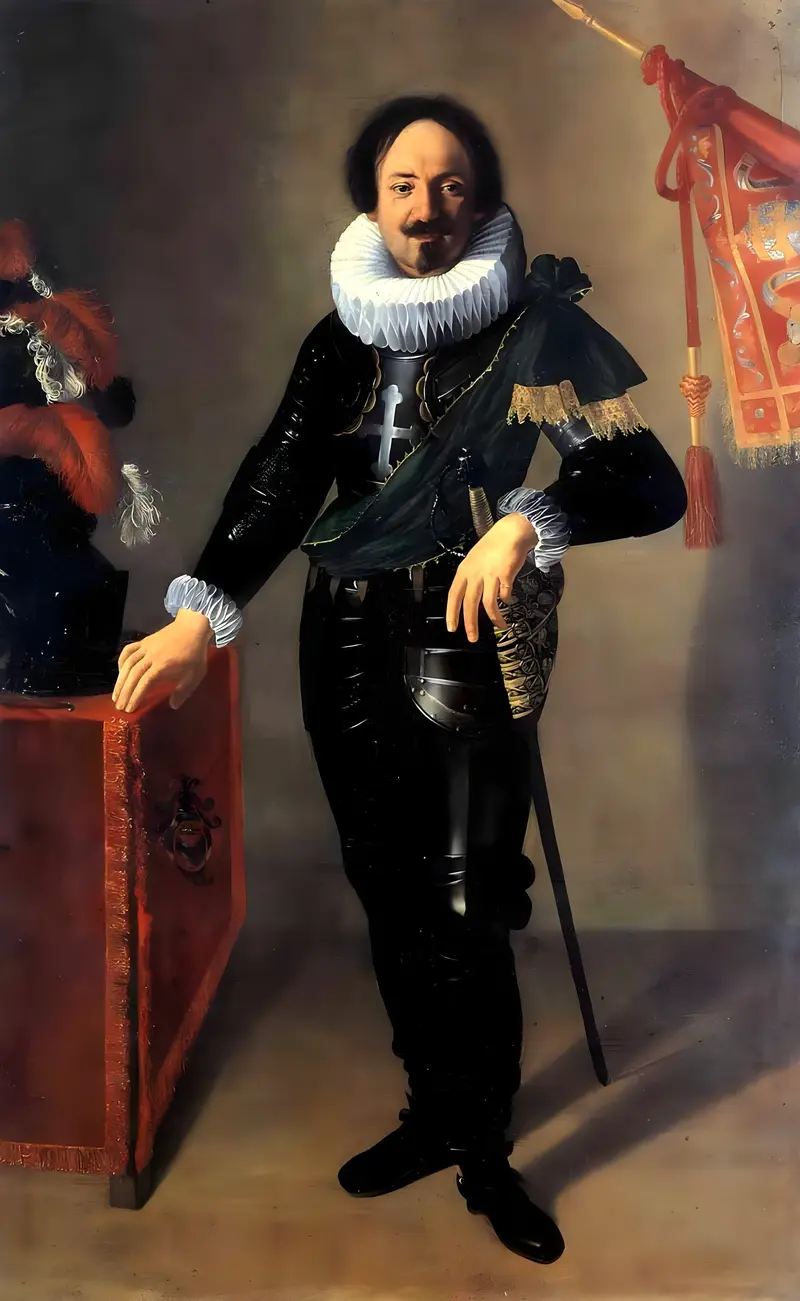
Portrait of a Gonfaloniere
Artemisia Gentileschi





