
Willys Madonna — History & Facts
No other Madonna by Giovanni Bellini has sparked as much scholarly debate as the Willys Madonna. Its name is a puzzle in itself: unlike many of Bellini’s Madonnas, which are titled for their patrons or locations, the origin of “Willys” remains uncertain—some suggest a lost collector, others a misreading in an early inventory. The painting’s medium is also a mystery, as no surviving documentation confirms whether Bellini worked in oil or tempera here, and technical analysis has yet to yield a definitive answer.
This uncertainty has made the Willys Madonna a touchstone for discussions about Bellini’s evolving technique in the late 1480s. Bellini chooses a moment of quiet intimacy: the Virgin, seated before a distant blue landscape, gently supports the Christ Child as he reaches for a small, goldfinch perched on her finger. In Renaissance iconography, the goldfinch is a symbol of Christ’s future Passion, its red spot recalling the blood of sacrifice. The Madonna’s downcast gaze and the Child’s tentative grasp create a sense of foreknowledge and tenderness, while the soft, clear light bathes their faces in a gentle realism.
Compared to Leonardo da Vinci’s Benois Madonna, painted around the same time, Bellini’s approach is less concerned with psychological complexity and more with serene, devotional presence. The provenance of the Willys Madonna is patchy; no early records of commission or ownership survive, and the painting only appears in documented collections in the nineteenth century. Some art historians have speculated that it was produced for private devotion, given its intimate scale and subject. Over the centuries, it has been attributed alternately to Bellini and his workshop, though consensus now favors the master’s hand, especially in the delicate modeling of flesh and landscape.
Today, the Willys Madonna is held in a private collection, rarely exhibited, making it one of the more elusive treasures of Bellini’s late career.
More Artworks by Giovanni Bellini
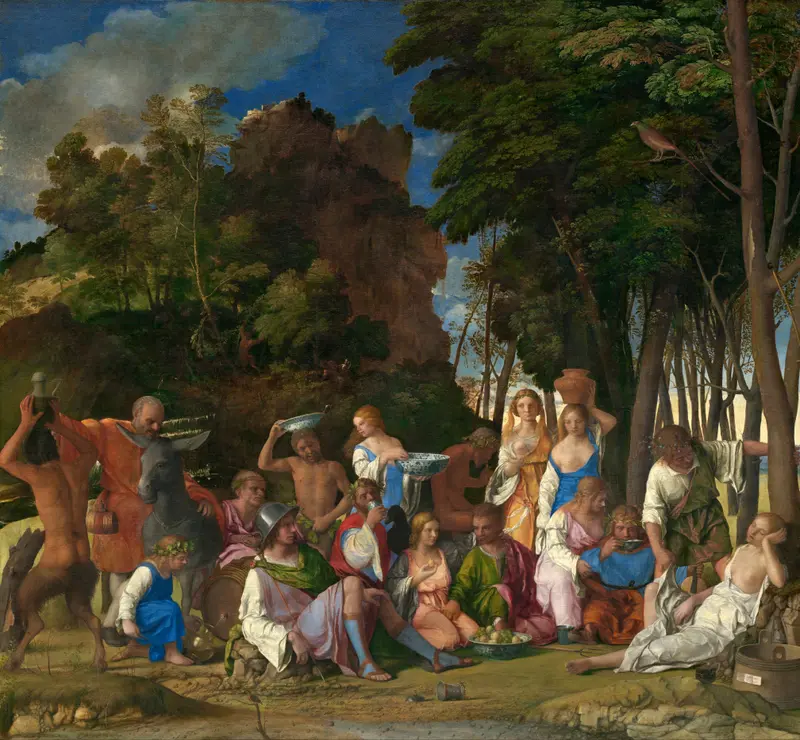
The Feast of the Gods
Giovanni Bellini

Madonna and Child enthroned with Saints and Angels
Giovanni Bellini
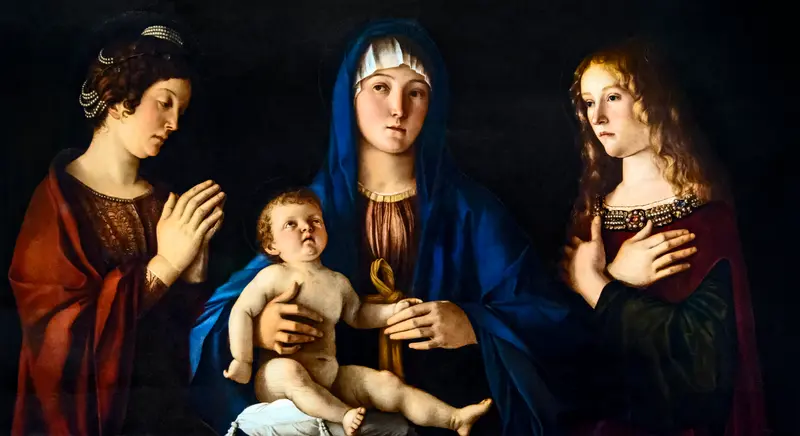
Madonna and Child between Saints Catherine and Mary Magdalene
Giovanni Bellini
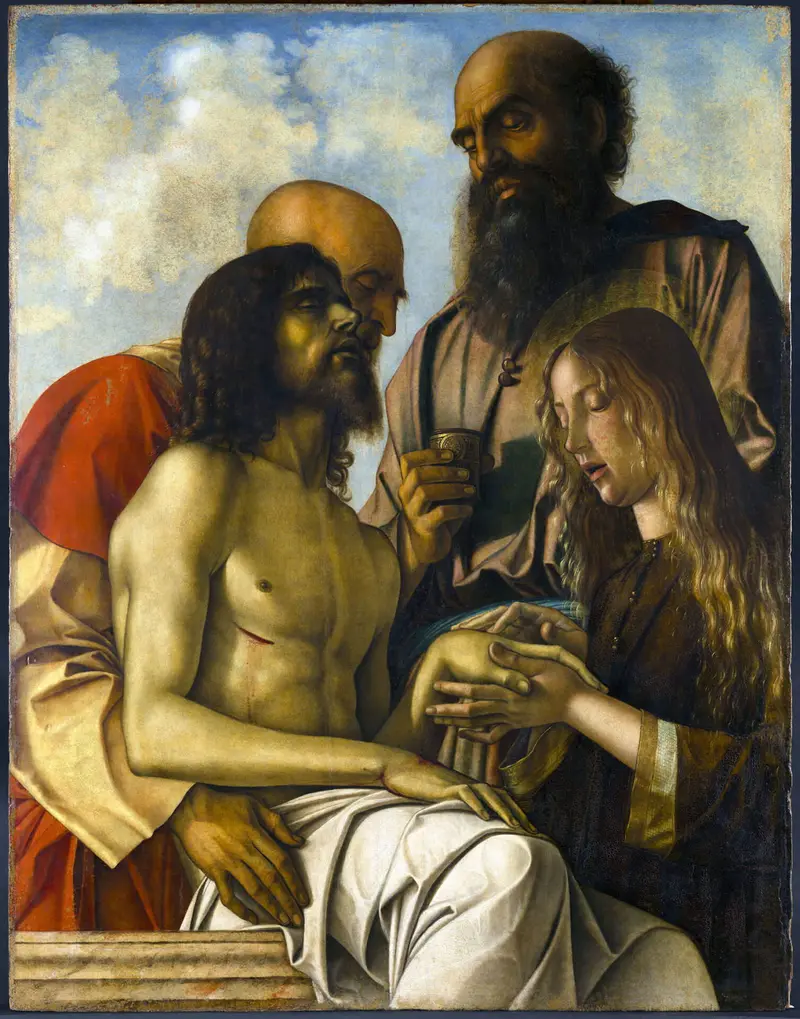
Lamentation over the Dead Christ
Giovanni Bellini
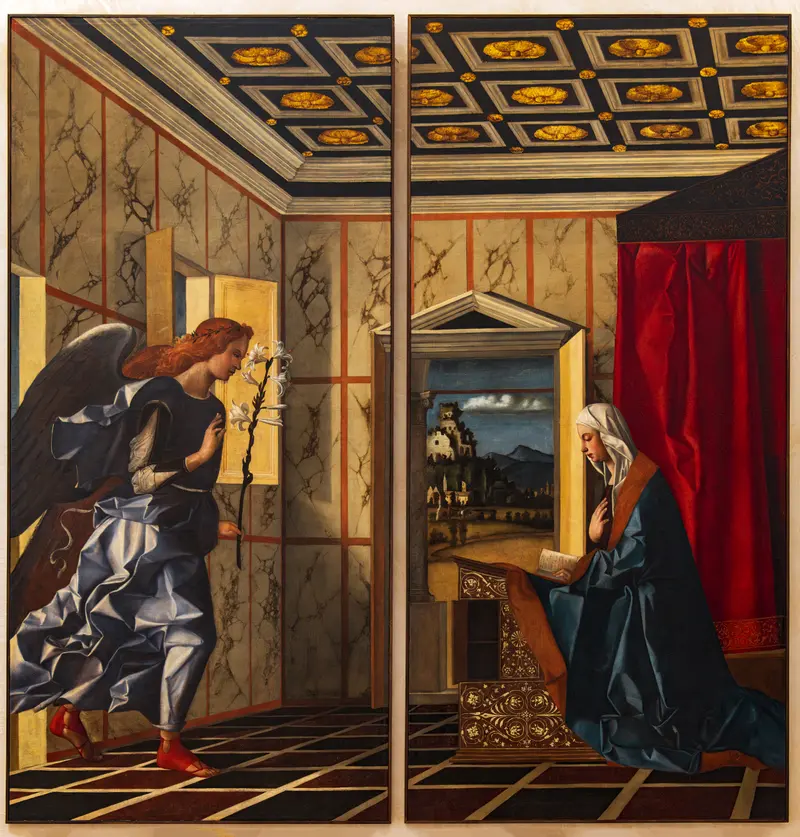
Annunciation
Giovanni Bellini
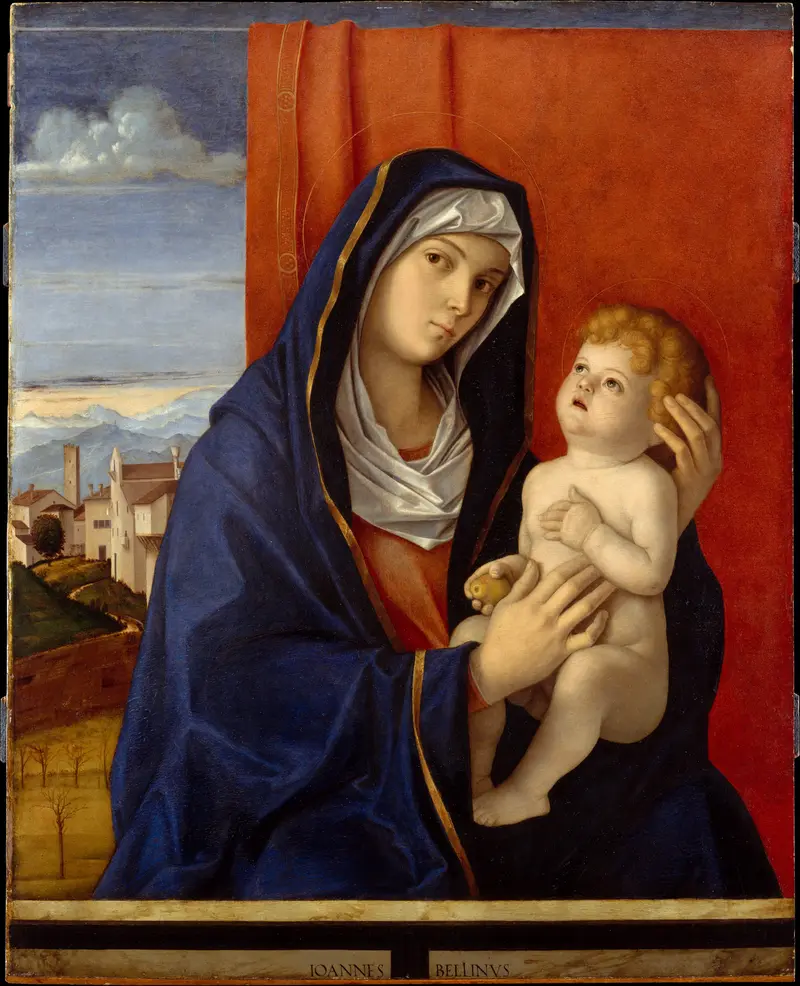
Madonna and Child
Giovanni Bellini
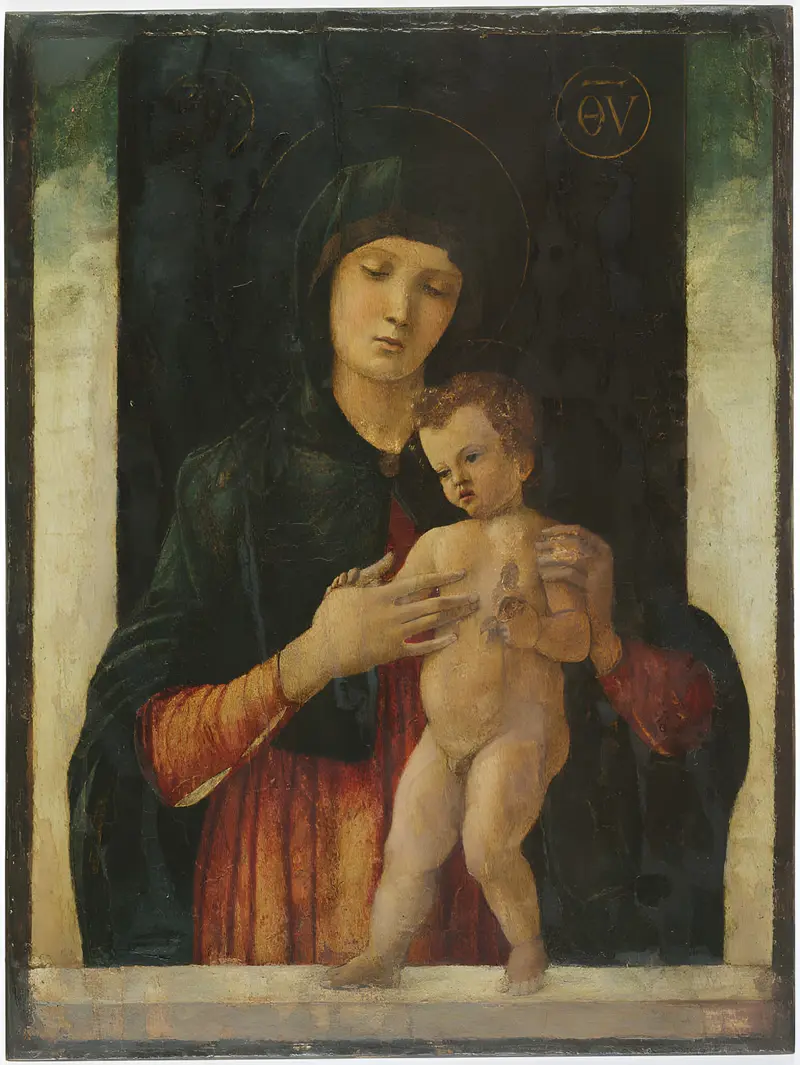
The Virgin and Child
Giovanni Bellini
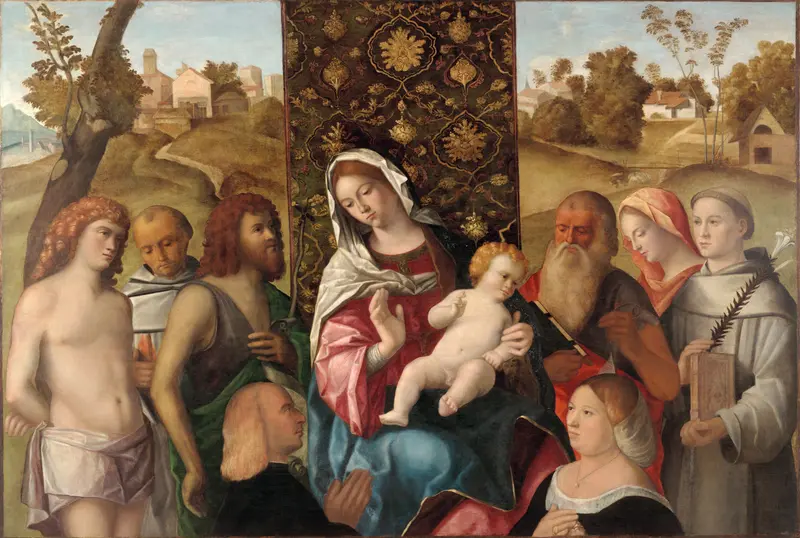
Virgin and Child with Saints Sebastian, Francis, John the Baptist, Jerome, an unidentified female saint, Saint Anthony of Padua and two donors
Giovanni Bellini
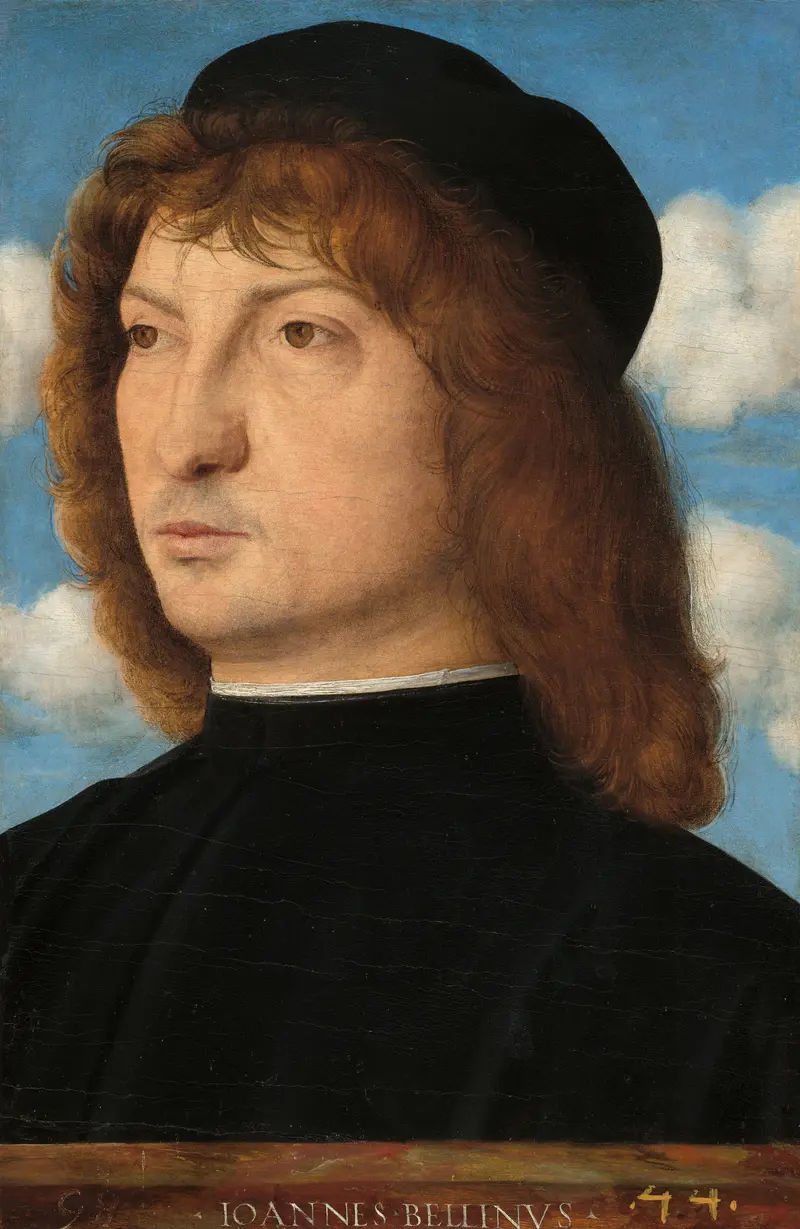
Portrait of a Venetian Gentleman
Giovanni Bellini
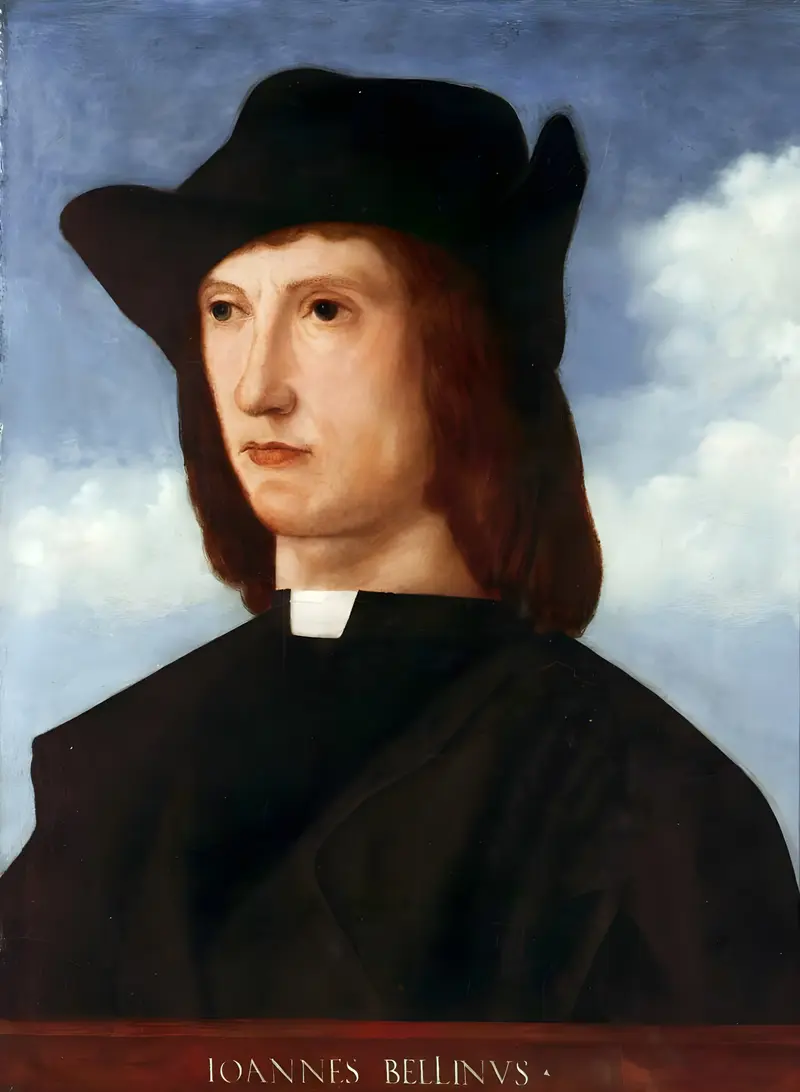
Portrait of a Young Man
Giovanni Bellini





