
Winter — History & Facts
Winter is the rarest of the four seasonal paintings Jean-Honoré Fragonard created around 1755, and for many years its very existence was doubted. While Spring, Summer, and Autumn were well known and widely exhibited, Winter vanished from public view for over a century, leading some critics to speculate that Fragonard had never completed the cycle. Its rediscovery in a private French collection in the late 20th century caused a stir among art historians, who eagerly compared it to the other three to confirm its authenticity and place within the set. In this painting, Fragonard captures a young woman bracing herself against a biting wind, her cloak pulled tightly around her shoulders as she hurries through a bleak landscape.
The artist chooses the precise moment when the cold seems most acute: her cheeks are flushed, her eyes cast downward, and her hands nearly disappear in the folds of her heavy wrap. The starkness of the bare trees and the swirling sky heighten the sense of chill, while the woman's gesture—clutching her cloak—speaks of both physical discomfort and the quiet resilience demanded by winter. Unlike the idealized allegories of the seasons painted by Boucher, Fragonard’s Winter feels immediate and human, with a touch of empathy for the subject’s struggle. The journey of Winter as a physical object is as intriguing as its imagery.
While the identities of its original patron and early owners remain unclear, it is believed to have been part of a private commission for a Parisian collector, intended to hang alongside its companion pieces. After disappearing from records in the 19th century, it resurfaced in the late 1900s, prompting renewed scholarly attention and careful restoration. Today, Winter is recognized as a key work from Fragonard’s early period, revealing his sensitivity to everyday emotion and his deft handling of paint—qualities that would soon make him a leading figure of the Rococo movement.
More Artworks by Jean-Honoré Fragonard
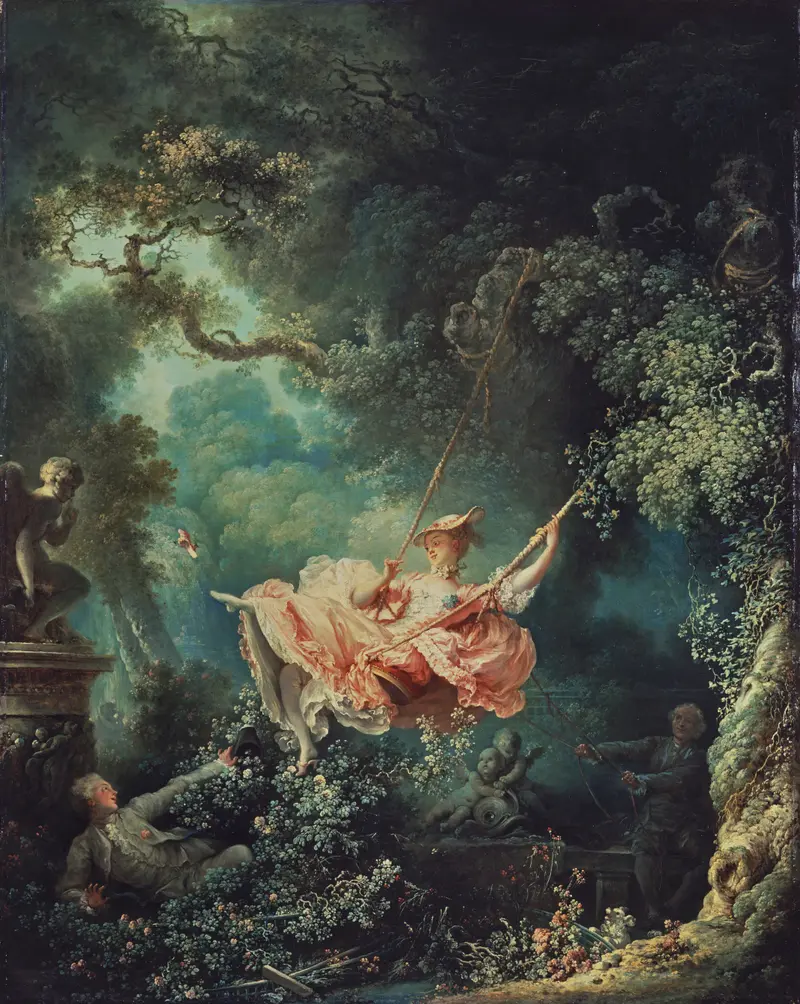
The Swing
Jean-Honoré Fragonard

The Swing
Jean-Honoré Fragonard
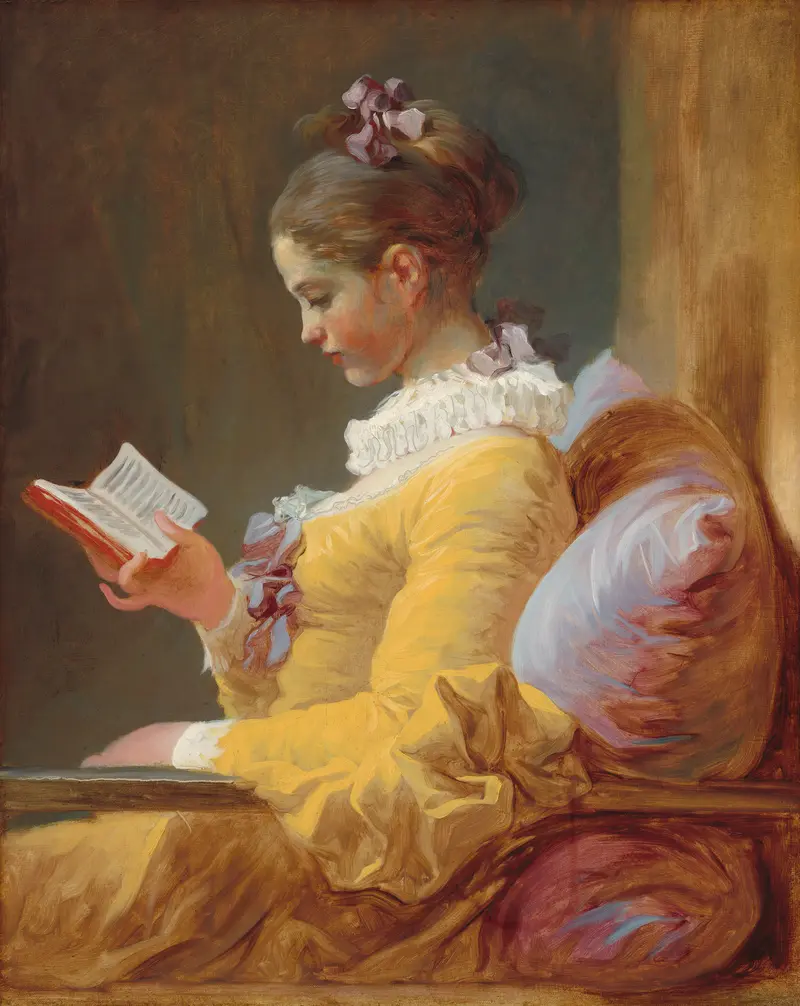
A Young Girl Reading
Jean-Honoré Fragonard
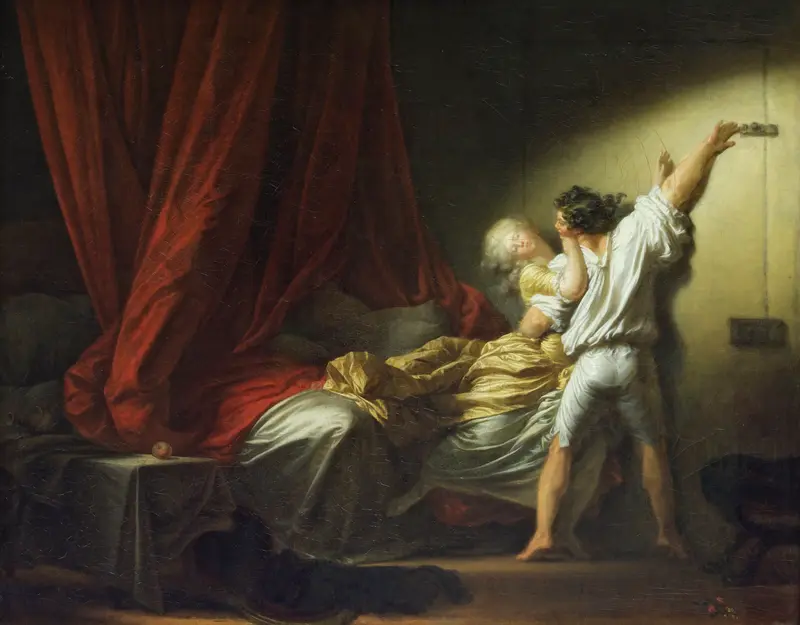
The Lock
Jean-Honoré Fragonard
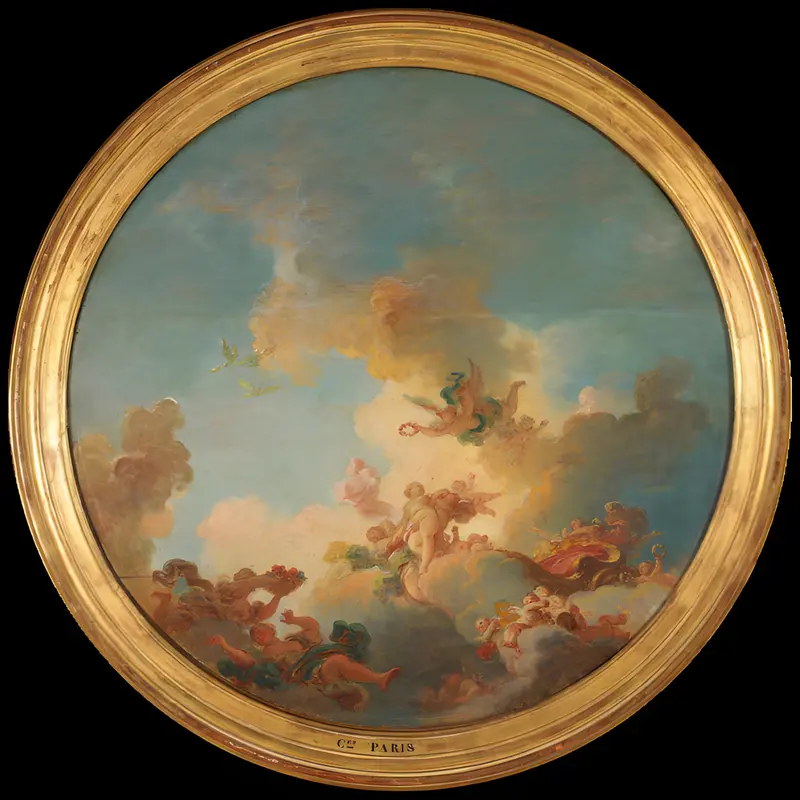
The Triumph of Venus
Jean-Honoré Fragonard
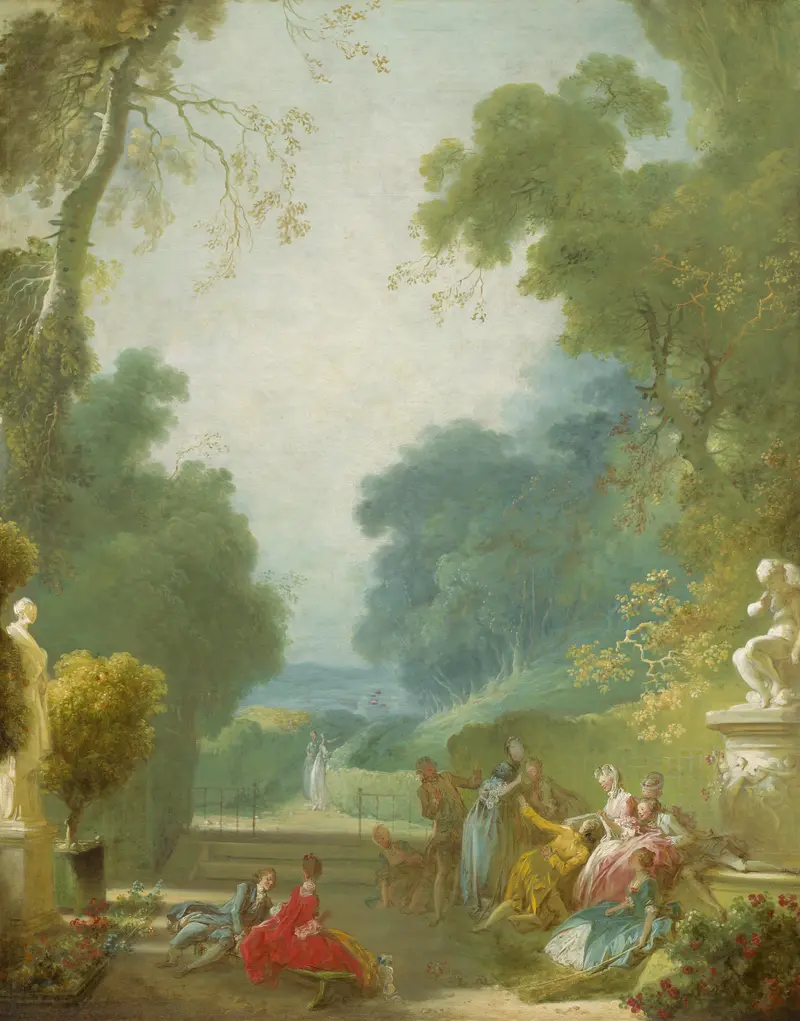
A Game of Hot Cockles
Jean-Honoré Fragonard
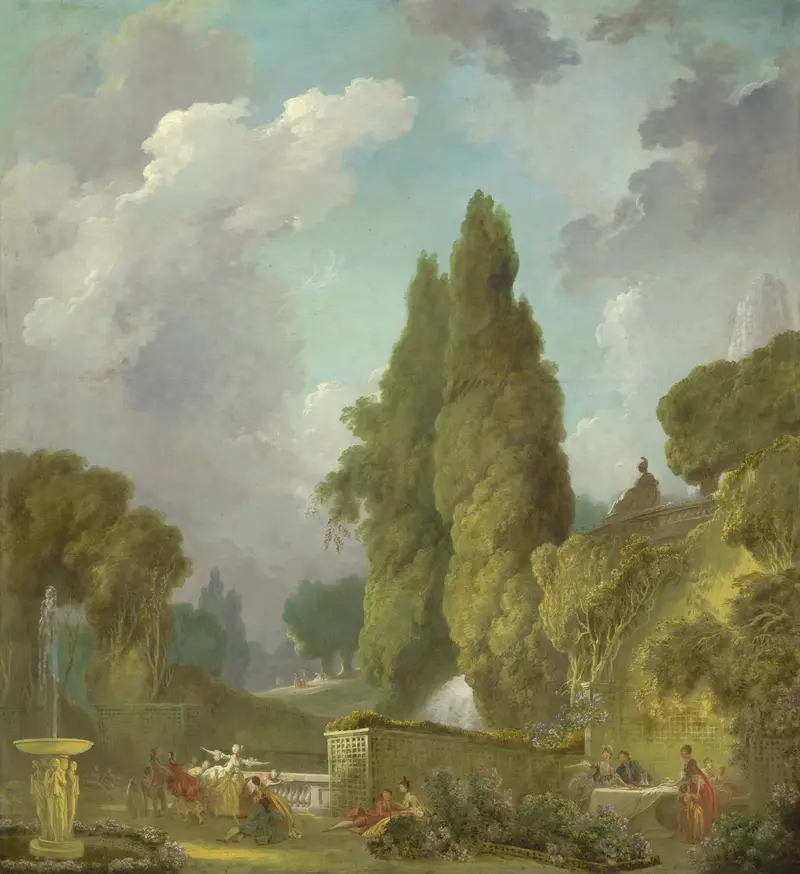
Blindman’s Buff
Jean-Honoré Fragonard
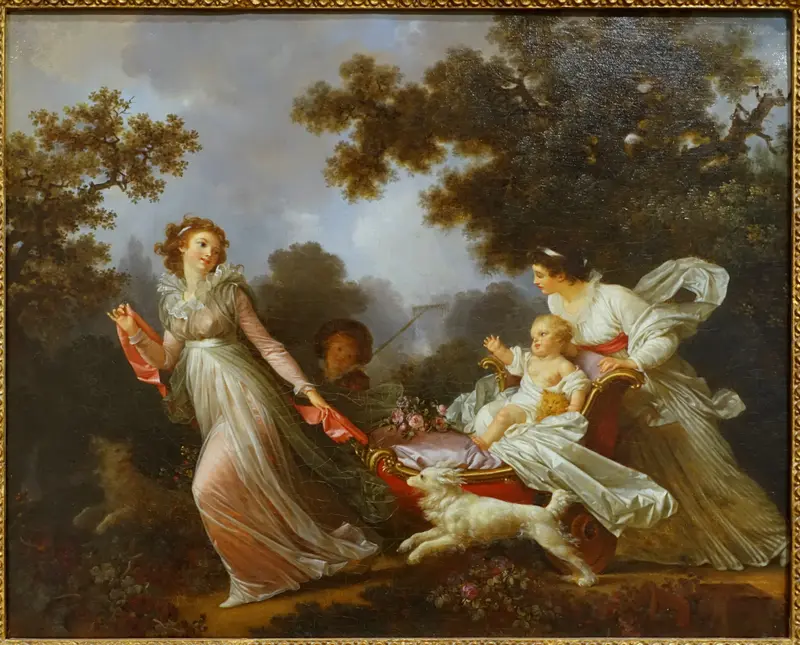
The Beloved Child
Jean-Honoré Fragonard
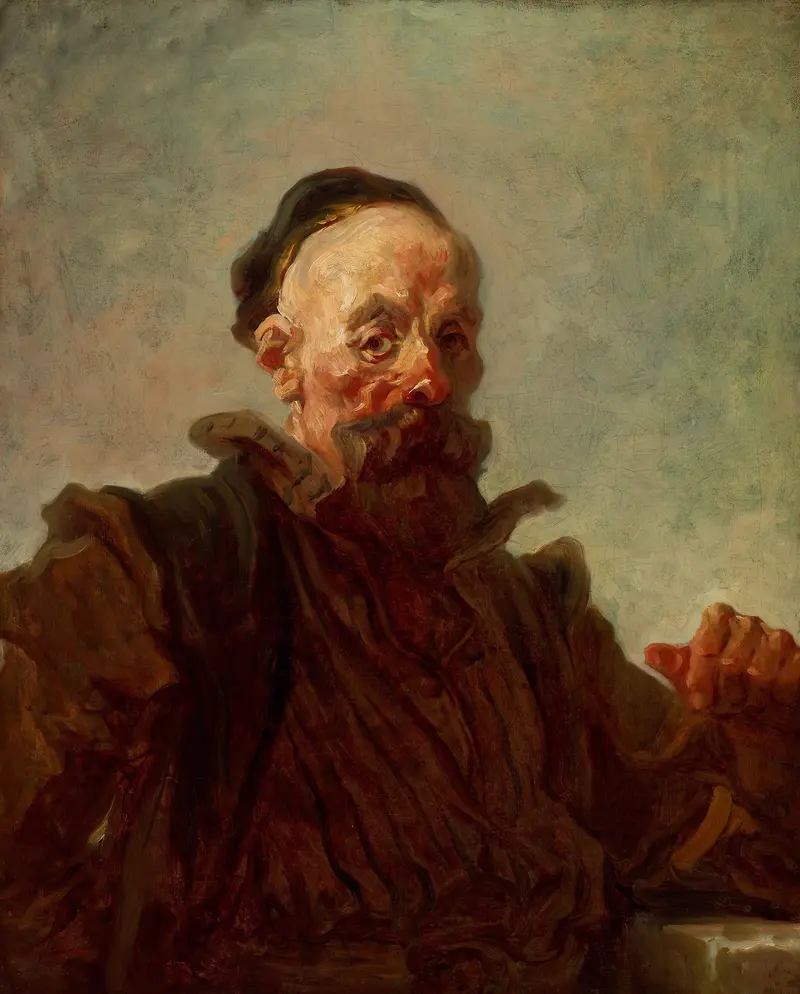
Portrait of a Man in Costume
Jean-Honoré Fragonard
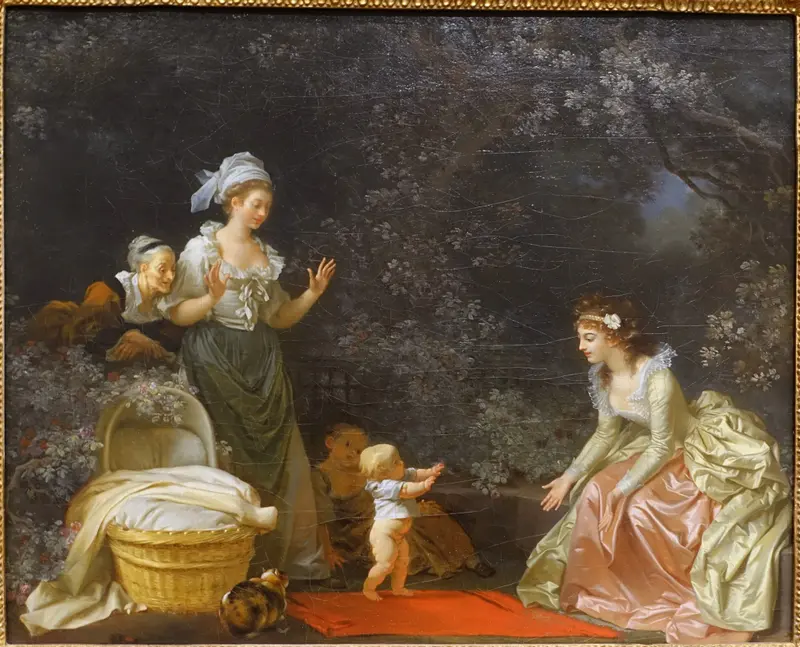
The First Steps
Jean-Honoré Fragonard
More Genre Scene Art

Banquet of the Officers of the St George Civic Guard
Frans Hals

Rembrandt and Saskia in the Scene of the Prodigal Son
Rembrandt van Rijn

Bal du moulin de la Galette
Pierre-Auguste Renoir

Quadrille at the Moulin Rouge
Henri de Toulouse-Lautrec

A Burial at Ornans
Gustave Courbet

When Will You Marry?
Paul Gauguin