
A Woman and a Girl Driving — History & Facts
When A Woman and a Girl Driving was first exhibited at the 1881 Impressionist show in Paris, critics were startled by its bold subject: a woman confidently holding the reins of a carriage, with a young girl at her side, both unchaperoned. At a time when women’s independence was still a matter of heated debate, Mary Cassatt’s painting was seen as quietly radical. The model for the driver was Cassatt’s own sister, Lydia, who often appeared in her work, while the girl is thought to be Odile Fèvre, the niece of fellow Impressionist Edgar Degas.
The painting’s public debut was not only a statement about modern life, but a personal assertion of autonomy and mobility. Cassatt captures a crisp, sunlit afternoon in the Bois de Boulogne, Paris’s fashionable park. The woman sits upright, gloved hands firm on the reins, her gaze fixed ahead, while the girl, dressed in white, leans forward, alert and eager. The high-wheeled carriage, known as a “phaeton,” was a symbol of freedom and social status, and Cassatt’s composition places the pair front and center, with the horses cropped at the edge—a device that thrusts the viewer into the scene.
The loose, energetic brushwork and bright palette recall Degas’s own scenes of modern Paris, yet Cassatt’s focus is not on spectacle but on the quiet confidence of her subjects. Unlike Manet’s The Railway, where the female figure is passive, here the woman is in control, both literally and figuratively. The painting’s medium is debated—some sources describe it as oil on canvas, others as pastel—but its importance in Cassatt’s career is undisputed. After its exhibition in 1881, the work passed through private collections before entering the collection of the Philadelphia Museum of Art, where it remains today.
A Woman and a Girl Driving marks a turning point for Cassatt, who had recently joined the Impressionists and was exploring themes of modern womanhood with new confidence. The painting stands as a testament to her technical skill and her commitment to portraying women as active participants in contemporary life.
More Artworks by Mary Cassatt

The Child's Bath
Mary Cassatt
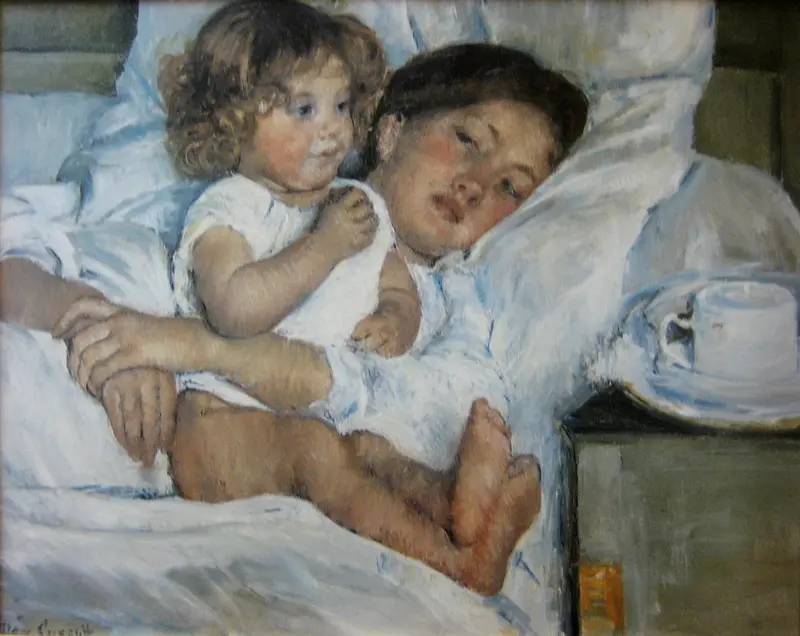
Breakfast in Bed
Mary Cassatt

Mother and Child (Baby Getting Up from His Nap)
Mary Cassatt
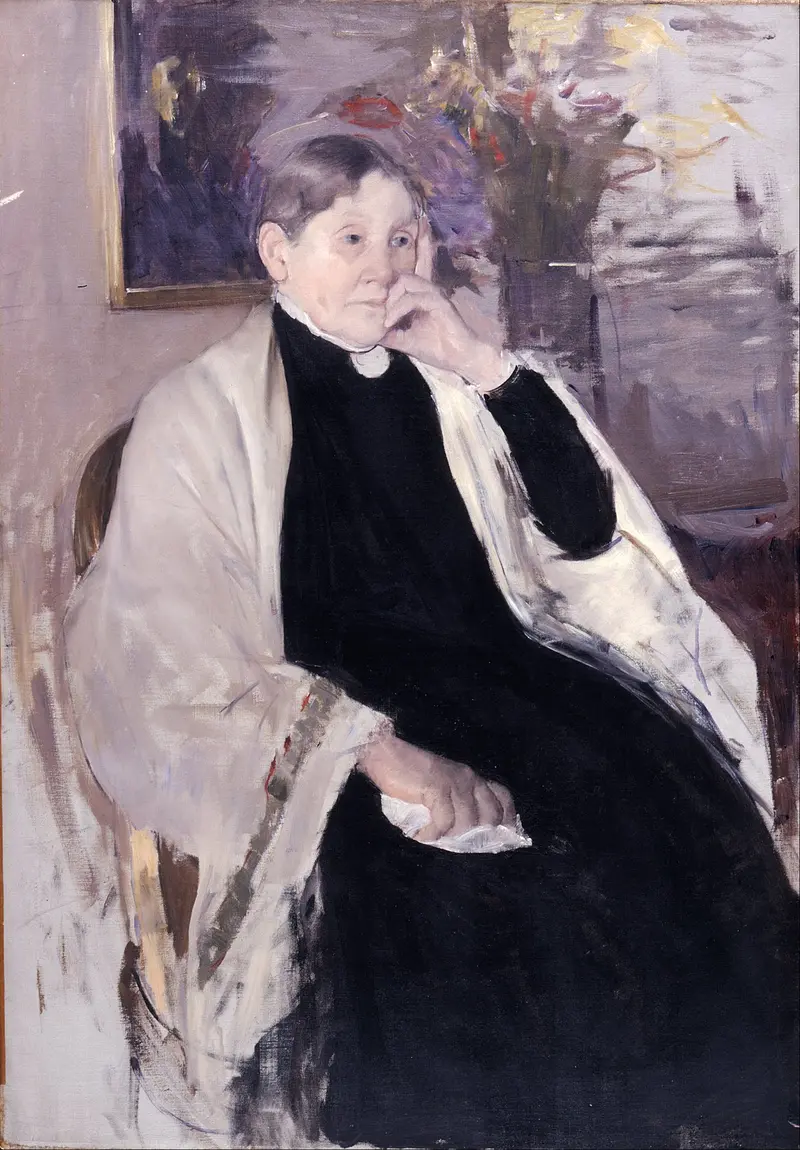
Mrs. Robert S. Cassatt, the Artist's Mother
Mary Cassatt
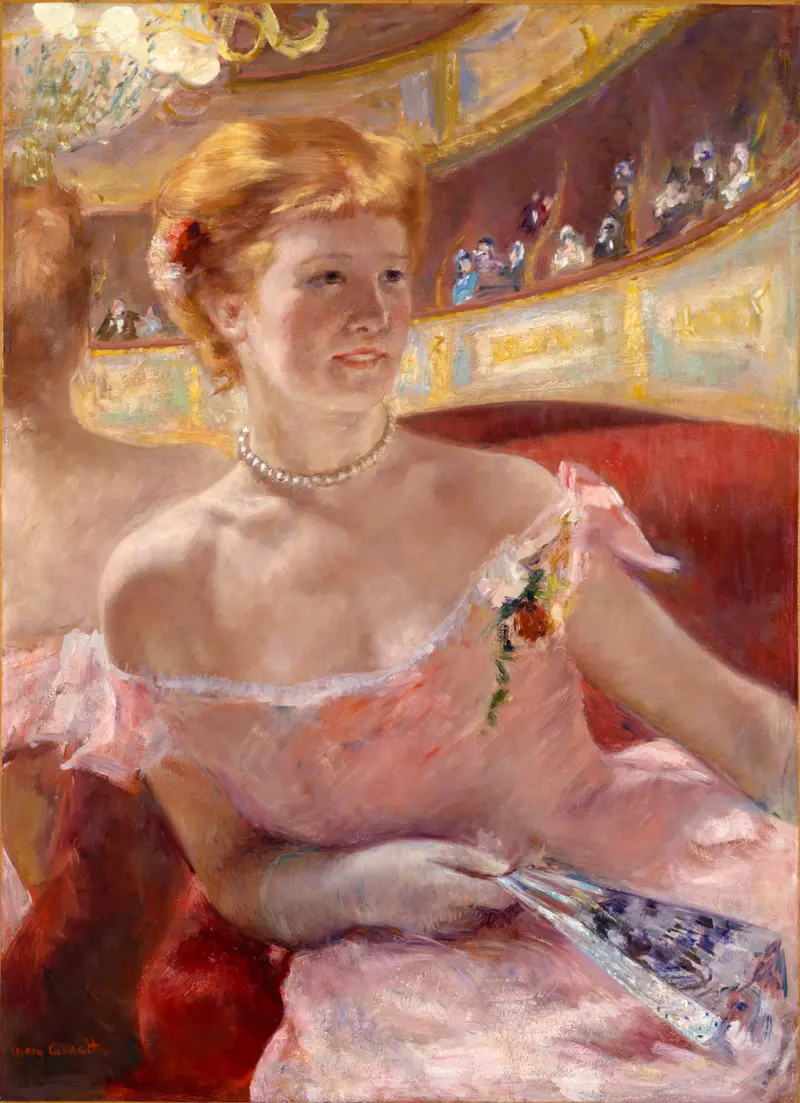
Woman with a Pearl Necklace in a Loge
Mary Cassatt
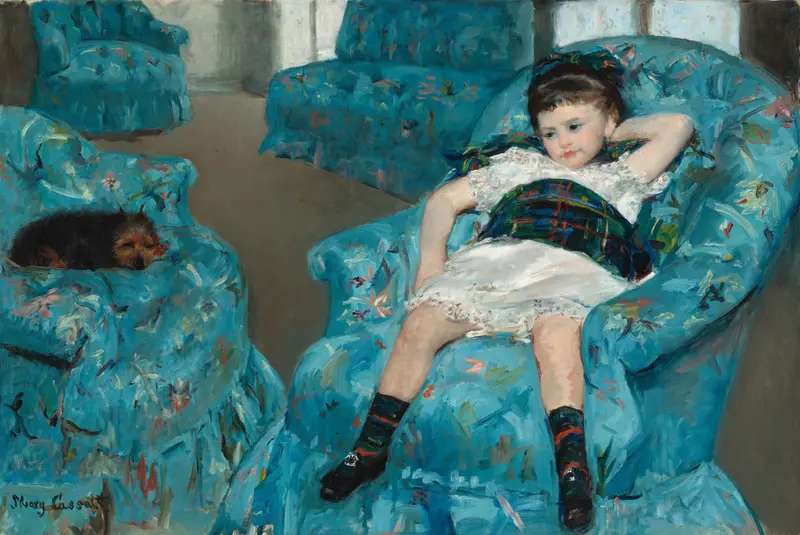
Little Girl in a Blue Armchair
Mary Cassatt
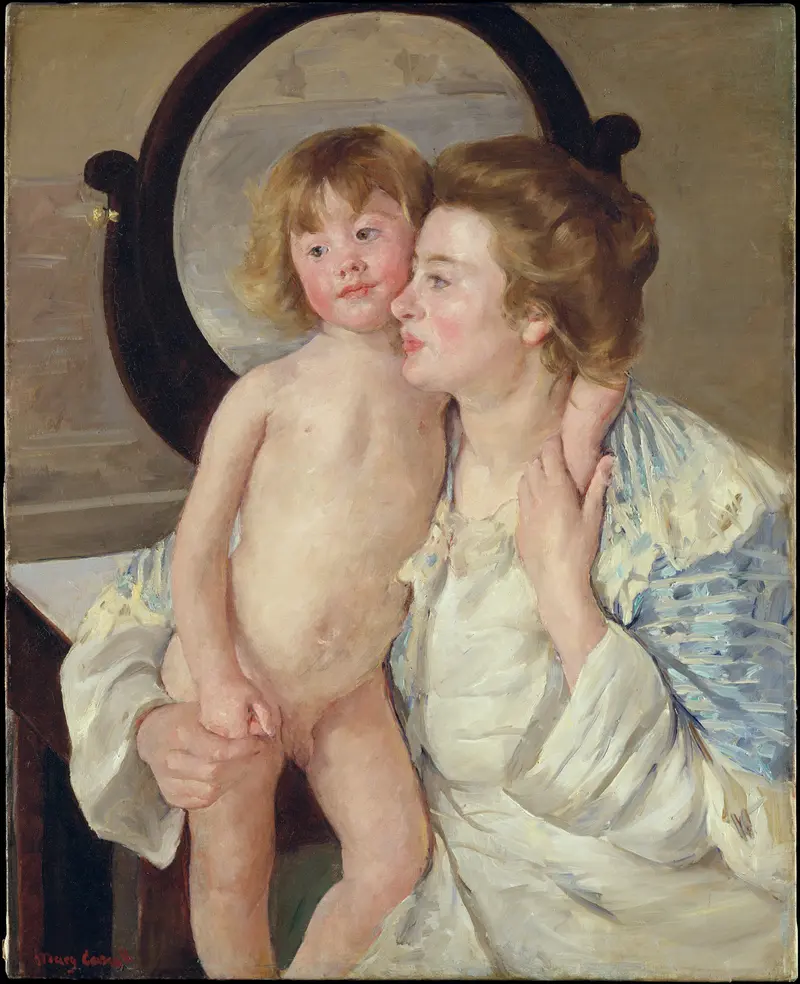
Mother and Child (The Oval Mirror)
Mary Cassatt
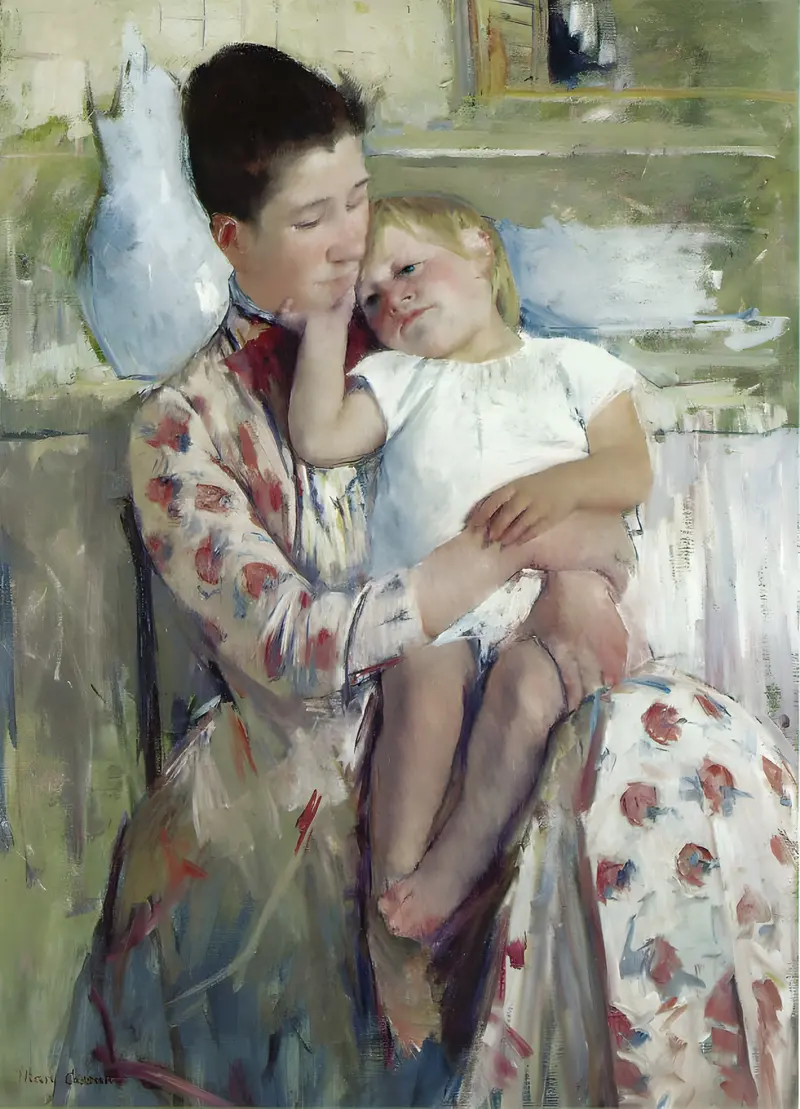
Mother and Child
Mary Cassatt
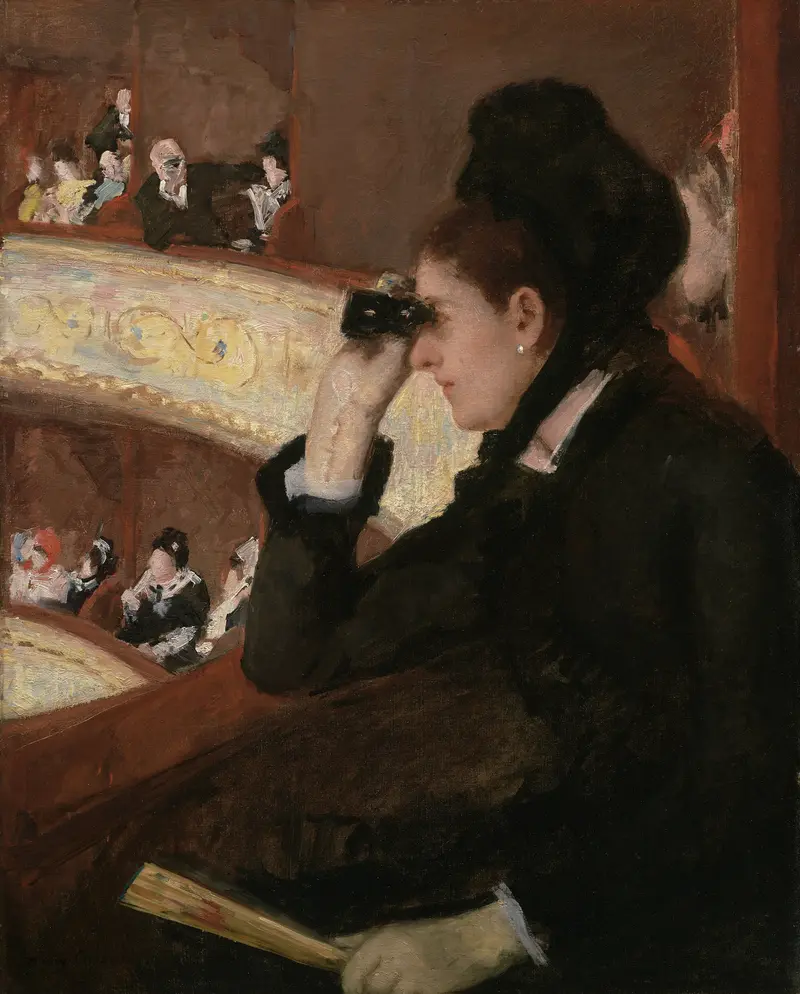
In The Loge
Mary Cassatt
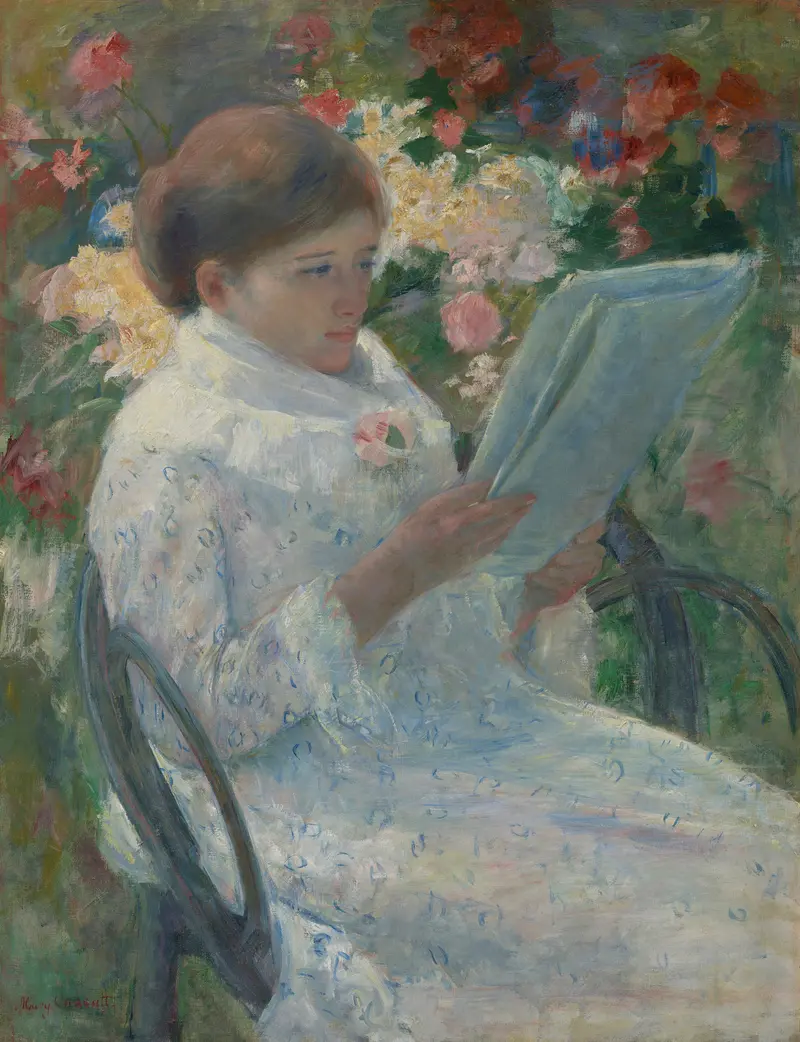
On a Balcony
Mary Cassatt
More Genre Scene Art

Banquet of the Officers of the St George Civic Guard
Frans Hals

Rembrandt and Saskia in the Scene of the Prodigal Son
Rembrandt van Rijn

Bal du moulin de la Galette
Pierre-Auguste Renoir

Quadrille at the Moulin Rouge
Henri de Toulouse-Lautrec

A Burial at Ornans
Gustave Courbet

When Will You Marry?
Paul Gauguin