
Aglaida and Boniface — History & Facts
When Aglaida and Boniface was unveiled in 1857, it marked one of the earliest times the tale of these obscure early Christian martyrs appeared on a grand academic canvas. The story, drawn from the Acta Sanctorum, had long lingered in hagiographies but rarely found its way into visual art of such scale and ambition. Alexandre Cabanel, just 34 at the time, took a risk by choosing a subject that was neither widely celebrated nor easily sentimentalized, diverging from the more familiar saints favored by his contemporaries.
The painting’s debut at the Paris Salon stirred curiosity: why this couple, and why now? At the heart of the scene is the moment of Boniface’s conversion and impending martyrdom. Aglaida, a wealthy Roman woman, had sent her servant and lover Boniface to Tarsus in 306 AD to collect relics of Christian martyrs, but instead he was so moved by their faith that he publicly declared himself a Christian and was executed. Cabanel captures the charged instant before Boniface’s fate is sealed: Boniface stands, chains glinting at his wrists, his gaze lifted in defiance or revelation, while Aglaida, in the shadows, is torn between horror and awe.
The dramatic lighting isolates the figures, echoing the style of Delaroche’s martyrdom scenes, while the lush drapery and classical architecture root the story in a distant, imperial past. The gestures—a hand raised in supplication, a Roman official’s dismissive wave—signal the collision of faith and worldly power. The precise fate of Cabanel’s Aglaida and Boniface after its Salon exhibition is not fully documented, a common fate for mid-19th-century religious works that fell out of favor as tastes shifted. It is likely that the painting remained in private hands, as no major museum currently lists it in their holdings, and its medium is not definitively recorded.
For Cabanel, this work represents an early foray into the grand historical and religious narratives that would define his later career, culminating in his celebrated The Birth of Venus (1863). Today, Aglaida and Boniface stands as a testament to the artist’s willingness to explore lesser-known stories with psychological intensity and academic rigor, even if the painting itself has slipped into relative obscurity.
More Artworks by Alexandre Cabanel
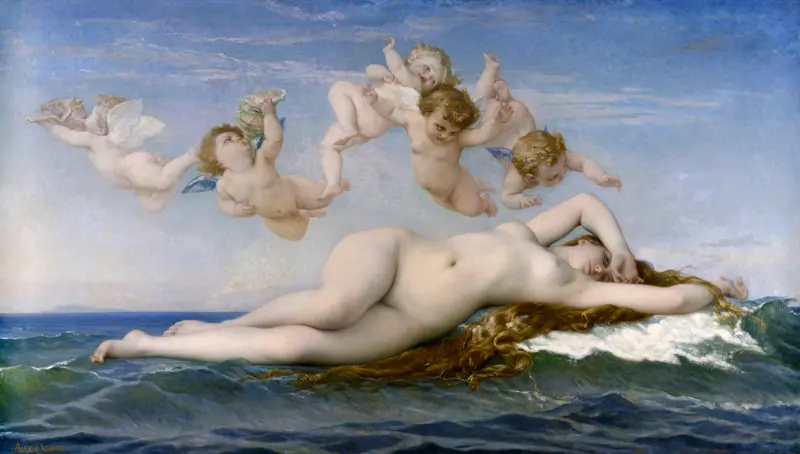
The Birth of Venus
Alexandre Cabanel
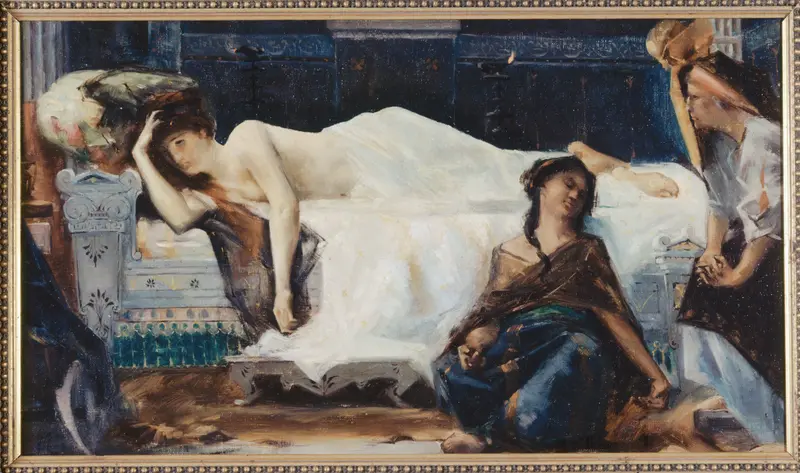
Phèdre
Alexandre Cabanel
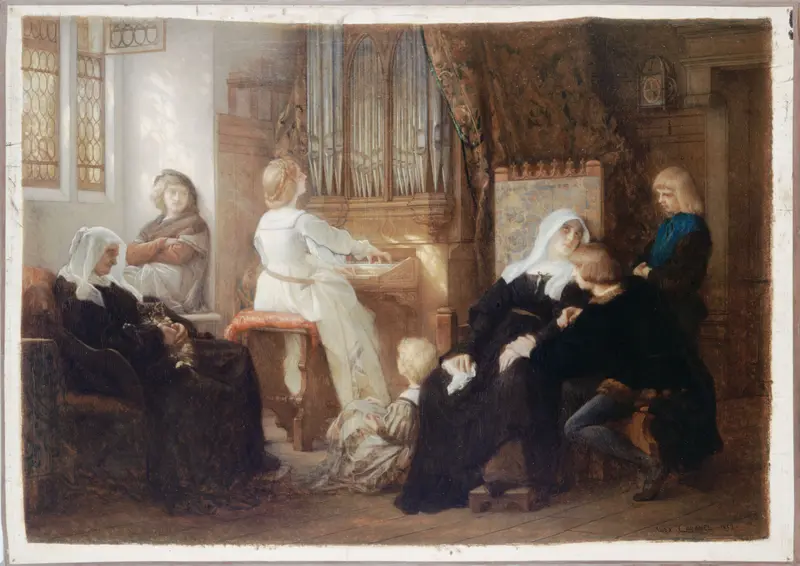
La veuve du maître de chapelle
Alexandre Cabanel
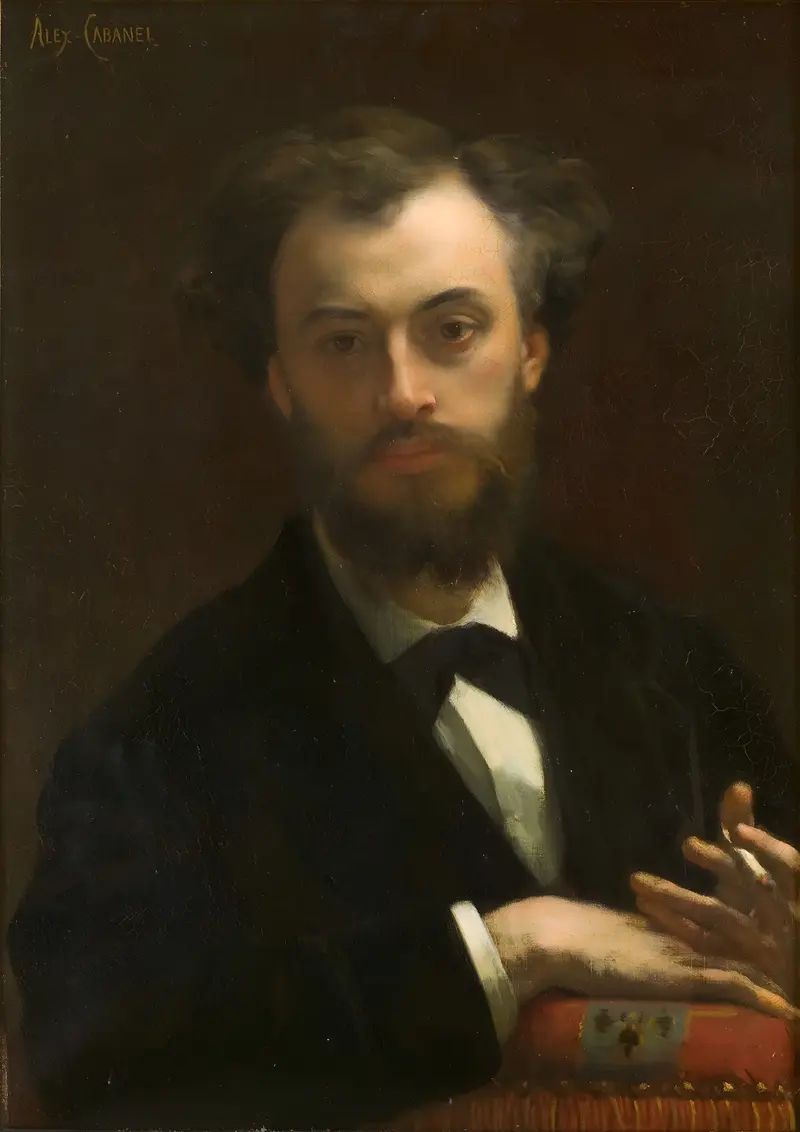
Portrait de M. Pierre Cabanel
Alexandre Cabanel
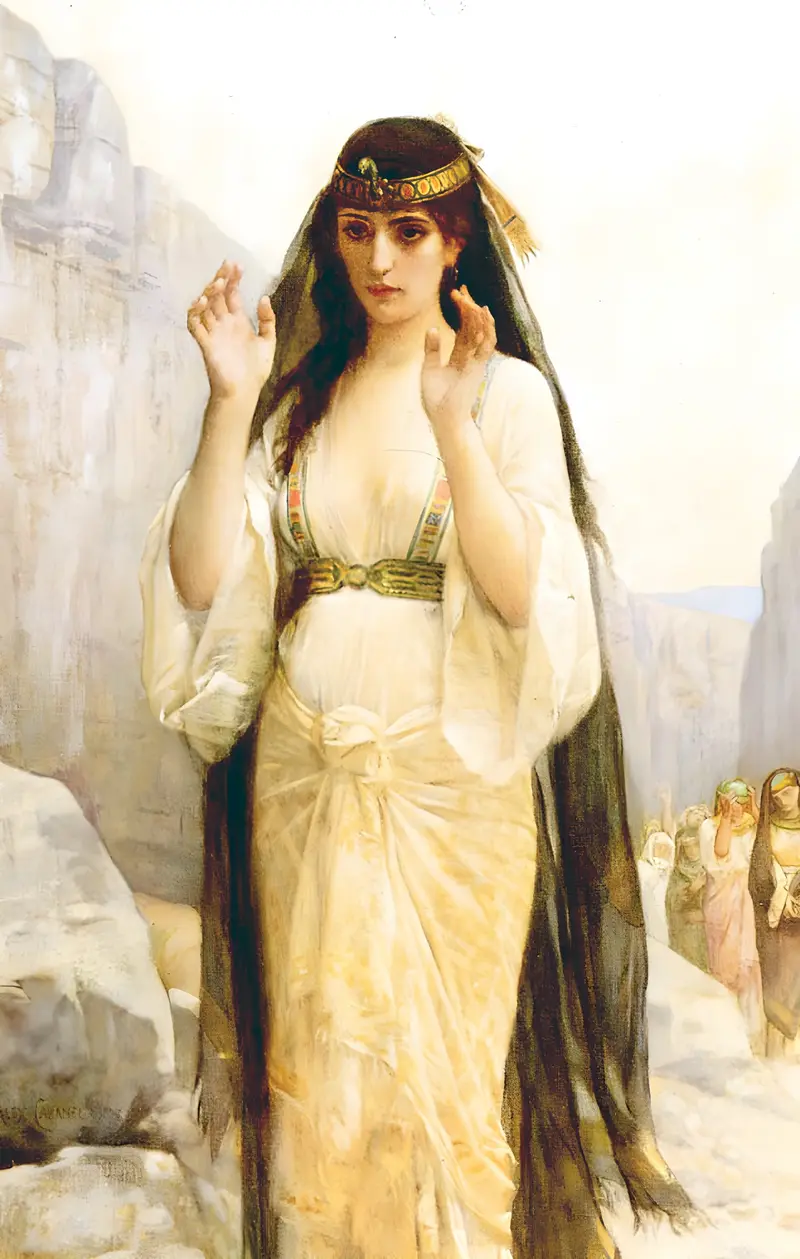
The Daughter of Jephthah
Alexandre Cabanel
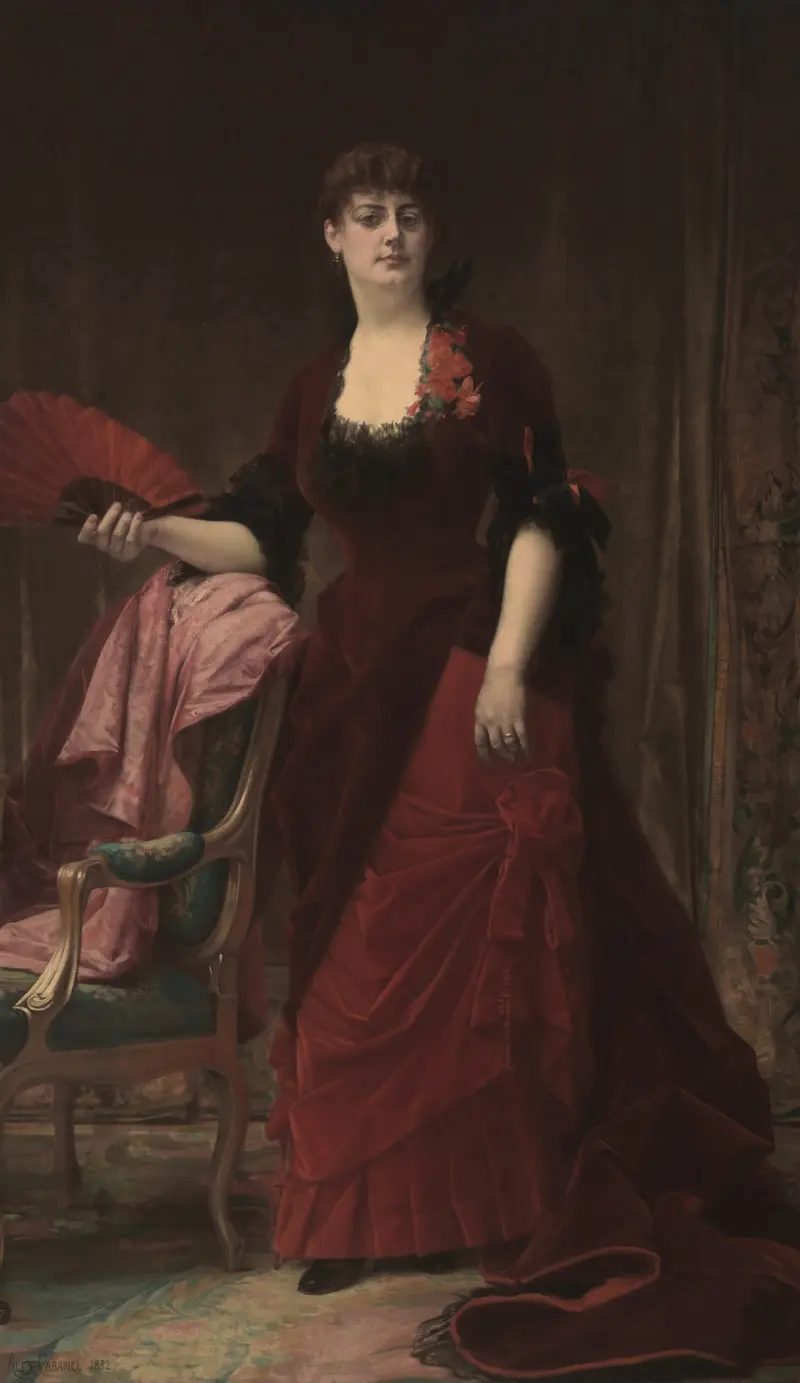
Portrait of Arabella Worsham (later Arabella Huntington)
Alexandre Cabanel
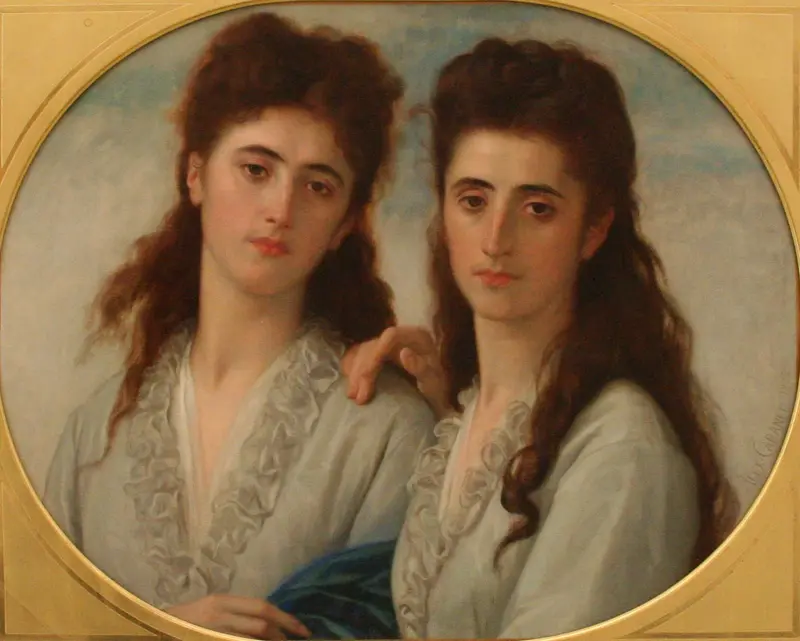
Portrait de mesdemoiselles Sophie et Berthe Cabanel
Alexandre Cabanel
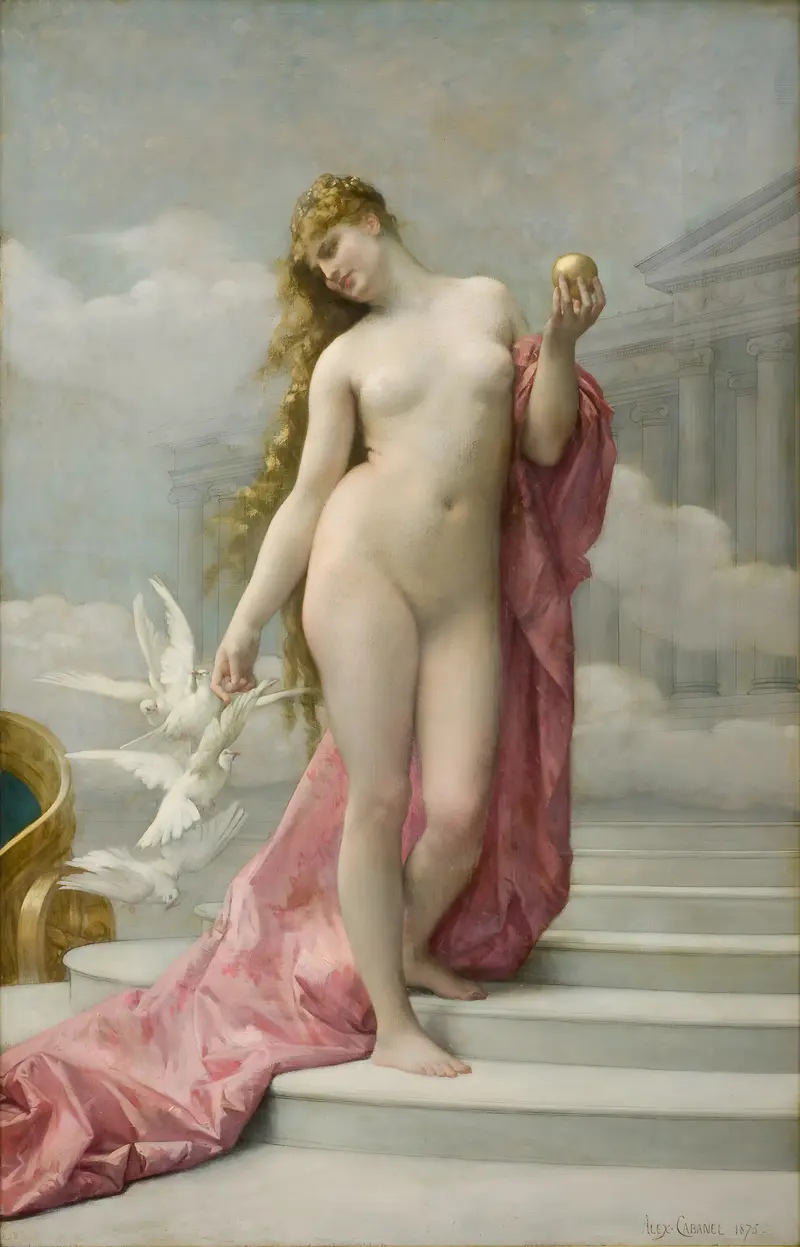
Vénus victorieuse
Alexandre Cabanel
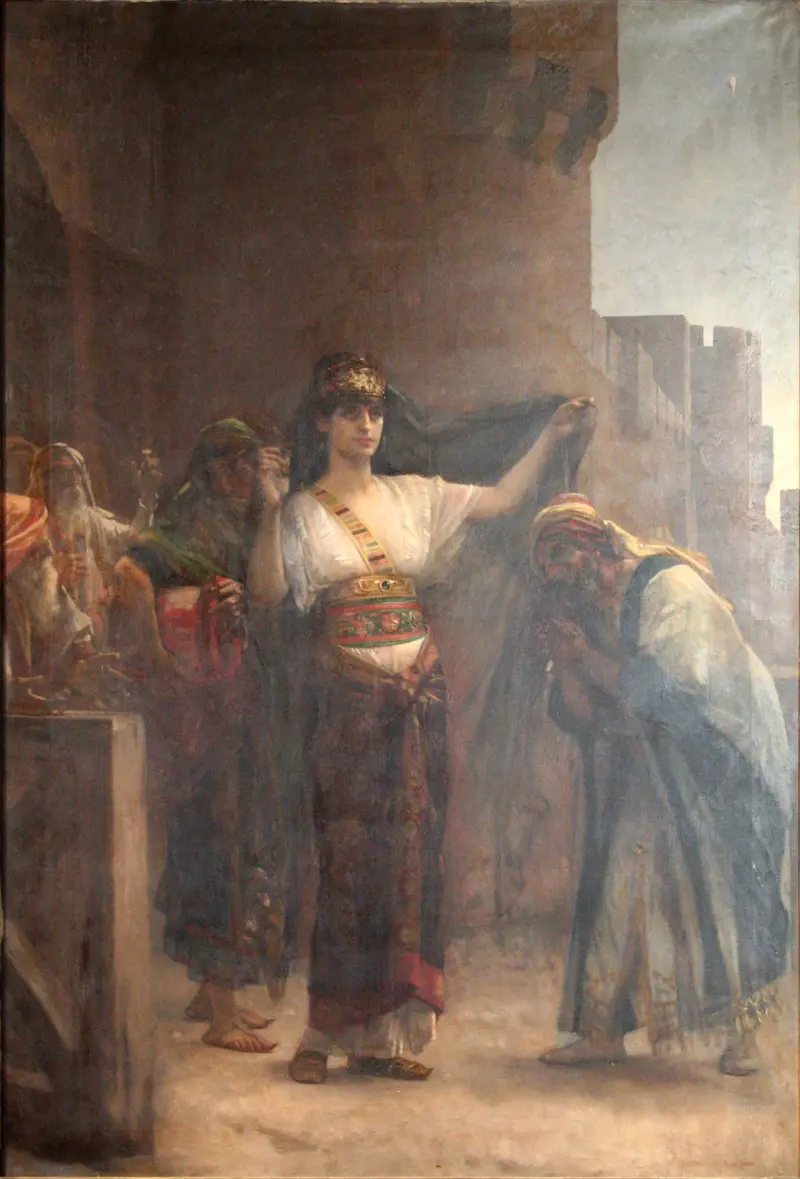
Judith
Alexandre Cabanel
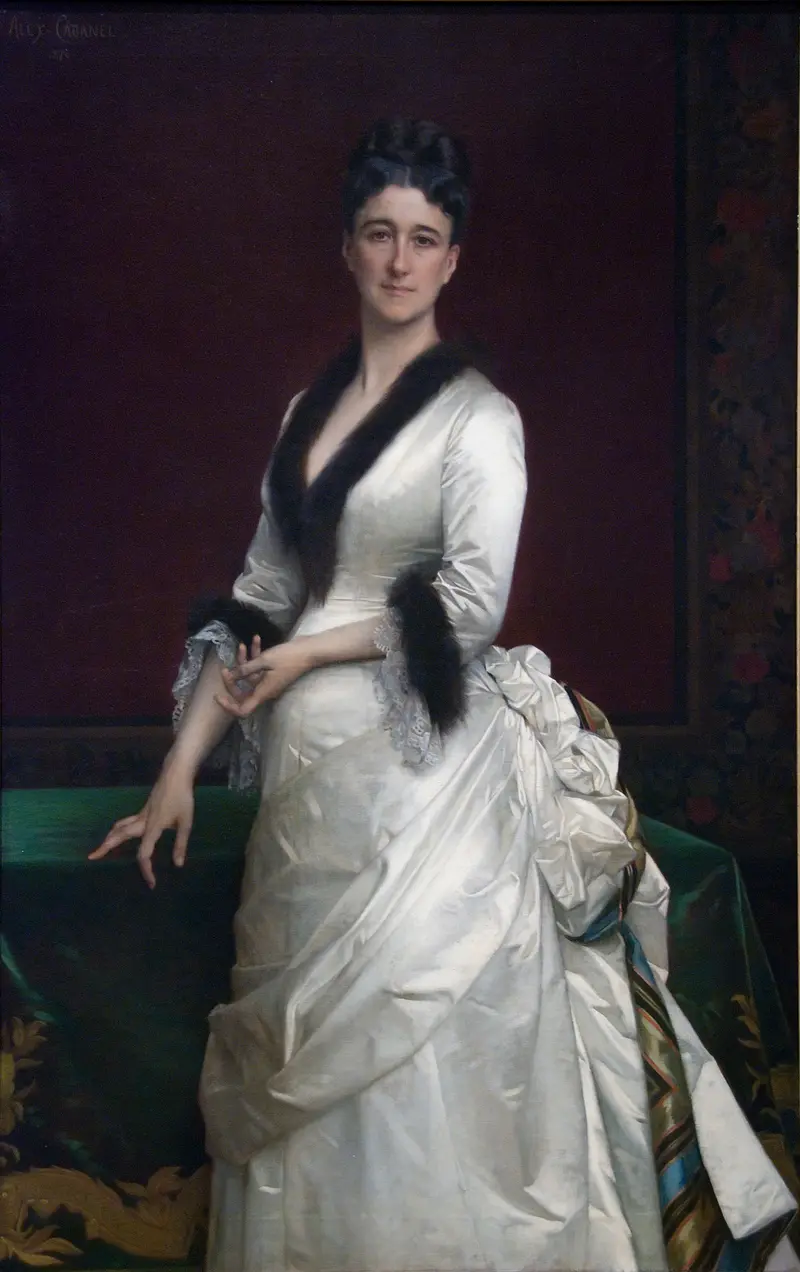
Catharine Lorillard Wolfe (1828–1887)
Alexandre Cabanel





