
Allegory of Vices — History & Facts
No one knows for certain why Correggio painted Allegory of Vices, or even for whom, but the painting’s history is haunted by a tantalizing mystery: it was long thought to be the lost pendant to Allegory of Virtues, now in the Louvre. For centuries, scholars puzzled over whether these two works were conceived as a pair, meant to hang together in a Renaissance studiolo, or if their connection was a later invention. The absence of a clear commission, date, or even a signature has only deepened the enigma, making Allegory of Vices a touchstone for debates about attribution and meaning in the artist’s oeuvre. At the center of Allegory of Vices, a group of figures writhe in uneasy proximity, their gestures and attributes embodying the moral failings that threaten the soul.
A woman with a snake coiled around her arm stands for Envy, while another figure, crowned with laurel yet gazing downward, hints at the self-destruction of Pride. The composition is dense and restless, the figures’ twisting bodies and anxious glances echoing the warning embedded in the scene. Unlike the serene harmony of Allegory of Virtues, here Correggio’s brushwork is more agitated, the palette darker—inviting comparison with the moralizing allegories of Andrea Mantegna, whose influence can be felt in the sculptural modeling and symbolic detail. The painting’s early history remains obscure; it is not mentioned in inventories or letters from Correggio’s lifetime, and its provenance before the 18th century is uncertain.
By the 1700s, it was in the collection of the Gonzaga family in Mantua, whose taste for allegory and erudite symbolism may explain its presence there. Over time, the attribution to Correggio was challenged and defended by generations of scholars, with some suggesting it was the work of a follower or imitator. Today, Allegory of Vices is recognized as a significant, if enigmatic, example of Renaissance allegory, reflecting both the moral anxieties and the visual inventiveness of its time.
More Artworks by Correggio
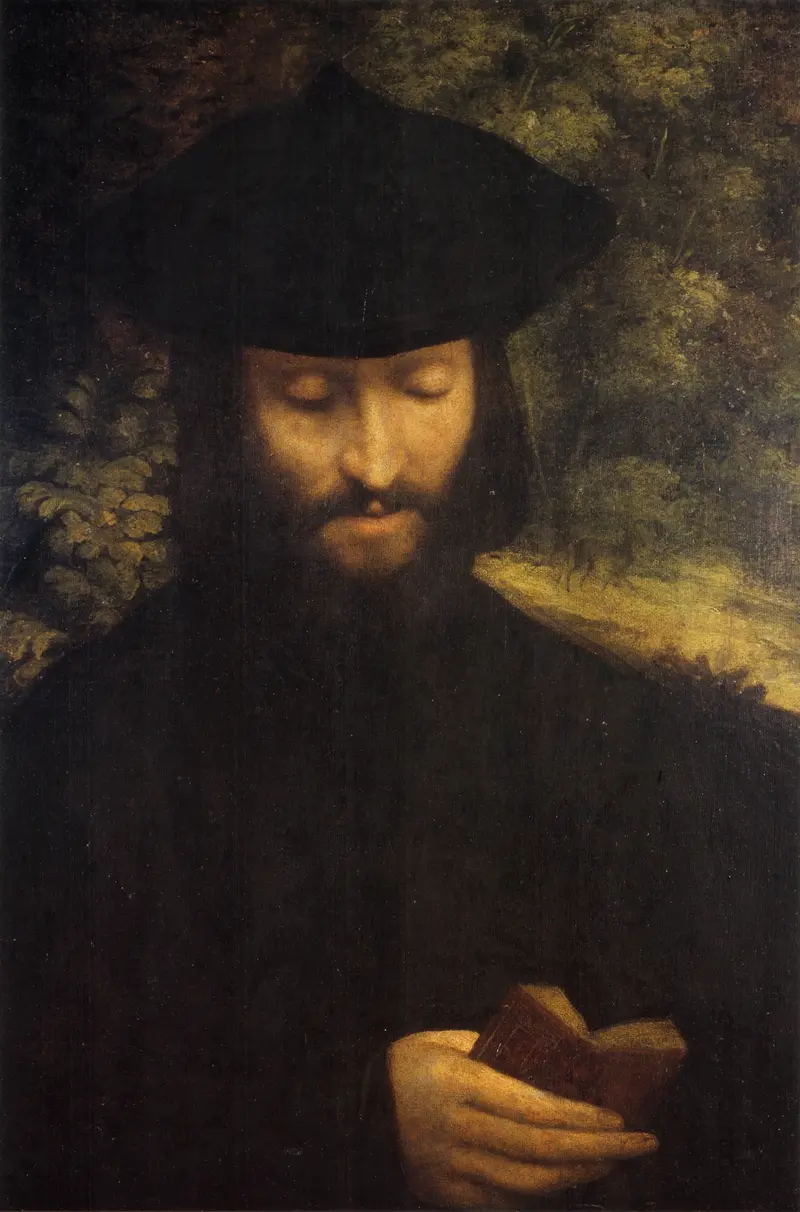
Portrait of a Man with a Book
Correggio

Holy Family with the Infant St. John
Correggio
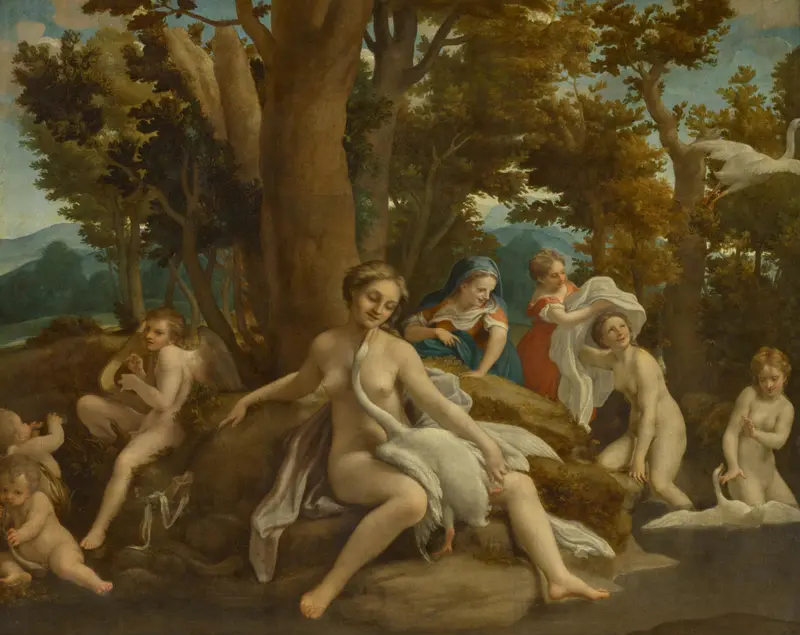
Leda and the Swan
Correggio

Madonna and Child with the Infant Saint John the Baptist
Correggio
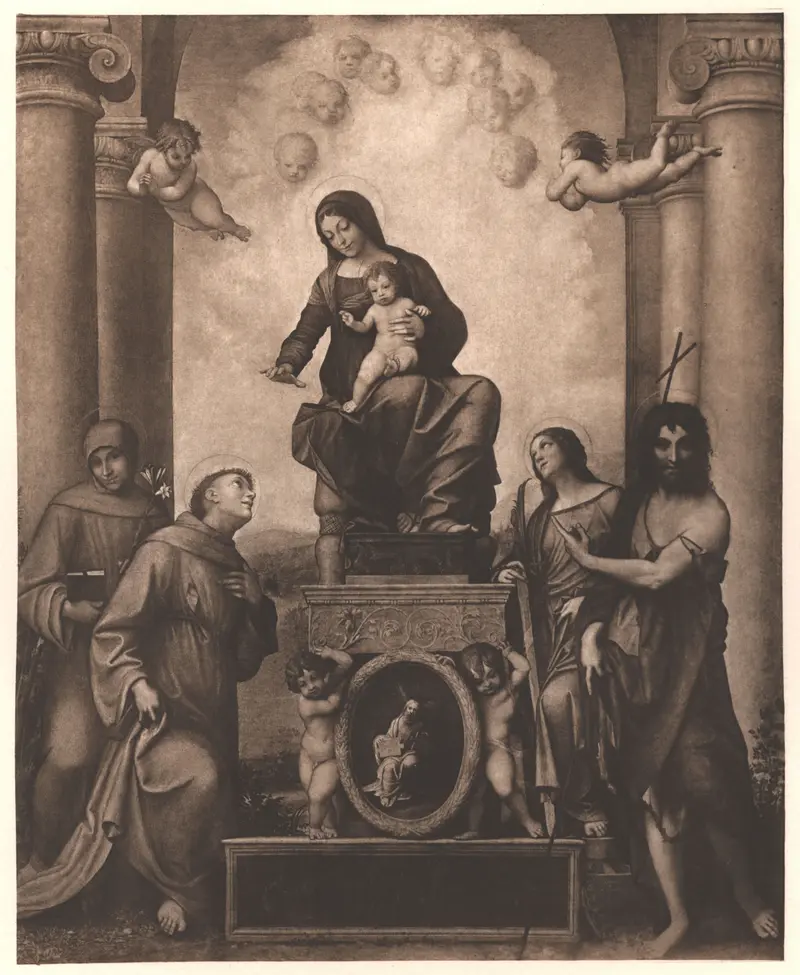
Madonna with St. Francis
Correggio
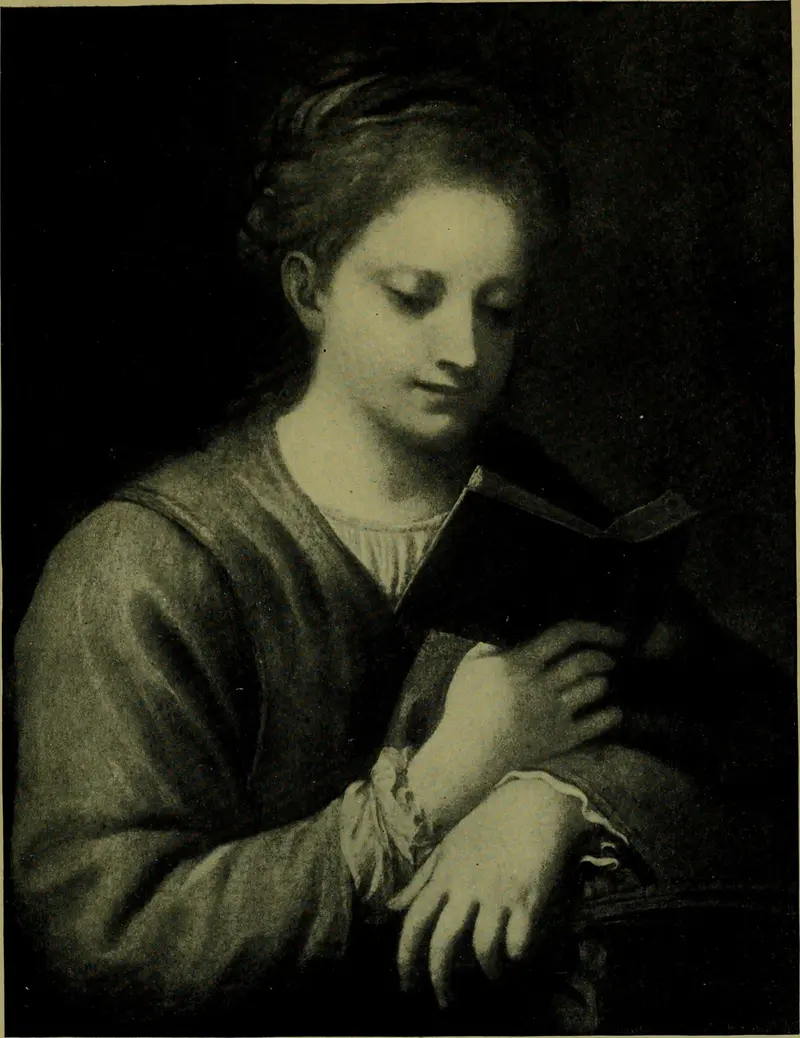
Saint Catherine Reading
Correggio

The Holy Night
Correggio
St. Benedict Gesturing to the Left; Study for the Coronation of the Virgin
Correggio
The Mystic Marriage of Saint Catherine
Correggio
Jupiter and Io
Correggio





