
Burial of Saint Catherine — History & Facts
When the nuns of the Monastery of the Discalced Mercedarians in Seville commissioned a cycle of paintings from Francisco de Zurbarán in 1636, they chose to honor the lives of female saints with a grandeur rarely seen in Spanish art of the period. Among these works, Burial of Saint Catherine stands out for its rare depiction of the legendary burial of the scholar-martyr by angels—a subject far less common than her famous martyrdom. The commission itself was a statement: in a time when the Counter-Reformation emphasized the exemplary lives of saints, these images were intended as models of virtue for the convent’s own community. At the heart of Burial of Saint Catherine, the scene unfolds at the very moment when, according to legend, angels descend to carry the body of Saint Catherine of Alexandria to Mount Sinai.
Zurbarán fixes our gaze on the luminous figure of Catherine, her white habit and golden crown contrasting with the somber earth and the gentle, almost corporeal angels who bear her. The delicate chain around her neck alludes to her noble status and martyrdom, while the broken wheel at her feet recalls her miraculous escape from torture. Unlike the dramatic violence of Caravaggio’s martyrdom scenes, Zurbarán’s approach is hushed and reverent, emphasizing the sanctity of the event through stillness and a silvery light that seems to sanctify the entire composition. The original cycle for the Mercedarian convent was dispersed in the nineteenth century, and the exact provenance of Burial of Saint Catherine after its creation is not fully documented.
Like many works by Zurbarán, it was at times misattributed or overlooked, only to be rediscovered as appreciation for the artist’s quiet intensity grew in the twentieth century. Today, it is recognized as a key example of Zurbarán’s ability to combine narrative clarity with spiritual gravity, and it remains a touchstone for understanding the devotional art of seventeenth-century Spain.
More Artworks by Francisco de Zurbarán
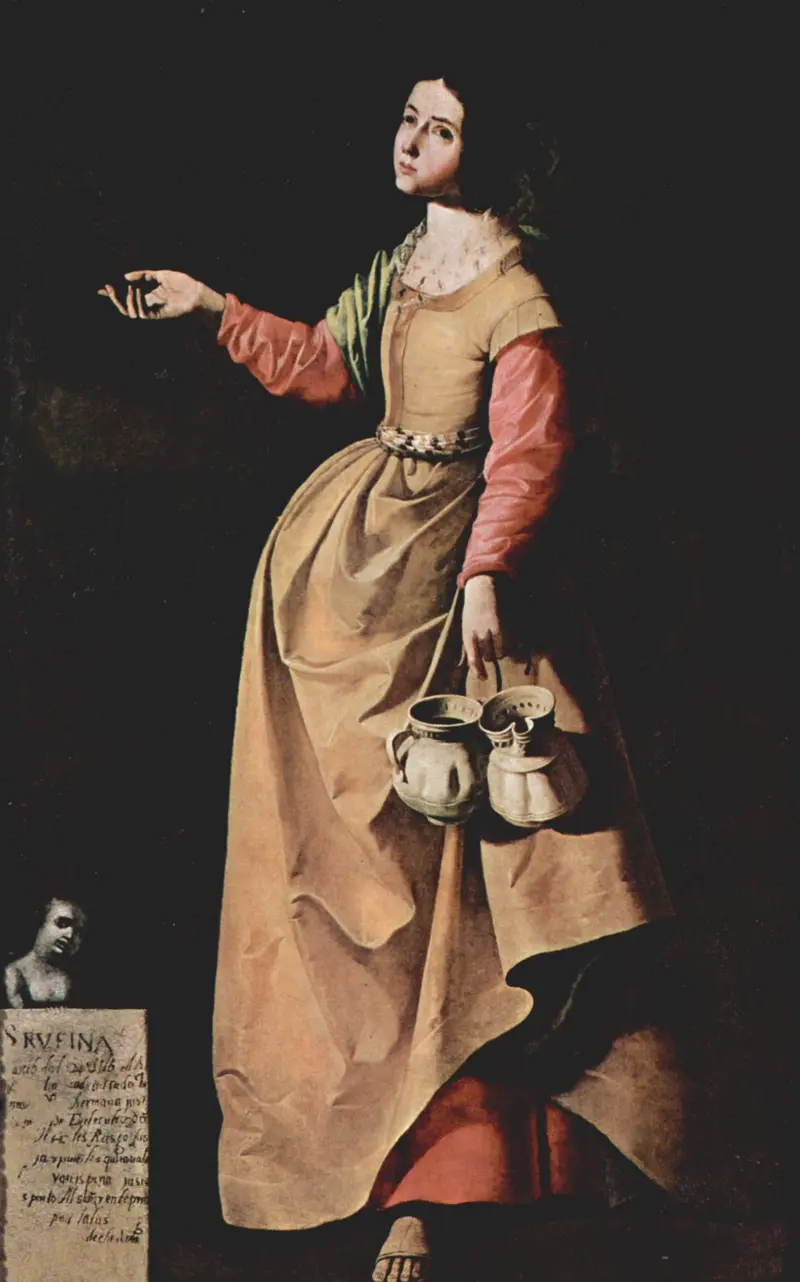
Saint Rufina
Francisco de Zurbarán
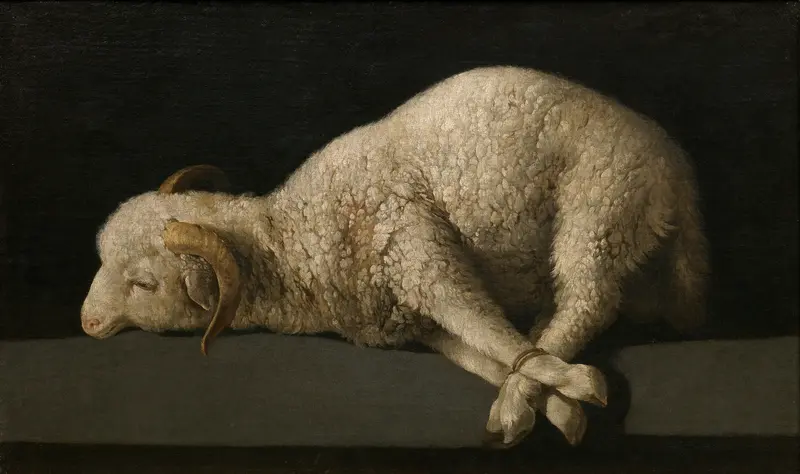
Agnus Dei
Francisco de Zurbarán
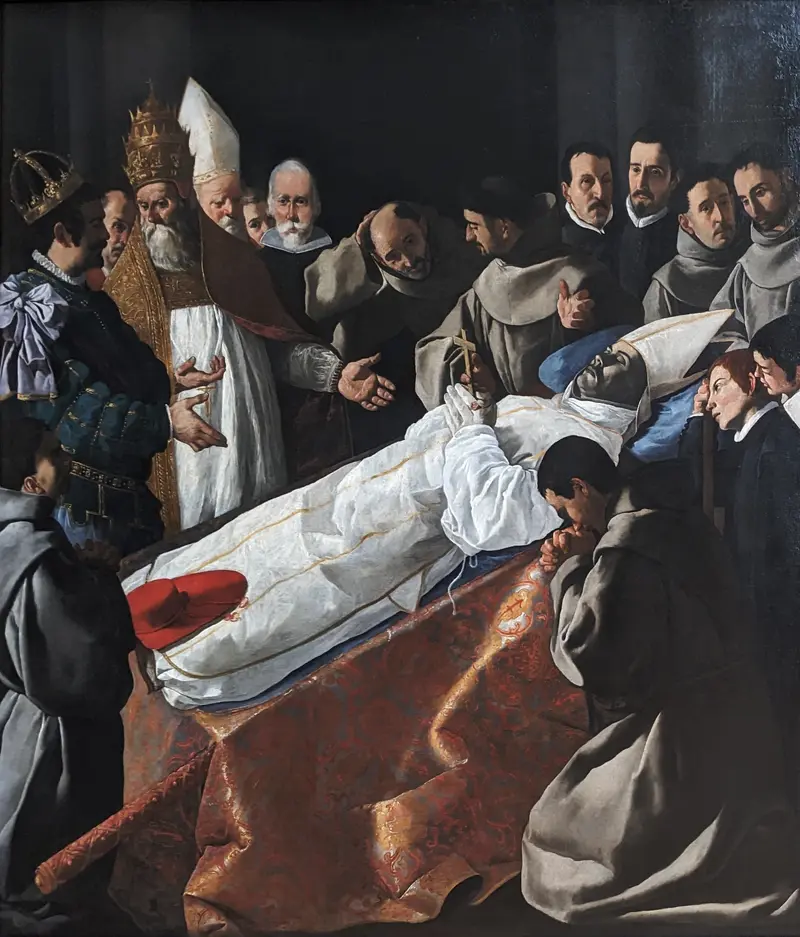
Saint Bonaventure's Body Lying in State
Francisco de Zurbarán
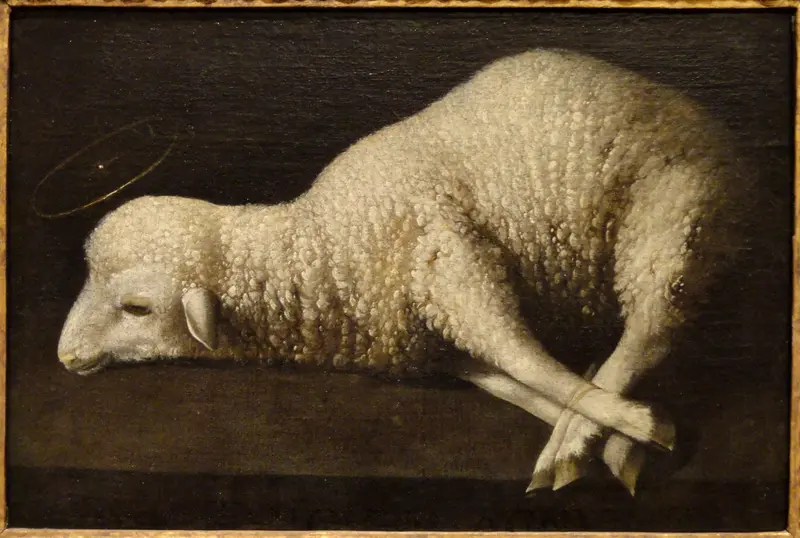
The Lamb of God
Francisco de Zurbarán

Adoration of the Magi
Francisco de Zurbarán
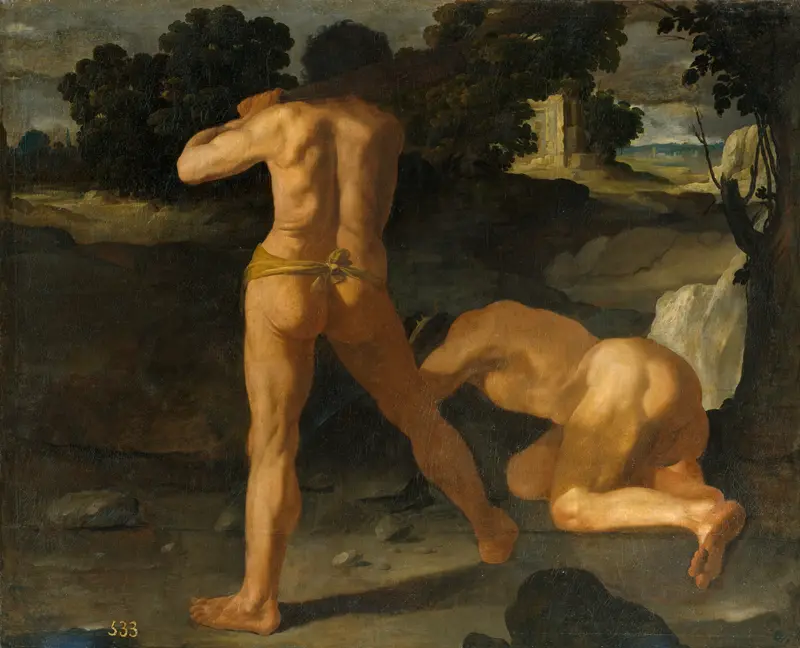
Hercules defeats King Geryon
Francisco de Zurbarán
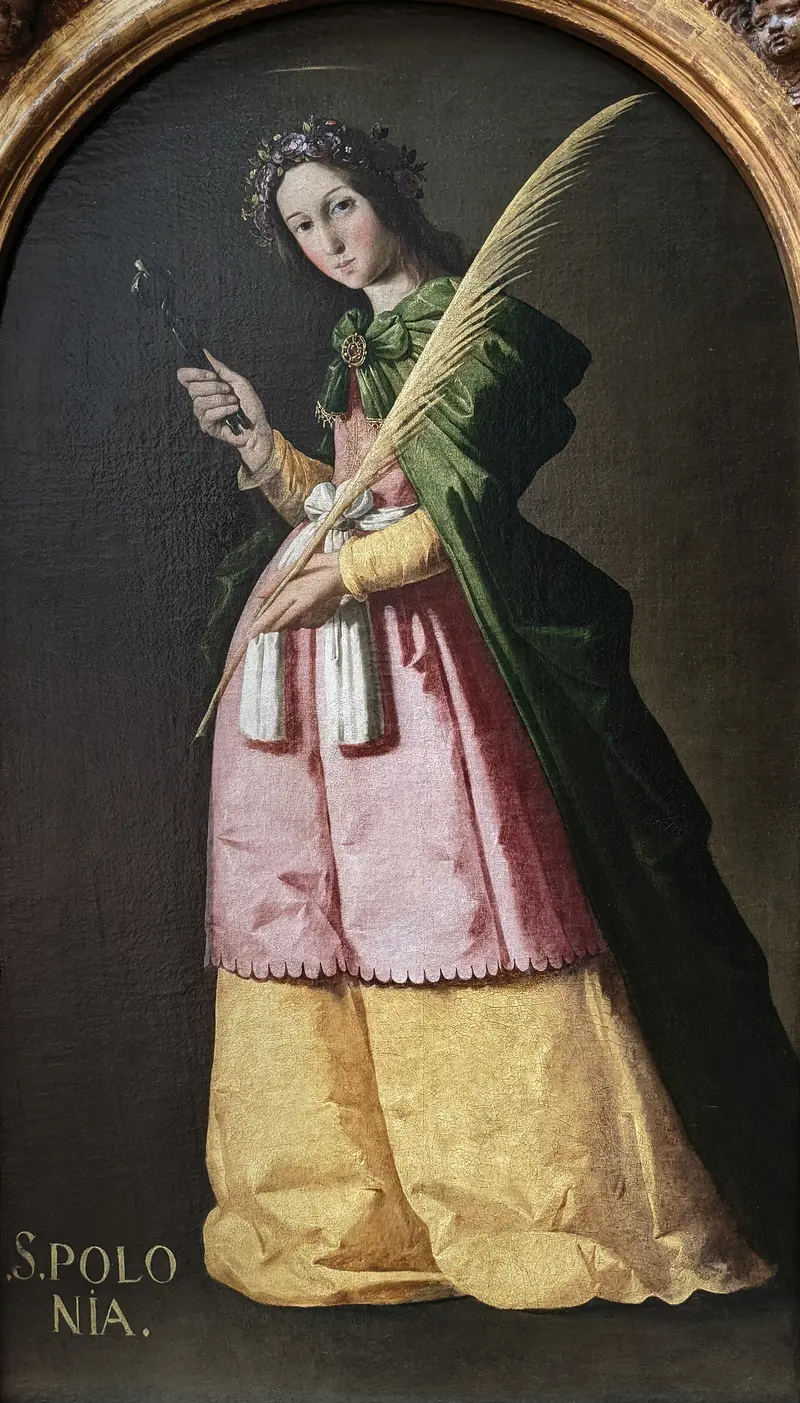
Saint Apollonia
Francisco de Zurbarán
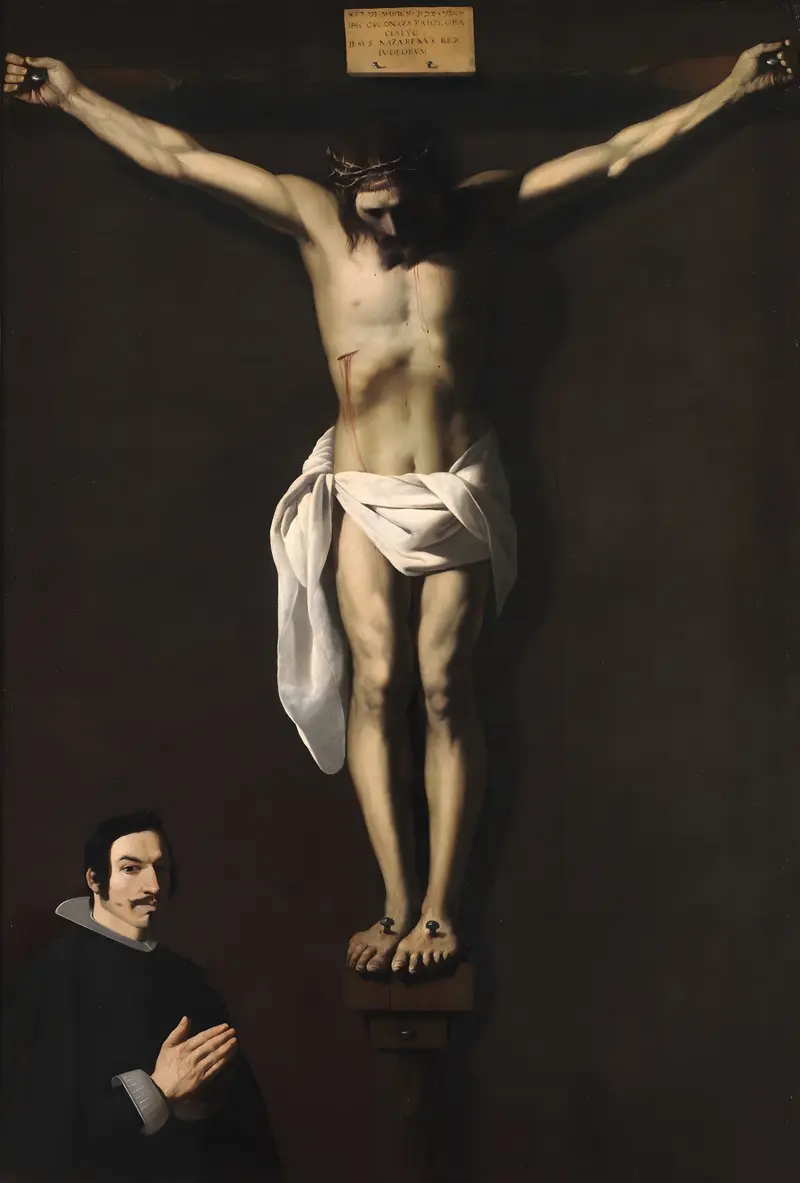
The Crucified Christ with a Donor
Francisco de Zurbarán
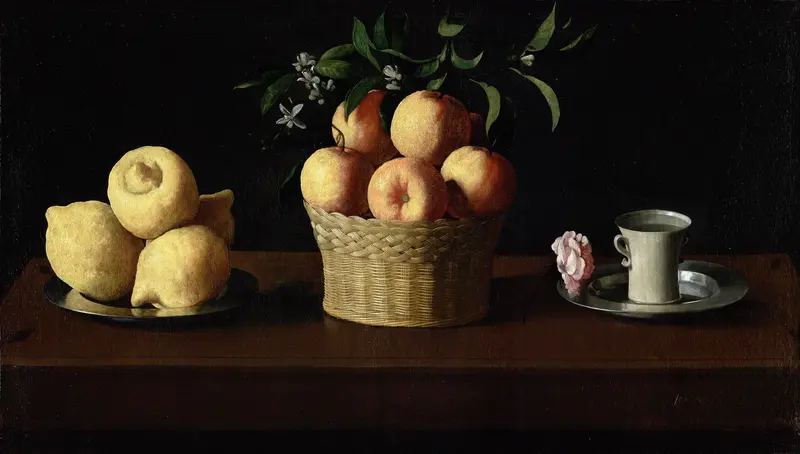
Still Life with Lemons, Oranges and a Rose
Francisco de Zurbarán
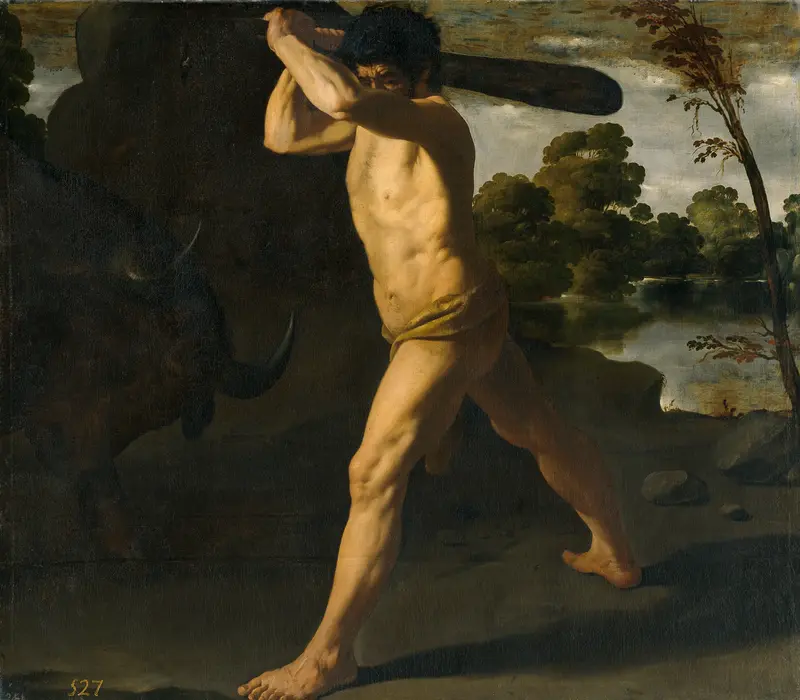
Hercules and the Cretan Bull
Francisco de Zurbarán





