
Captain Patrick Miller — History & Facts
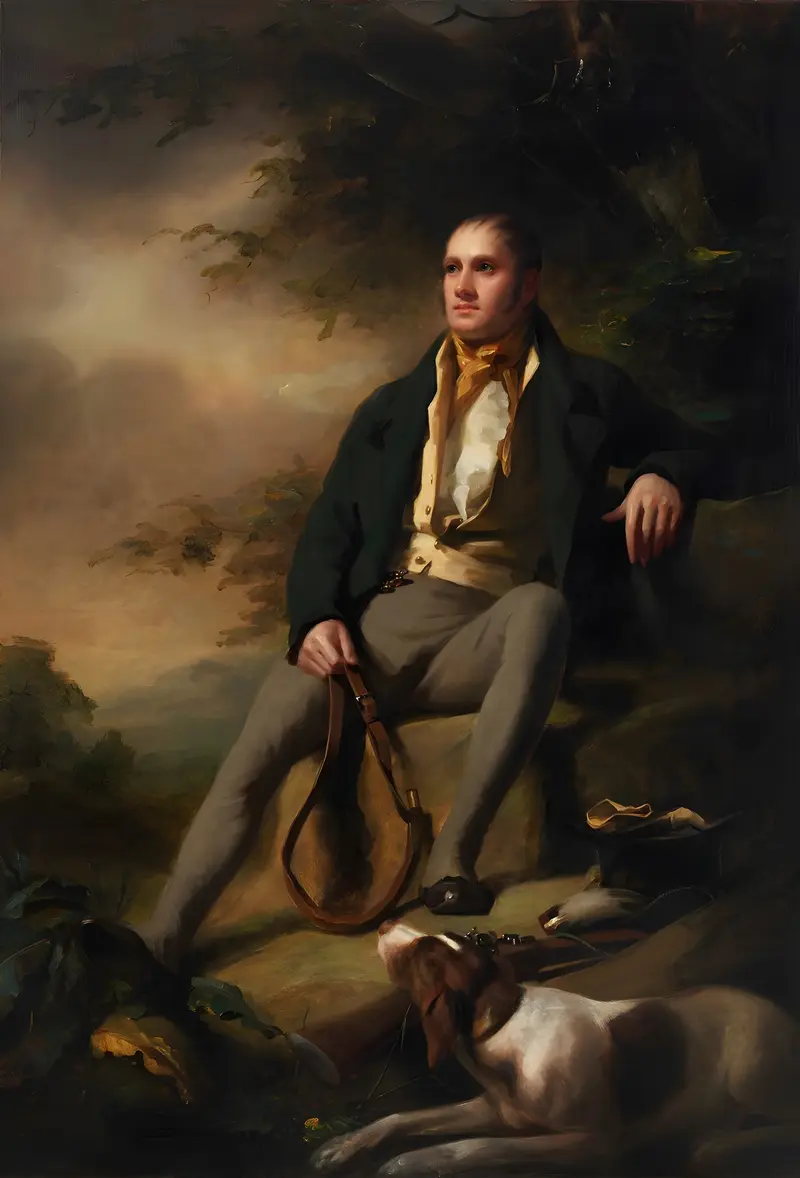
No other portrait by Sir Henry Raeburn has sparked as much curiosity about its subject’s double life as Captain Patrick Miller. The sitter, Patrick Miller of Dalswinton, was not only a Scottish laird but also a pioneering financier of early steam navigation—a man whose experiments on the Firth of Forth in the 1780s would eventually help launch the world’s first practical steamboat. The painting’s fame is inseparable from this legacy: Miller’s passion for invention, and his willingness to risk fortune and reputation on new technology, made him a figure of both admiration and controversy in Enlightenment-era Scotland. Raeburn captures Miller not in the throes of invention, but in a moment of composed confidence.
The captain’s direct gaze, set beneath a shock of white hair, meets the viewer with a calm that belies his restless intellect. His naval uniform, crisply rendered, hints at both his honorary rank and his maritime ambitions, while the faint suggestion of a ship’s model or chart on the table beside him signals his true preoccupation. The play of light across Miller’s face and hands draws attention to his alertness and capability, much as Thomas Gainsborough did in his portraits of men of action like Captain Robert Orme.
Every detail in Raeburn’s handling—down to the subtle glint of buttons—reinforces the sitter’s blend of dignity and innovation. The precise date and circumstances of Captain Patrick Miller’s creation remain uncertain, as does its original commission; such gaps are not unusual in Raeburn’s oeuvre, where many portraits were painted for private families and only later entered public collections. Over the years, the painting has been variously attributed and sometimes confused with other likenesses of Miller, but Raeburn’s distinctive brushwork and psychological insight have secured its place among his most admired works. Today, it stands as a testament not only to a remarkable individual but also to the spirit of Scottish Enlightenment portraiture, where the sitter’s character and achievements are rendered with candor and respect.
More Artworks by Sir Henry Raeburn

Portrait of Hugh Hope
Sir Henry Raeburn
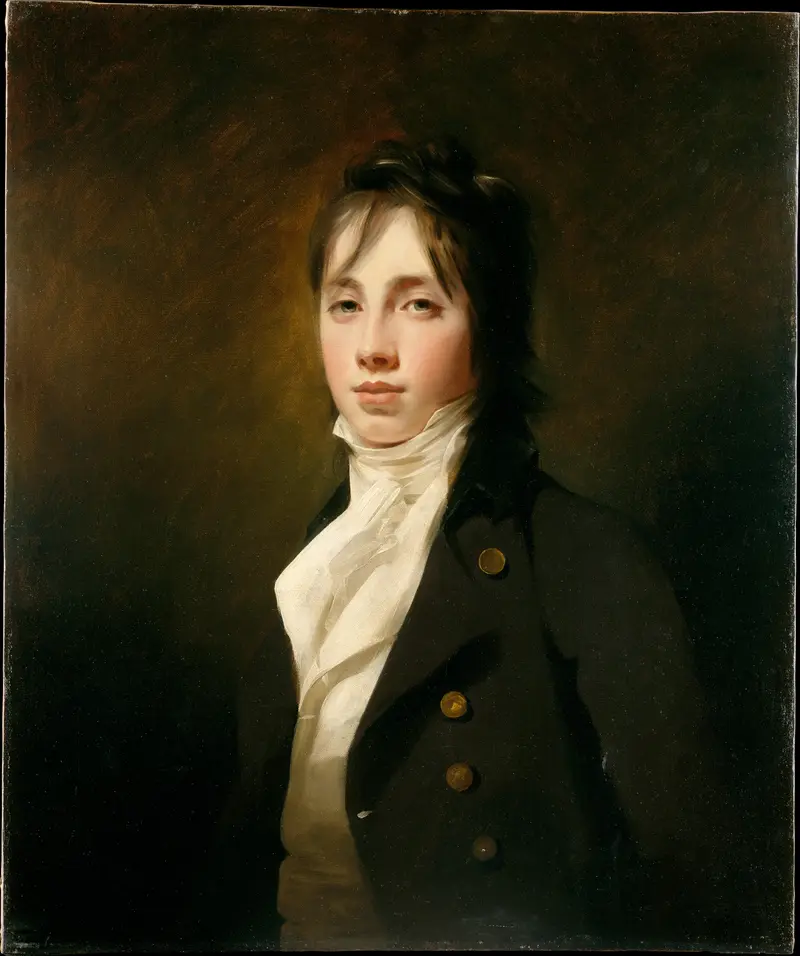
William Fraser of Reelig (1784–1835)
Sir Henry Raeburn
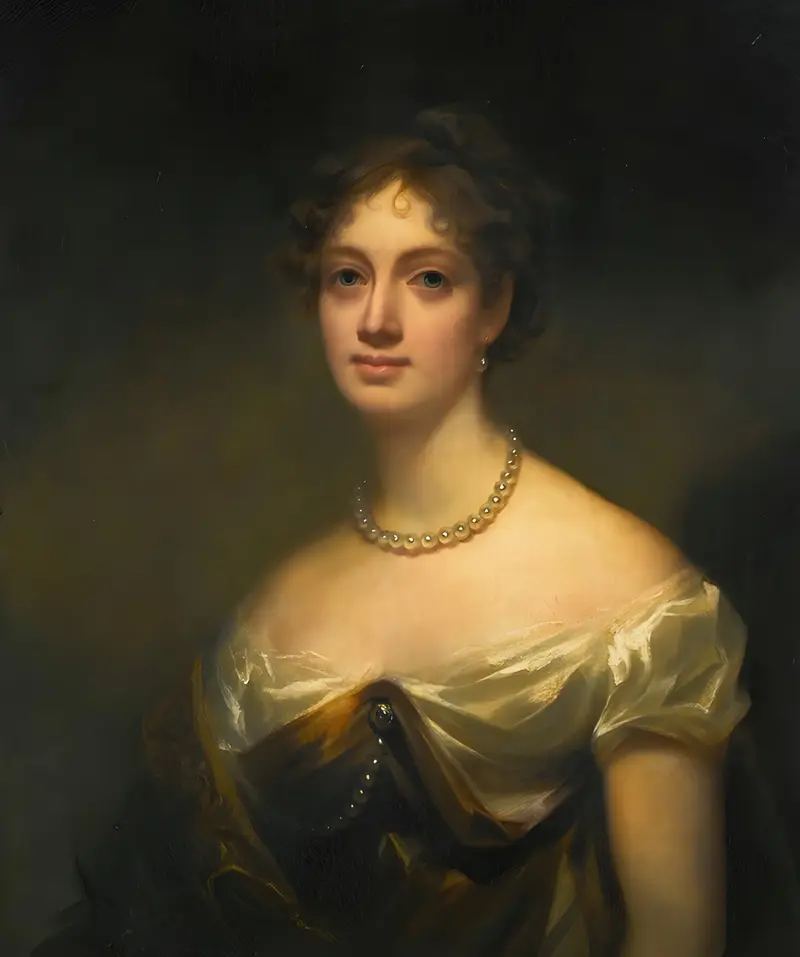
Portrait Of Anne Blair Maconochie Welwood Of Garvock, Lady Meadowbank (1784–1866)
Sir Henry Raeburn
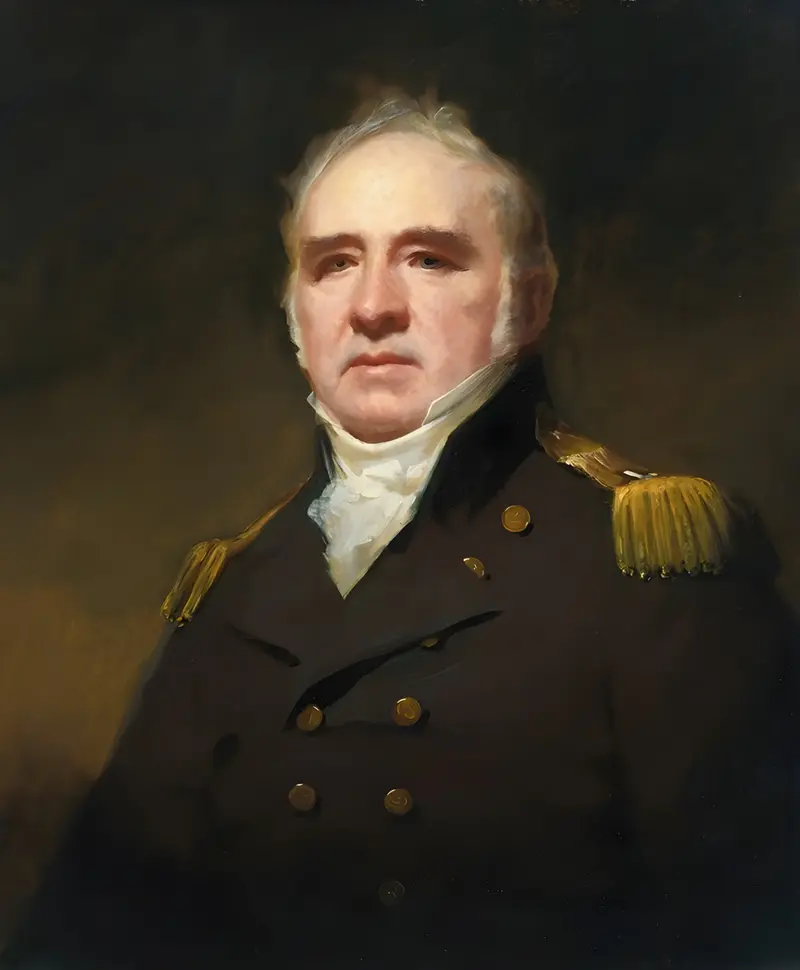
Portrait Of Captain James Forbes-Drummond, R.N., Of Hawthornden
Sir Henry Raeburn
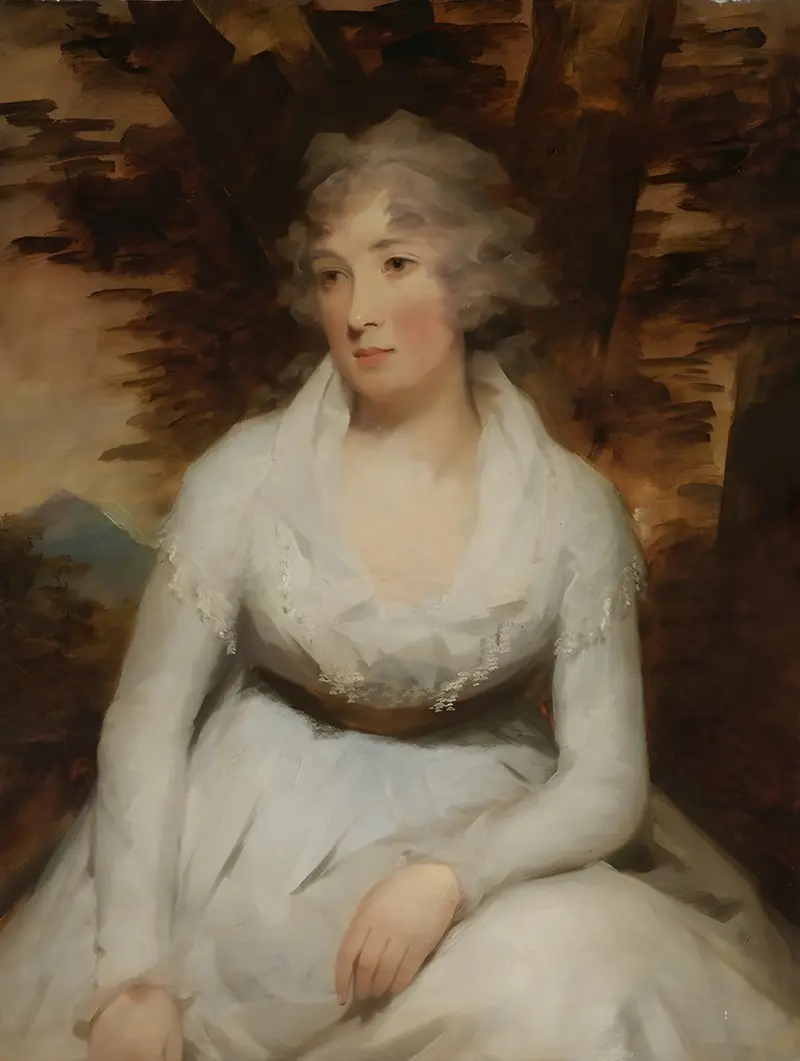
Miss Elizabeth Dalrymple (afterwards Mrs. George Leith)
Sir Henry Raeburn
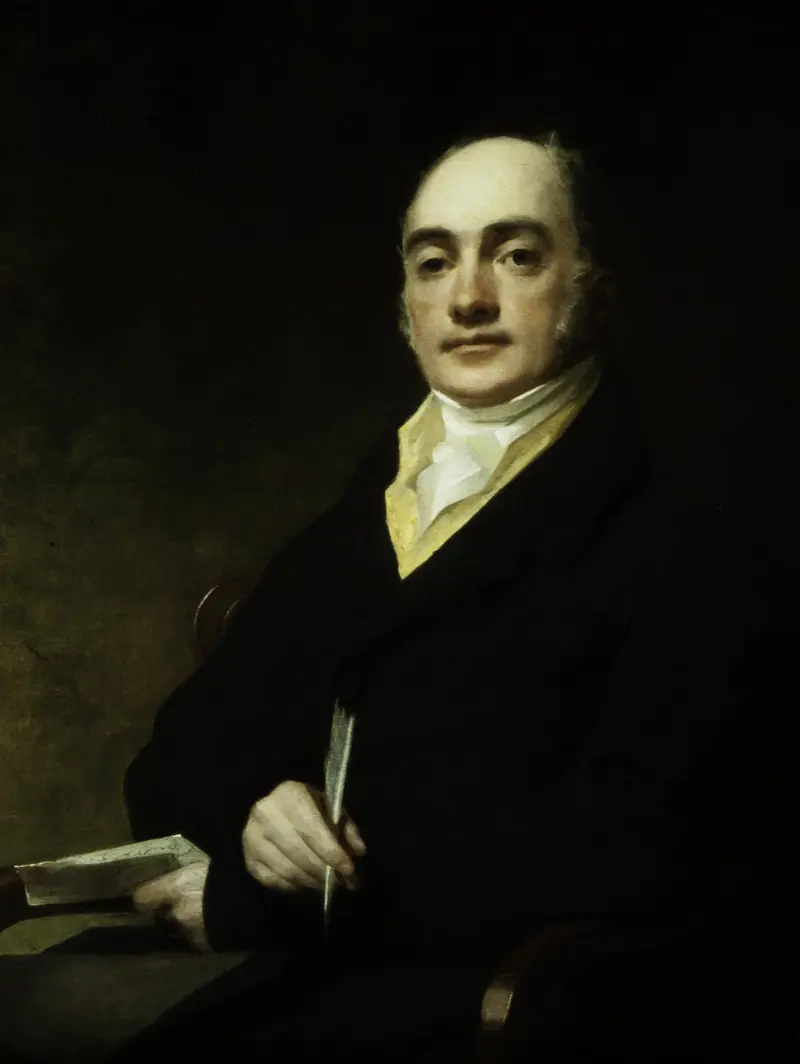
Portrait of John Baillie (1772-1833)
Sir Henry Raeburn
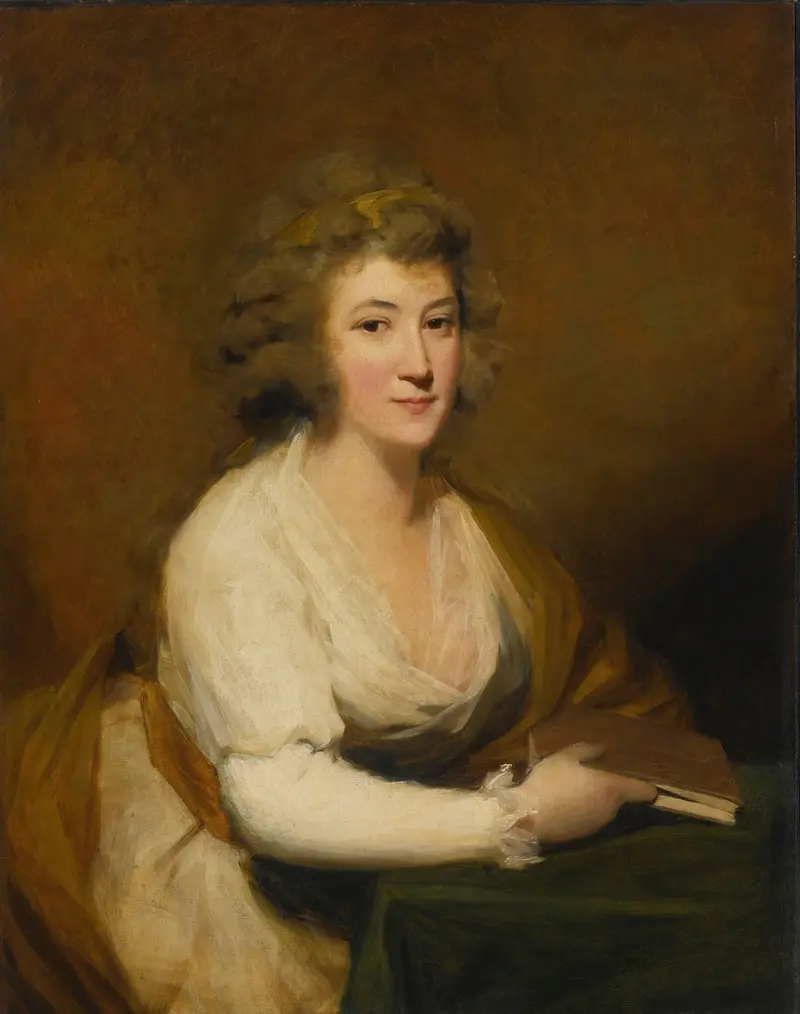
Portrait Of Lady Nasmyth, In A White Dress And Brown Shawl, Seated At A Table, Holding A Book
Sir Henry Raeburn
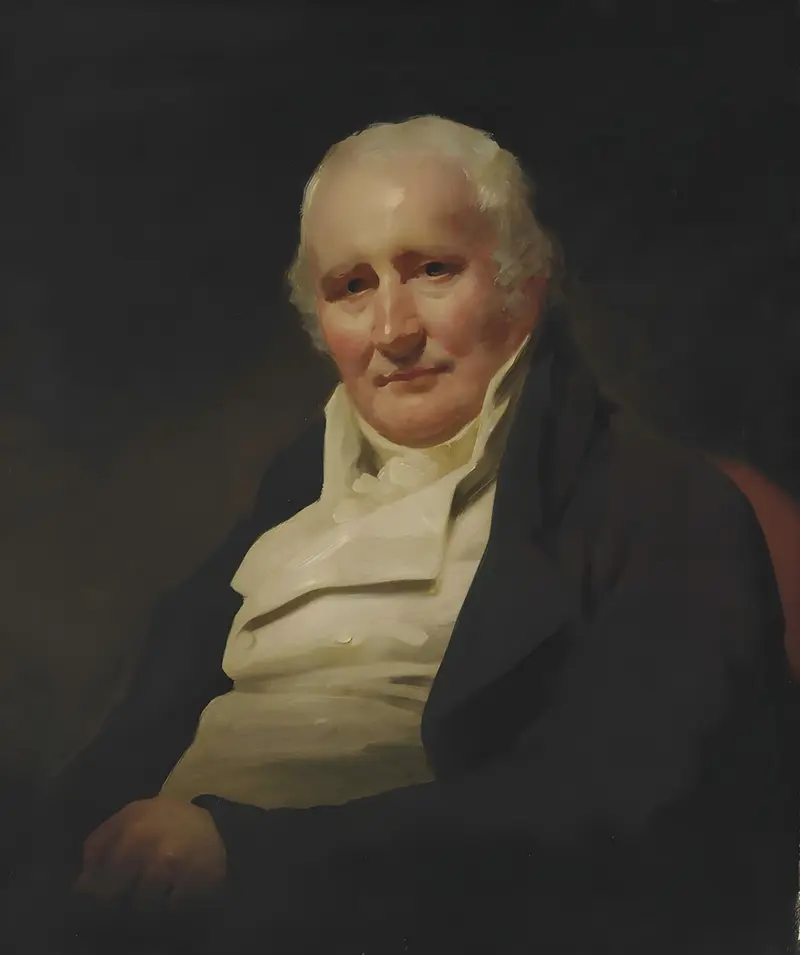
Portrait Of Mr. Spottiswood
Sir Henry Raeburn
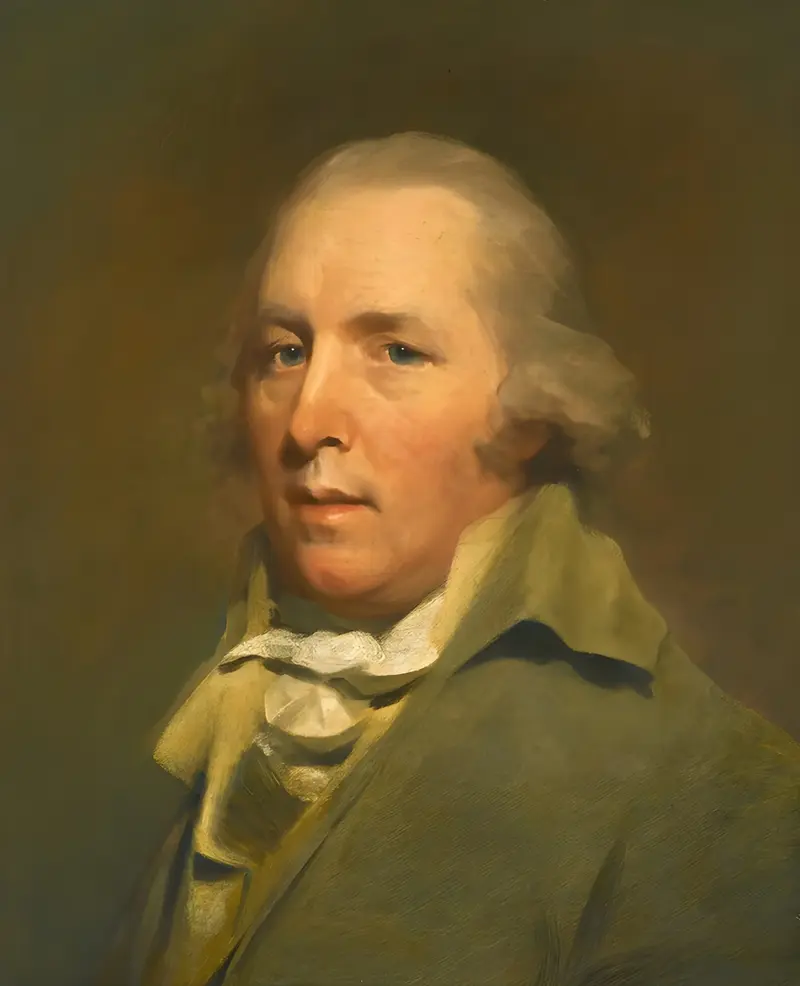
Portrait Of The Reverend John Home (1722-1808)
Sir Henry Raeburn
Portrait of William Hunt (c.1796-1854), Pittencrief House, Dunfermline
Sir Henry Raeburn





