
Ceres — History & Facts
When Ceres left the hand of Raphael in 1516, it formed part of an ambitious series of mythological figures destined for the Villa Madama in Rome, a project commissioned by Cardinal Giulio de’ Medici, the future Pope Clement VII. The cycle was never fully realized, but the surviving designs and fragments, including Ceres, offer a rare glimpse into Raphael’s late style and his engagement with classical antiquity. The identity of the painting’s medium remains a matter of scholarly debate, with some suggesting it was originally a fresco design, others an oil or tempera panel.
This uncertainty only adds to the work’s fascination: it stands as both a testament to Raphael’s versatility and a puzzle for historians. In this image, Raphael selects the moment when the goddess Ceres, bringer of grain and fertility, emerges crowned with wheat, her gaze serene yet commanding. She holds a sheaf of golden wheat in one hand, a classical attribute signaling her dominion over the harvest, while her other hand gestures in benediction or perhaps in the act of bestowing abundance upon the earth. The drapery is rendered with a sculptural clarity that recalls ancient Roman statuary, yet the softness of her features and the gentle play of light across her face are unmistakably Raphael.
Compared to Titian’s later, more sensual depictions of mythological goddesses, Raphael’s Ceres is dignified, almost austere, embodying the ideal of divine generosity rather than earthly pleasure. The subsequent history of Ceres is as elusive as its original medium. While the painting’s early provenance is not fully documented, it is generally accepted that it remained in Rome for several centuries, passing through the hands of private collectors who prized Raphael’s mythological works. Attribution has never been seriously challenged, though the lack of contemporary records leaves some details uncertain.
Today, Ceres is recognized as a significant example of Raphael’s late mythological output, reflecting both the humanist ideals of the High Renaissance and the artist’s own fascination with the ancient world. Its survival, despite the incomplete fate of the Villa Madama project, is a quiet triumph of art over circumstance.
More Artworks by Raphael

Madonna of the Goldfinch
Raphael

Madonna with the Fish
Raphael
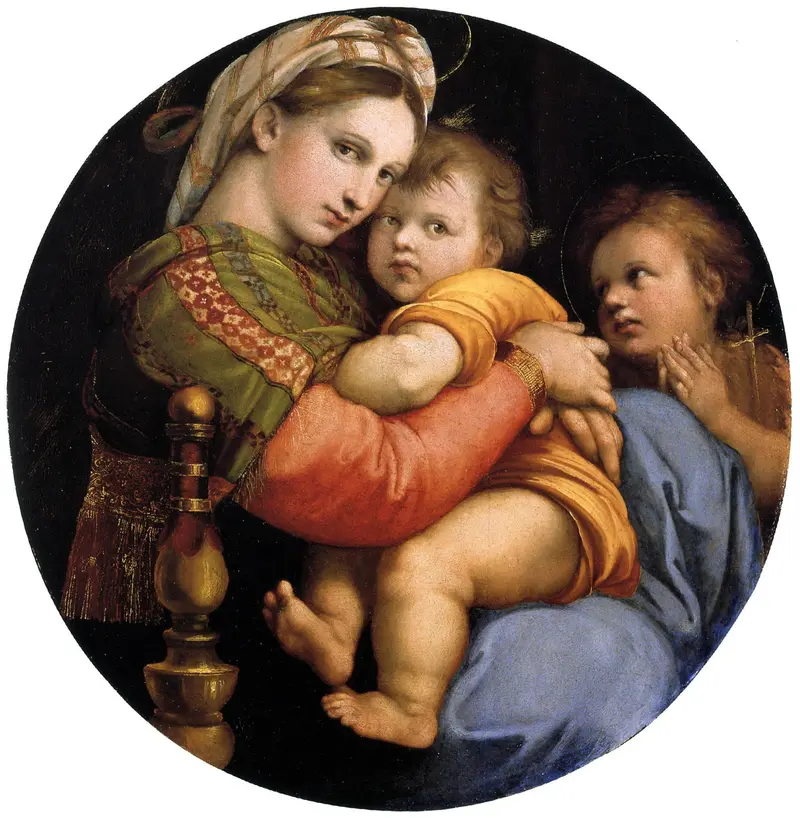
Madonna and Child (Madonna della Seggiola)
Raphael
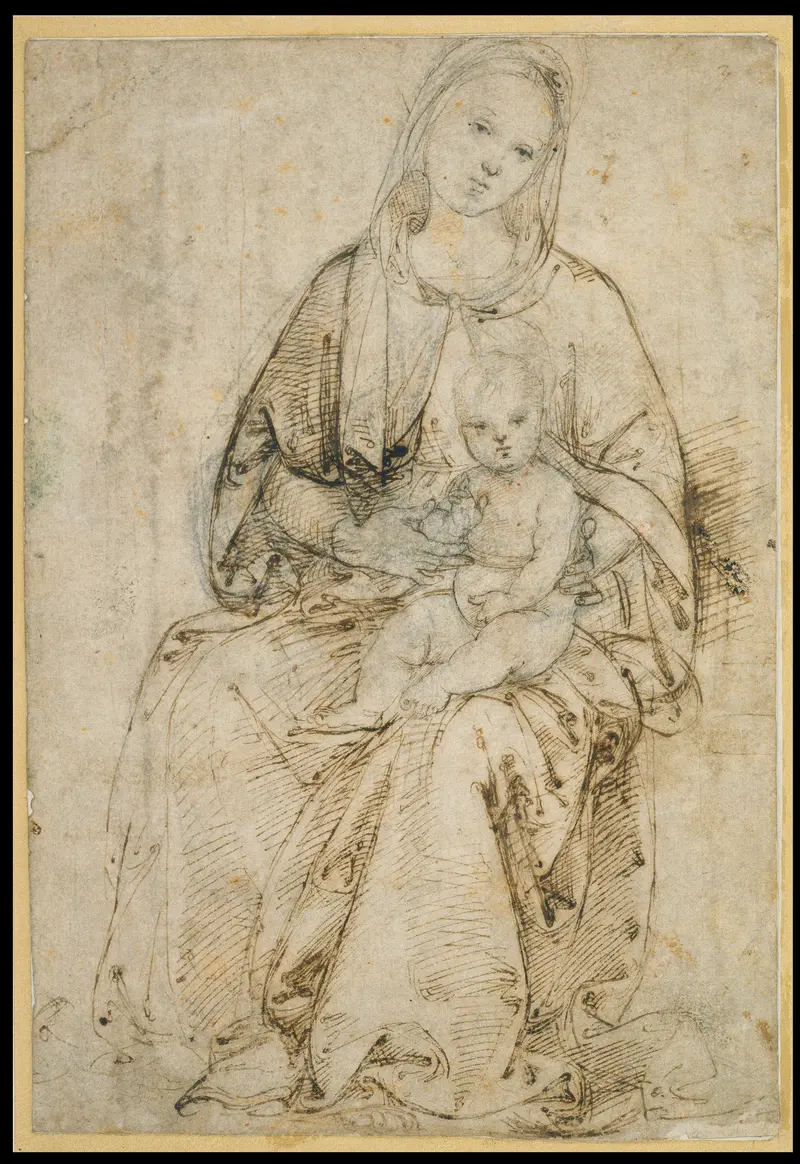
Seated Madonna and Child
Raphael
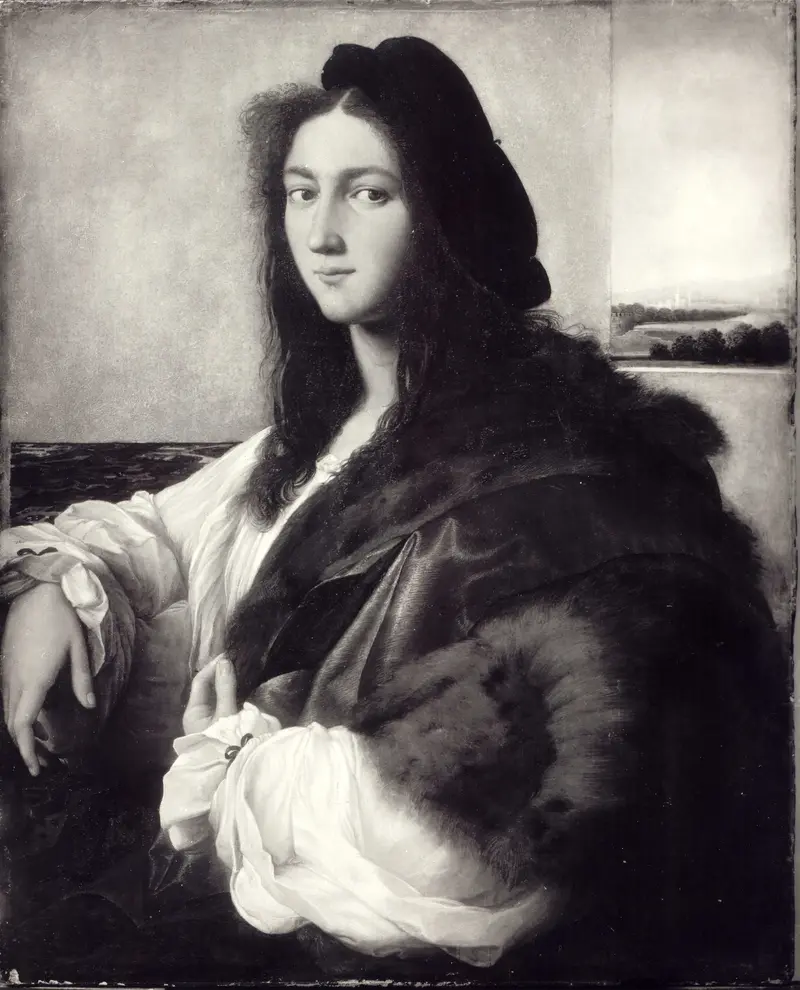
Portrait of a Young Man
Raphael
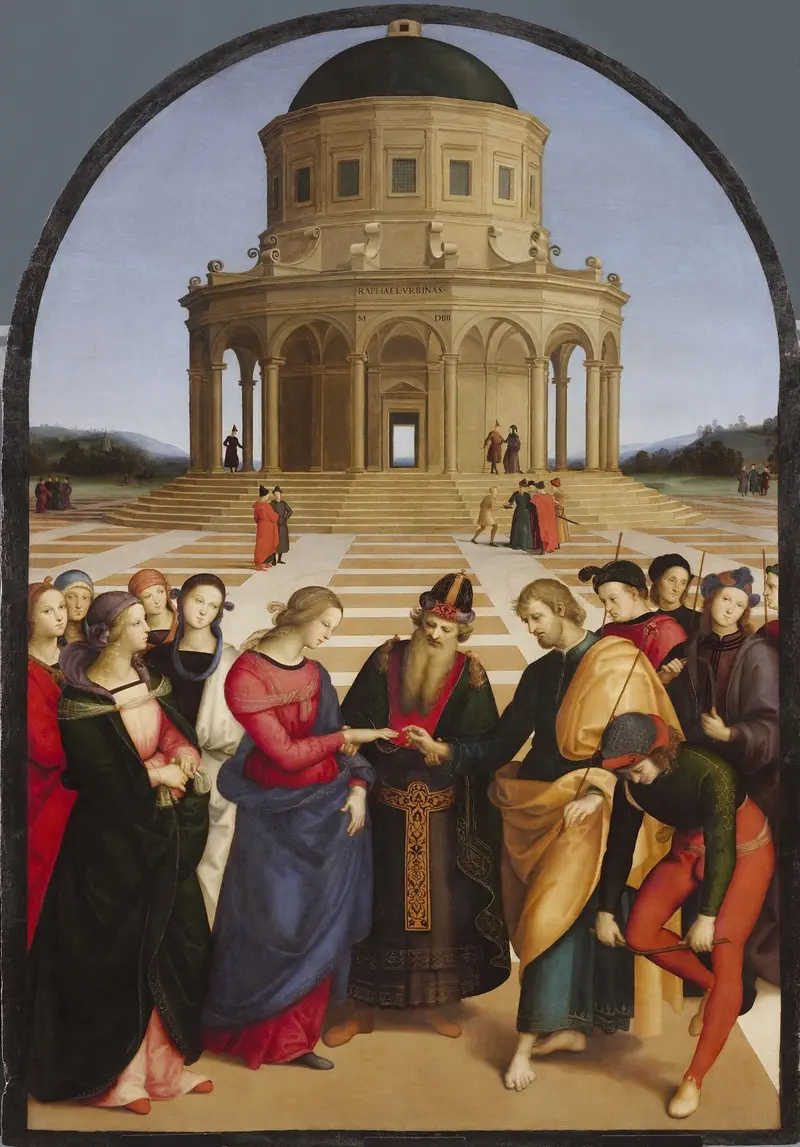
The Marriage of the Virgin
Raphael
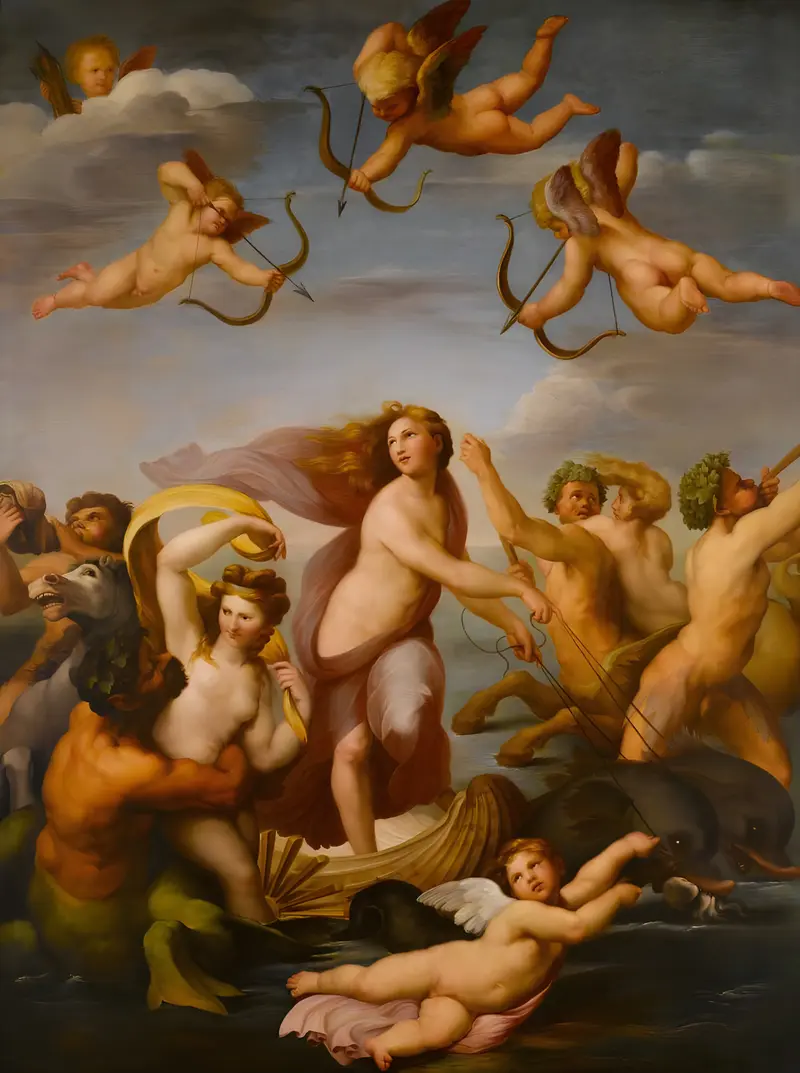
The Triumph of Galatea (copy after Raphael)
Raphael
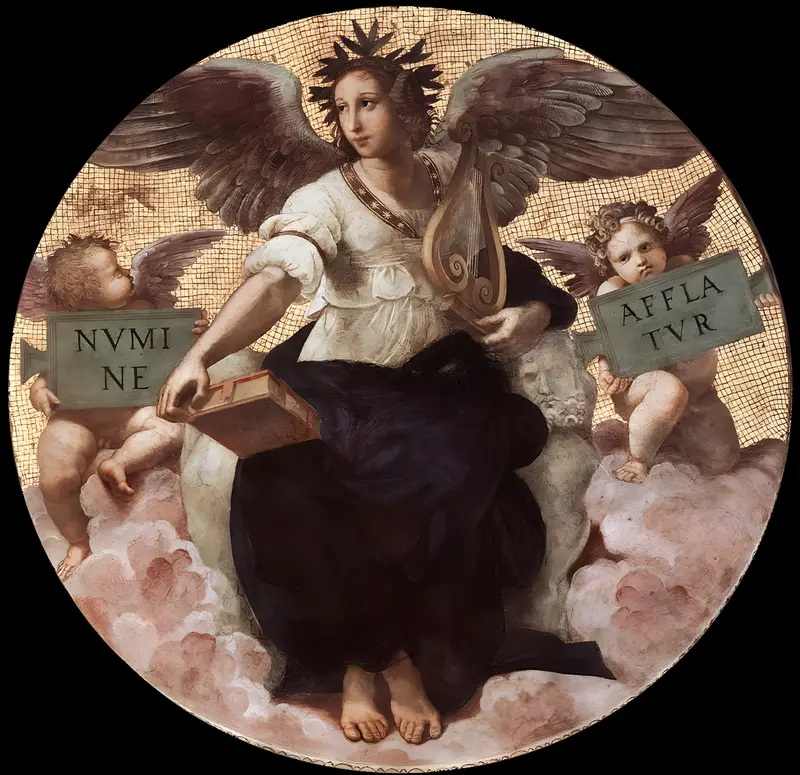
Poetry
Raphael
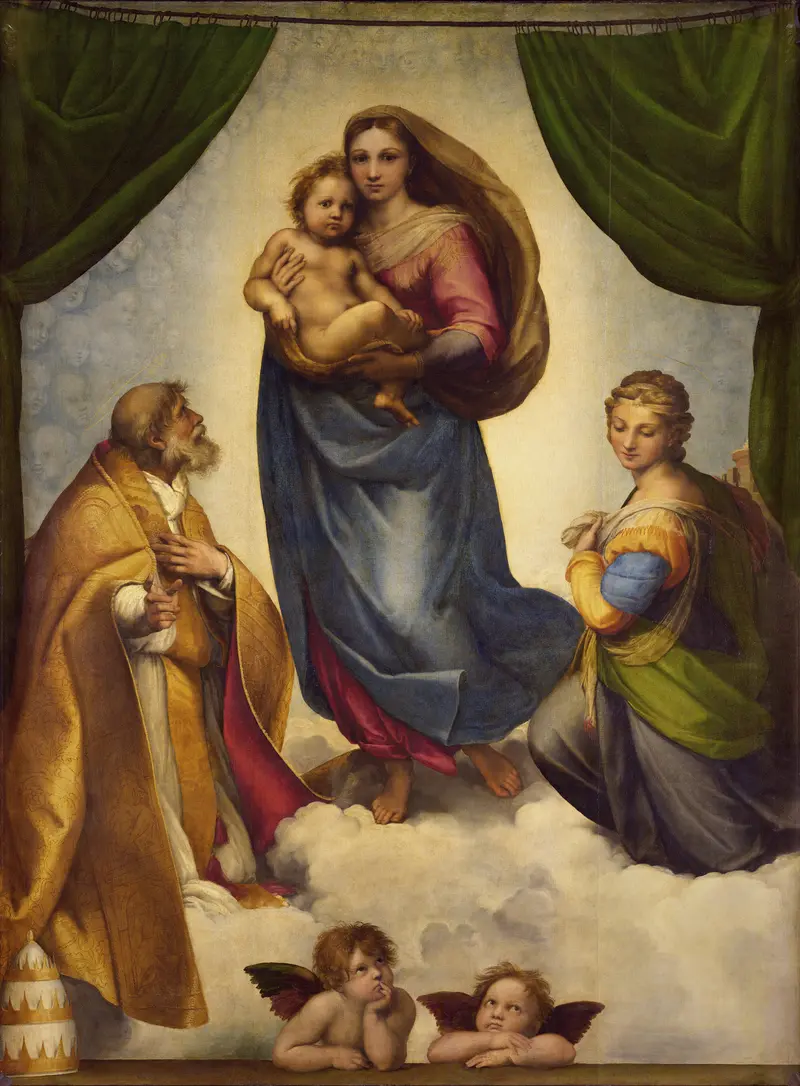
Sistine Madonna
Raphael
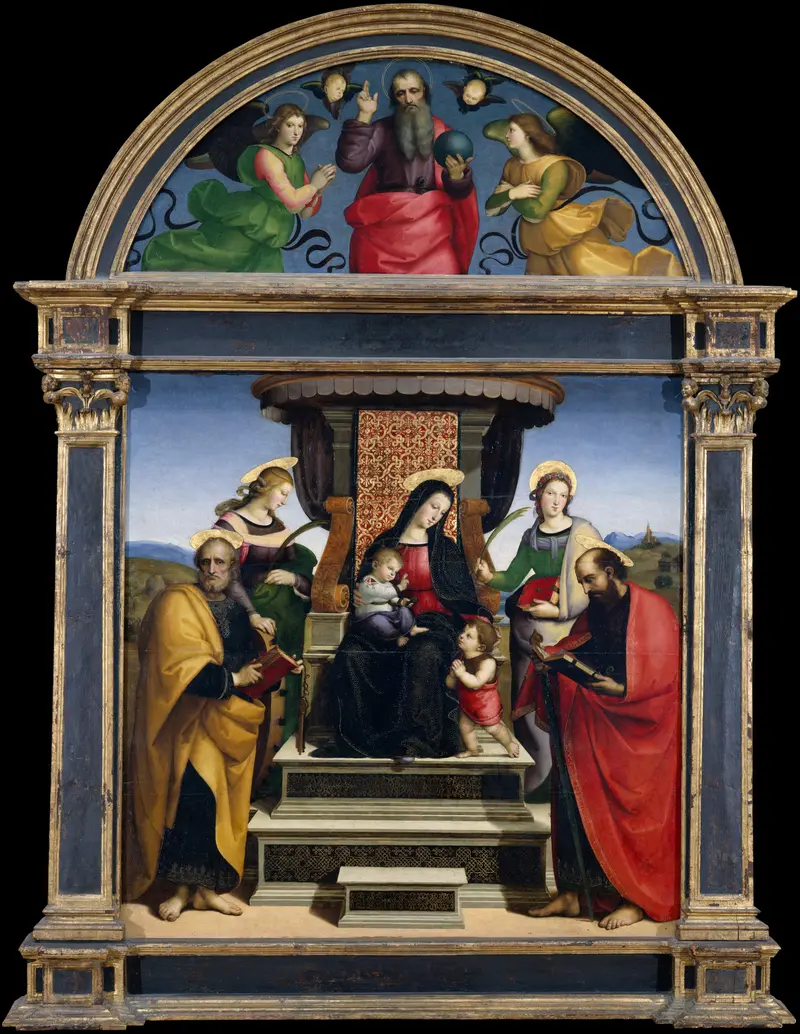
Madonna and Child Enthroned with Saints
Raphael





