
David and Bathsheba — History & Facts
Few artists in the seventeenth century dared to paint the story of Bathsheba from her own vantage, but Artemisia Gentileschi—one of the very few celebrated women painters of the Baroque—chose to do so around 1645, at a time when her reputation was flourishing in Naples. This work stands out because, unlike many of her male contemporaries, Gentileschi placed Bathsheba at the center of the narrative, not merely as an object of desire but as a woman caught in a moment of consequence. The painting’s authorship has never been seriously doubted, but the exact circumstances of its commission remain unclear, adding a layer of mystery to its origins. Bathsheba, freshly bathed, is attended by her maids as King David, visible in the distance or perhaps only implied, gazes upon her from his palace rooftop.
Gentileschi captures the instant Bathsheba becomes aware of being watched: her body is turned, her gaze uncertain, and her attendants pause mid-task. The rich fabrics and jewelry signal her royal status, while the play of light draws the eye to her exposed skin, making the viewer complicit in David’s gaze. Unlike Rembrandt’s version, where Bathsheba reads the king’s letter in private sorrow, Gentileschi’s Bathsheba is surrounded by women, emphasizing solidarity and the intrusion of power into a private moment. The subsequent history of David and Bathsheba is not fully documented, but it is generally believed to have remained in Italy for centuries, passing through private collections.
Its attribution to Gentileschi has been consistently maintained, supported by stylistic parallels to her other Neapolitan works. Today, the painting is recognized as a key example of her mature period, reflecting both her technical skill and her interest in the inner lives of biblical women. It continues to attract scholarly attention, not only for its artistry but also for what it reveals about gender, power, and narrative choice in the Baroque era.
More Artworks by Artemisia Gentileschi

Judith Beheading Holofernes
Artemisia Gentileschi
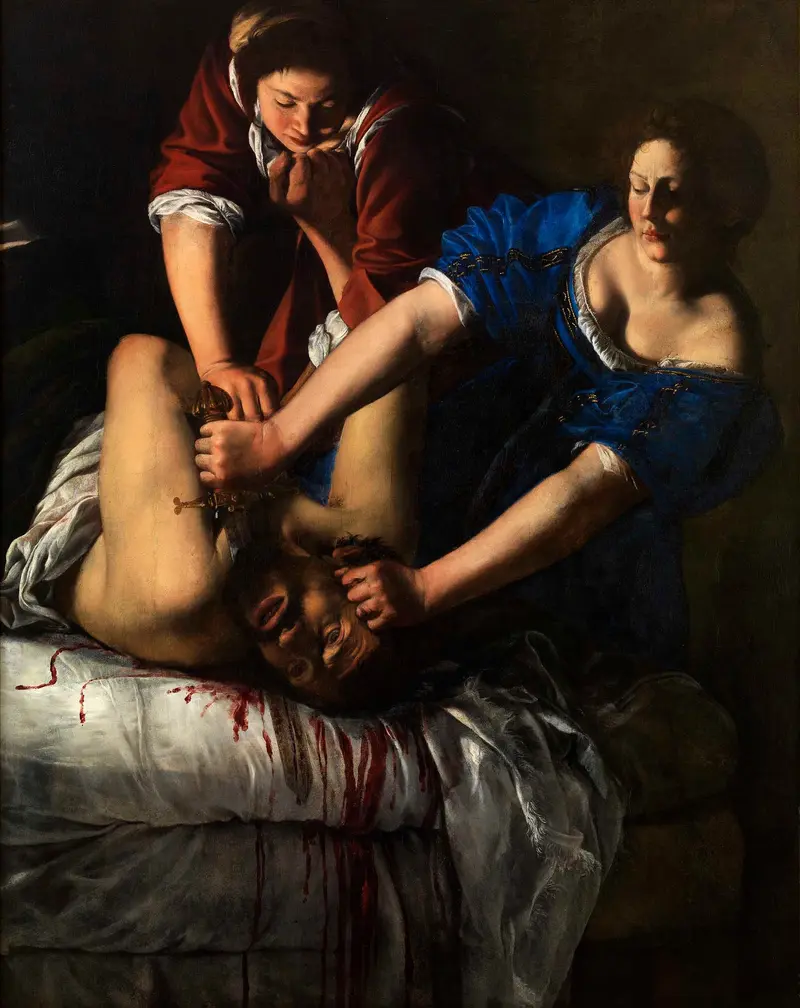
Judith Slaying Holofernes
Artemisia Gentileschi
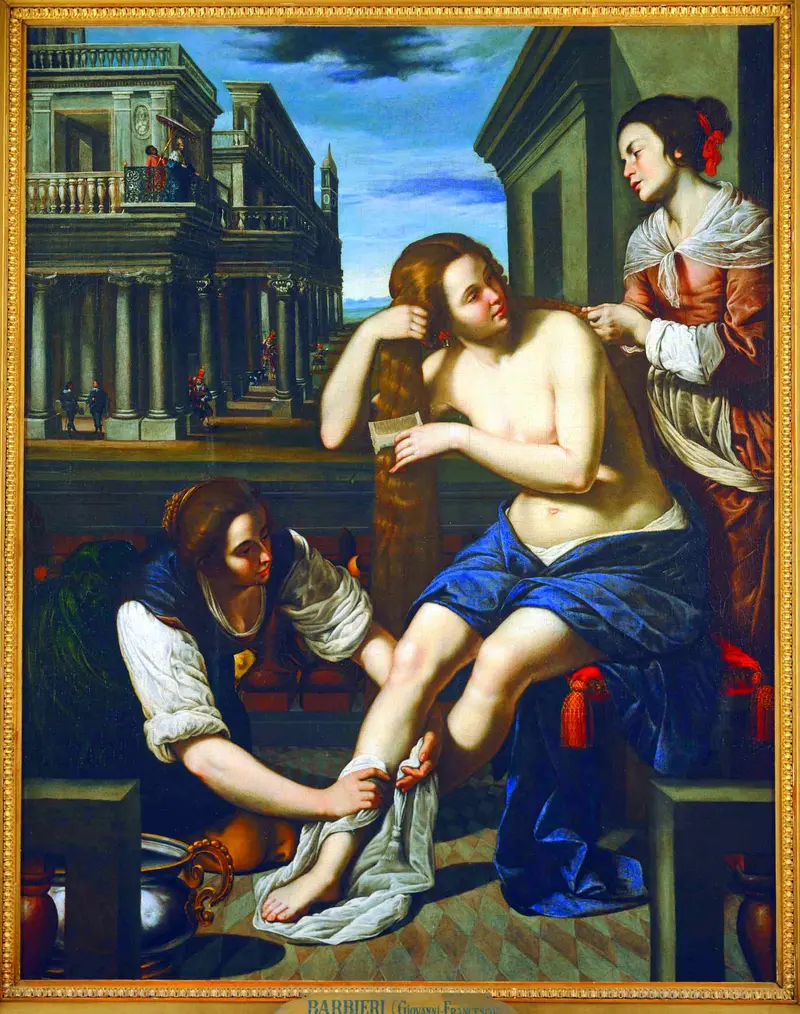
Bathsheba at Her Bath
Artemisia Gentileschi
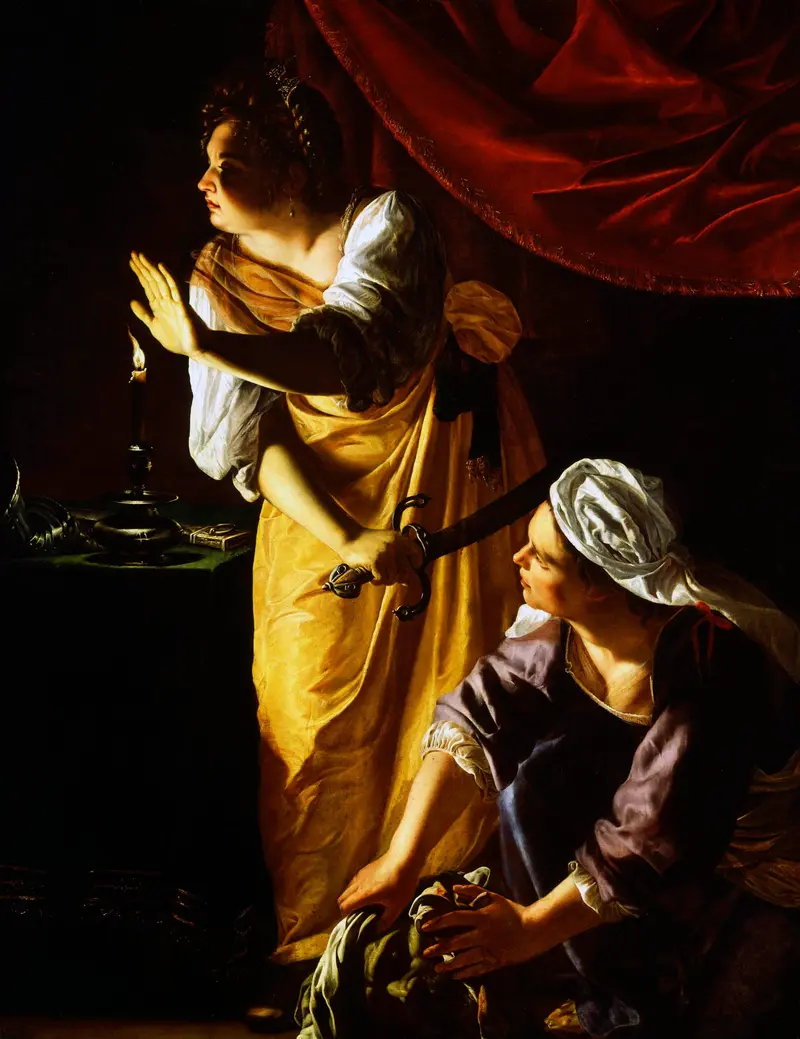
Judith and Maidservant with Head of Holofernes
Artemisia Gentileschi
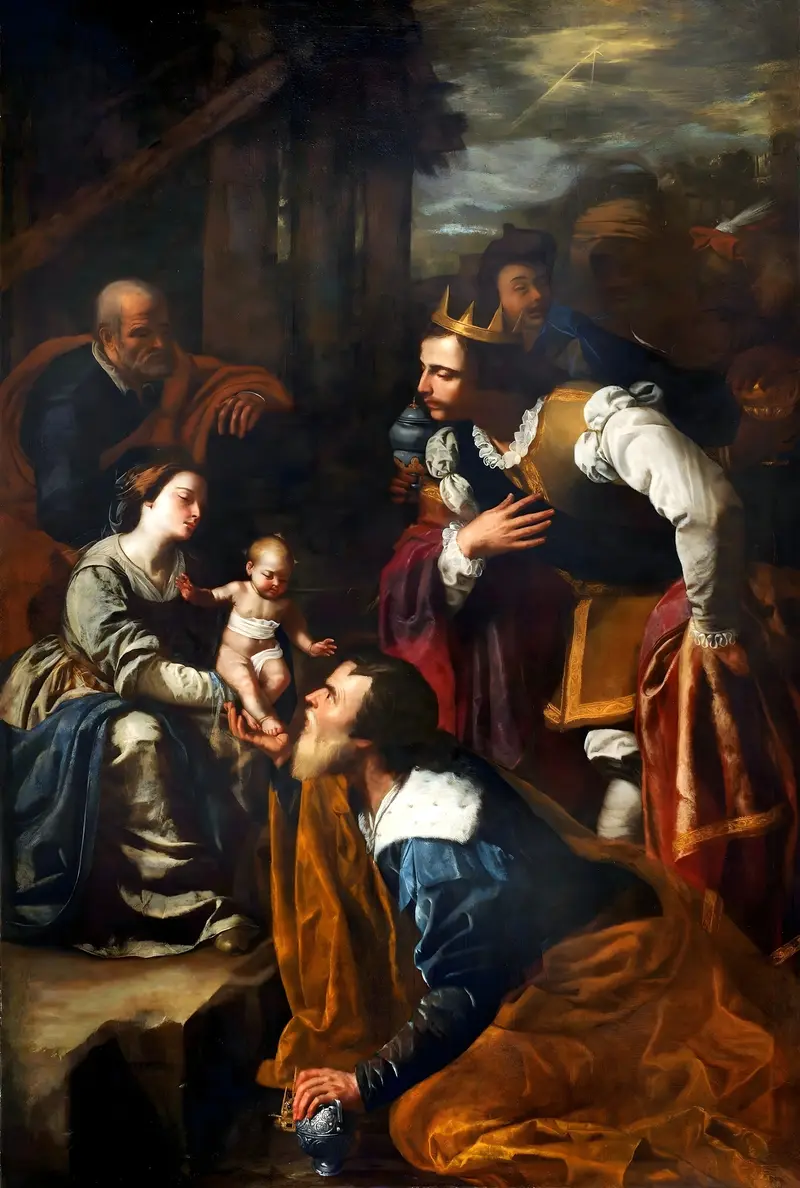
Adoration of the Magi
Artemisia Gentileschi
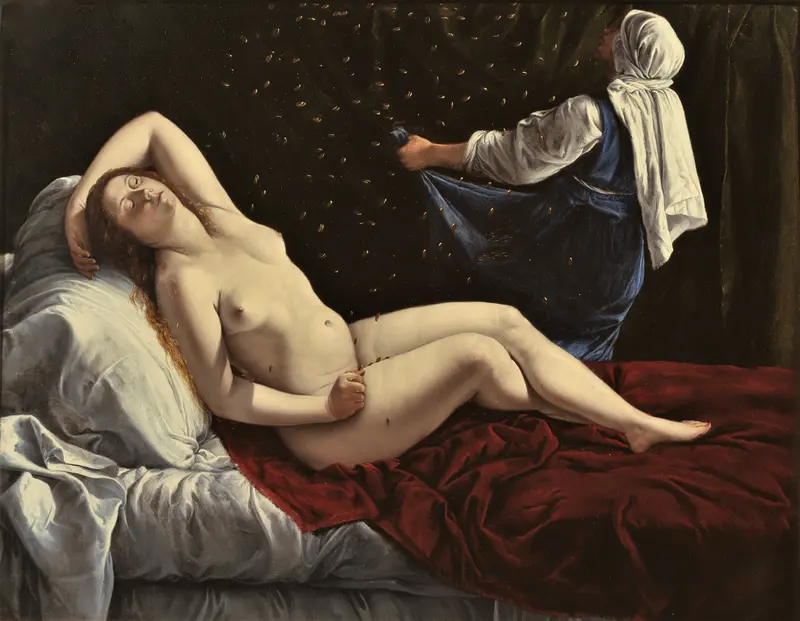
Danaë
Artemisia Gentileschi
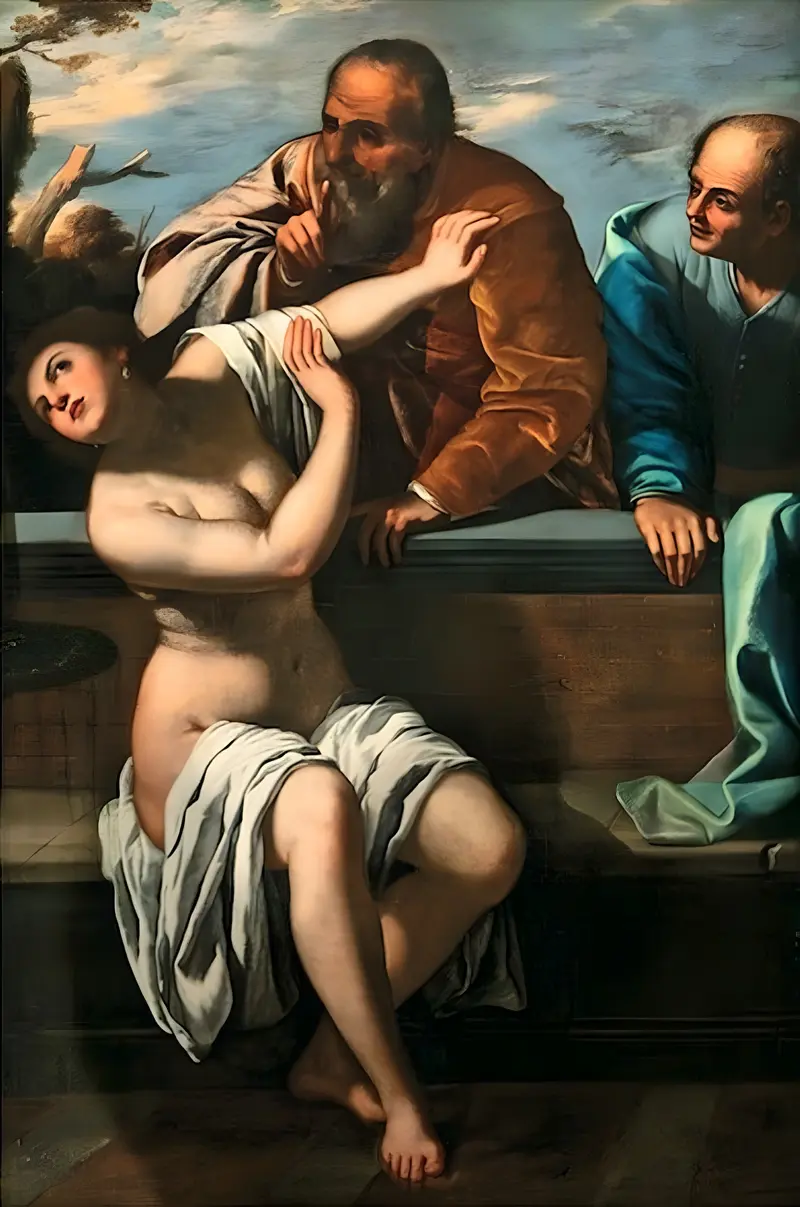
Susannah and the Elders
Artemisia Gentileschi

Judith and her Servant with the Head of Holofernes
Artemisia Gentileschi
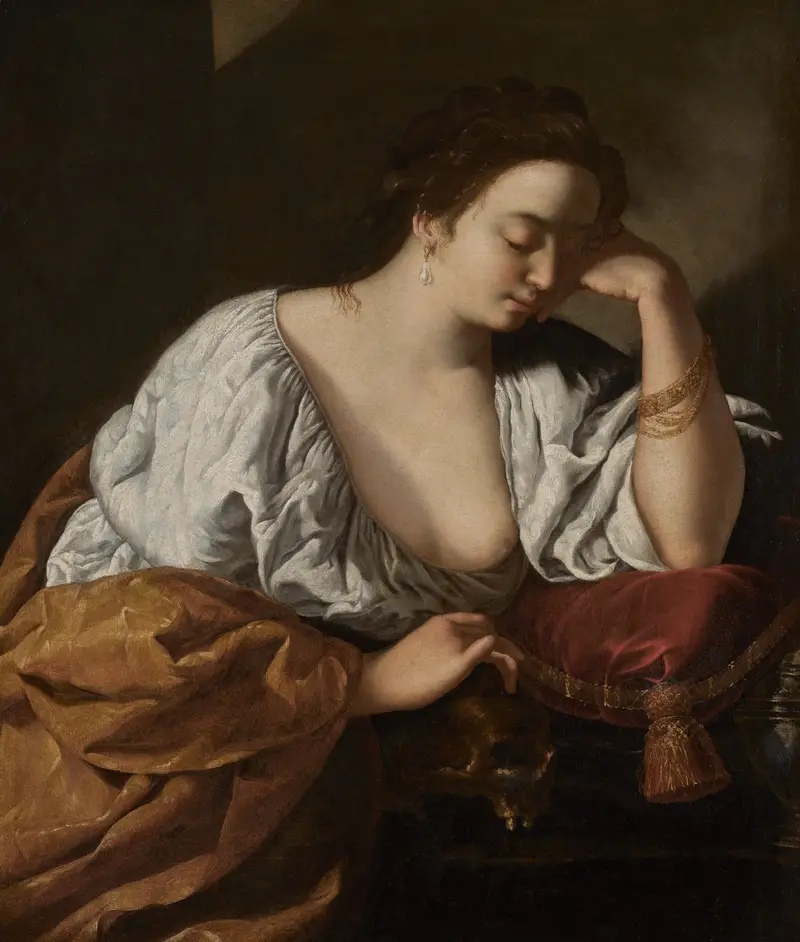
Madeleine pénitente, par
Artemisia Gentileschi

Portrait of a Gonfaloniere
Artemisia Gentileschi





