
David Anderson — History & Facts
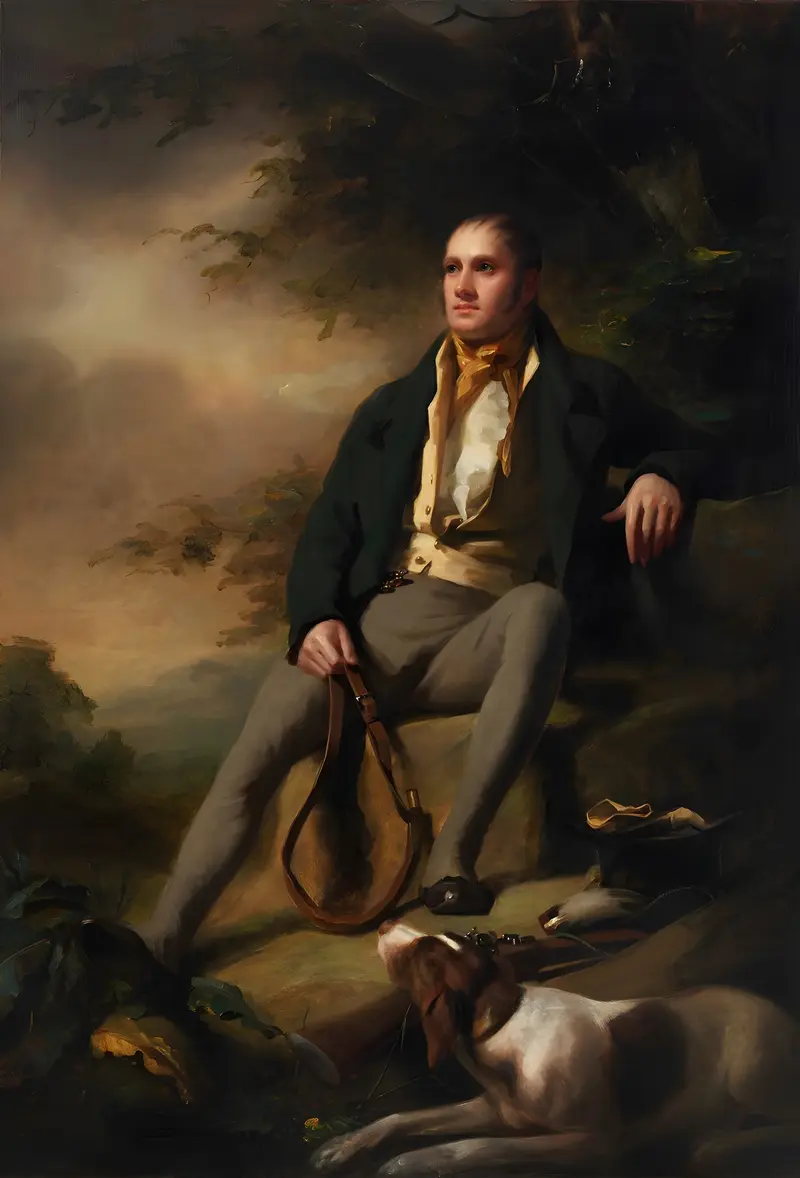
When Sir Henry Raeburn painted David Anderson, he captured not just a likeness but a sitter whose identity remains shrouded in mystery. Unlike many of Raeburn’s celebrated portraits, which often depict prominent Scottish figures of the Enlightenment, the details of Anderson’s life and the circumstances of the commission are lost to history. This absence has led to speculation among scholars: was Anderson a member of Edinburgh’s burgeoning professional class, or perhaps a friend of the artist? The lack of documentation has only heightened interest in the painting, making it a subject of curiosity for generations of viewers. The portrait presents David Anderson at ease, his gaze direct yet contemplative, seated against a dark, neutral background that focuses all attention on his expression and posture.
Raeburn’s brushwork, bold and fluid, models the sitter’s features with a keen sense of individuality—there is a quiet confidence in the set of Anderson’s mouth and the relaxed hand resting on his knee. The subdued palette and natural light evoke the realism for which Raeburn is known, recalling the psychological depth found in Sir Henry Raeburn’s famed The Reverend Robert Walker Skating on Duddingston Loch, though here the drama is internal rather than kinetic. Every detail, from the cut of Anderson’s coat to the glint in his eye, suggests a man aware of his own presence and worth. While the exact provenance of David Anderson is unclear, the work typifies the portraiture that made Sir Henry Raeburn the leading Scottish painter of the late 18th and early 19th centuries.
Many of Raeburn’s portraits were commissioned by Edinburgh’s elite, and his reputation grew both locally and abroad. The painting’s journey to its current collection is not well documented, but its style and handling firmly place it within Raeburn’s mature period, when he was celebrated for capturing the spirit of his sitters with immediacy and warmth. Today, David Anderson stands as a testament to Raeburn’s ability to create enduring character studies, even when the details of their subjects have faded from the historical record.
More Artworks by Sir Henry Raeburn

Portrait of Hugh Hope
Sir Henry Raeburn
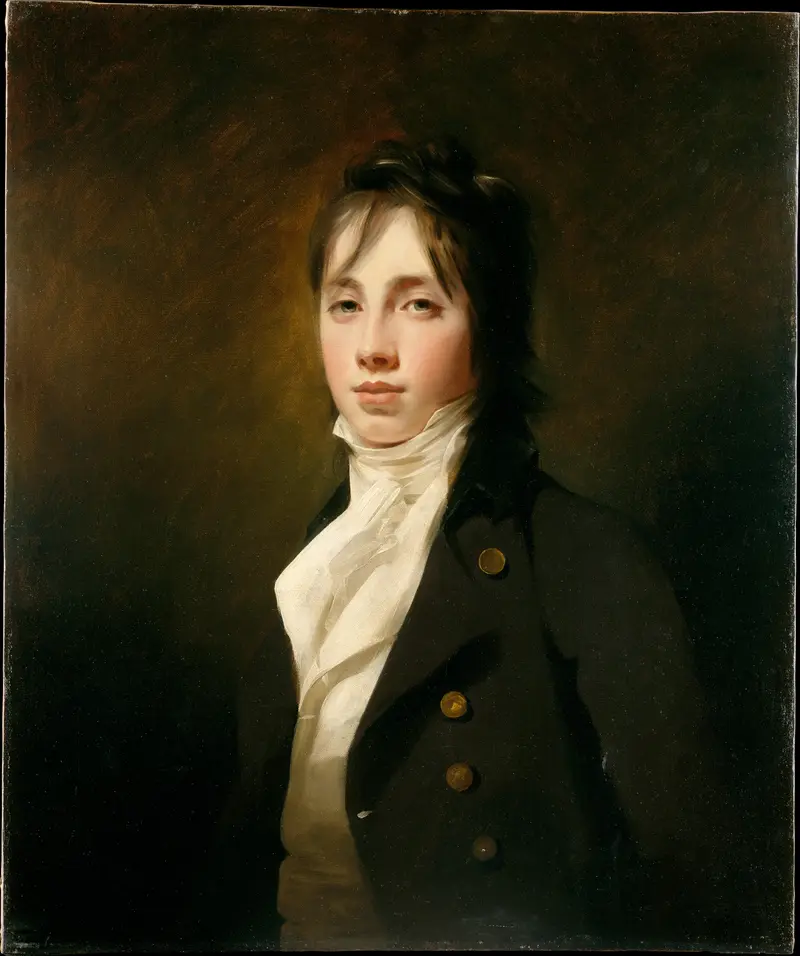
William Fraser of Reelig (1784–1835)
Sir Henry Raeburn
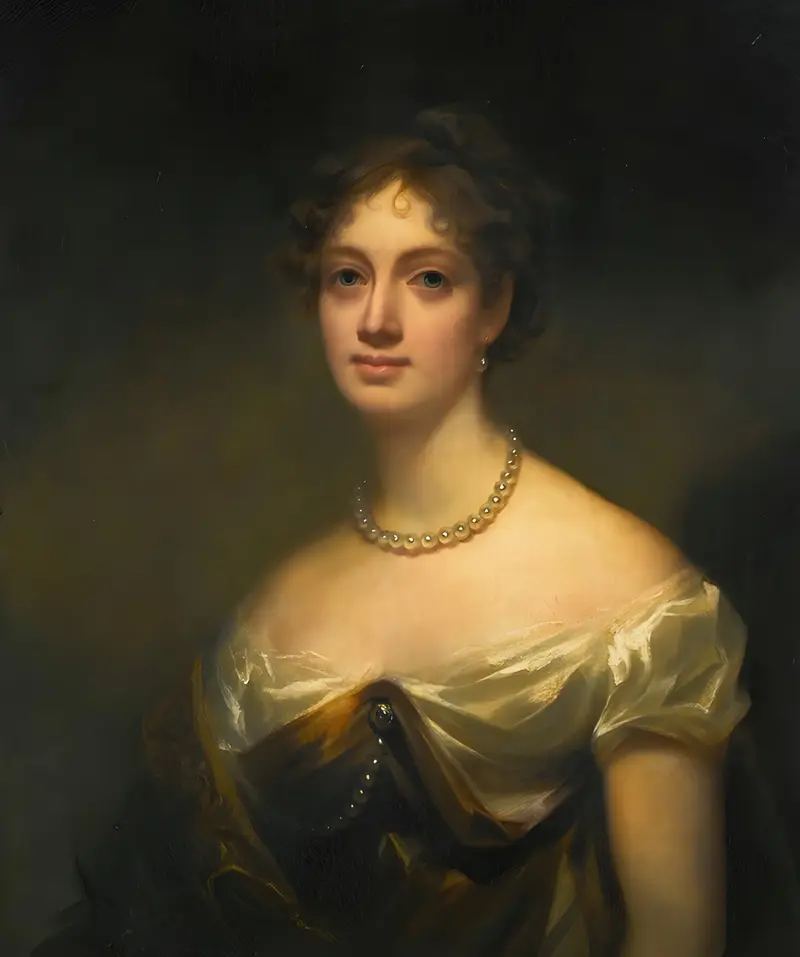
Portrait Of Anne Blair Maconochie Welwood Of Garvock, Lady Meadowbank (1784–1866)
Sir Henry Raeburn
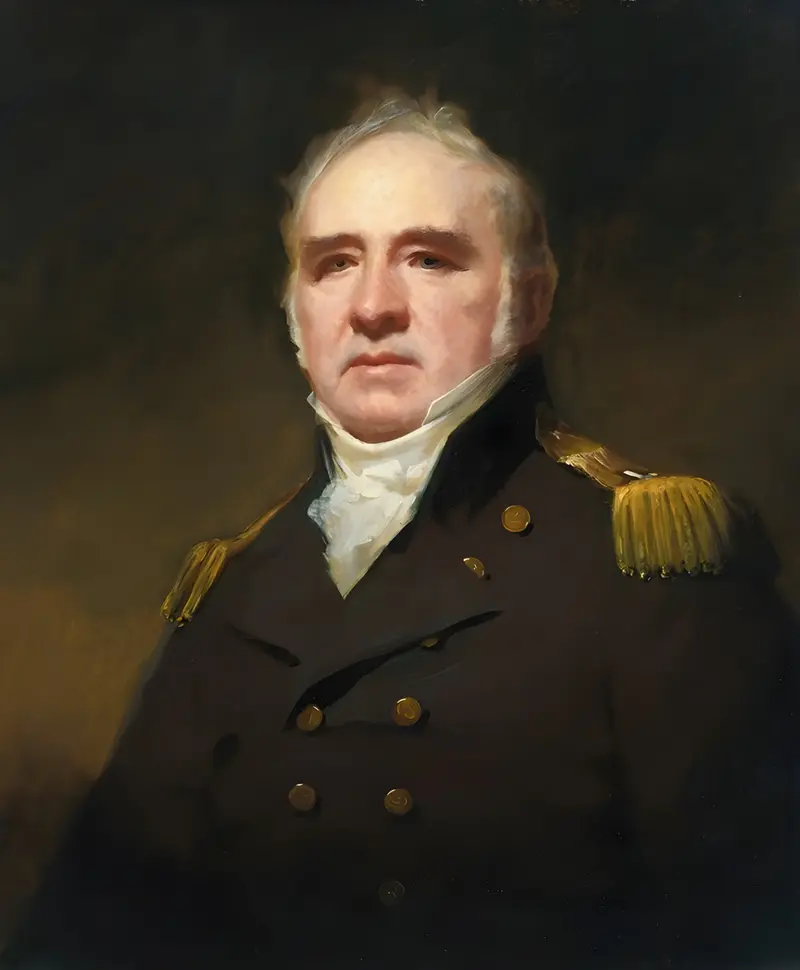
Portrait Of Captain James Forbes-Drummond, R.N., Of Hawthornden
Sir Henry Raeburn
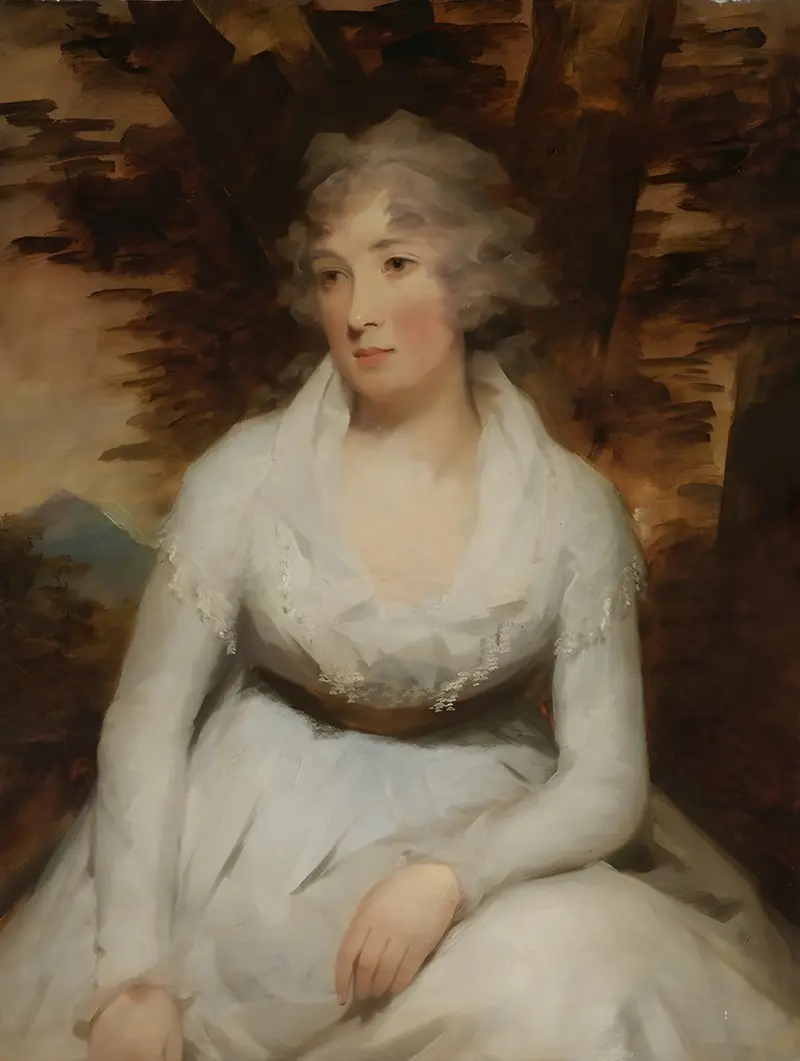
Miss Elizabeth Dalrymple (afterwards Mrs. George Leith)
Sir Henry Raeburn
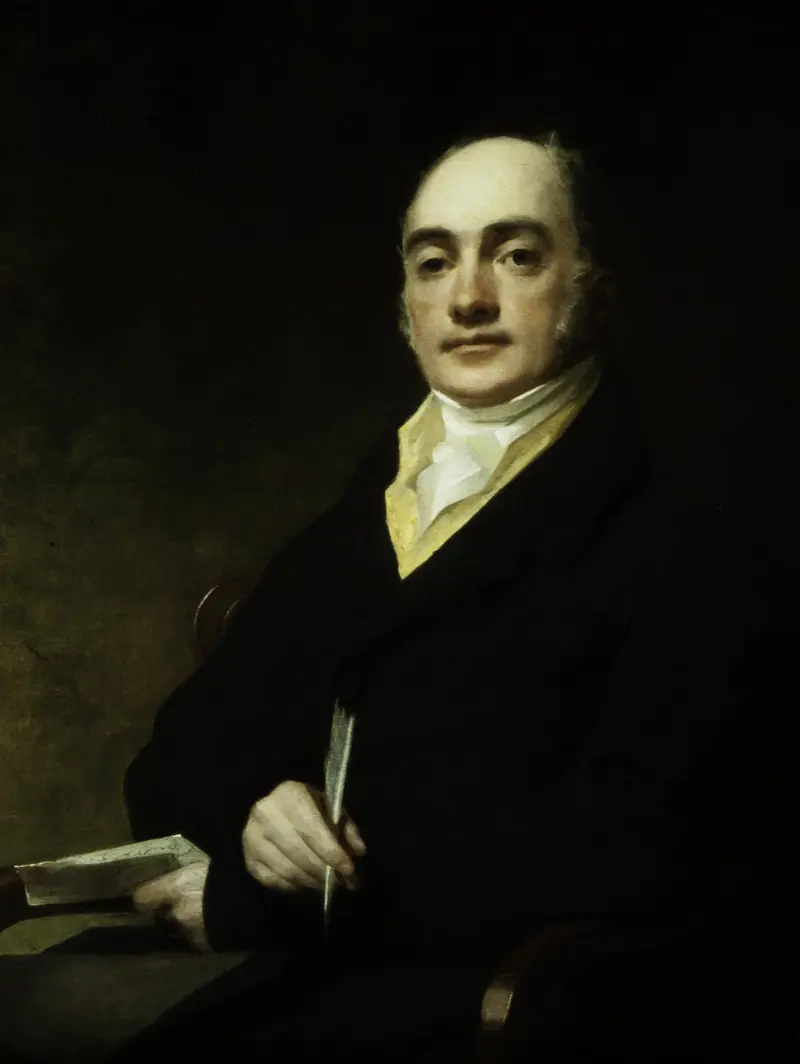
Portrait of John Baillie (1772-1833)
Sir Henry Raeburn
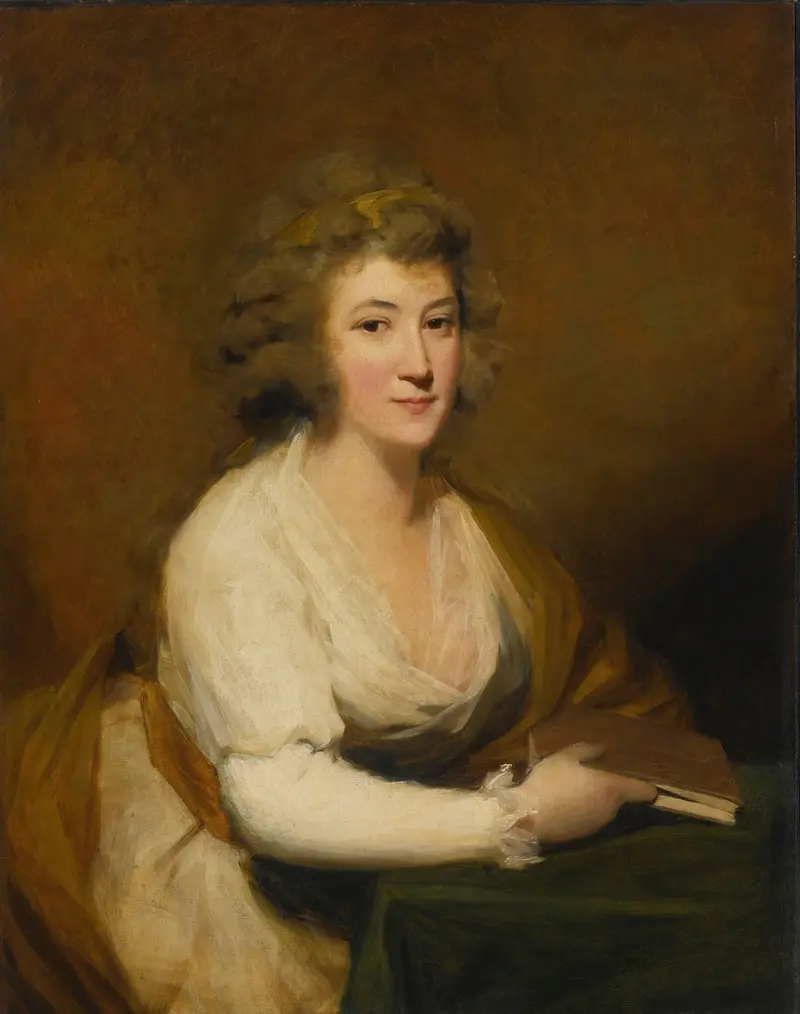
Portrait Of Lady Nasmyth, In A White Dress And Brown Shawl, Seated At A Table, Holding A Book
Sir Henry Raeburn
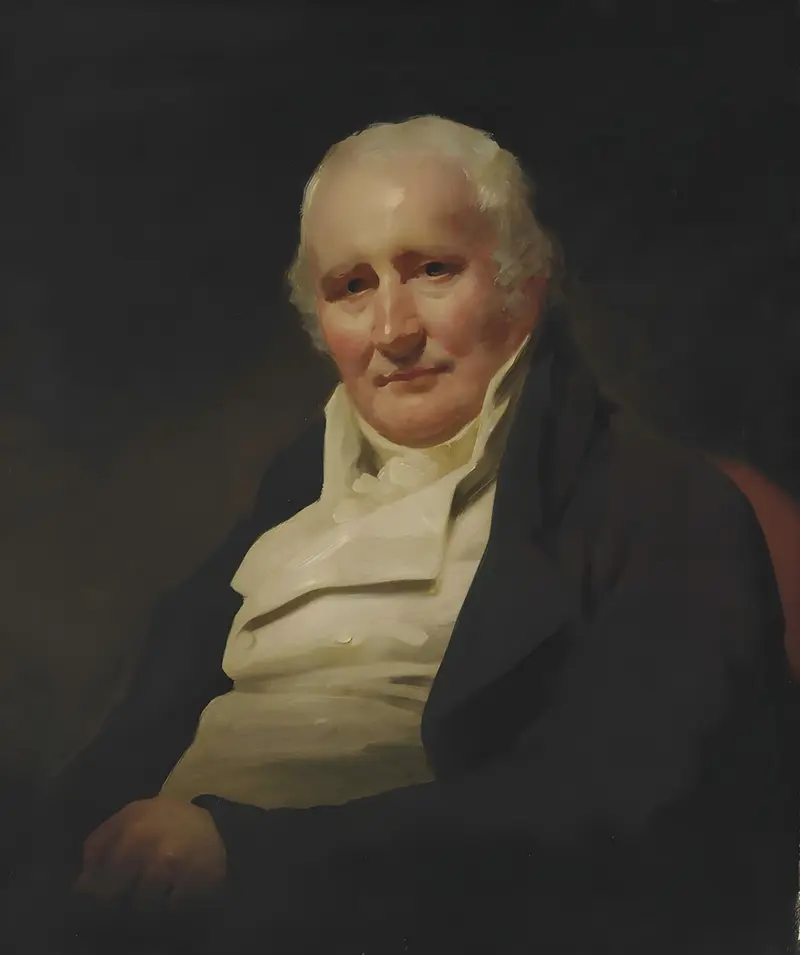
Portrait Of Mr. Spottiswood
Sir Henry Raeburn
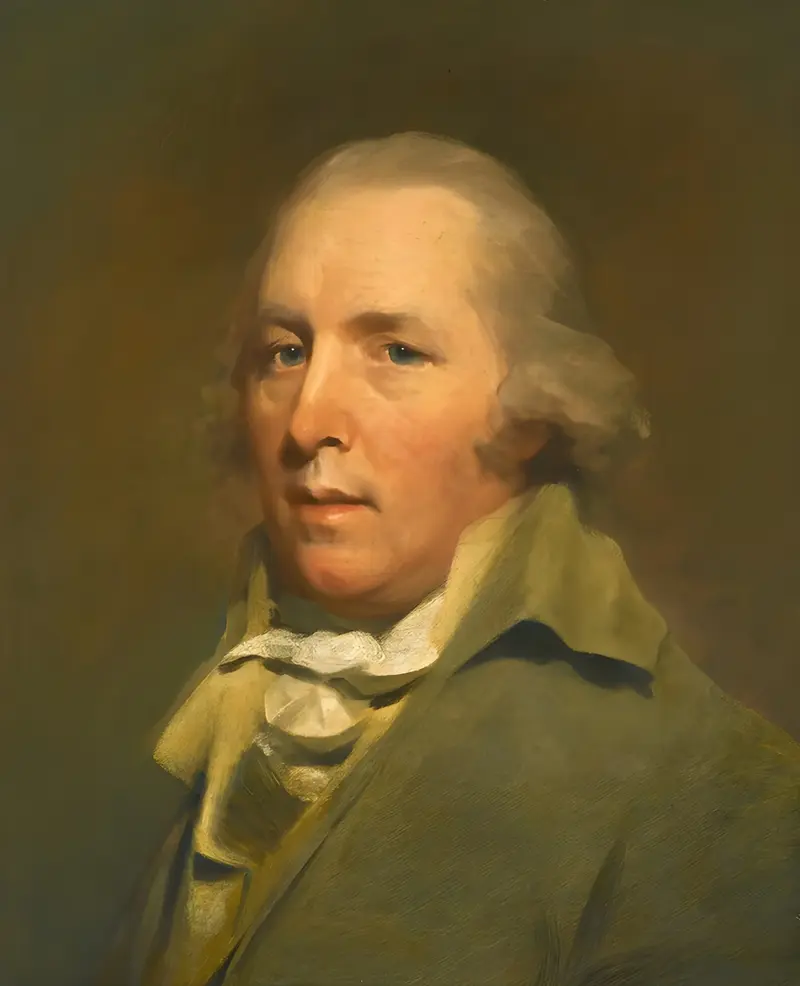
Portrait Of The Reverend John Home (1722-1808)
Sir Henry Raeburn
Portrait of William Hunt (c.1796-1854), Pittencrief House, Dunfermline
Sir Henry Raeburn





