
Girl Arranging Her Hair — History & Facts
When Girl Arranging Her Hair was first exhibited at the eighth and final Impressionist exhibition in Paris in 1886, it caused a stir not only for its delicate subject but also for its bold technique. Edgar Degas, a close friend and mentor to Mary Cassatt, was so taken with the painting that he reportedly tried to purchase it for himself, believing it to be the work of a man. Only upon learning it was Cassatt's did he return it, a telling episode that reveals both the gendered biases of the era and the striking confidence of Cassatt’s brushwork. At the heart of the painting, a young girl sits quietly, her arms raised as she gathers her hair into place.
Cassatt captures her in a moment of private ritual, her gaze averted, entirely absorbed in the simple act. The loose, visible brushstrokes and the soft interplay of light on the girl’s skin and white garment create a sense of immediacy and intimacy. Unlike the more formal portraits of young women by John Singer Sargent, Cassatt’s approach is informal and direct, emphasizing the authenticity of the sitter’s gesture and the everyday nature of the scene.
The lack of background detail focuses all attention on the girl, making her quiet concentration the true subject. The painting’s journey reflects Cassatt’s growing prominence in the Parisian art world. After its controversial debut, Girl Arranging Her Hair was acquired by the influential art collector Paul Durand-Ruel, who championed many Impressionist artists. It later entered the collection of the National Gallery of Art in Washington, D.C., where it remains today.
This work marks a pivotal moment in Cassatt’s career, as she moved away from the formal conventions of academic portraiture and embraced the modern, spontaneous vision that would define her legacy within the Impressionist movement.
More Artworks by Mary Cassatt

The Child's Bath
Mary Cassatt
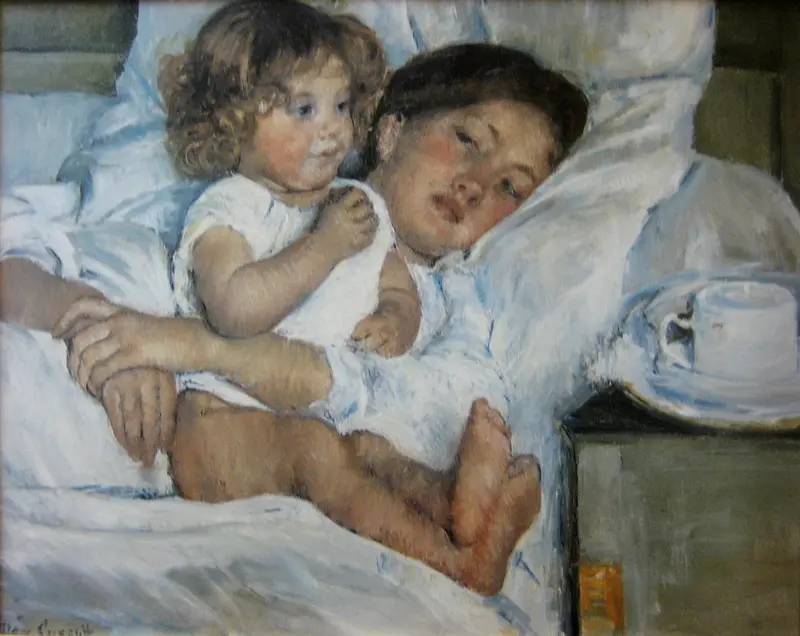
Breakfast in Bed
Mary Cassatt

Mother and Child (Baby Getting Up from His Nap)
Mary Cassatt
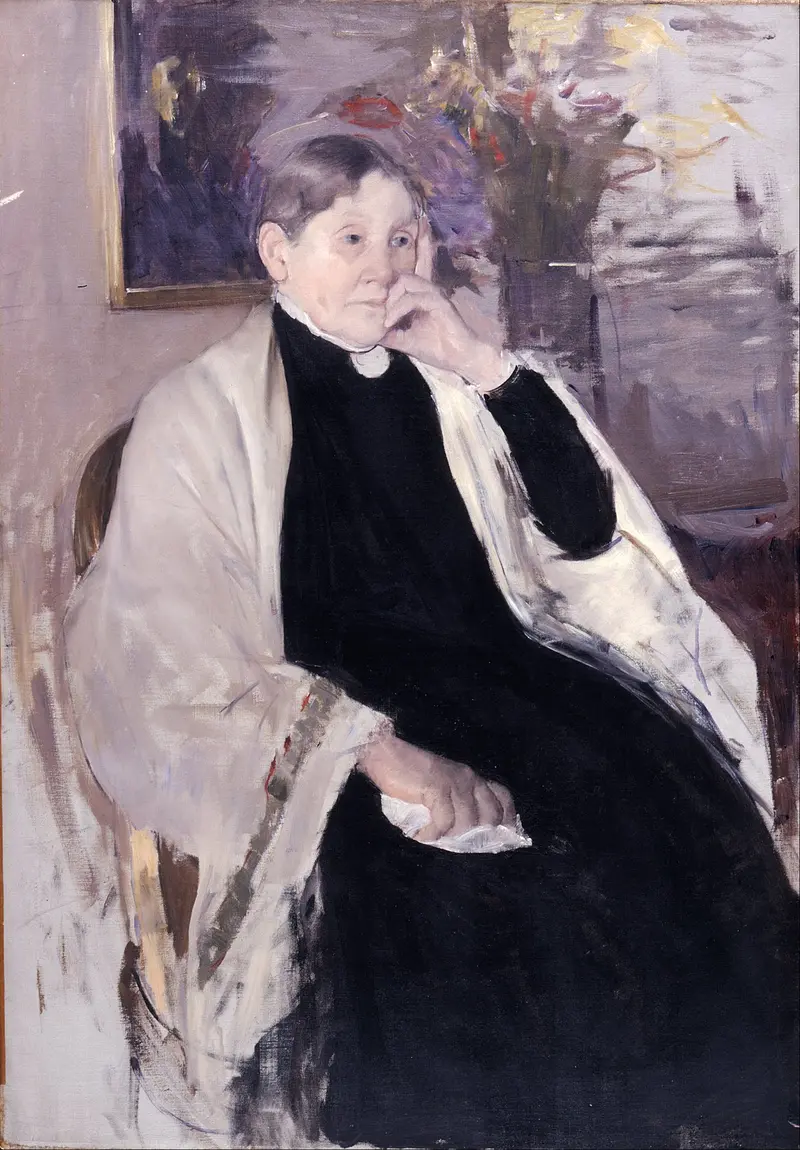
Mrs. Robert S. Cassatt, the Artist's Mother
Mary Cassatt
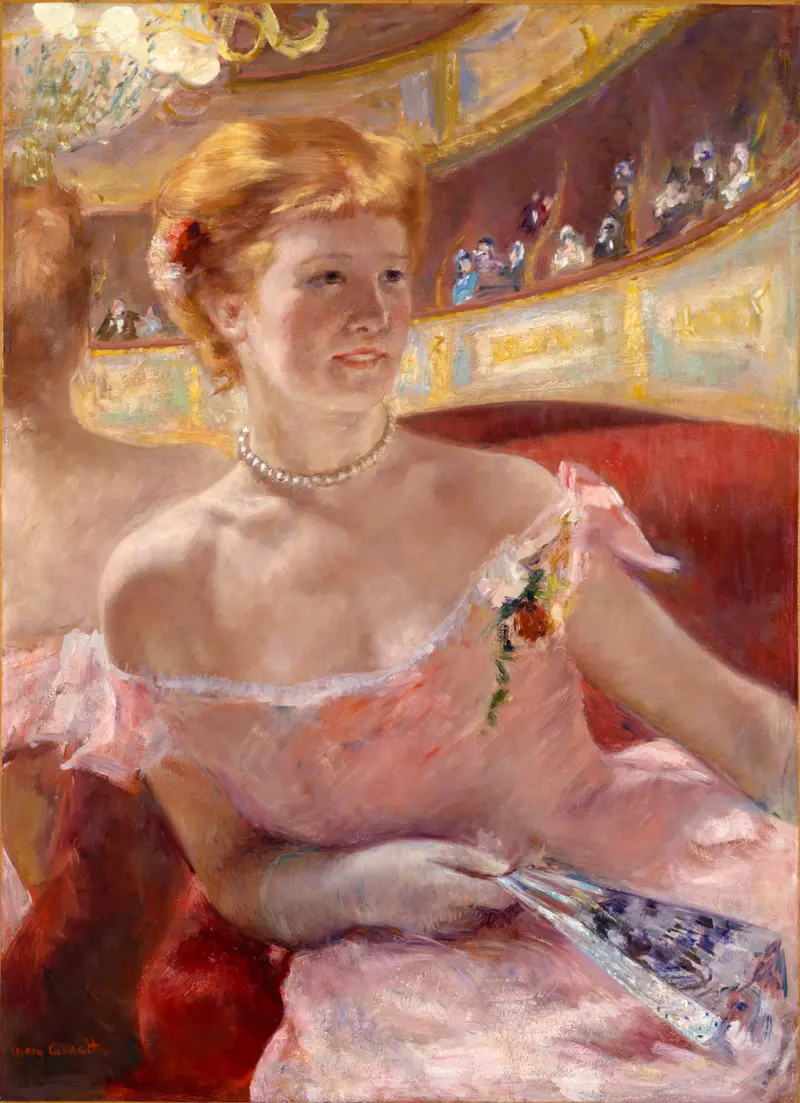
Woman with a Pearl Necklace in a Loge
Mary Cassatt
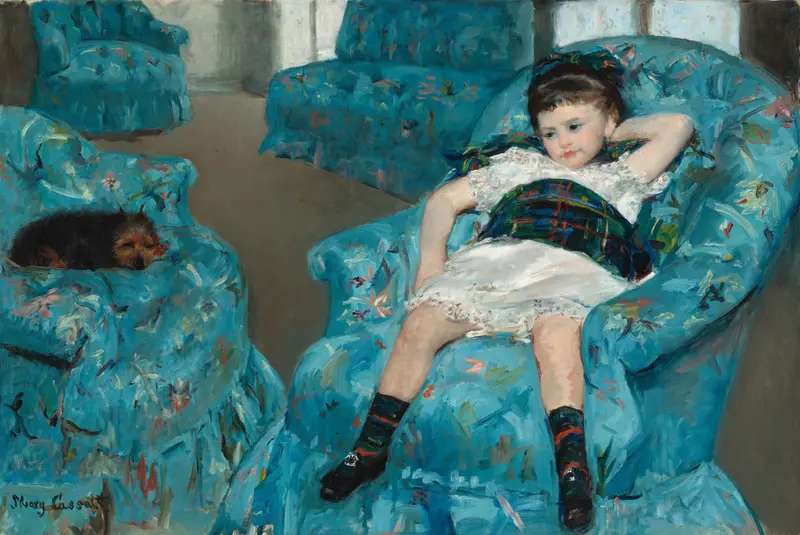
Little Girl in a Blue Armchair
Mary Cassatt
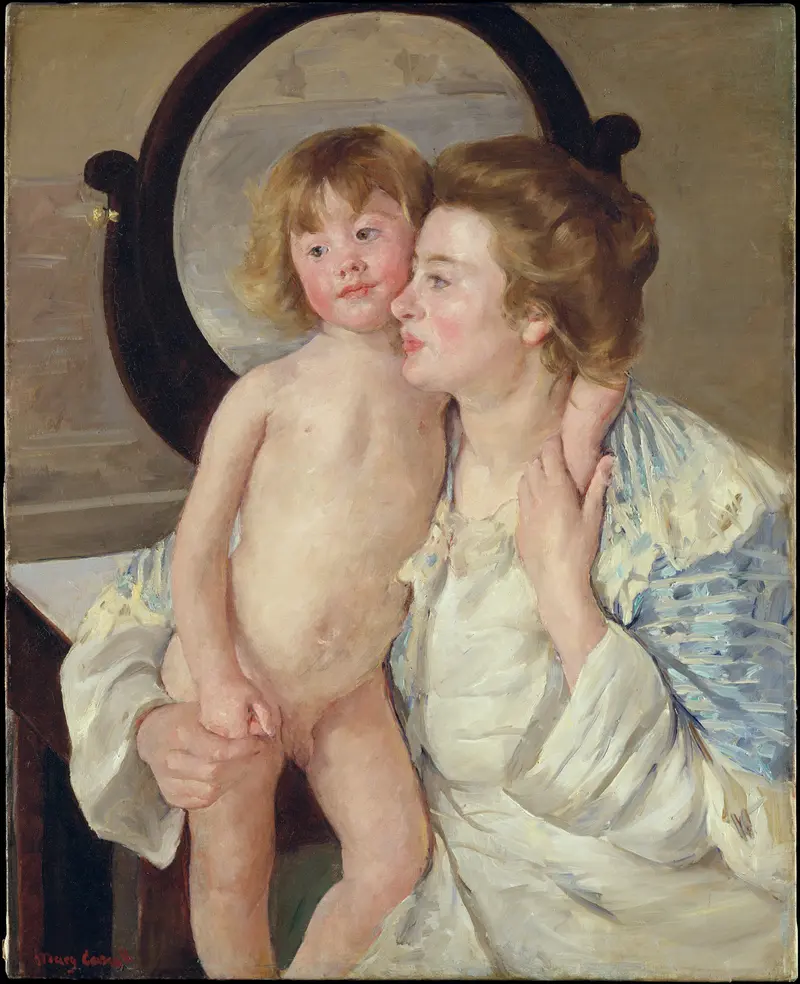
Mother and Child (The Oval Mirror)
Mary Cassatt
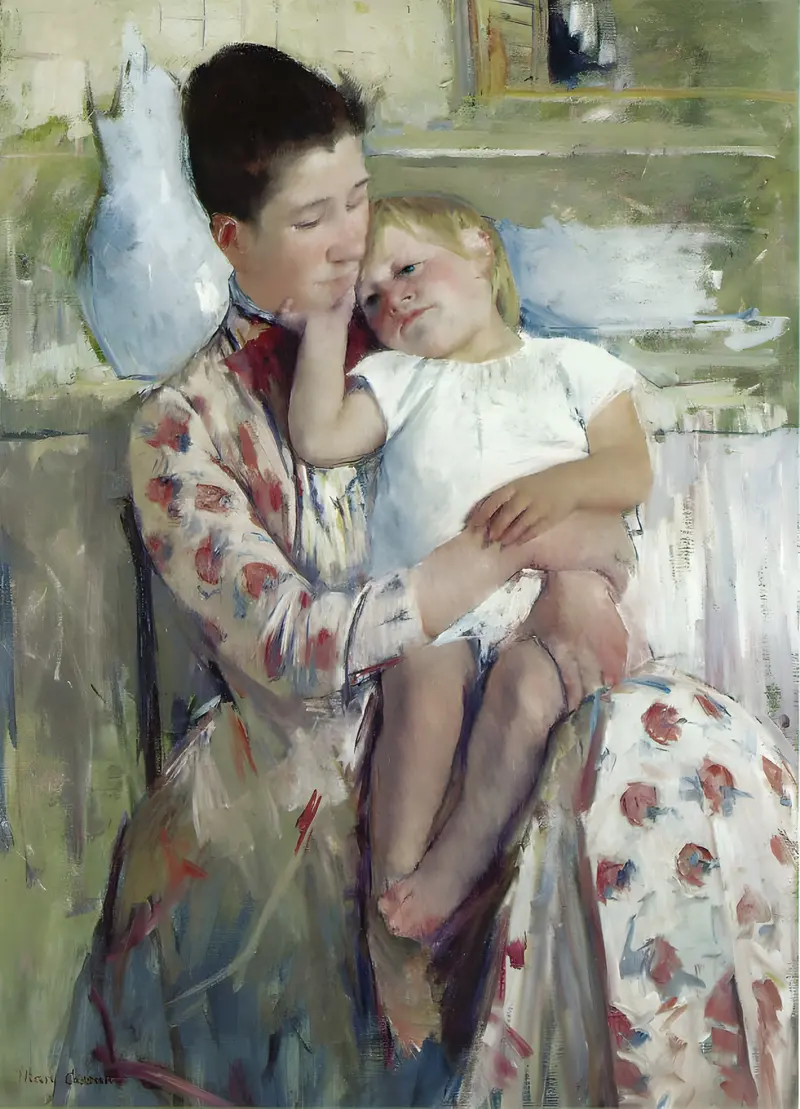
Mother and Child
Mary Cassatt
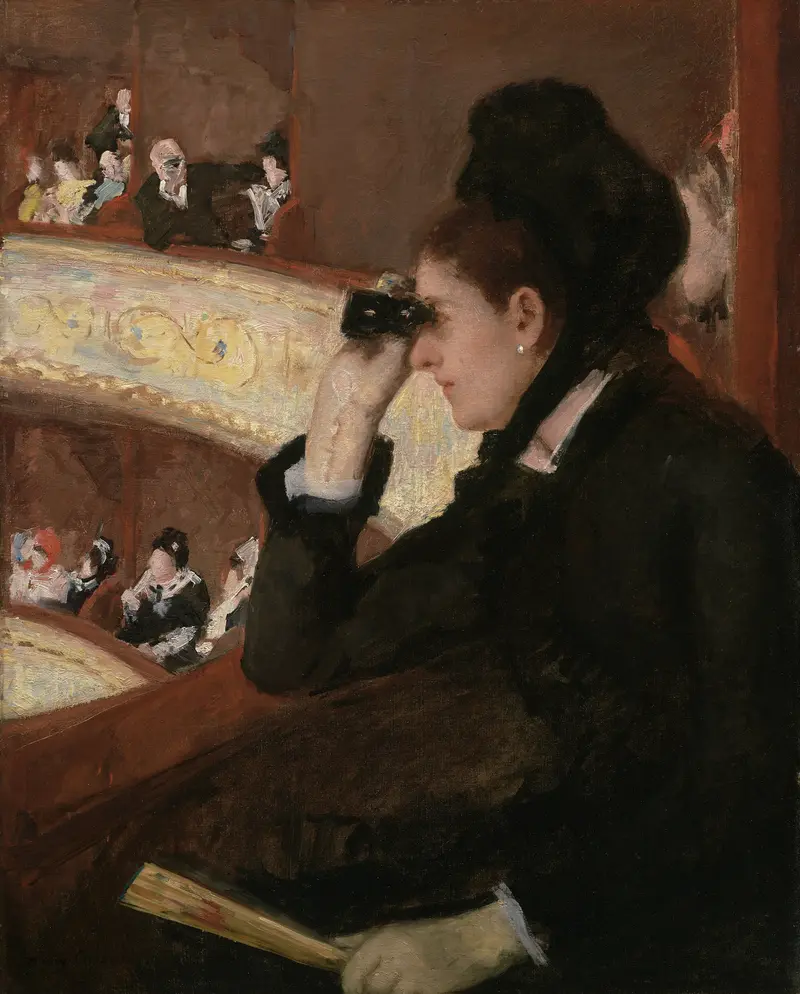
In The Loge
Mary Cassatt
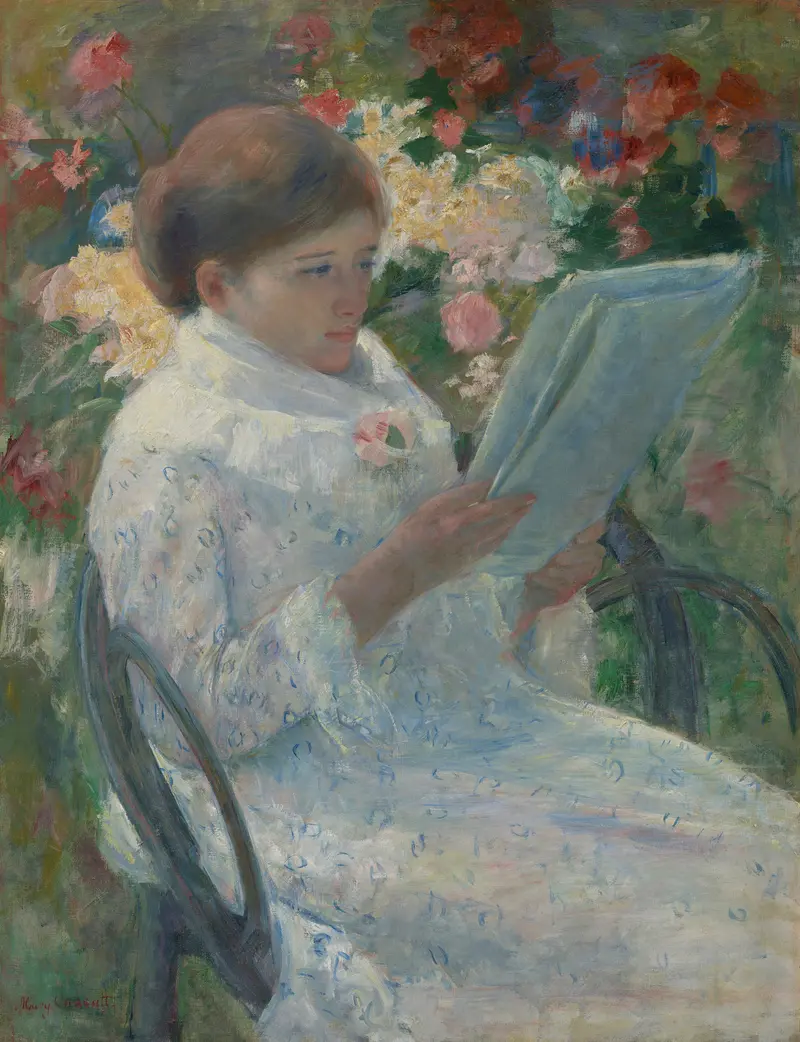
On a Balcony
Mary Cassatt
More Genre Scene Art

Banquet of the Officers of the St George Civic Guard
Frans Hals

Rembrandt and Saskia in the Scene of the Prodigal Son
Rembrandt van Rijn

Bal du moulin de la Galette
Pierre-Auguste Renoir

Quadrille at the Moulin Rouge
Henri de Toulouse-Lautrec

A Burial at Ornans
Gustave Courbet

When Will You Marry?
Paul Gauguin