
Head of a Stag — History & Facts
No painting by Diego Velázquez has vanished more completely than Head of a Stag, a work recorded in the royal inventories of 1627 but lost to history soon after. Its disappearance has left a tantalizing gap in the catalogue of the young Sevillian painter, who had just joined the court of King Philip IV. The painting was listed among the decorations for the Torre de la Parada, the king’s hunting lodge near Madrid, suggesting it was created to celebrate the royal passion for the chase.
The fact that the medium is unknown—unusual for a work by Velázquez—adds another layer to the mystery. At the heart of the painting was the solitary head of a stag, rendered with the keen observation and psychological intensity that would later define Velázquez’s portraits. The artist chose to focus on the animal’s alert gaze and velvet antlers, isolating it against a neutral background to heighten its presence. This approach stands in stark contrast to the grand, action-filled hunting scenes of Rubens, who depicted the drama of the hunt itself.
Instead, Velázquez invites the viewer into a quiet, almost meditative encounter with the animal—perhaps hinting at the dignity of the hunted as much as the glory of the hunter. The fate of Head of a Stag remains uncertain; it may have been destroyed, stolen, or simply lost as the royal collections were moved and dispersed over the centuries. Its mention in early inventories places it at a formative moment in Velázquez’s career, when he was beginning to experiment with new genres and techniques at court. Today, the painting survives only in written records and the imaginations of scholars, a reminder of how much of Velázquez’s early output has vanished.
Its absence is felt all the more keenly given the artist’s later mastery of animal subjects, as seen in the background details of his royal portraits and hunting scenes.
More Artworks by Diego Velázquez

Las Meninas
Diego Velázquez
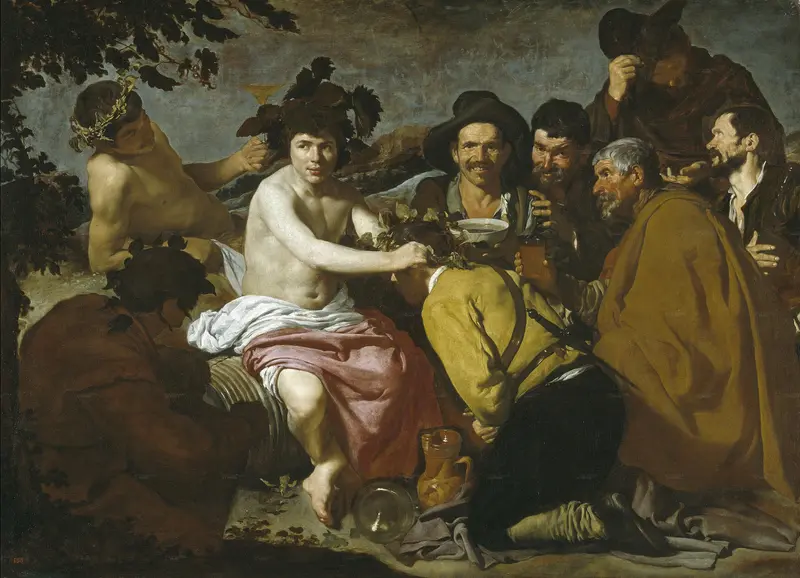
The Triumph of Bacchus
Diego Velázquez
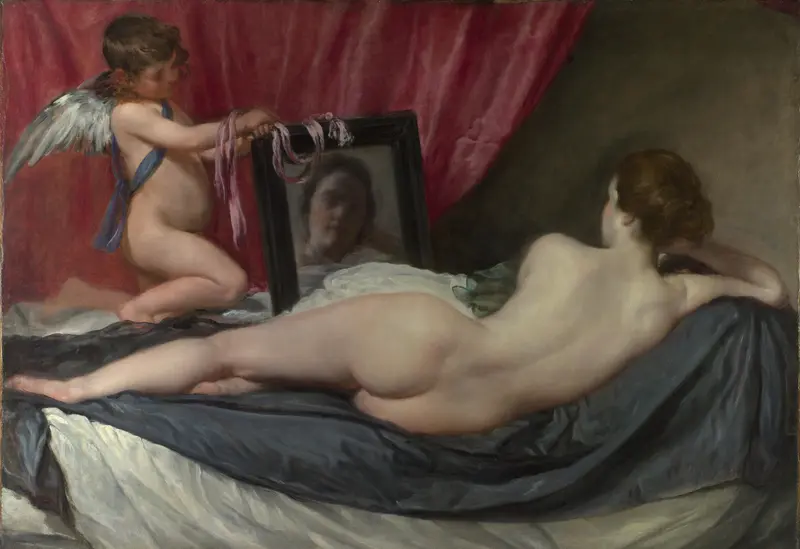
Rokeby Venus
Diego Velázquez
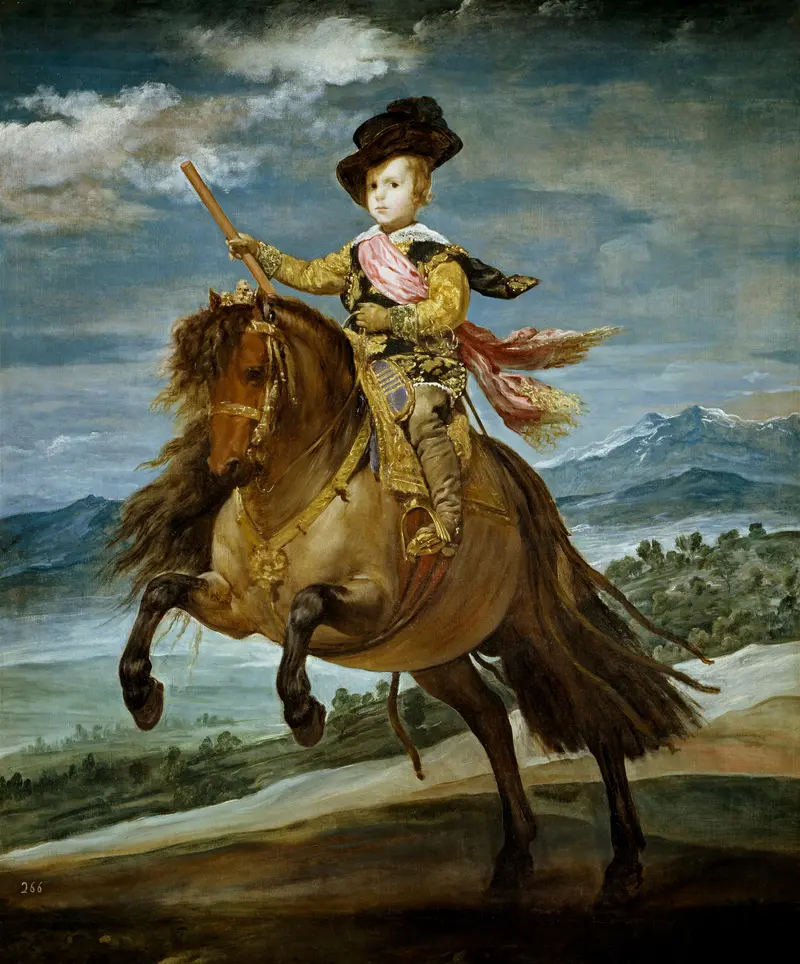
Equestrian Portrait of Prince Balthasar Charles
Diego Velázquez
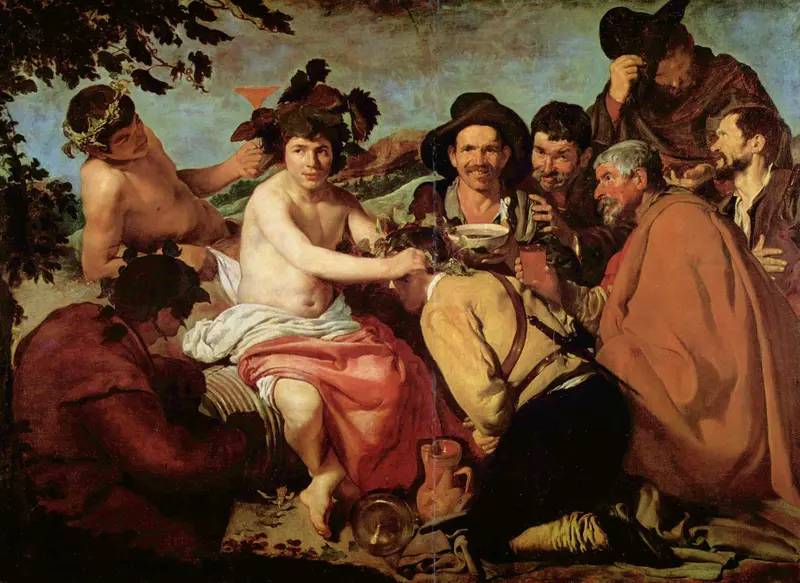
Bacchus
Diego Velázquez
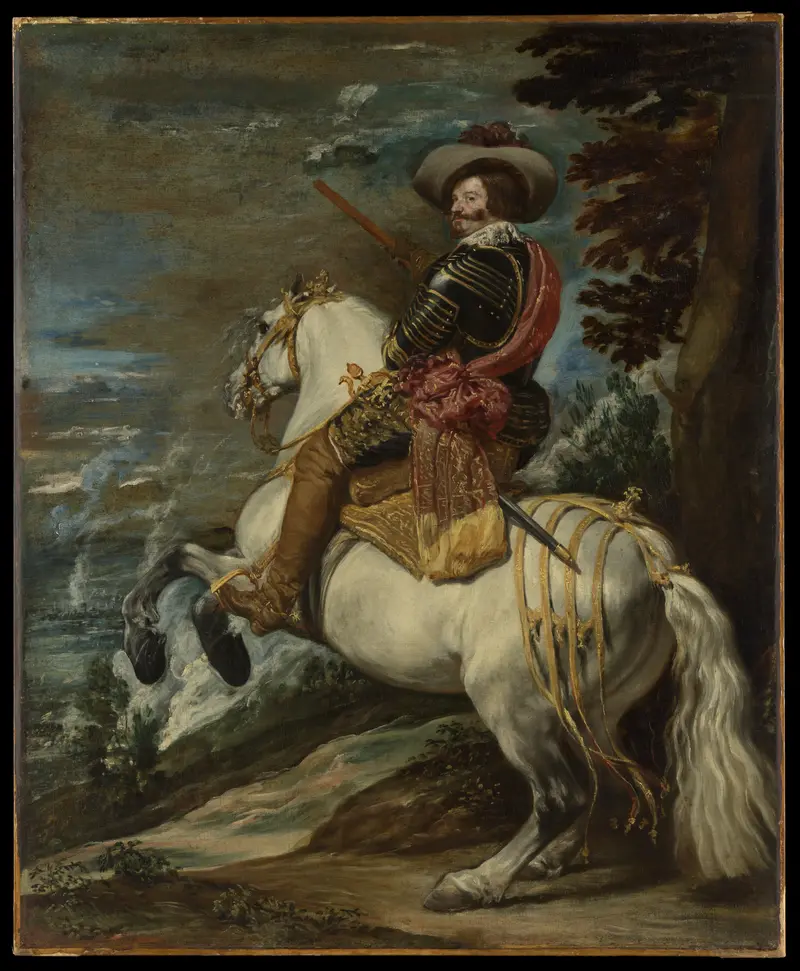
Don Gaspar de Guzmán (1587–1645), Count-Duke of Olivares
Diego Velázquez
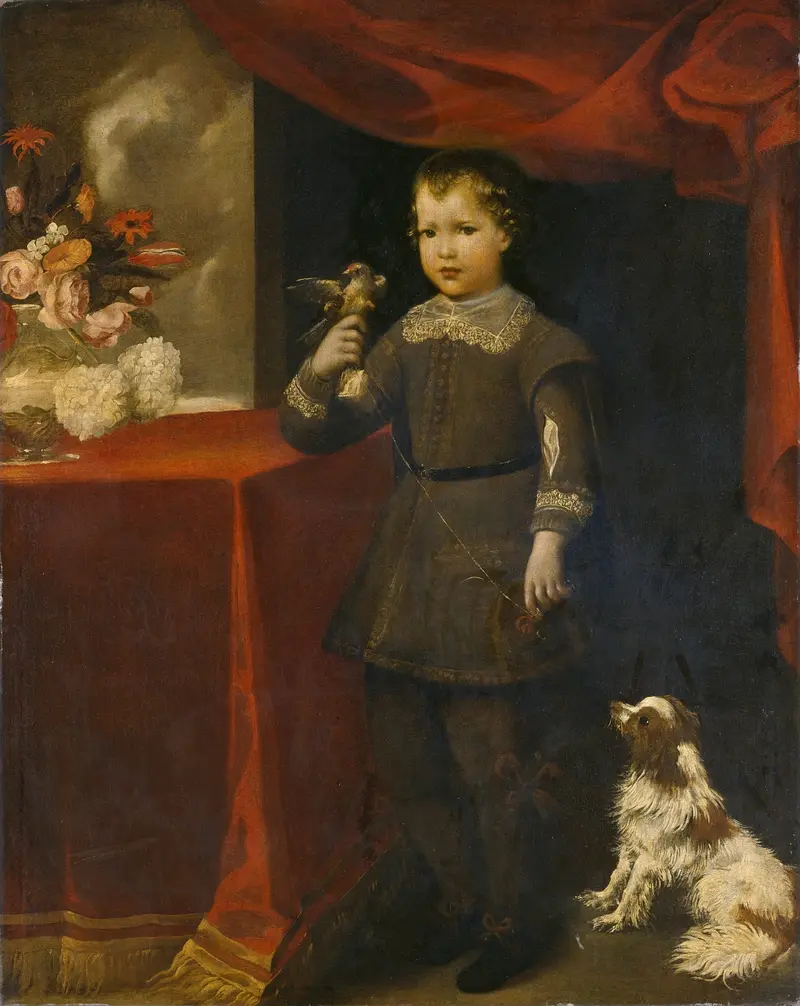
El príncipe Baltasar Carlos de Austria
Diego Velázquez
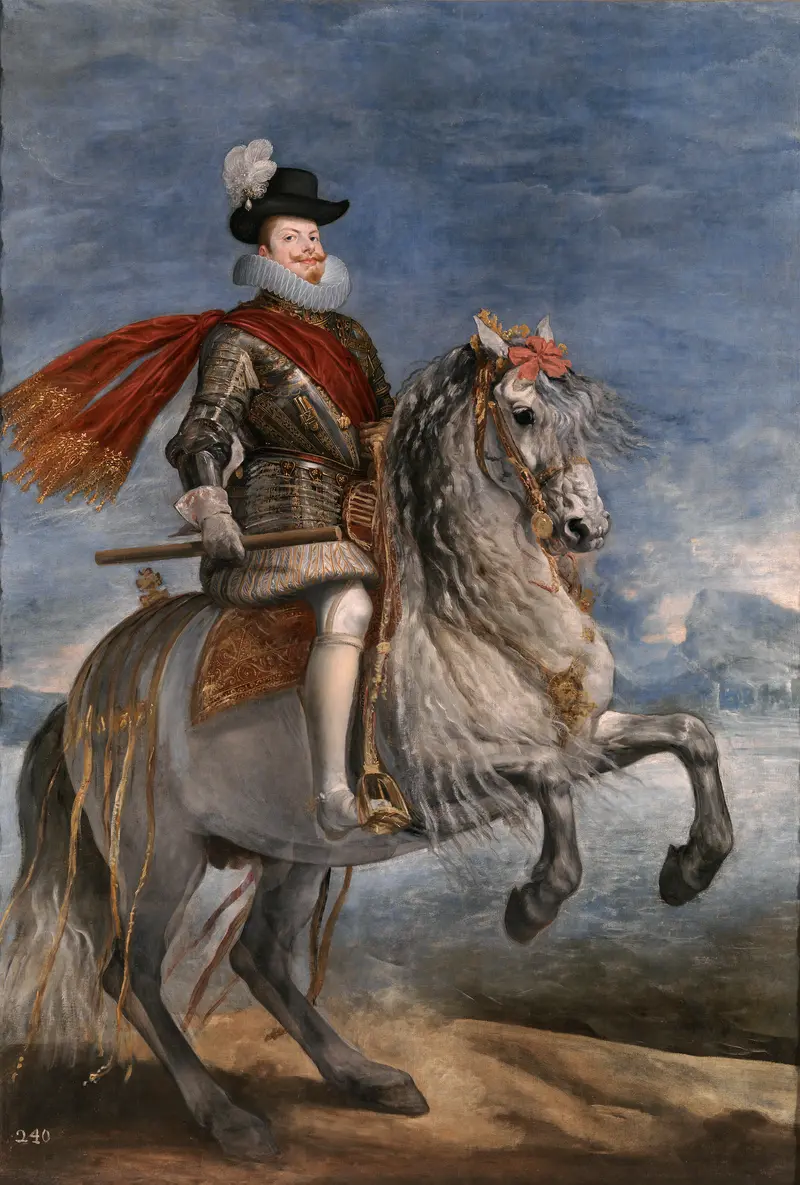
Equestrian Portrait of Philip III
Diego Velázquez
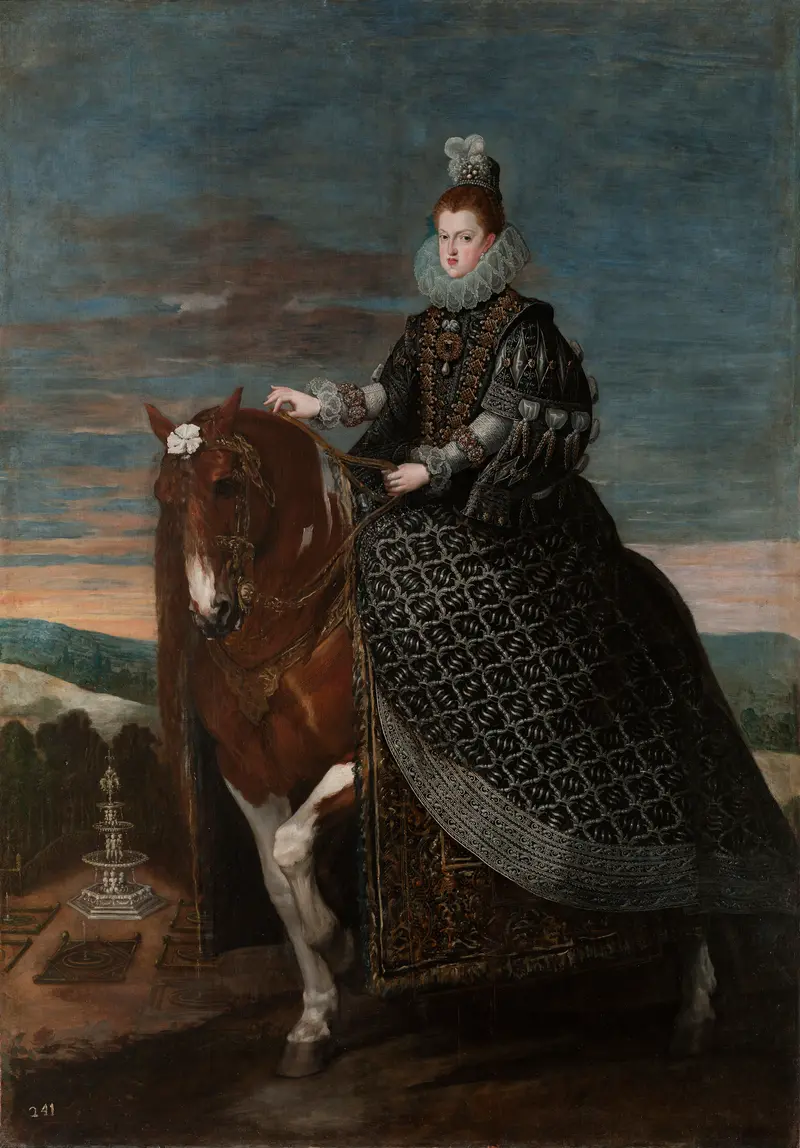
Equestrian Portrait of Margarita of Austria
Diego Velázquez
Las Hilanderas
Diego Velázquez





