
How Reynard prepares for a great pilgrimage and is read by Belijn, and how he bids farewell to the court — History & Facts
Few paintings capture the sly wit and moral ambiguity of medieval fable as sharply as How Reynard prepares for a great pilgrimage and is read by Belijn, and how he bids farewell to the court by Gustave Van de Woestijne. This work draws from the centuries-old tradition of the Reynard cycle, a body of stories so popular in the Low Countries that, by the late Middle Ages, Reynard the Fox was as familiar a figure as any saint or king. The painting's subject is rooted in the 13th-century Roman de Renart, a satirical epic that lampooned the powerful and delighted audiences with tales of cunning and trickery. At the heart of the scene is Reynard, the fox, feigning piety as he prepares for a supposed pilgrimage—a ruse to escape punishment at court.
The painter seizes the moment when Belijn the ram, unwitting accomplice, reads a letter from Reynard to the assembled animals. The fox's farewell is a performance: his lowered eyes and clasped hands suggest humility, but the sly curl of his mouth betrays his duplicity. Around him, the court of animals—wolf, bear, and others—react with a mixture of suspicion and credulity, their postures and gazes carefully orchestrated to reveal the tension of the moment.
The composition recalls the narrative clarity of Jan Steen's animal fables, but Van de Woestijne’s palette and stylized forms lend the scene a distinctly modern edge. The precise date and medium of this painting remain uncertain, and its early provenance is not well documented—a common fate for works inspired by literary cycles rather than grand commissions. Gustave Van de Woestijne, a key figure of early 20th-century Belgian art, often drew on folklore and allegory, blending medieval themes with the expressive language of Symbolism. Today, this painting stands as a testament to the enduring appeal of Reynard’s world, bridging the gap between medieval satire and modern psychological insight.
Its current location is not widely published, but it remains a favorite among those who value the intersection of narrative tradition and painterly innovation.
More Artworks by Gustave Van de Woestijne
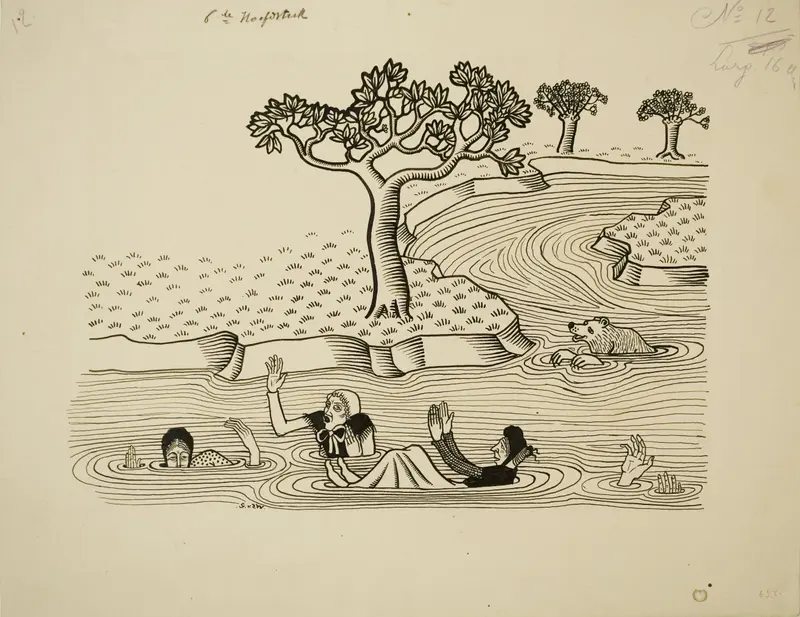
How Brown went out with Reynard where he thought he was eating honey and how he was caught by head and feet and suffered further misfortune
Gustave Van de Woestijne
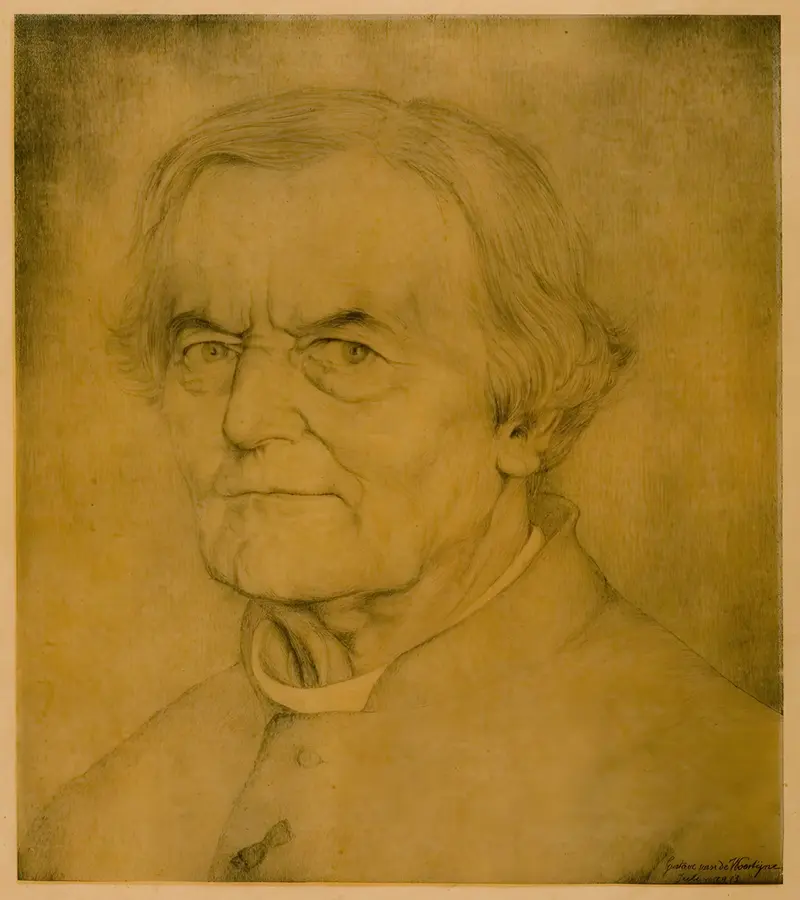
Portrait of Hugo Verriest
Gustave Van de Woestijne
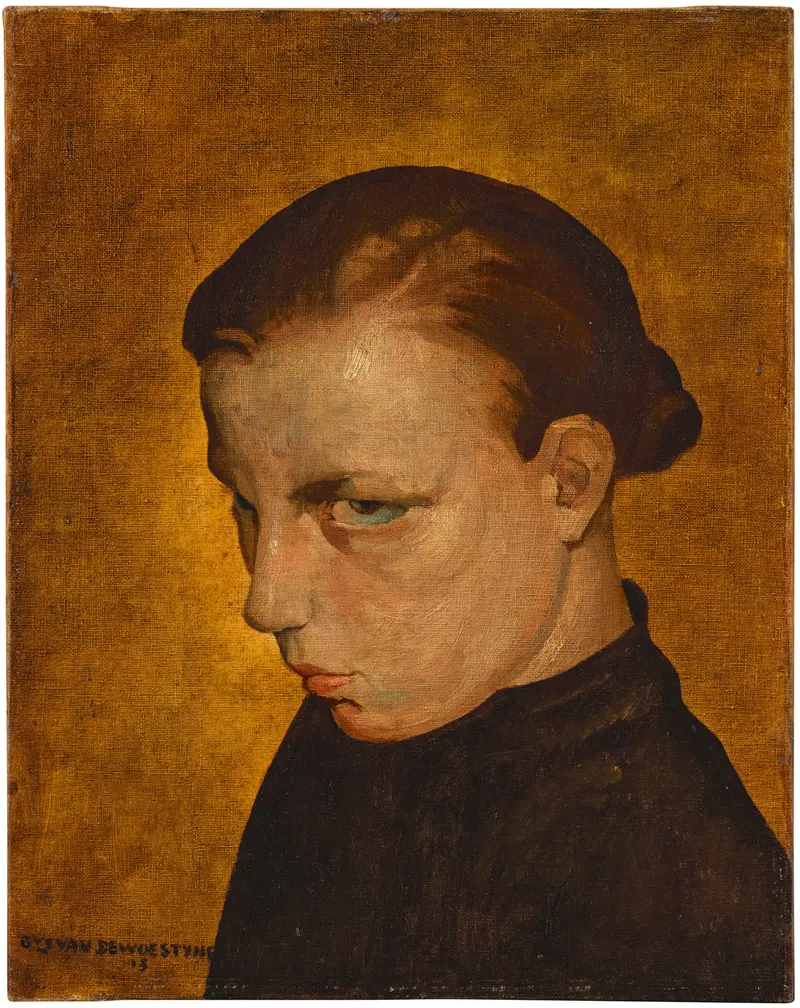
Angèle
Gustave Van de Woestijne
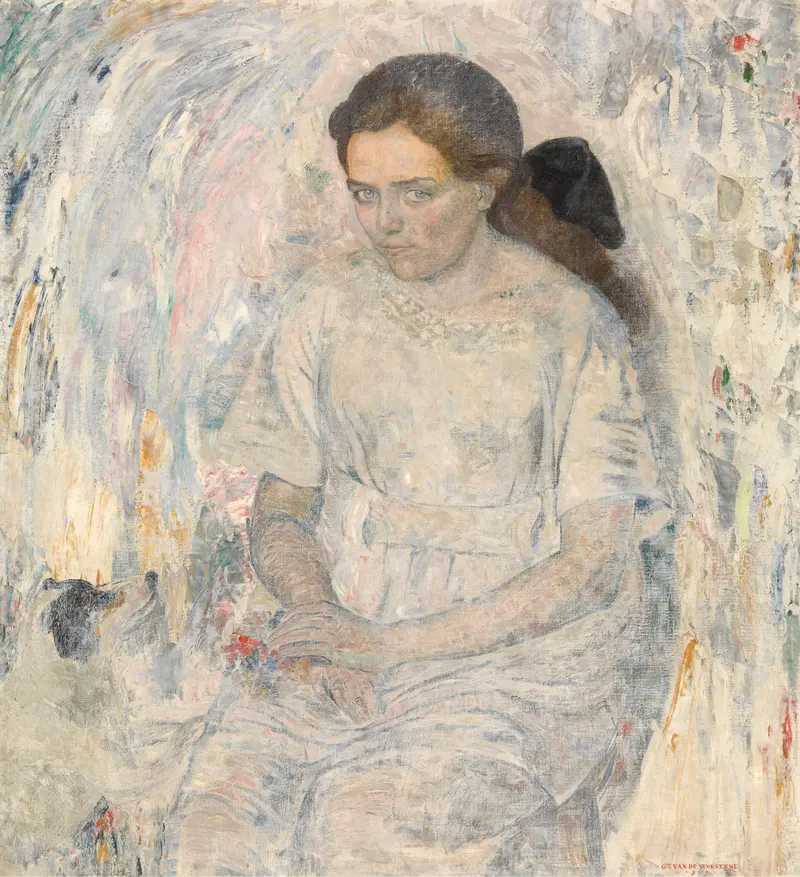
Adrienne
Gustave Van de Woestijne
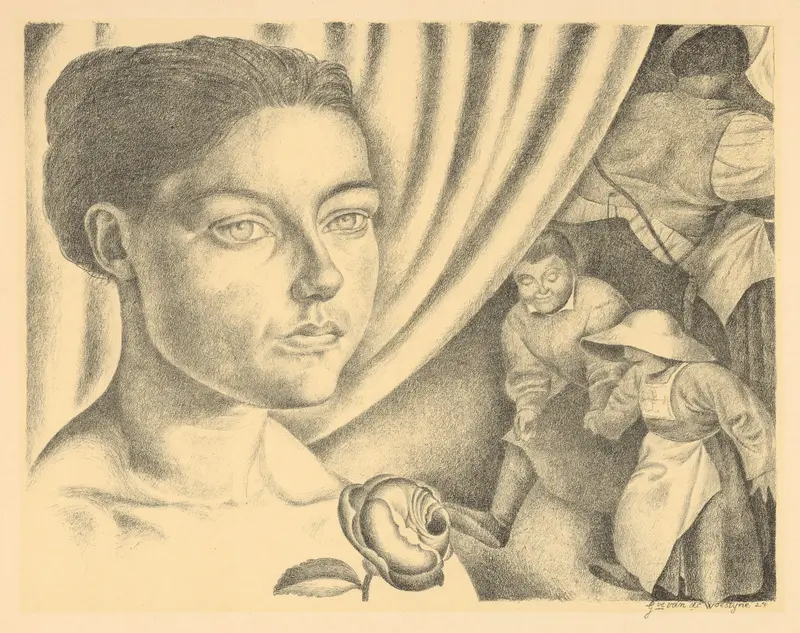
Jeune Femme
Gustave Van de Woestijne
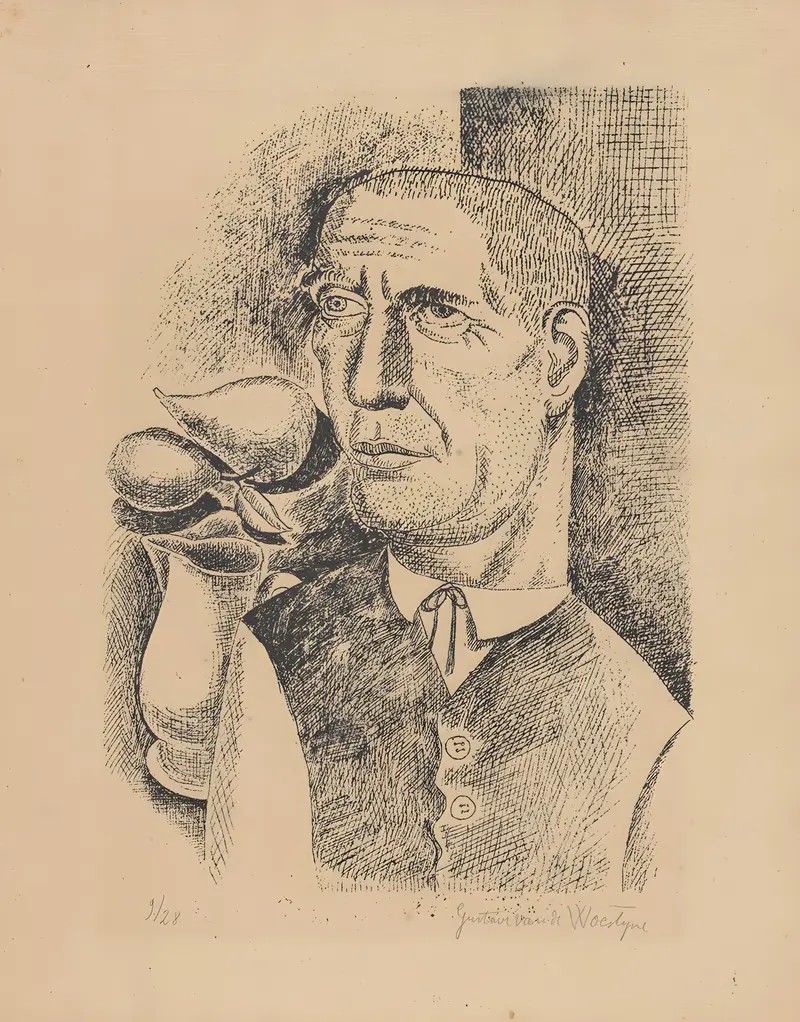
Boer op zijn zondags (Paysan endimanché)
Gustave Van de Woestijne
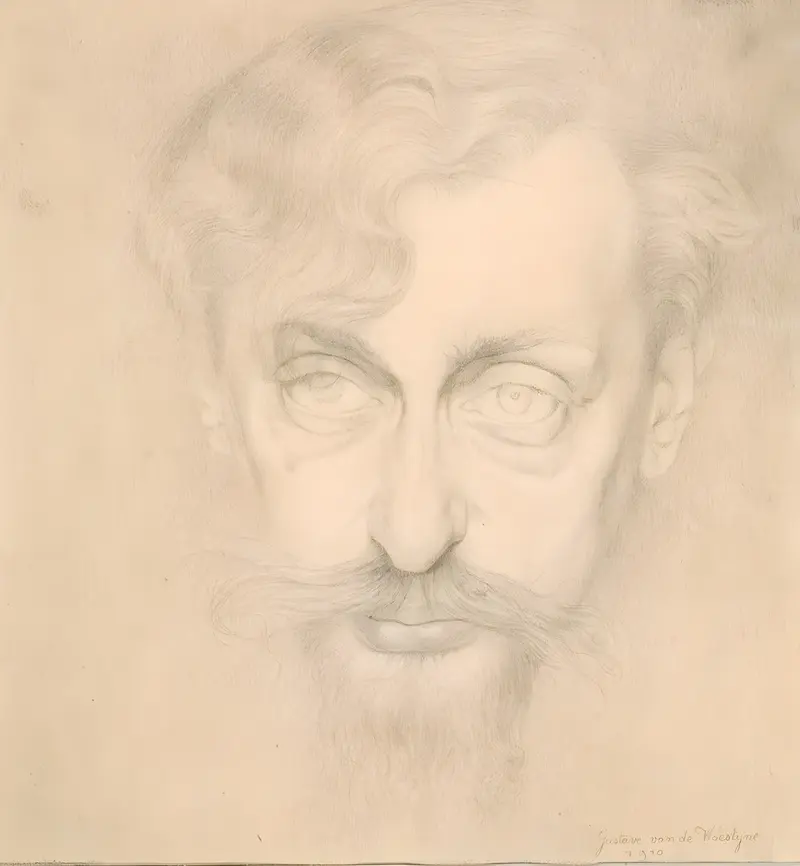
Portrait of the Writer Karel van de Woestijne
Gustave Van de Woestijne
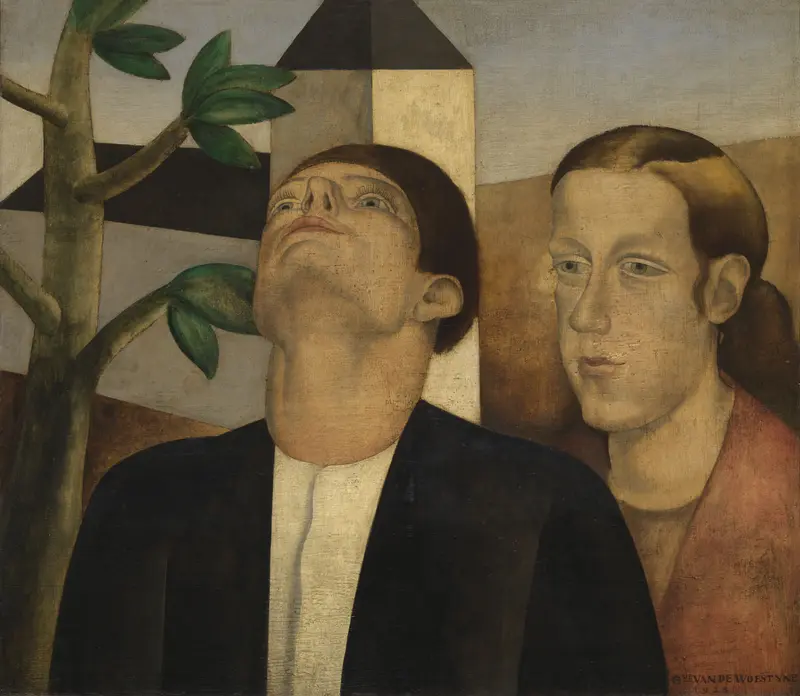
Azure
Gustave Van de Woestijne
How Reinaert devises a new trick to get free and exterminate his enemies
Gustave Van de Woestijne
Country Girl
Gustave Van de Woestijne
More Genre Scene Art

Banquet of the Officers of the St George Civic Guard
Frans Hals

Rembrandt and Saskia in the Scene of the Prodigal Son
Rembrandt van Rijn

Bal du moulin de la Galette
Pierre-Auguste Renoir

Quadrille at the Moulin Rouge
Henri de Toulouse-Lautrec

A Burial at Ornans
Gustave Courbet

When Will You Marry?
Paul Gauguin