
Issachar — History & Facts
In 1645, Francisco de Zurbarán received a remarkable commission: to paint a cycle of the twelve sons of Jacob, the patriarchs of the tribes of Israel, for the Monastery of Guadalupe. This series, rare in Western art, was intended to decorate the sacristy and to serve as a meditation on the roots of faith and lineage. Issachar is one of the few surviving works from this ambitious set; others have been lost or dispersed over the centuries, making each remaining canvas a precious link to the original vision. In this painting, Zurbarán captures Issachar at a moment of quiet endurance, drawing on the biblical blessing in Genesis: "Issachar is a strong donkey, lying down between two burdens." The figure sits, grounded and contemplative, draped in earth-toned robes that echo the humility and labor associated with his tribe.
The artist’s signature use of stark light and shadow carves out Issachar’s features and hands, emphasizing both physical strength and resignation. Unlike the more dramatic interpretations by artists such as Rembrandt, Zurbarán’s Issachar is dignified and still, his gaze lowered, embodying patience and acceptance rather than struggle. The fate of Issachar after its creation is partly shrouded in mystery, like much of the original series. While the Monastery of Guadalupe retained several of the patriarchs, others were scattered during the upheavals of the 19th century.
Today, Issachar stands as a testament to Zurbarán’s deep engagement with biblical themes in the later phase of his career, when he was celebrated for his ability to infuse religious figures with a sense of living presence. The painting’s journey from a monastic setting to the museum wall reflects the shifting tides of taste and history, yet its quiet power endures.
More Artworks by Francisco de Zurbarán
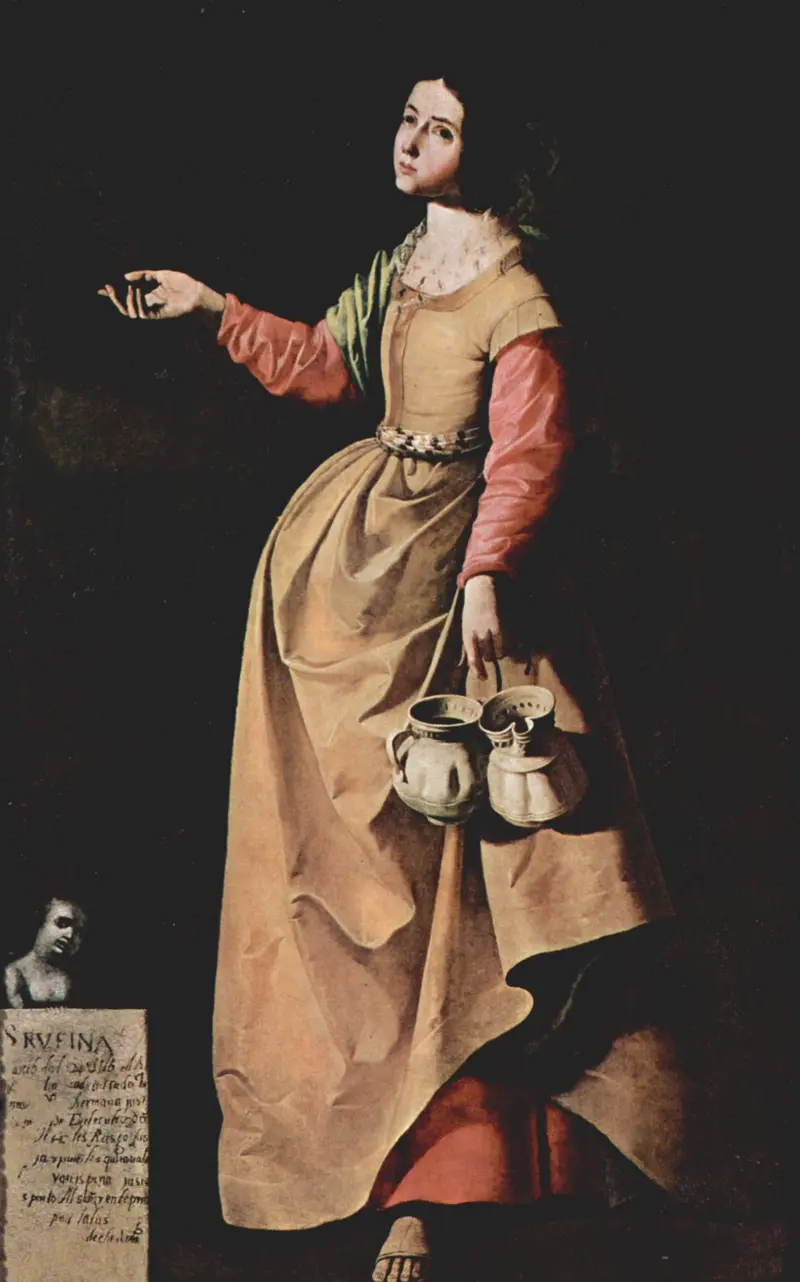
Saint Rufina
Francisco de Zurbarán
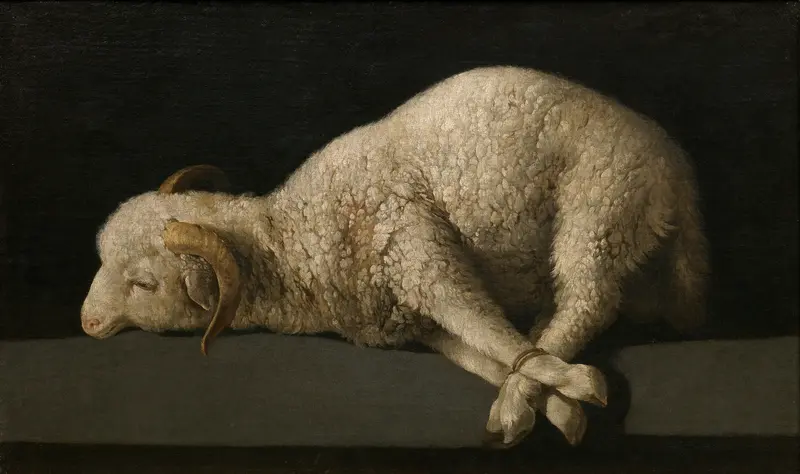
Agnus Dei
Francisco de Zurbarán
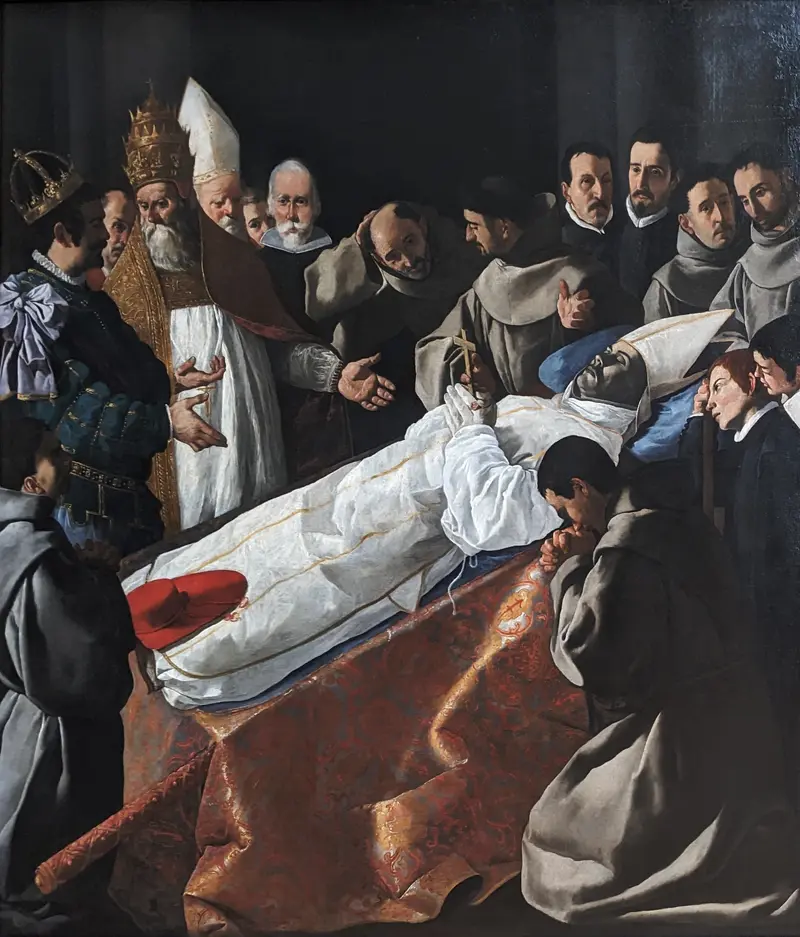
Saint Bonaventure's Body Lying in State
Francisco de Zurbarán
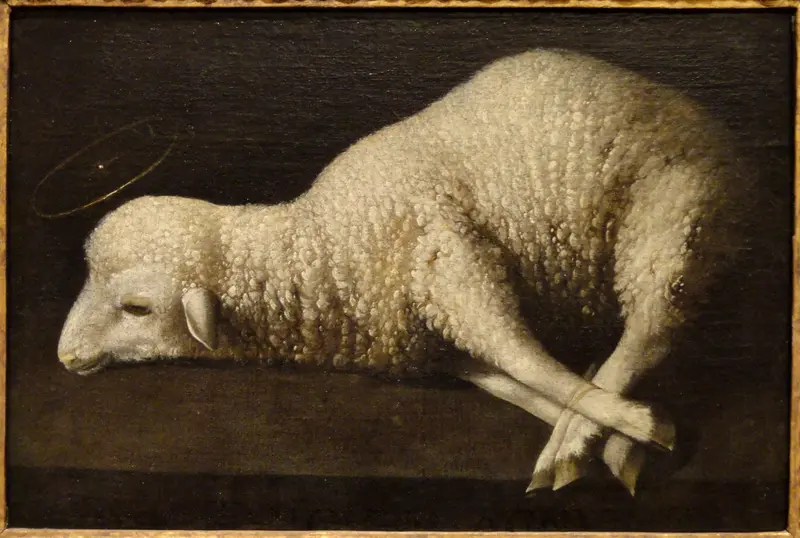
The Lamb of God
Francisco de Zurbarán

Adoration of the Magi
Francisco de Zurbarán
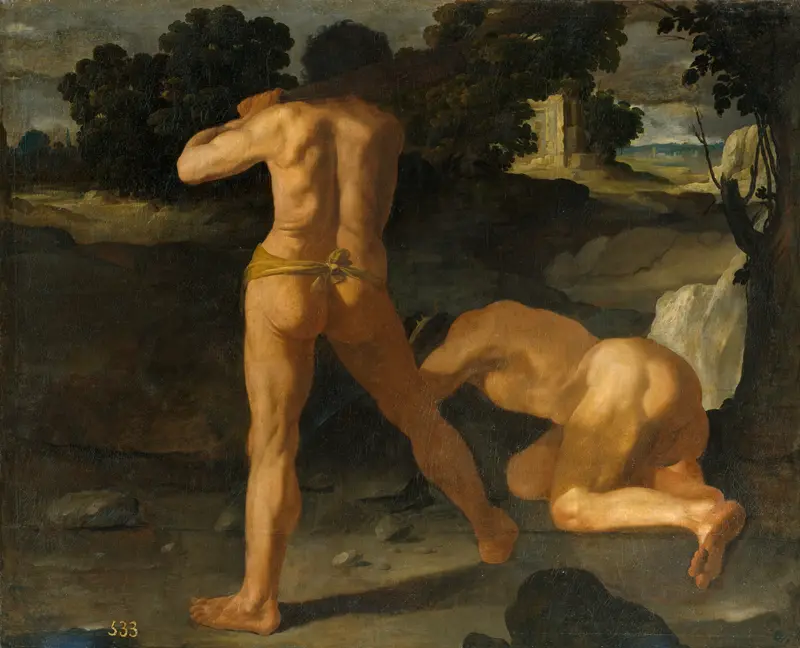
Hercules defeats King Geryon
Francisco de Zurbarán
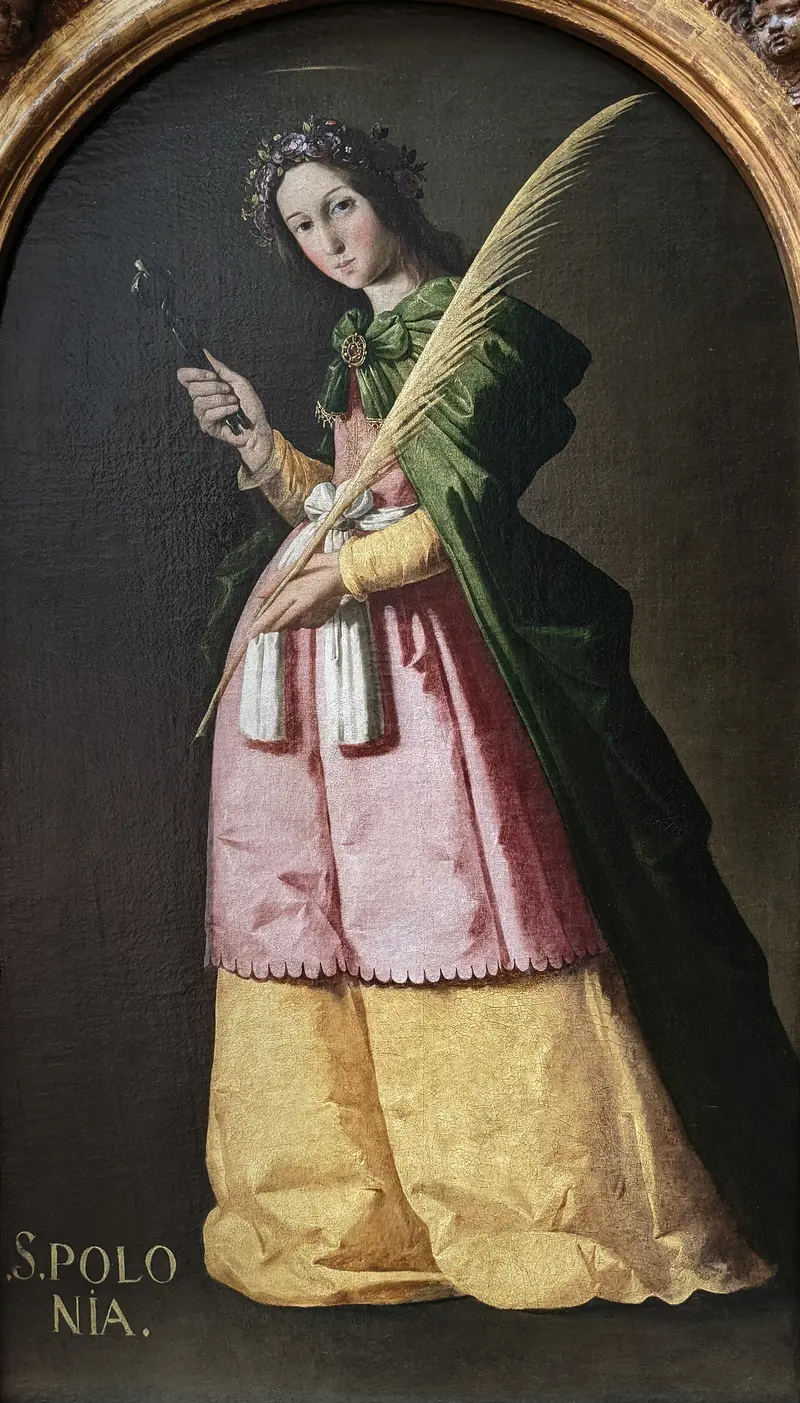
Saint Apollonia
Francisco de Zurbarán
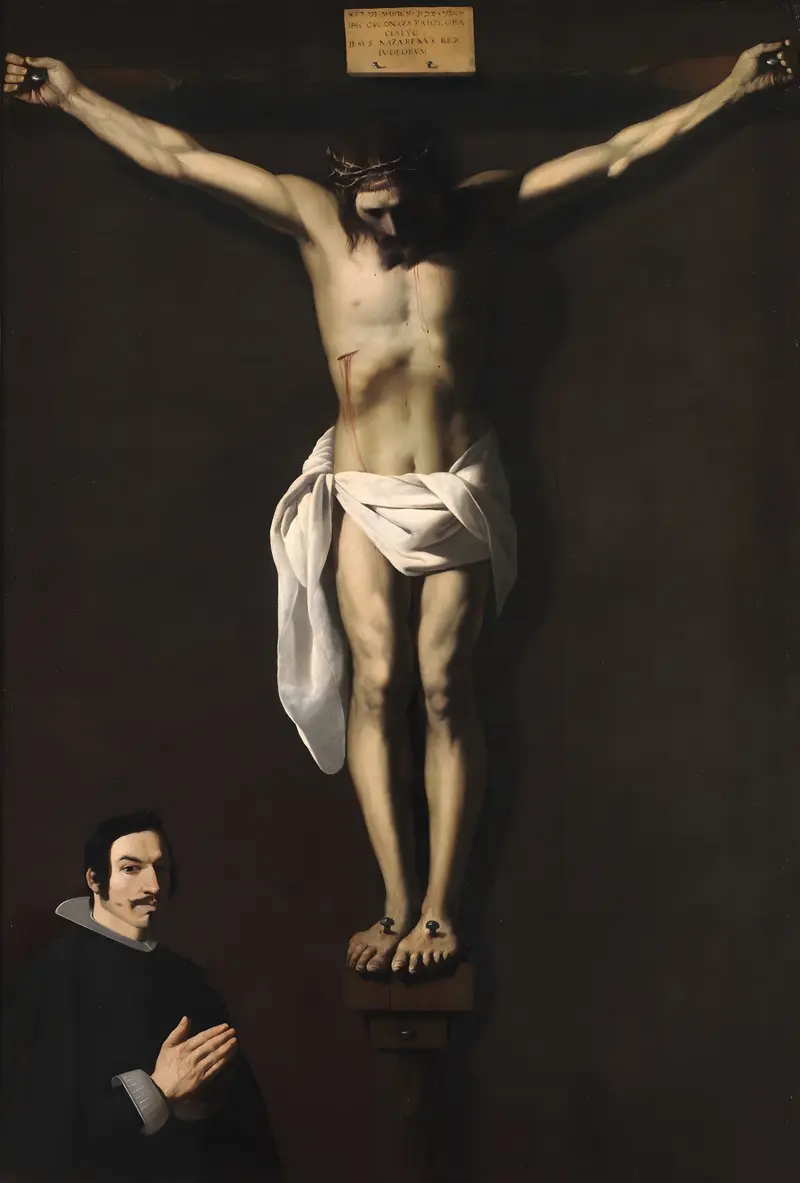
The Crucified Christ with a Donor
Francisco de Zurbarán
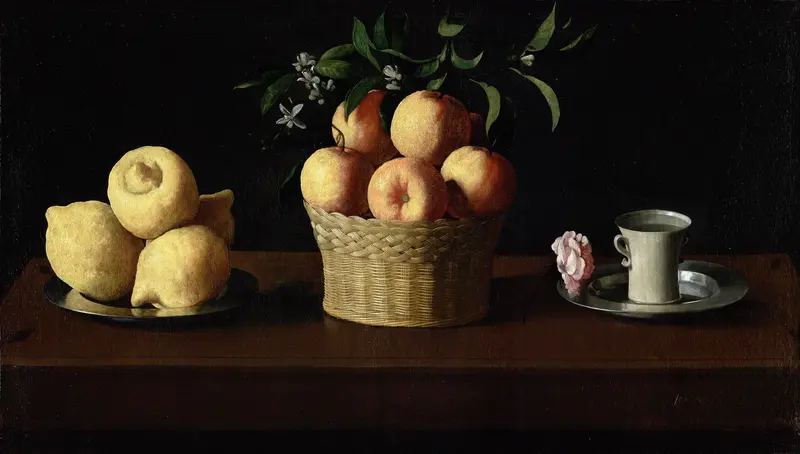
Still Life with Lemons, Oranges and a Rose
Francisco de Zurbarán
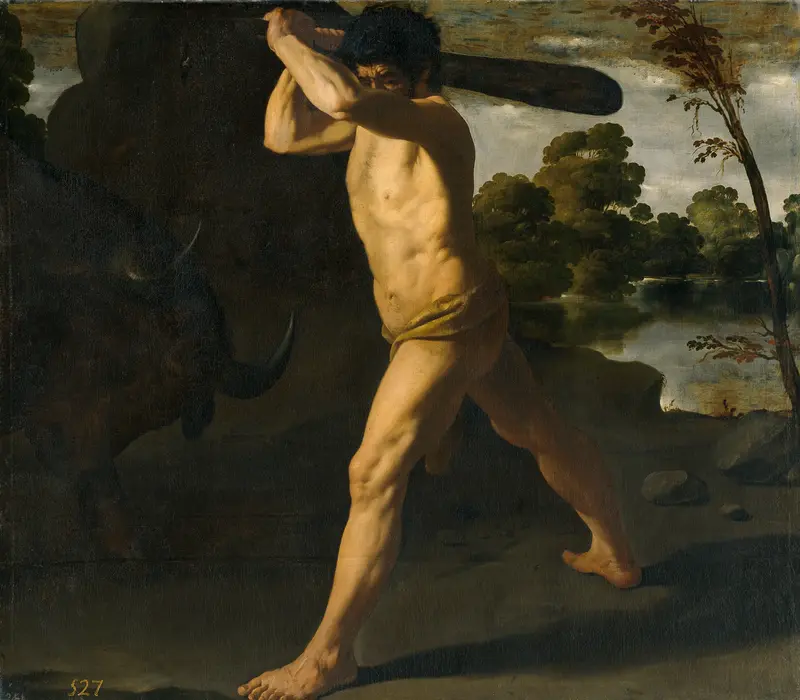
Hercules and the Cretan Bull
Francisco de Zurbarán





