
King Cophetua and the Beggar Maid — History & Facts
Few paintings have haunted American art quite like King Cophetua and the Beggar Maid by Albert Pinkham Ryder, a work shrouded in both legend and uncertainty. Ryder labored over this canvas for years, revisiting the subject long after other artists might have declared it finished, and even at his death in 1917, friends and critics found his studio cluttered with unfinished canvases. The painting’s medium remains debated—Ryder’s notorious experiments with unconventional materials have left conservators guessing, and its surface has darkened and cracked in unpredictable ways, adding to its air of mystery. The tale Ryder chose is one of medieval romance: King Cophetua, unmoved by wealth or beauty, falls in love at first sight with a destitute beggar maid.
Ryder captures the moment of revelation—Cophetua, regal and isolated in shadow, gazes down at the pale, luminous figure of the maid, her humility and innocence set apart by a shaft of light. The stark contrast of their positions, the king’s heavy crown and the maid’s simple garb, speaks to the chasm between their worlds. Unlike Edward Burne-Jones’s more ornate and decorative treatment of the same legend, Ryder’s version is stripped to its essentials, the drama distilled into a few bold shapes and a brooding palette. The physical life of this painting reflects Ryder’s own reclusive and obsessive nature.
Never widely exhibited in his lifetime, King Cophetua and the Beggar Maid passed quietly through private hands before entering a museum collection in the early twentieth century. Its fragile condition and Ryder’s idiosyncratic technique have made it a challenge for conservators, and it is rarely lent for exhibitions. Today, the painting stands as a testament to Ryder’s singular vision, occupying a unique place in American art for its blend of mythic storytelling and experimental craft.
More Artworks by Albert Pinkham Ryder

The Toilers of the Sea
Albert Pinkham Ryder
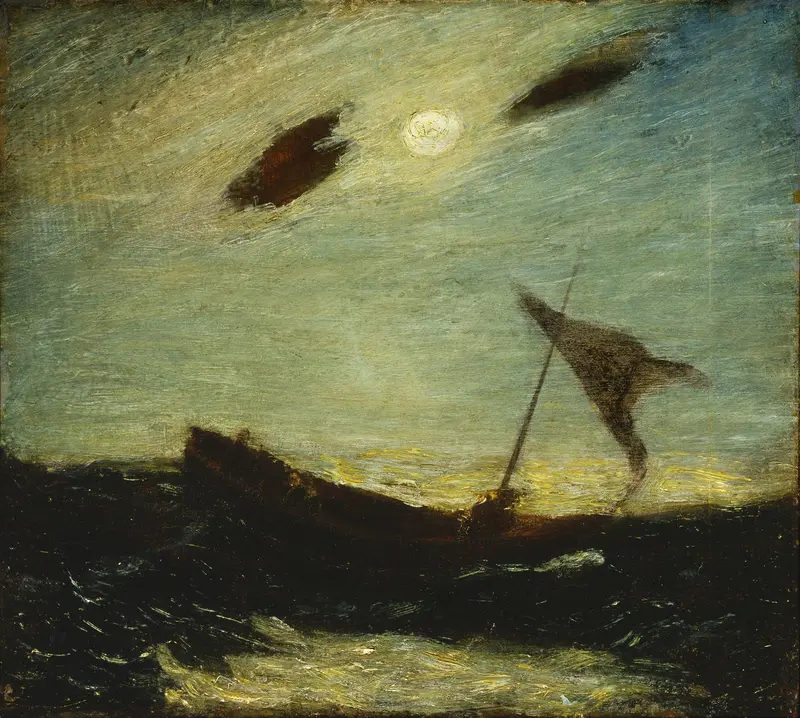
Moonlight
Albert Pinkham Ryder
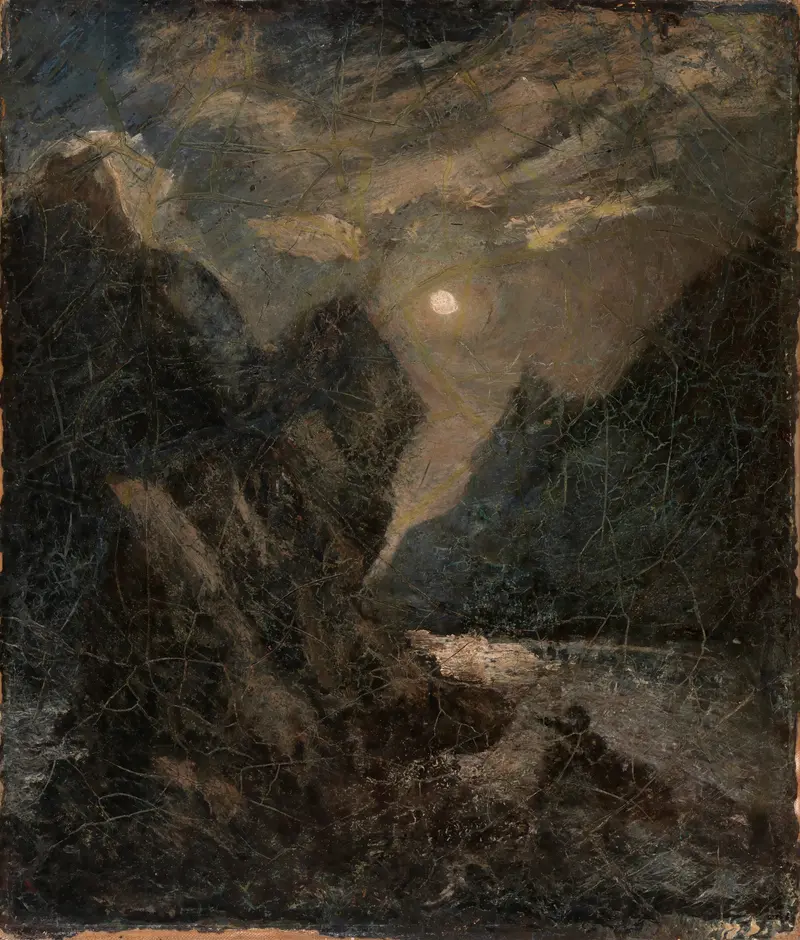
The Lorelei
Albert Pinkham Ryder
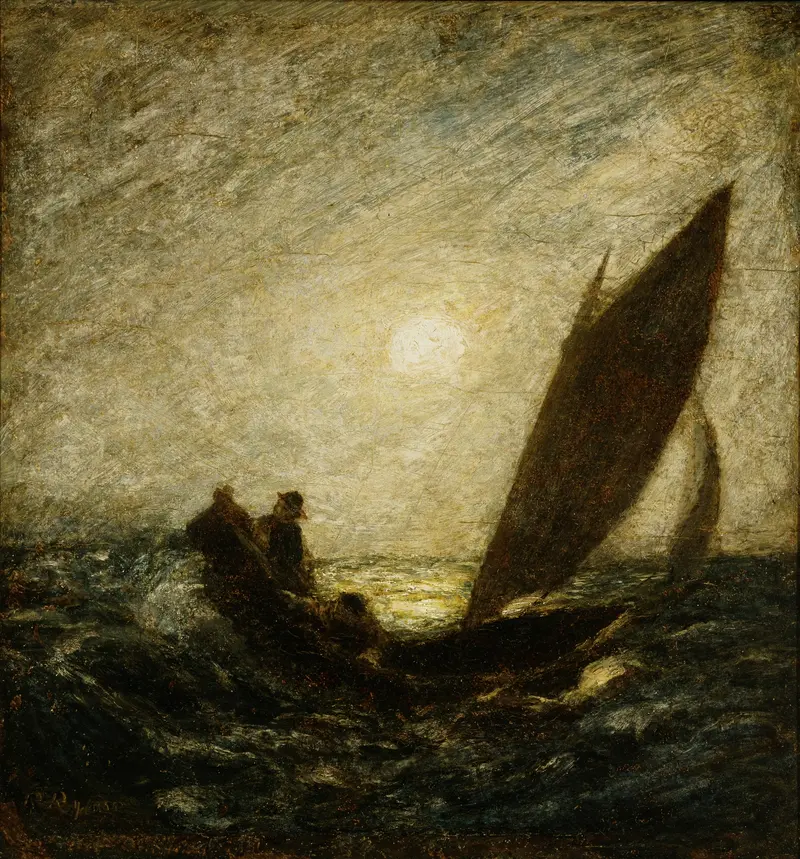
With Sloping Mast And Dipping Prow
Albert Pinkham Ryder
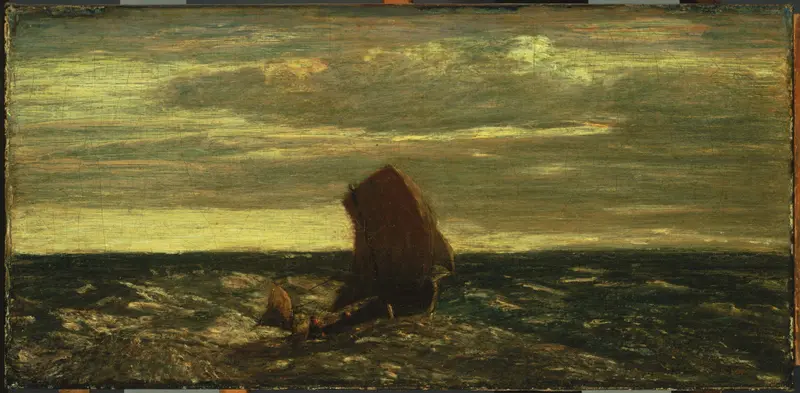
Homeward Bound
Albert Pinkham Ryder
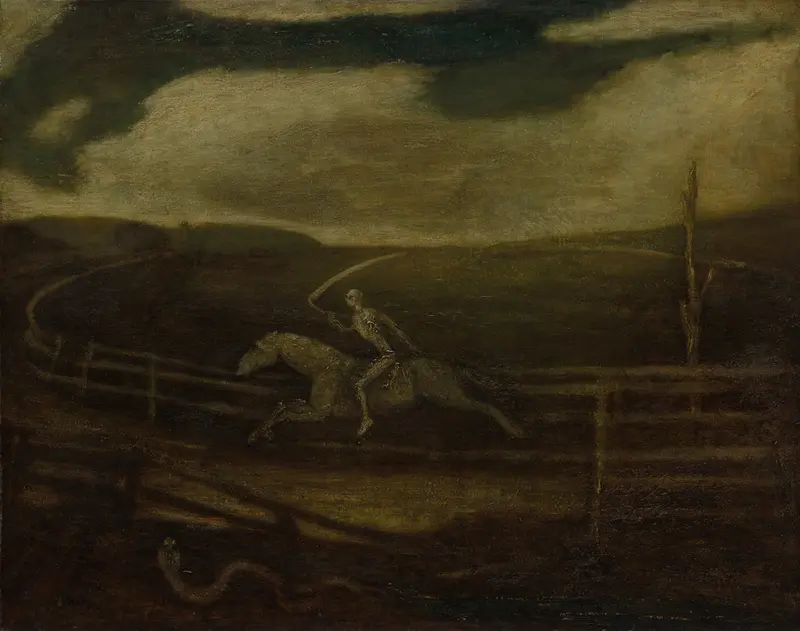
The Race Track (Death on a Pale Horse)
Albert Pinkham Ryder
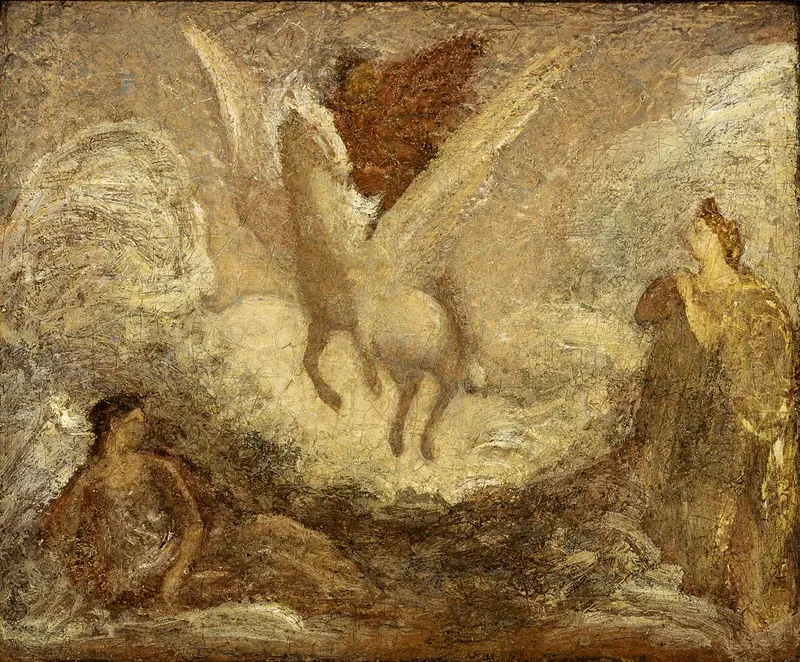
Pegasus Departing
Albert Pinkham Ryder
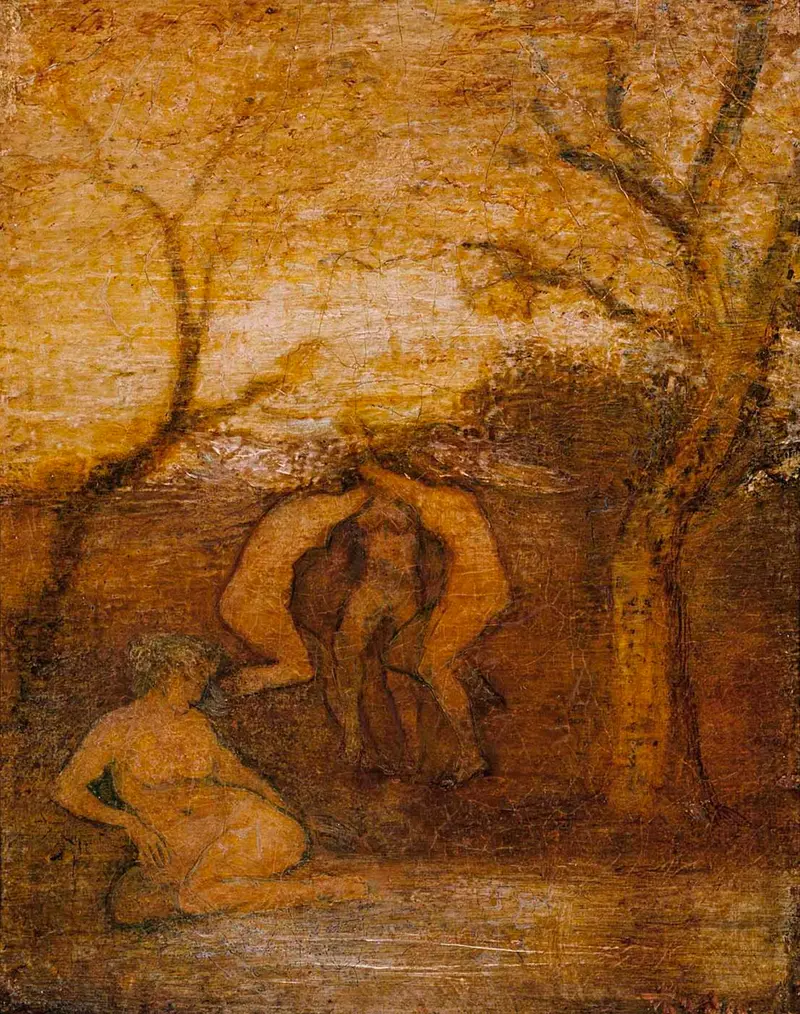
Dancing Dryads
Albert Pinkham Ryder
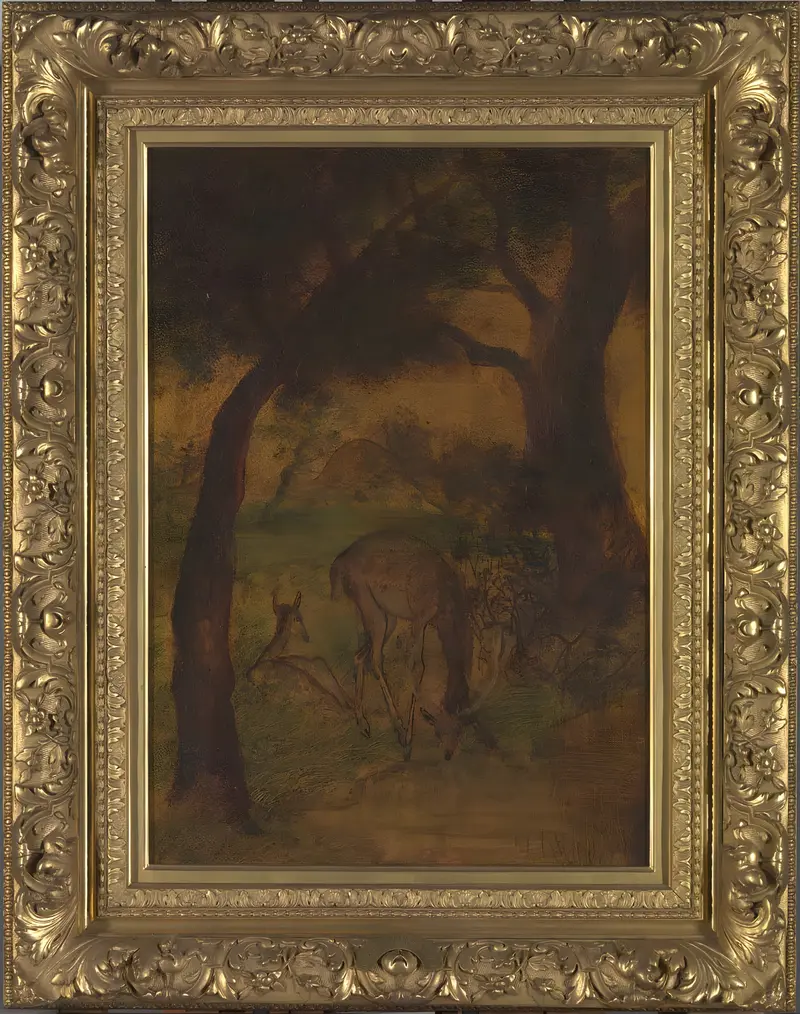
A Stag Drinking
Albert Pinkham Ryder
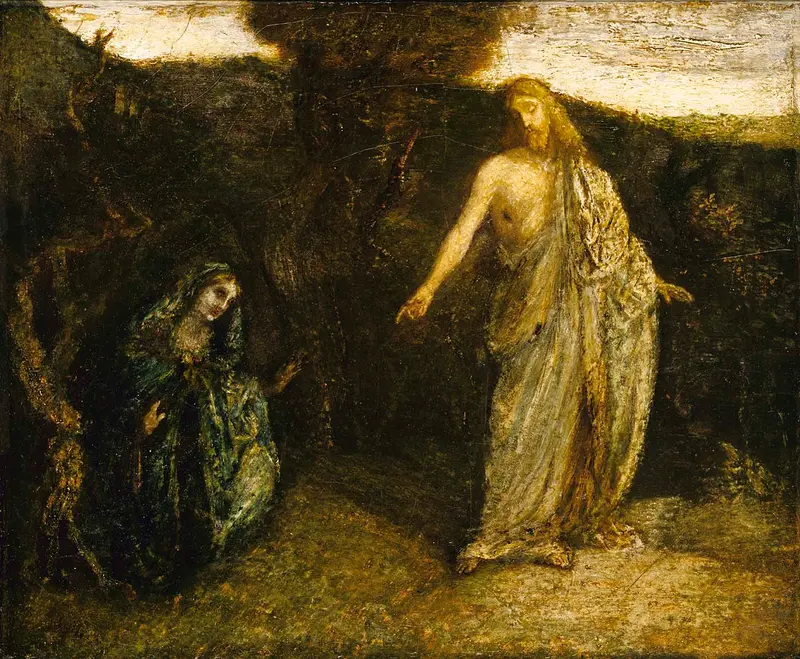
Christ Appearing to Mary
Albert Pinkham Ryder





