
Landscape With Vertumnus And pomona — History & Facts
No other Dutch artist of the early seventeenth century painted the story of Vertumnus and Pomona as often as Abraham Bloemaert—a fascination that has led scholars to wonder if he saw in this myth a metaphor for the transformation of art itself. In a period when the Dutch Republic was blossoming after decades of war, Bloemaert’s repeated returns to this subject suggest a deliberate engagement with themes of change and renewal. While the exact date and commission of Landscape With Vertumnus And Pomona remain uncertain, its enduring popularity is clear: versions by Bloemaert and his workshop appear in collections from Amsterdam to Paris, attesting to the myth’s resonance in the Dutch Golden Age. At the heart of the painting is the myth from Ovid’s Metamorphoses: Vertumnus, god of the seasons, disguises himself as an old woman to woo the orchard nymph Pomona, who is devoted solely to her fruit trees.
Bloemaert captures the moment of revelation, as Vertumnus, still in disguise, gestures persuasively toward Pomona’s abundant orchard—laden branches and ripe fruit symbolizing both her chastity and fertility. The lush, rolling landscape envelops the figures, with Pomona’s guarded posture contrasting Vertumnus’s earnest appeal. Unlike Francesco Melzi’s more intimate treatment of the same myth, Bloemaert sets the drama within a panoramic, almost theatrical setting, inviting viewers to consider the interplay of nature, desire, and transformation. The precise journey of this particular Landscape With Vertumnus And Pomona is not fully documented, but it is typical of Bloemaert’s mythological works, which were sought after by both Dutch and foreign collectors.
Many of his paintings circulated widely, sometimes attributed to his pupils or sons, who emulated his style. Today, works of this type are prized for their synthesis of Northern landscape tradition and classical subject matter, reflecting Bloemaert’s role as a bridge between late Renaissance and early Baroque painting in the Netherlands. Whether hanging in a museum or a private collection, this painting remains a testament to Bloemaert’s inventive storytelling and his enduring fascination with the cycles of nature and love.
More Artworks by Abraham Bloemaert

Adam and Eve
Abraham Bloemaert
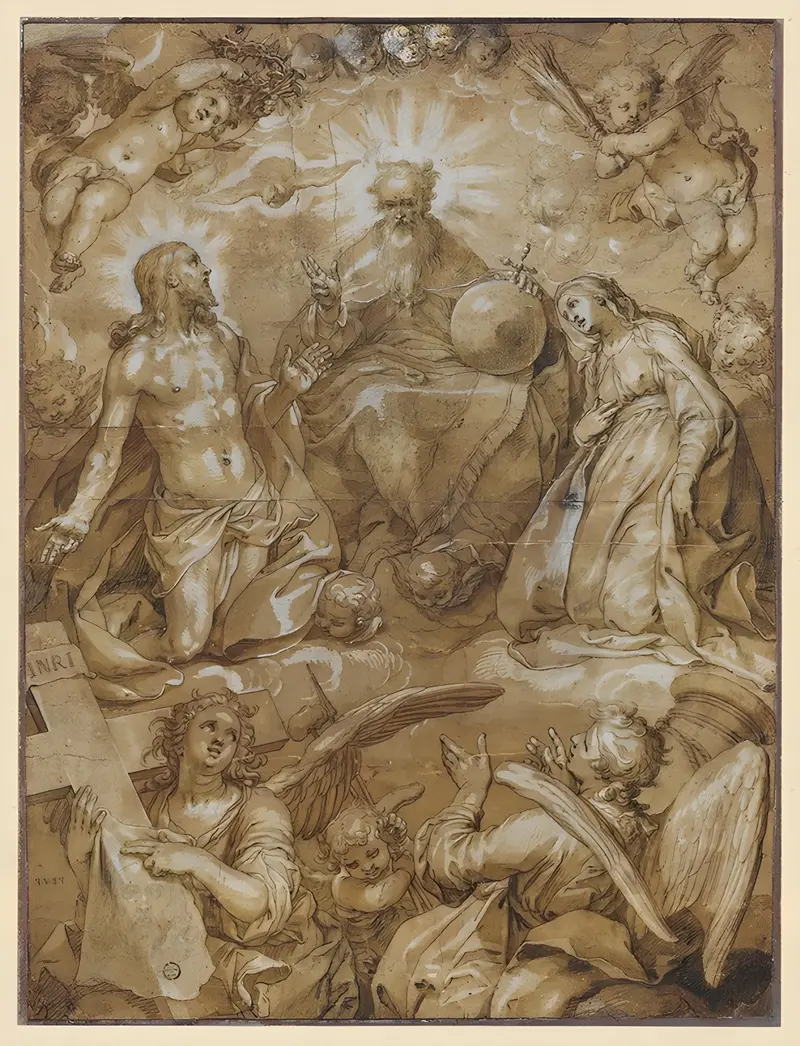
Intercession of Christ and Mary before God the Father
Abraham Bloemaert
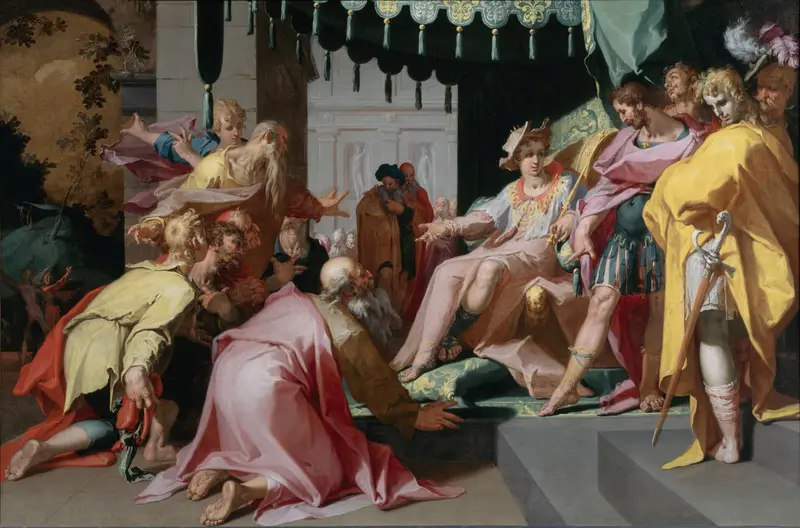
Joseph and his Brothers
Abraham Bloemaert
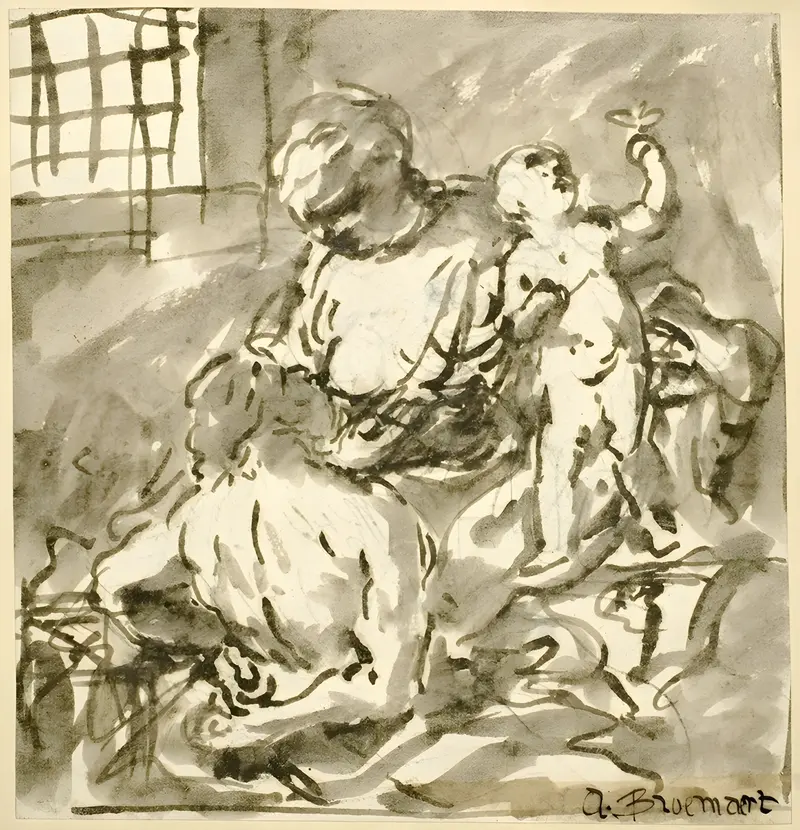
Caritas Romana
Abraham Bloemaert
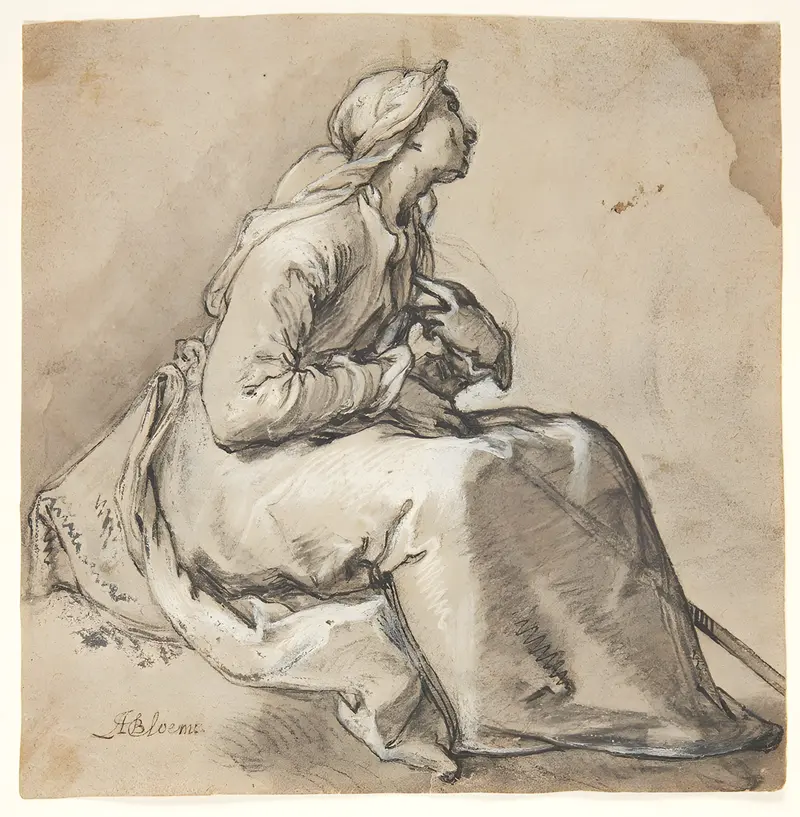
A seated woman facing right
Abraham Bloemaert
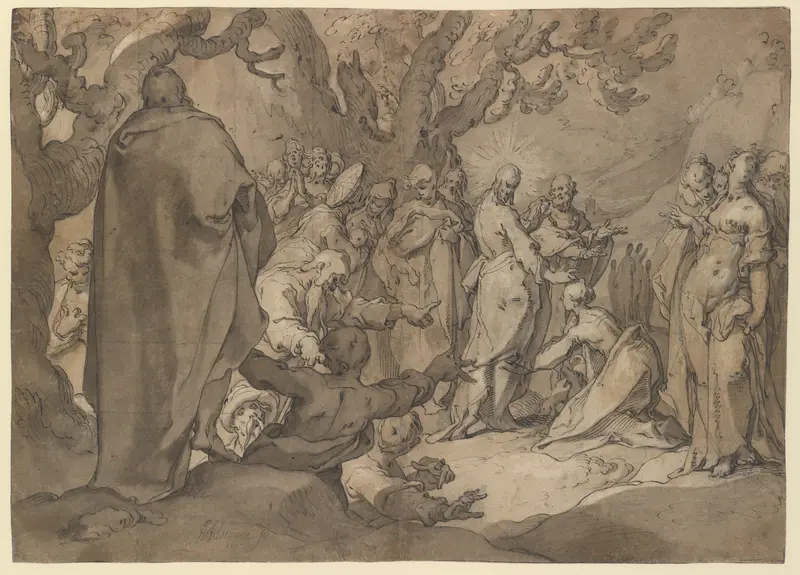
Christ and the Canaanite Women
Abraham Bloemaert
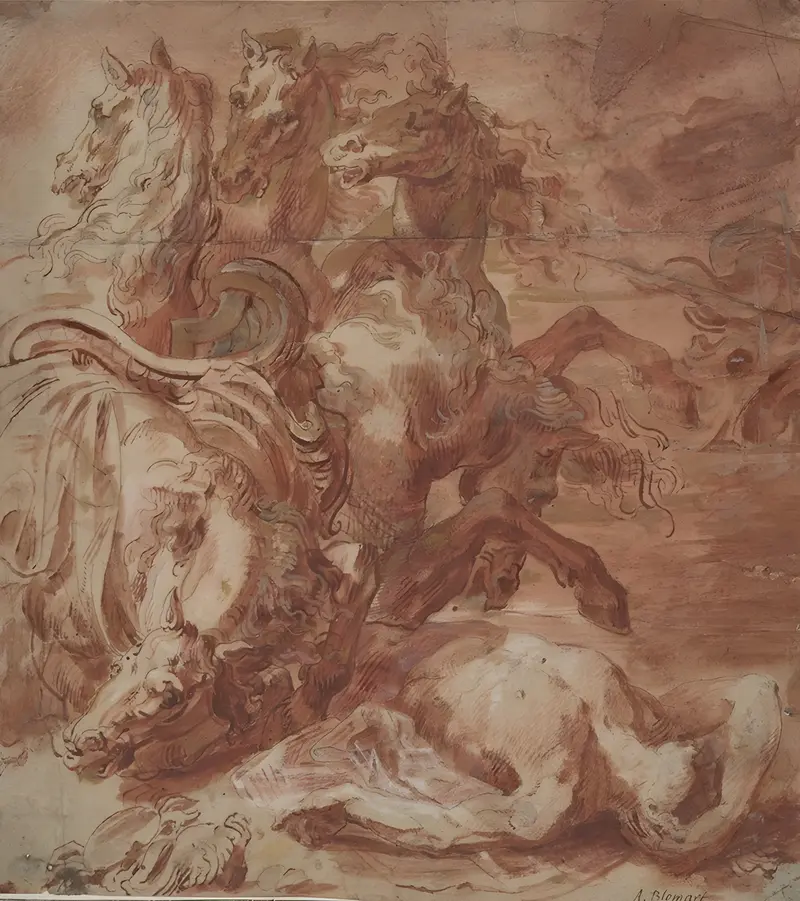
Hippolytus
Abraham Bloemaert
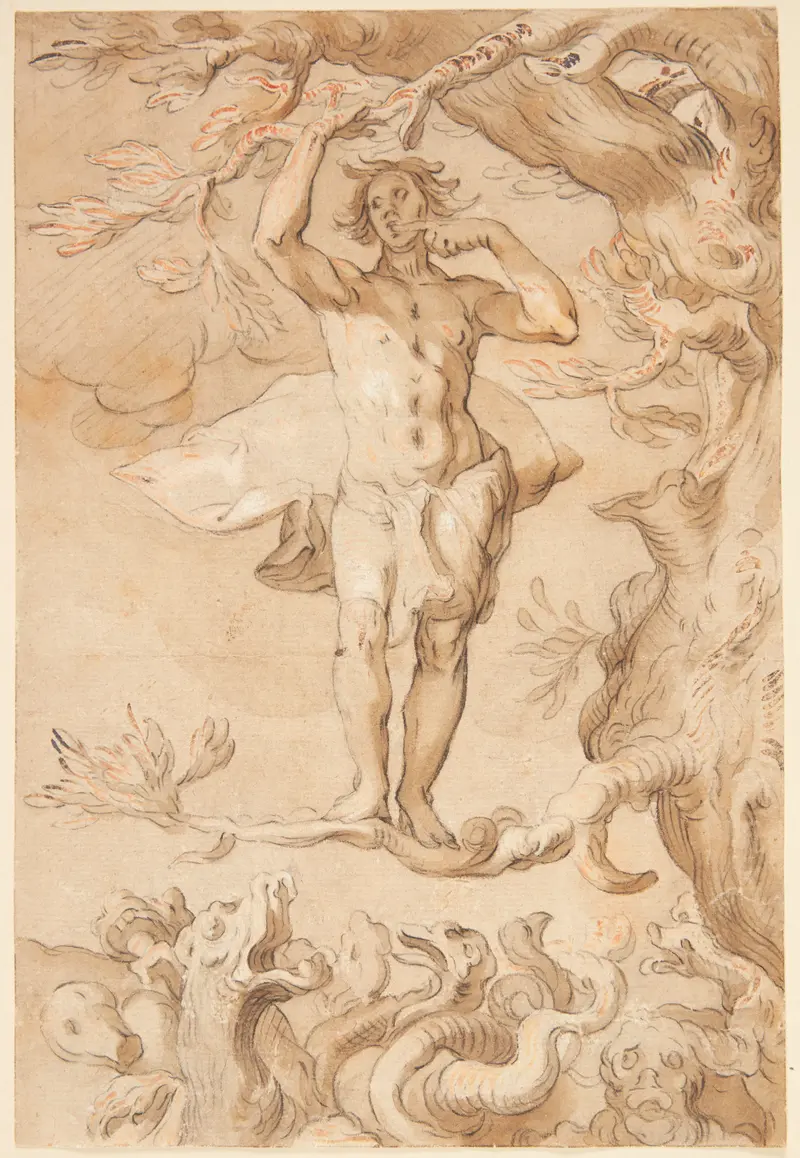
Den menneskelige glædes skrøbelighed En mand, der jages af en drage, klynger sig til en gren, mens han slikker honning af sin finger
Abraham Bloemaert

Moses Striking the Rock
Abraham Bloemaert
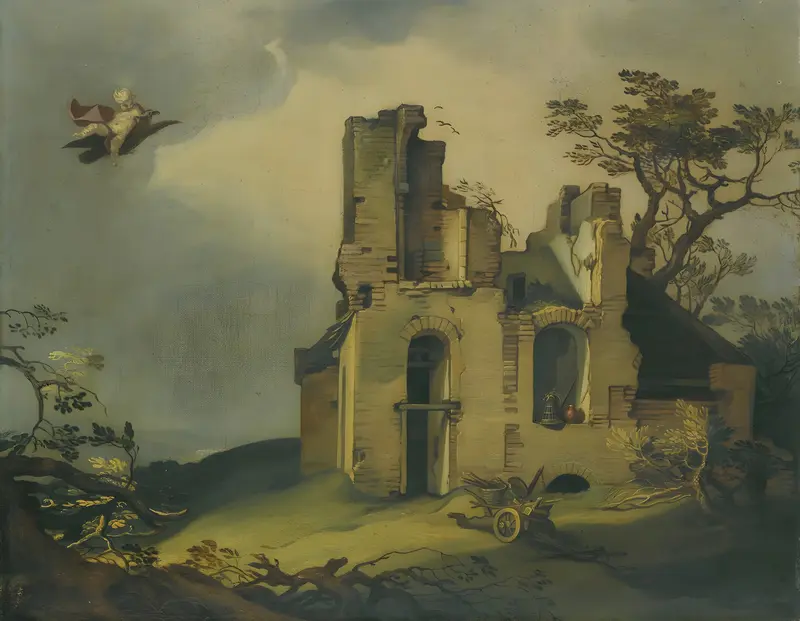
A Landscape With Ruins, With The Rape Of Ganymede
Abraham Bloemaert





