
Levi — History & Facts
Few paintings have traveled as far, in both subject and journey, as Levi by Francisco de Zurbarán. Commissioned as part of a remarkable series depicting the sons of Jacob—the patriarchs of the Twelve Tribes of Israel—this work was intended for the Monastery of San Pablo el Real in Seville. The series was one of the earliest major cycles in Western art to focus on Old Testament patriarchs, a rare subject in seventeenth-century Spain.
Over the centuries, individual paintings from the set were dispersed across Europe, leading to ongoing debates about the original sequence and intended arrangement. Zurbarán captures Levi at a moment of dignified stillness, his gaze directed outward as if contemplating his role as ancestor of the priestly tribe. Clad in sumptuous, orientalizing robes—rich with pattern and color—Levi holds a scroll, a symbol of his tribe’s association with the law and temple service. The dramatic chiaroscuro, a hallmark of Zurbarán’s style, isolates the figure against a dark background, lending him an almost sculptural presence.
Unlike Rembrandt’s introspective patriarchs, Zurbarán’s Levi stands as a figure of authority and calm, his attributes clearly displayed for the viewer’s contemplation. The original series, likely completed around 1645, was soon scattered by political upheaval and changing tastes. Many of the paintings, including Levi, were acquired by collectors in France and England during the Napoleonic era, and some remain in private hands or museums far from their Andalusian origins. The precise provenance of Levi is not fully documented, a fate shared by several of its companion pieces.
Today, the work is recognized as a key example of Zurbarán’s mature period, when his focus on monumental, solitary figures reached its height, and stands as a testament to the enduring fascination with biblical ancestry in Spanish Baroque art.
More Artworks by Francisco de Zurbarán
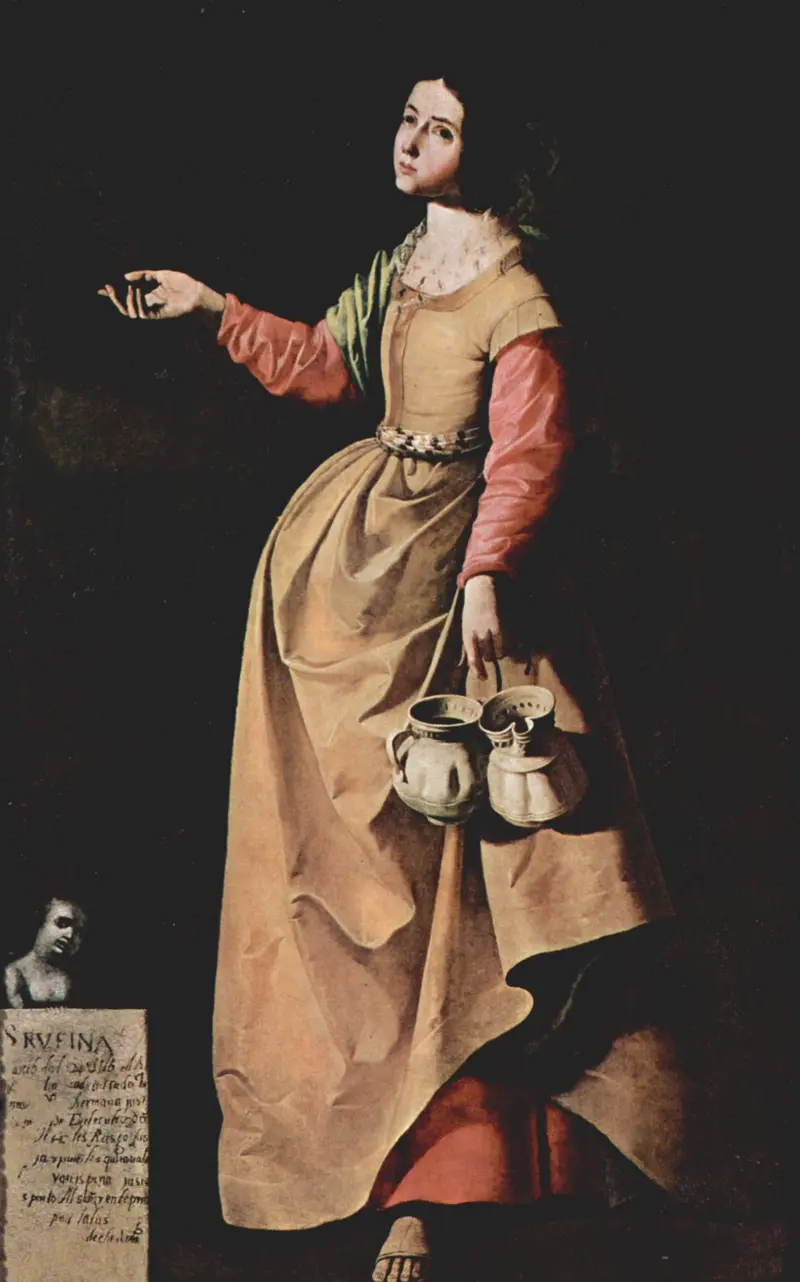
Saint Rufina
Francisco de Zurbarán
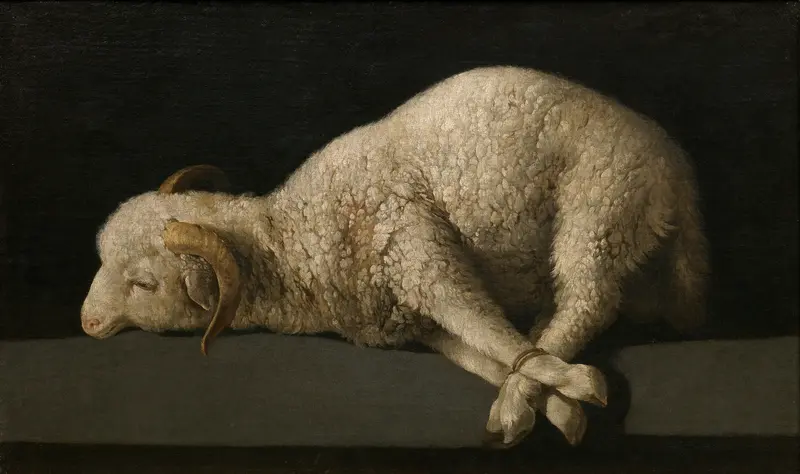
Agnus Dei
Francisco de Zurbarán
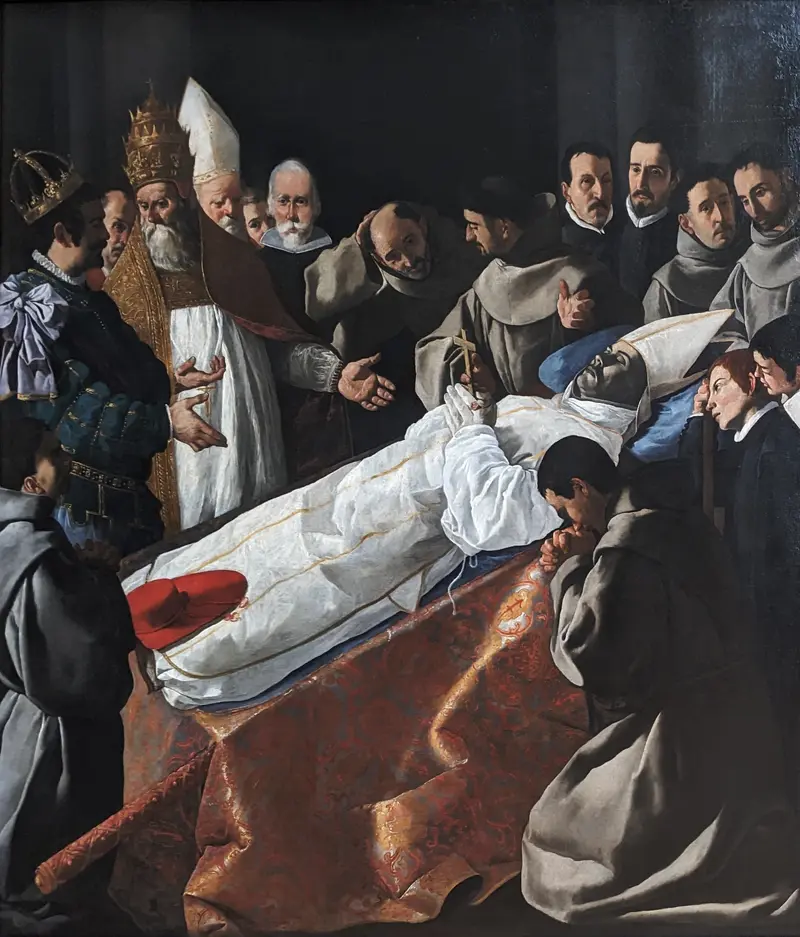
Saint Bonaventure's Body Lying in State
Francisco de Zurbarán
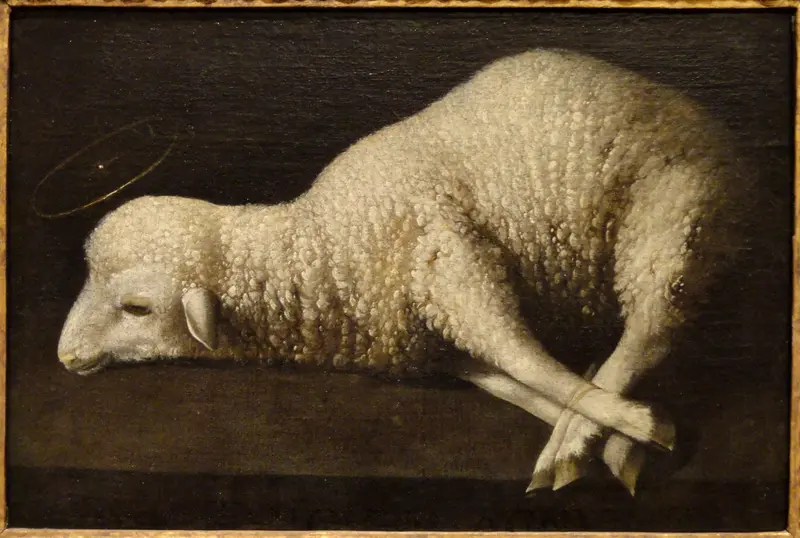
The Lamb of God
Francisco de Zurbarán

Adoration of the Magi
Francisco de Zurbarán
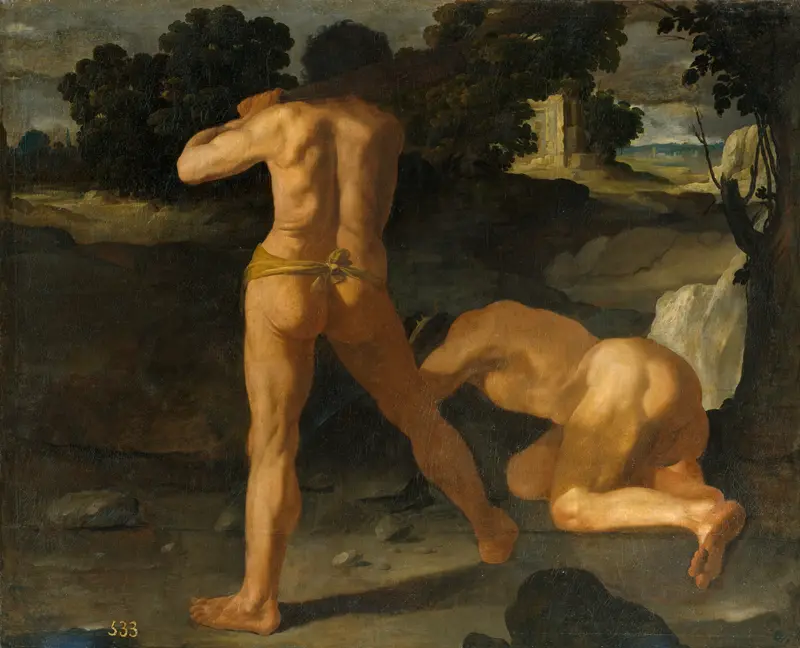
Hercules defeats King Geryon
Francisco de Zurbarán
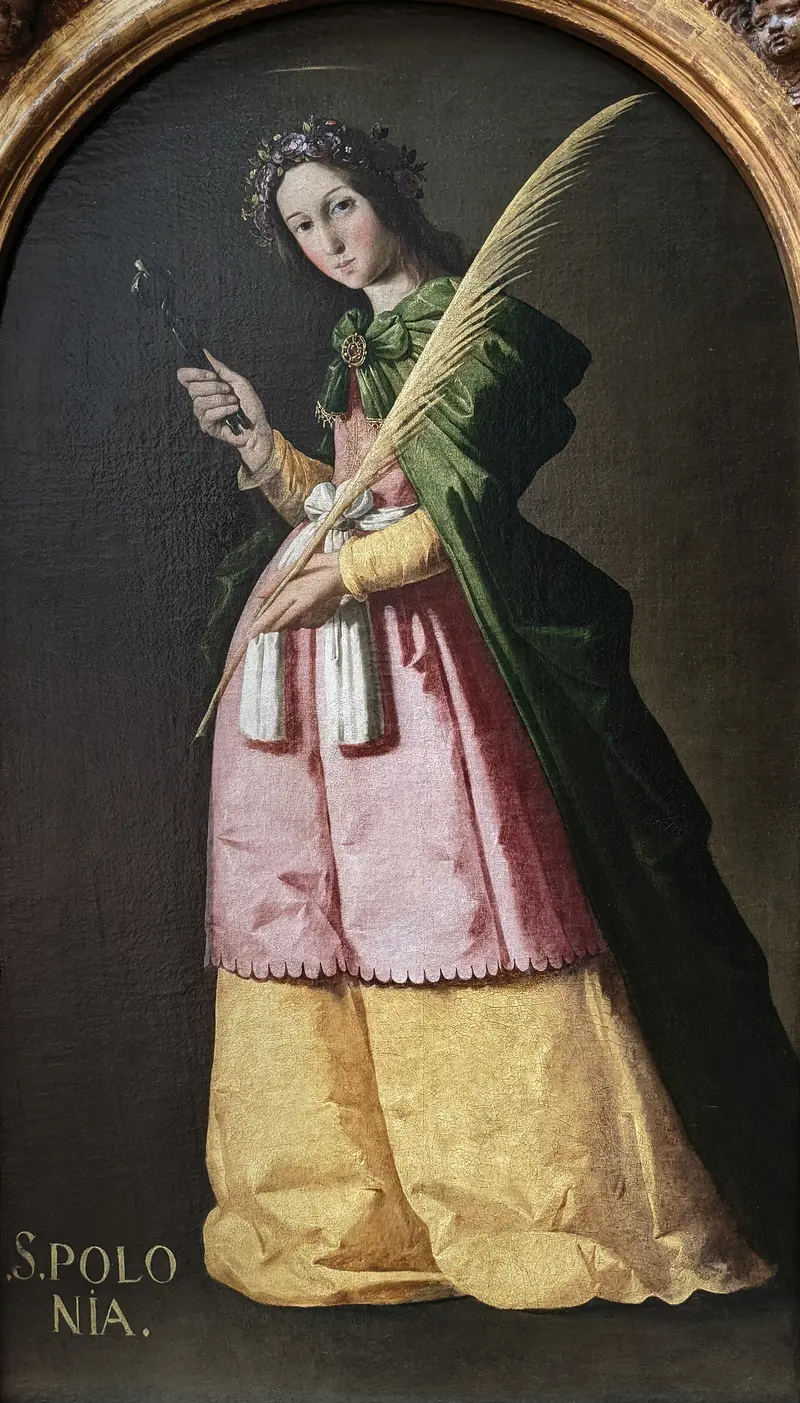
Saint Apollonia
Francisco de Zurbarán
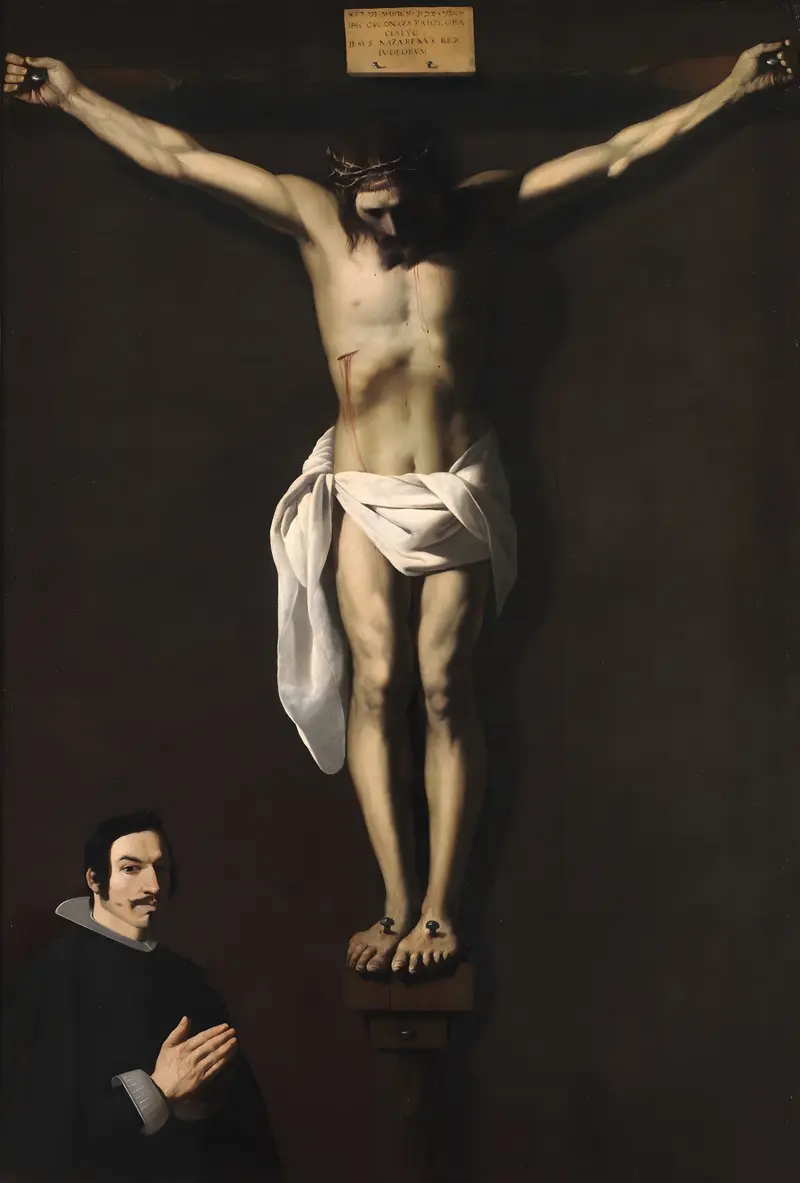
The Crucified Christ with a Donor
Francisco de Zurbarán
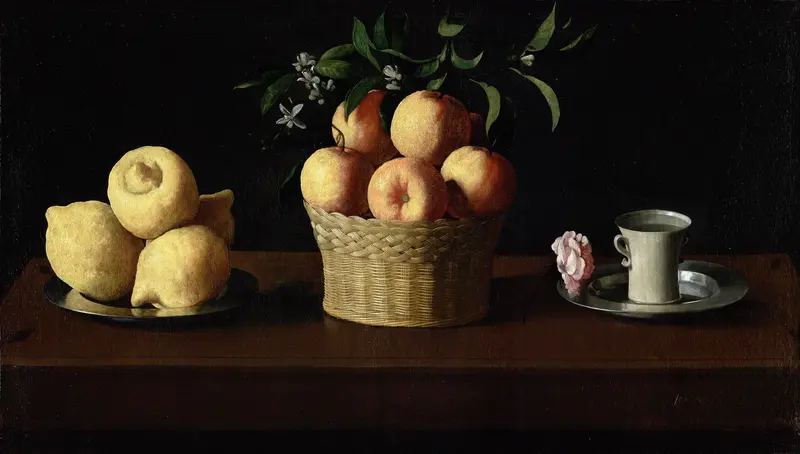
Still Life with Lemons, Oranges and a Rose
Francisco de Zurbarán
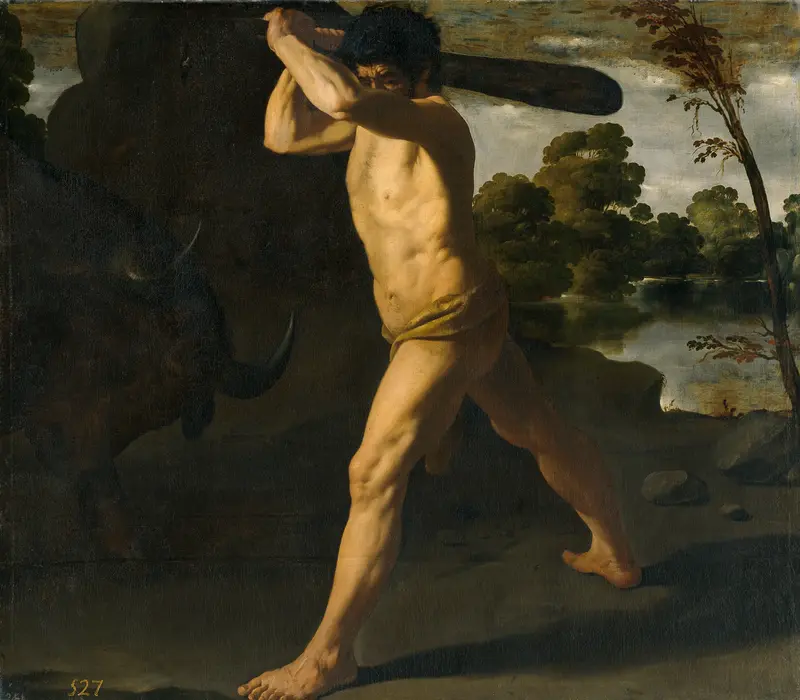
Hercules and the Cretan Bull
Francisco de Zurbarán





