
Lucan portrait of Leonardo da Vinci — History & Facts
Few portraits have sparked as much debate as the so-called Lucan portrait of Leonardo da Vinci. Discovered in a private collection in Lucania, southern Italy, in 2008, this image ignited immediate controversy: could it truly be a rare self-portrait by Leonardo da Vinci himself? The question is tantalizing, as no universally accepted painted likeness of Leonardo from his own hand survives, and this work’s mysterious provenance and unknown medium only deepen the intrigue. Scientific analysis and stylistic comparisons have fueled arguments on both sides, leaving its attribution one of the most hotly contested in Renaissance studies. The sitter’s face emerges from a dark background, aged but alert, with a furrowed brow and penetrating gaze.
The artist captures a moment of introspection: the man’s head is turned slightly, as if interrupted mid-thought, his eyes meeting the viewer’s with a mixture of curiosity and reserve. Fine, silvery hair and a flowing beard frame the face, echoing the familiar features from Leonardo’s red chalk drawing in Turin. The rendering of flesh and hair, the subtle play of light across the cheekbones, and the enigmatic half-smile all recall Leonardo’s own approach in works like Mona Lisa, though here the effect is more intimate, more searching.
Unlike formal portraits by contemporaries such as Raphael, this image feels unguarded, as if the artist sought to capture not just a likeness, but the restless mind within. The physical history of the Lucan portrait is as shadowy as its sitter’s expression. Its medium—possibly oil on wood, perhaps tempera—is still debated, and its early provenance is undocumented. Since its rediscovery, the painting has undergone technical examination in laboratories and has been exhibited in Italy, but remains outside any major museum collection.
Scholars continue to analyze its pigments, brushwork, and underdrawing, seeking evidence to confirm or deny its link to Leonardo. Whatever its ultimate attribution, the portrait stands as a testament to the enduring fascination with Leonardo da Vinci—both as a man and as a legend of the Renaissance.
More Artworks by Leonardo da Vinci

Sheet of Studies
Leonardo da Vinci
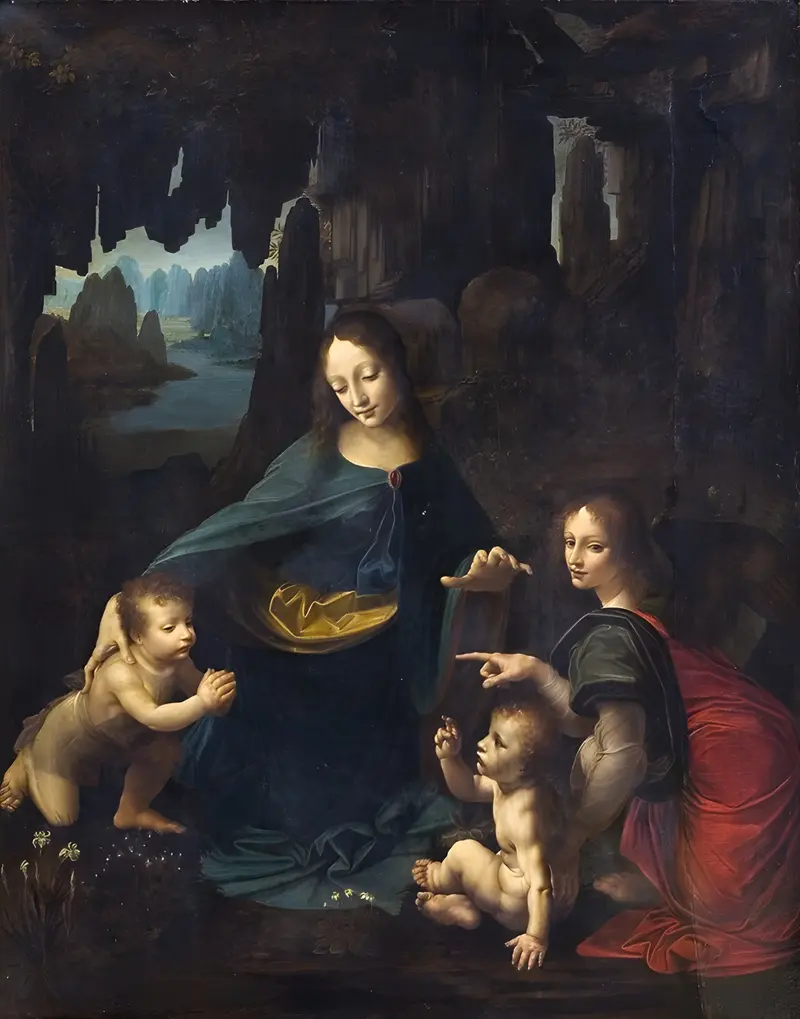
The Virgin of the Rocks
Leonardo da Vinci
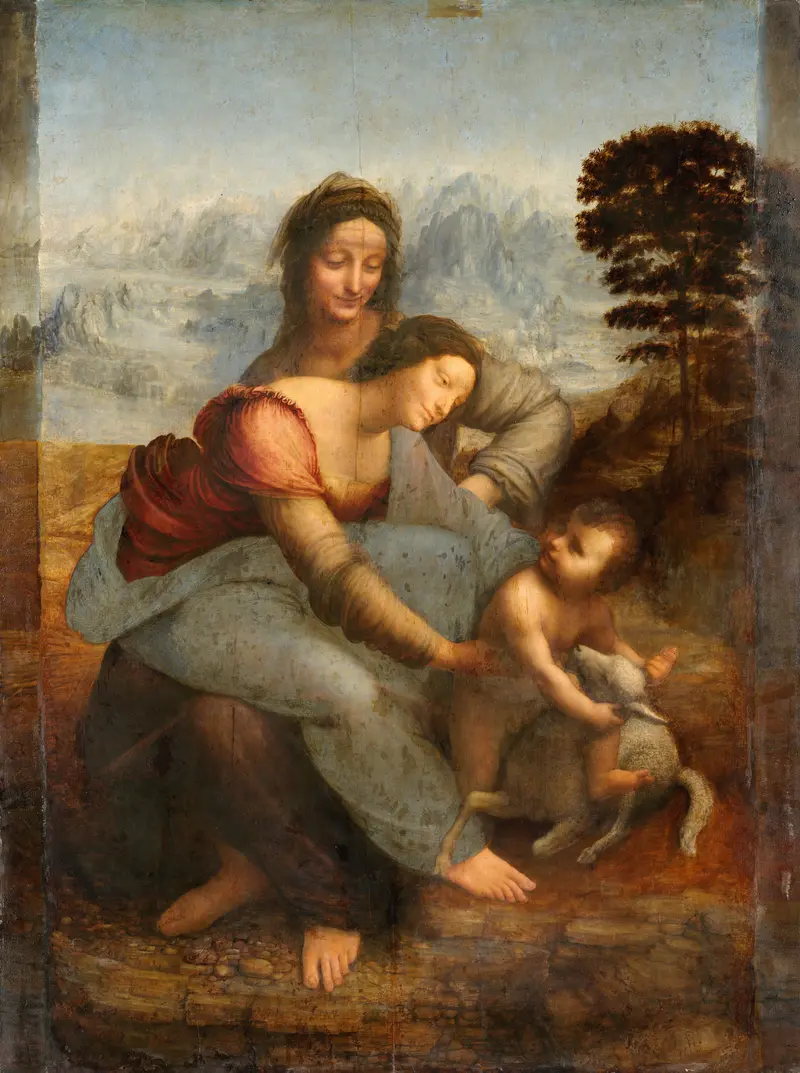
The Virgin and Child with St. Anne
Leonardo da Vinci
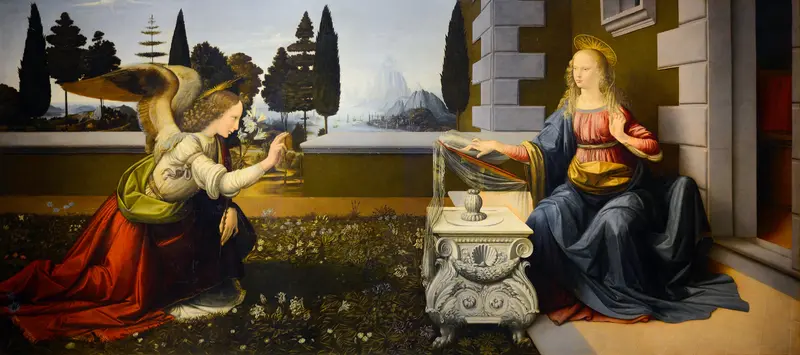
Annunciation
Leonardo da Vinci
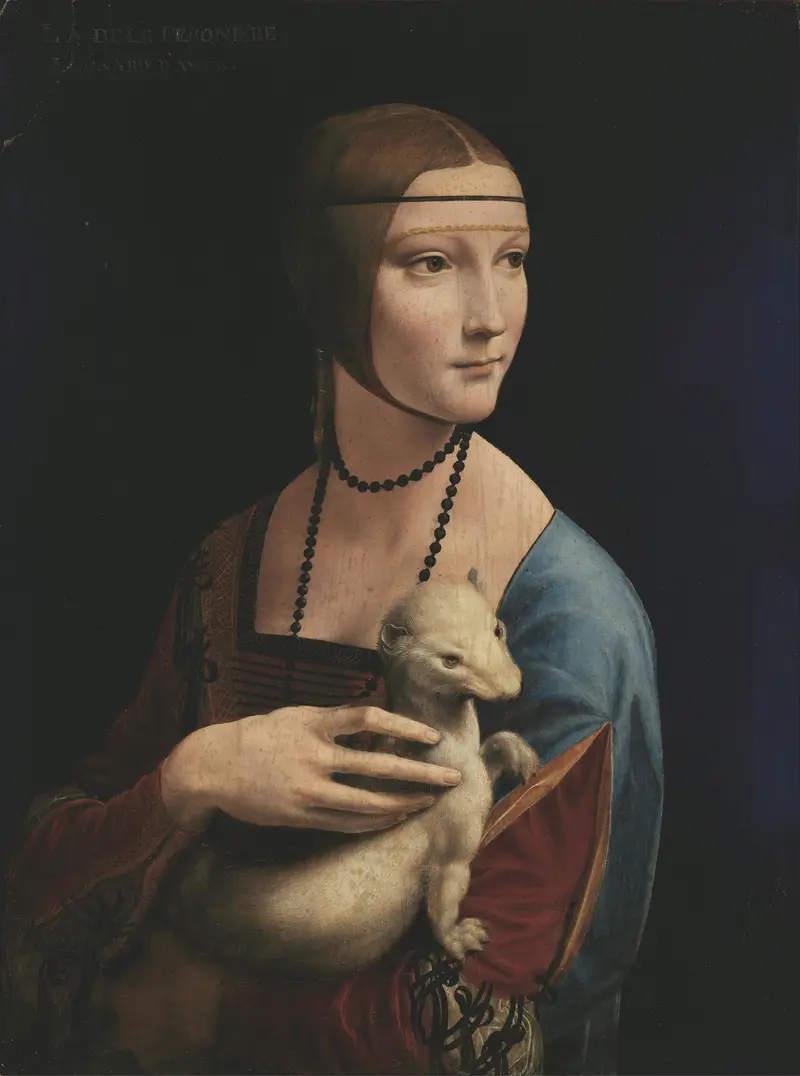
Lady with an Ermine
Leonardo da Vinci
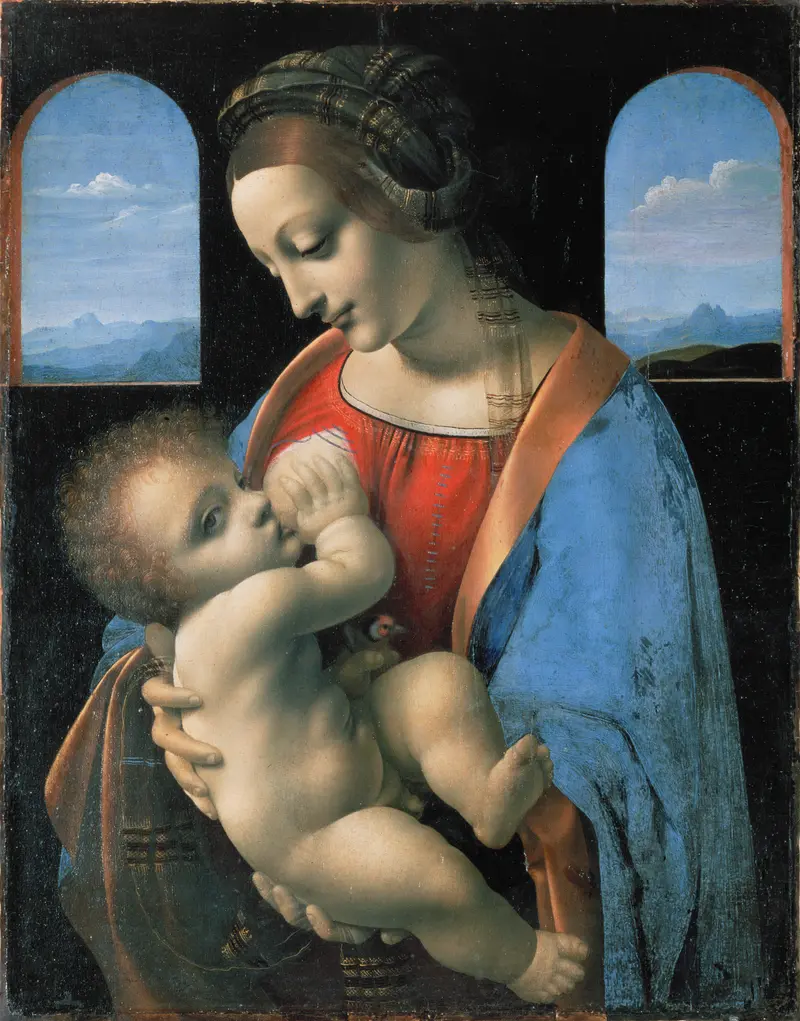
Madonna Litta
Leonardo da Vinci
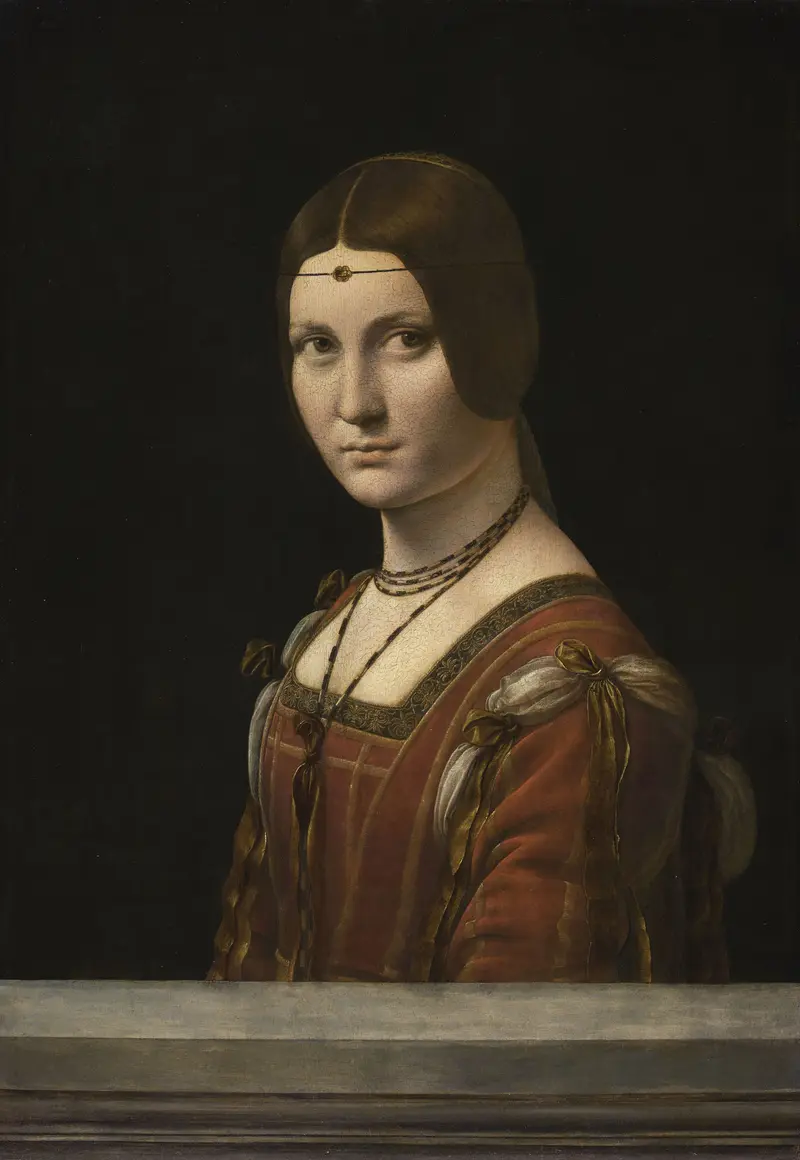
La Belle Ferronnière
Leonardo da Vinci
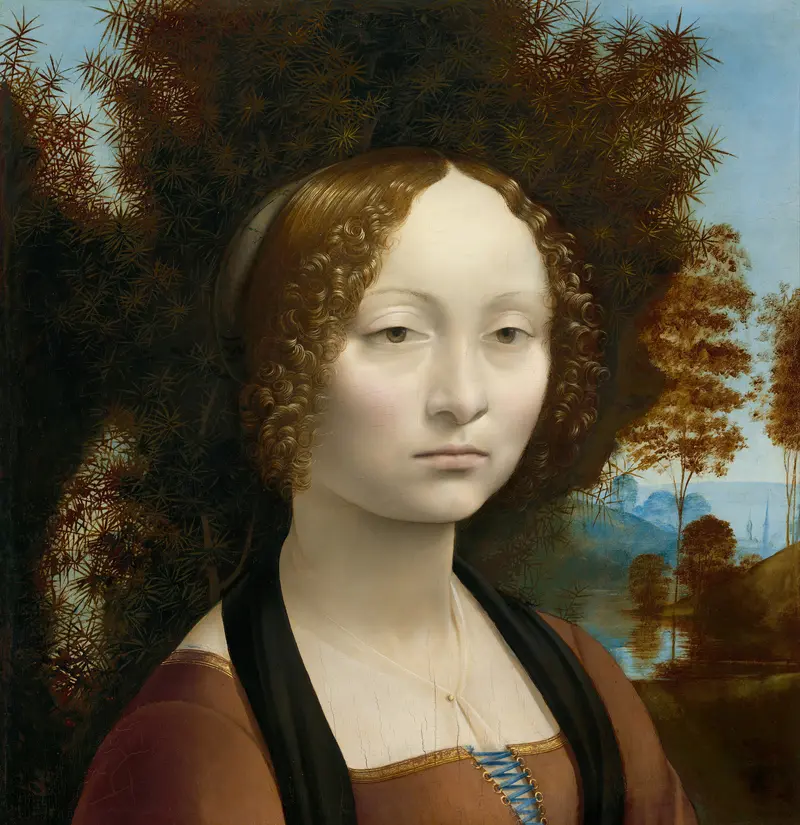
Ginevra de' Benci
Leonardo da Vinci
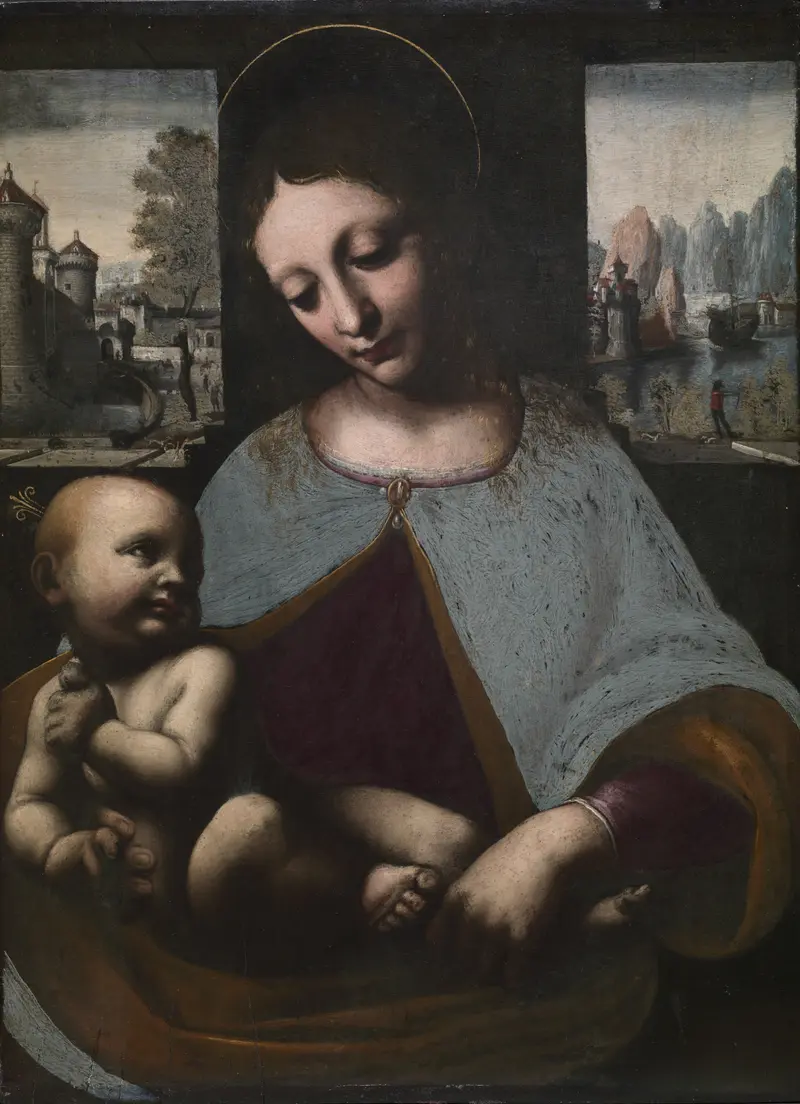
Virgin and Child
Leonardo da Vinci

Head of an Old Man, and Studies of Machinery
Leonardo da Vinci





