
Madonna and Child with the Book — History & Facts
When Raphael painted Madonna and Child with the Book around 1503, he was barely twenty, yet already his works were being compared to those of his teacher, Perugino. What makes this painting especially intriguing is how it marks one of the earliest moments when Raphael began to forge his own artistic identity, departing from his master’s style. Scholars have long debated whether this painting is the very first in which Raphael introduced the motif of the infant Christ interacting with a book, a detail that would become a hallmark in his later depictions of the Madonna.
The painting’s authorship was once questioned, but consensus now firmly attributes it to the young Raphael. The scene captures a quietly intimate moment: the Virgin Mary, seated and serene, gently supports the Christ Child as he gazes intently at a small book she holds open for him. This is no ordinary book—it is a symbol of the Scriptures, foretelling Christ’s destiny and wisdom. The Christ Child’s chubby hand reaches for the pages, suggesting both innocence and divine understanding.
The soft, golden light that bathes the figures creates a sense of warmth and closeness, while the landscape glimpsed through the window recalls the Umbrian hills of Raphael’s youth. Compared to Leonardo da Vinci’s Madonna of the Yarnwinder, where the child’s attention is drawn to a cross-shaped object, Raphael’s choice of the book subtly shifts the focus to learning and prophecy. The early provenance of Madonna and Child with the Book is not fully documented, a common fate for works from this period, but it is believed to have been painted for a private patron in Raphael’s native Urbino. Over the centuries, the painting’s attribution wavered between Perugino and Raphael, until stylistic analysis and technical study confirmed the latter’s hand.
Today, the painting is celebrated as a formative work that foreshadows the grace and clarity of Raphael’s later masterpieces in Florence and Rome. It stands as a testament to his early genius, bridging the gentle lyricism of the Umbrian School and the burgeoning innovations of the High Renaissance.
More Artworks by Raphael

Madonna of the Goldfinch
Raphael

Madonna with the Fish
Raphael
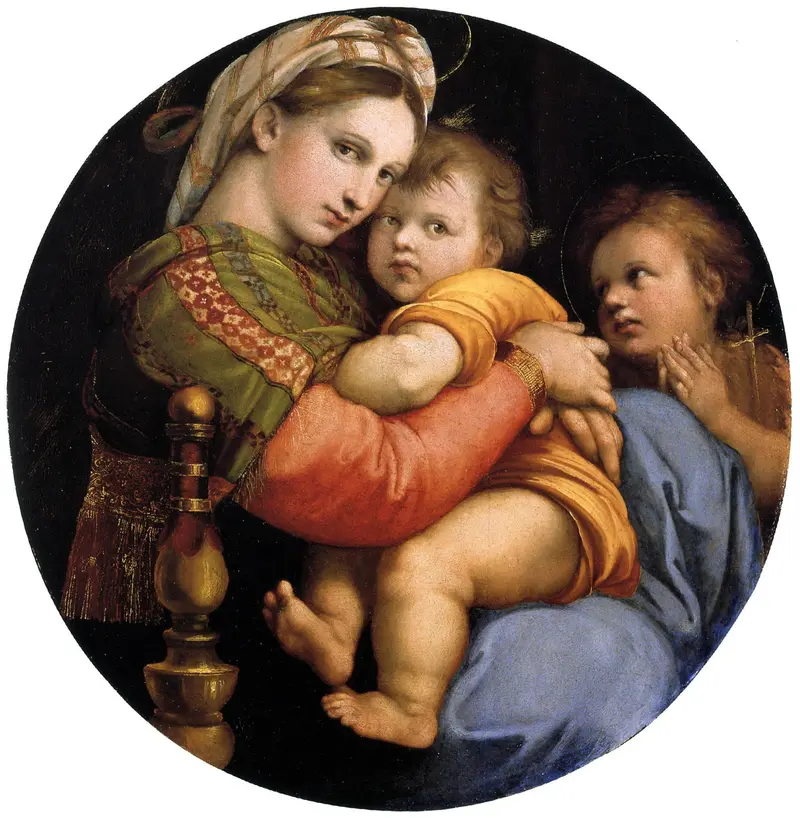
Madonna and Child (Madonna della Seggiola)
Raphael
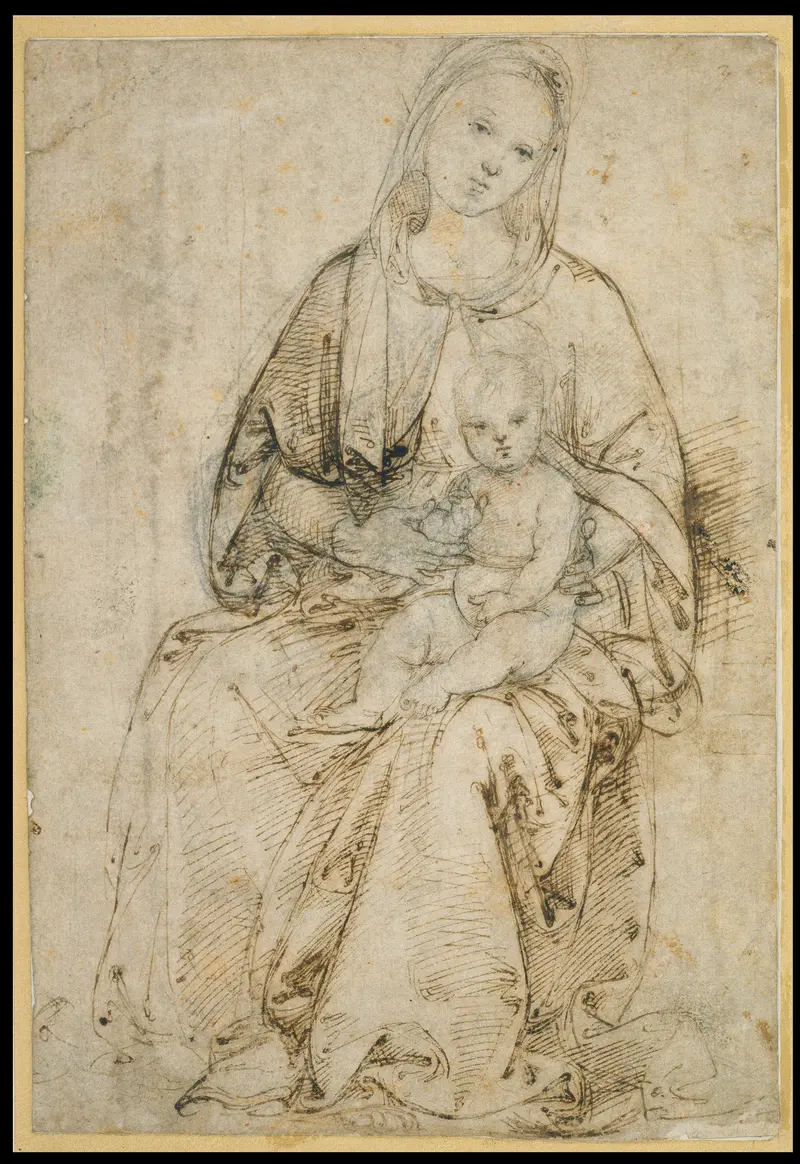
Seated Madonna and Child
Raphael
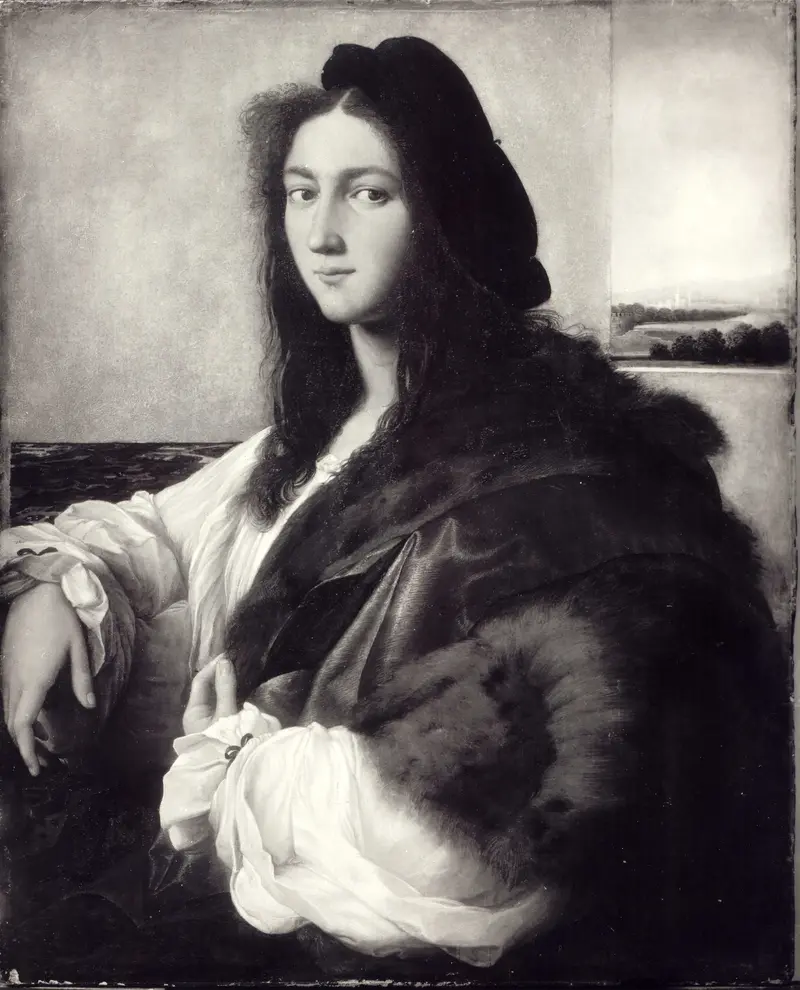
Portrait of a Young Man
Raphael
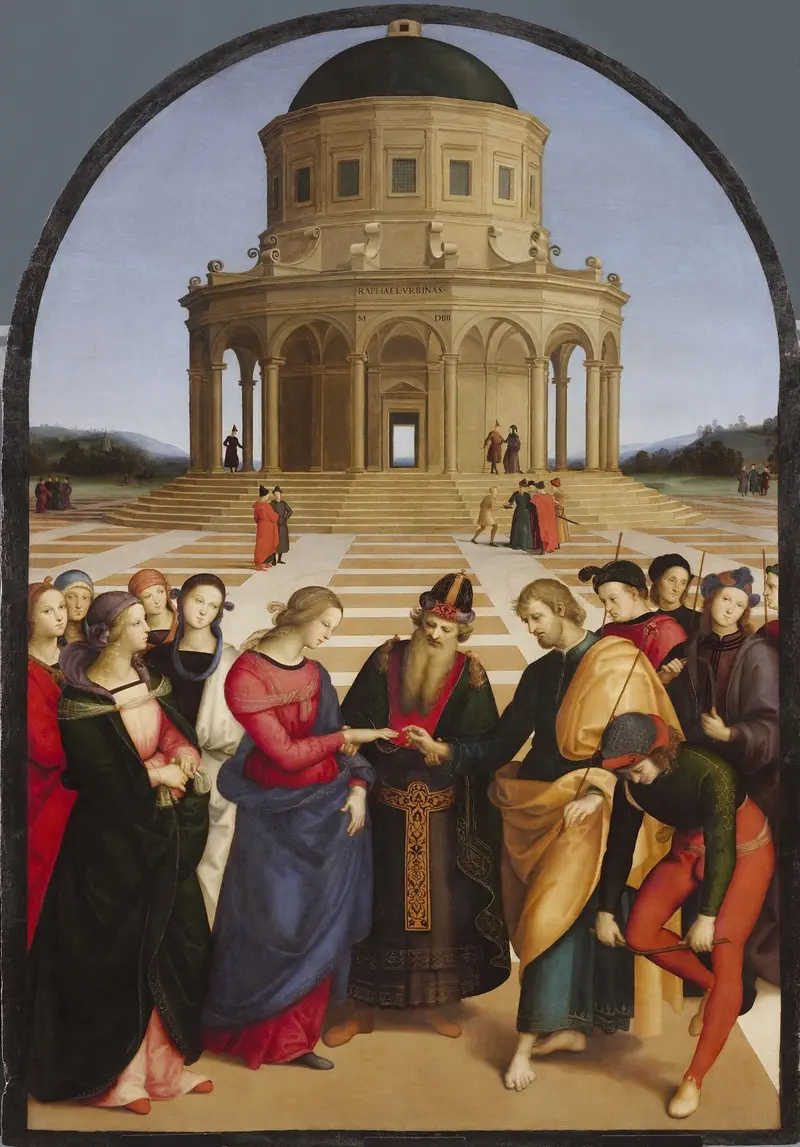
The Marriage of the Virgin
Raphael
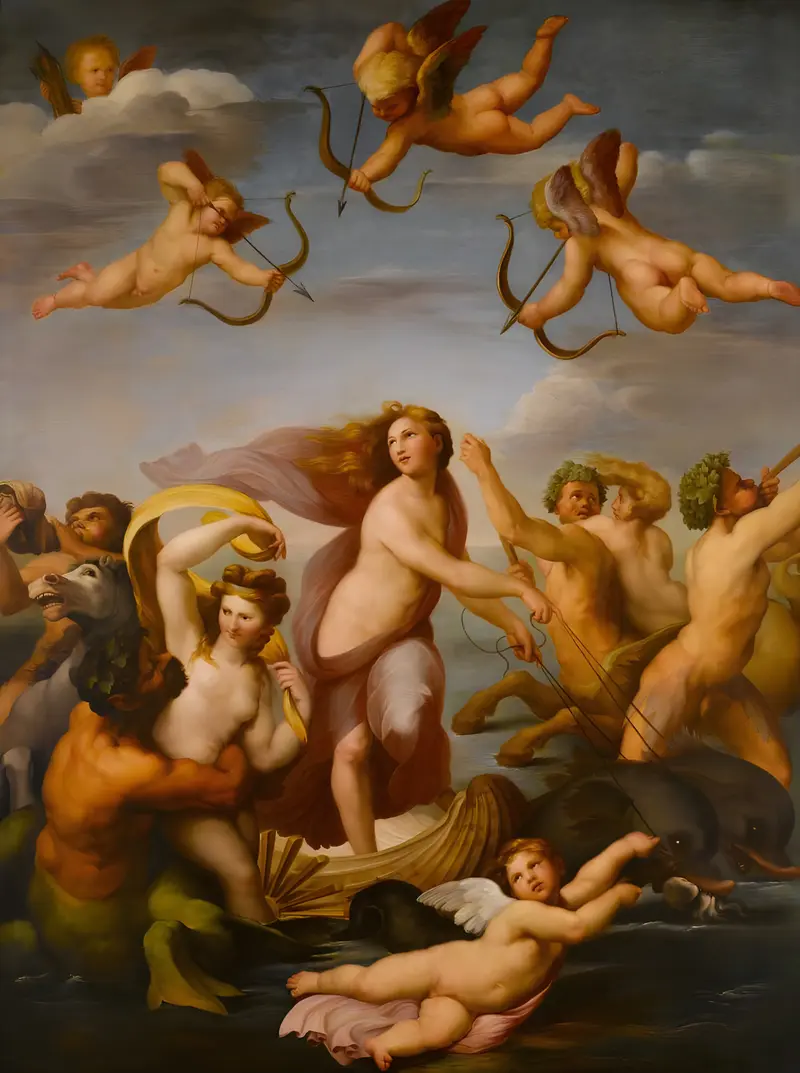
The Triumph of Galatea (copy after Raphael)
Raphael
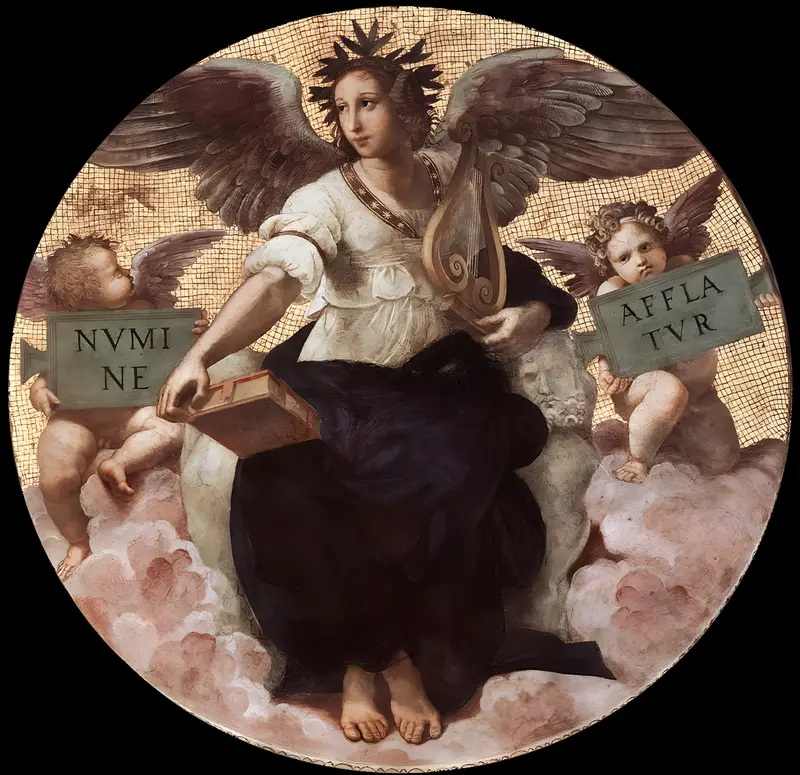
Poetry
Raphael
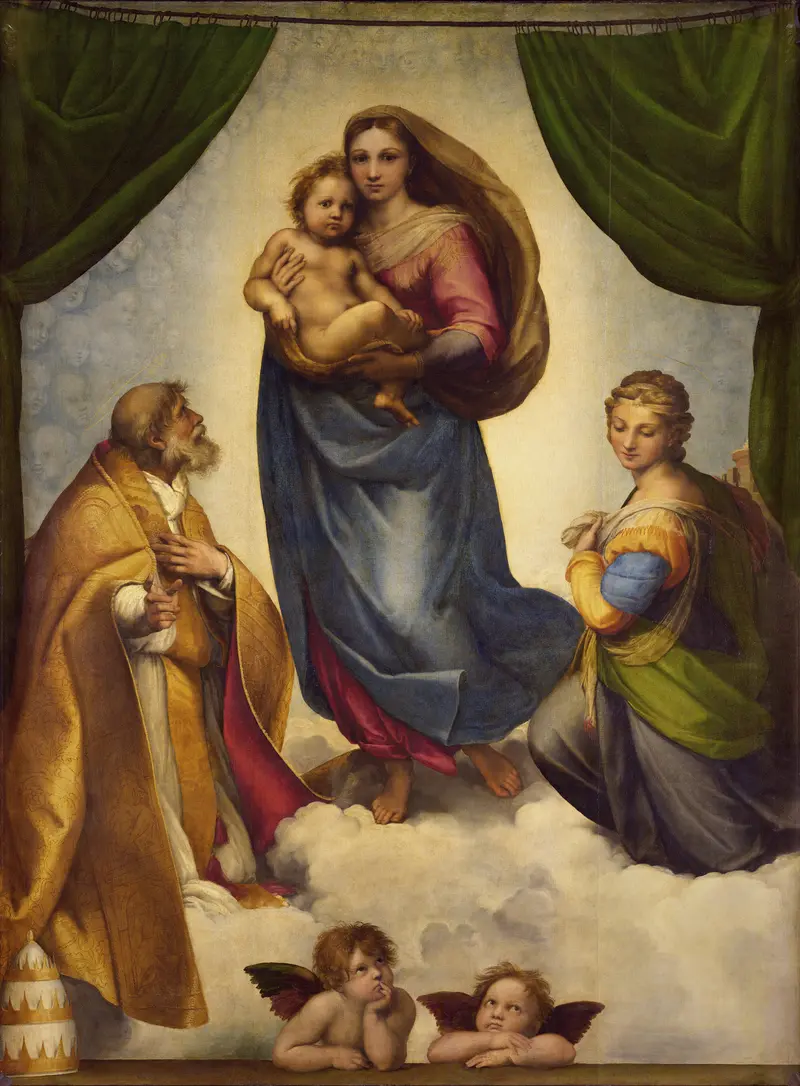
Sistine Madonna
Raphael
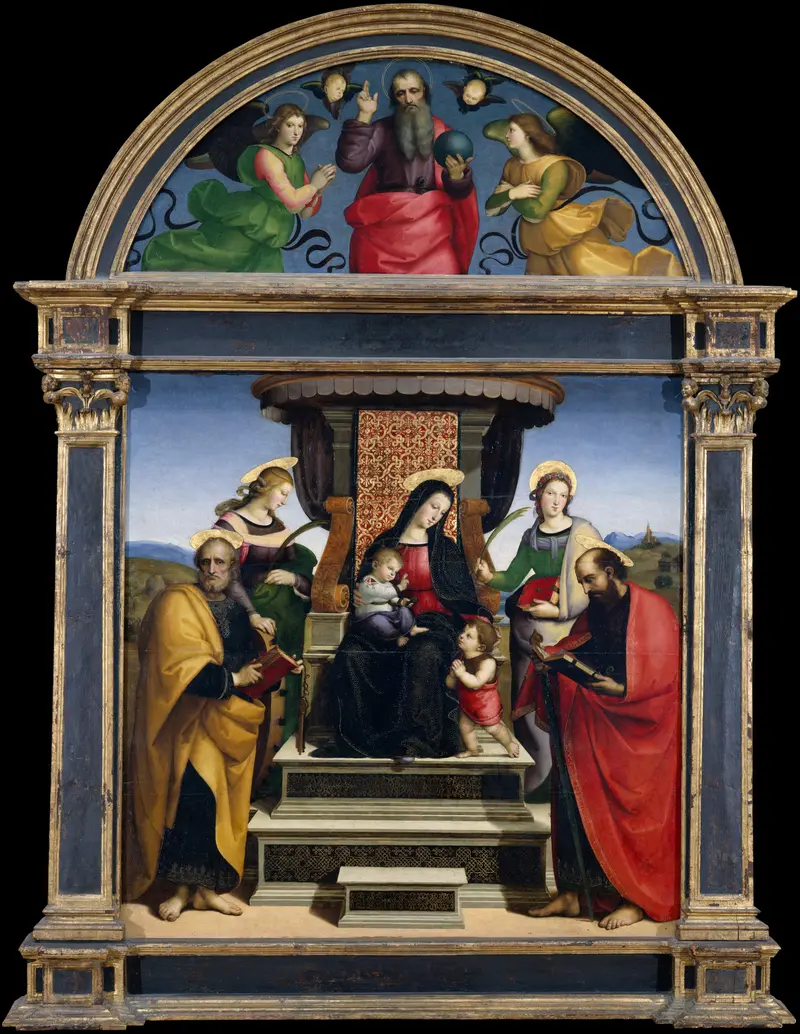
Madonna and Child Enthroned with Saints
Raphael




