
Madonna of the Baldacchino — History & Facts
When Raphael left Florence for Rome in 1508, he abandoned an unfinished altarpiece that would become a puzzle for art historians: Madonna of the Baldacchino. This painting stands as the only large-scale Madonna and Child altarpiece Raphael began in Florence, and its incomplete state has sparked centuries of speculation. Commissioned for the chapel of the Dei family in Florence’s church of Santo Spirito, the work was left behind when Raphael was summoned by Pope Julius II—a turning point that would launch his Roman career.
Later artists, including Fra Bartolommeo, were called upon to finish or restore parts of the painting, blurring the boundaries between Raphael’s hand and others. At the center, the Madonna sits enthroned beneath a grand green and gold baldacchino—a ceremonial canopy—holding the Christ Child, who turns affectionately towards the infant Saint John the Baptist. Saints Peter and Bernard flank the throne, their gestures guiding the viewer’s gaze upward. The lush, symmetrical composition and the rhythmic placement of angels above recall the balance and serenity of Raphael’s Florentine period, while the rich architectural setting signals the influence of his study of Fra Bartolommeo.
Unlike the more intimate Madonna of the Meadow by Raphael, here the sacred figures are elevated and monumental, their presence magnified by the architectural grandeur. After its abandonment, Madonna of the Baldacchino remained in Florence, passing through several hands and enduring interventions by later artists. In the 17th century, it was acquired by the Medici family and installed in the Pitti Palace, where it resides today. The painting’s unfinished lower section and visible changes in execution have made it a touchstone for debates about Raphael’s working methods and the collaborative nature of Renaissance workshops.
As an object, it bridges Raphael’s youthful Florentine experiments and the mature style he would develop in Rome, offering a rare glimpse into a moment of transition for the artist and for Renaissance art itself.
More Artworks by Raphael

Madonna of the Goldfinch
Raphael

Madonna with the Fish
Raphael
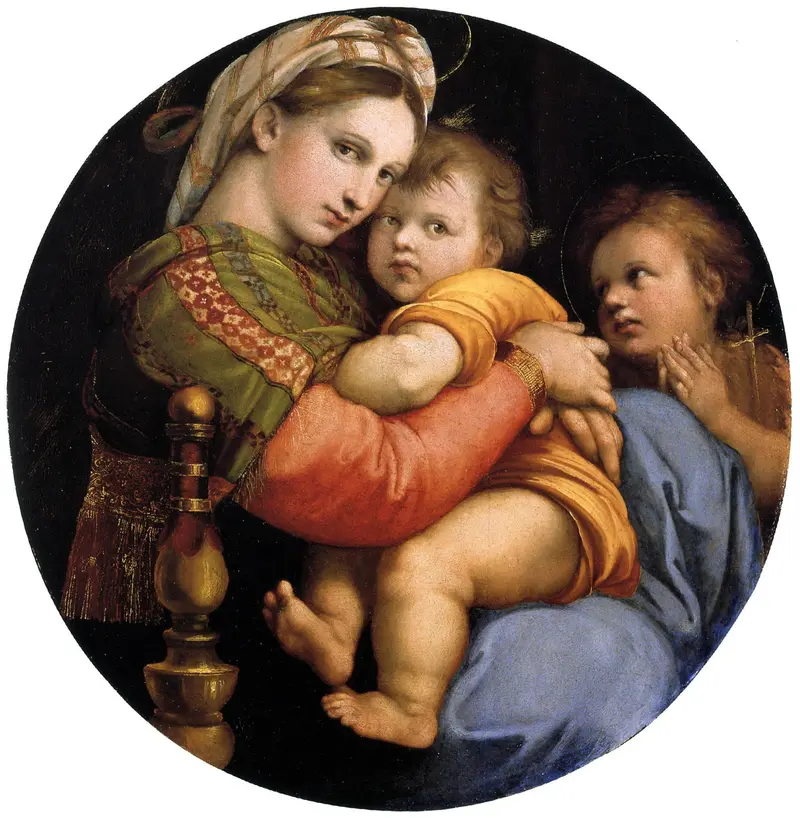
Madonna and Child (Madonna della Seggiola)
Raphael
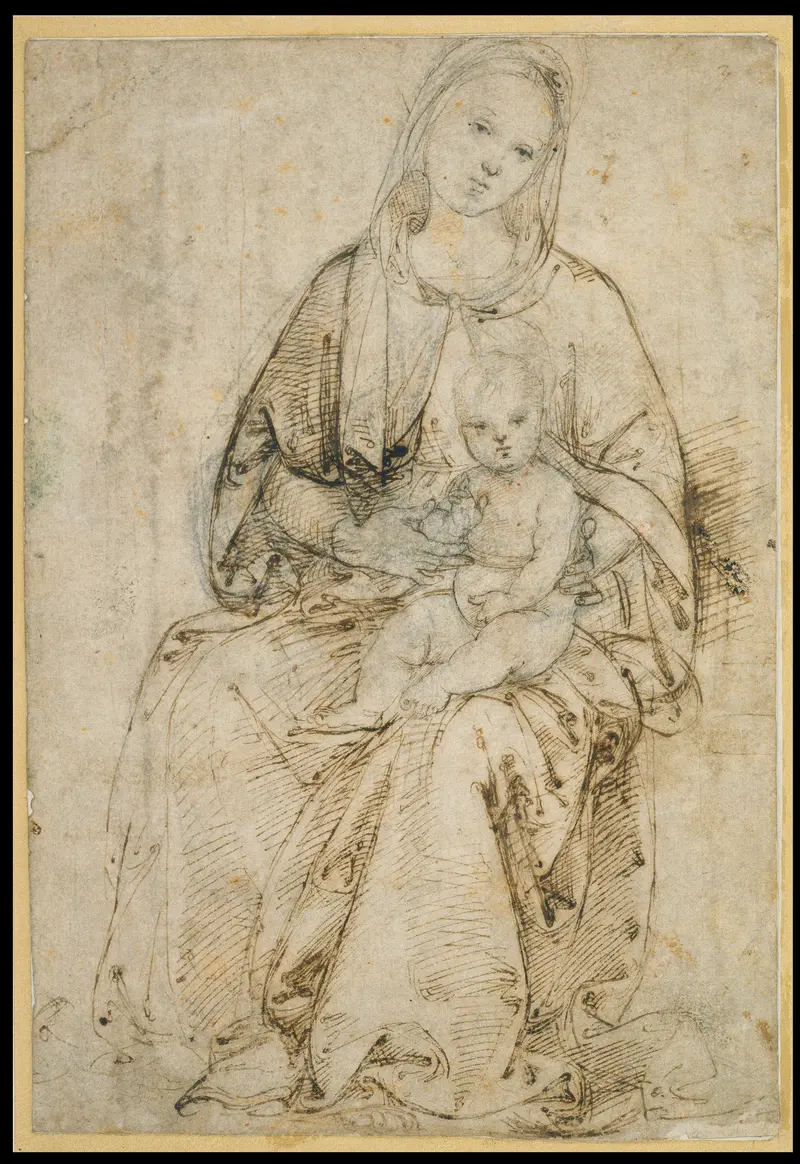
Seated Madonna and Child
Raphael
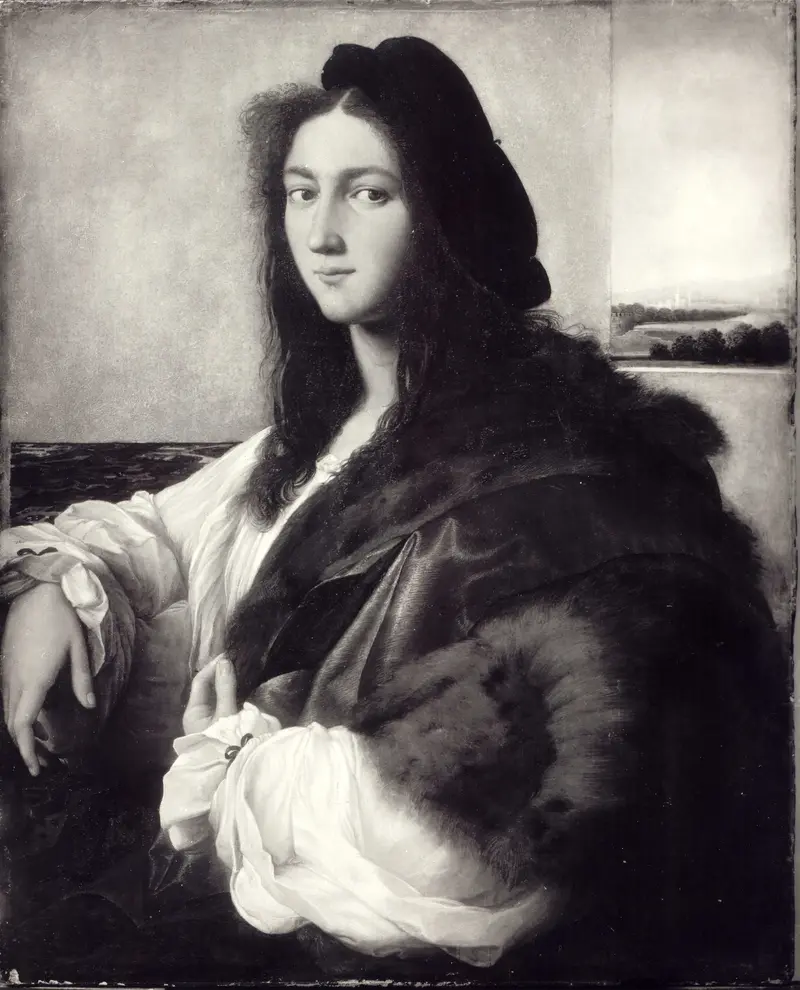
Portrait of a Young Man
Raphael
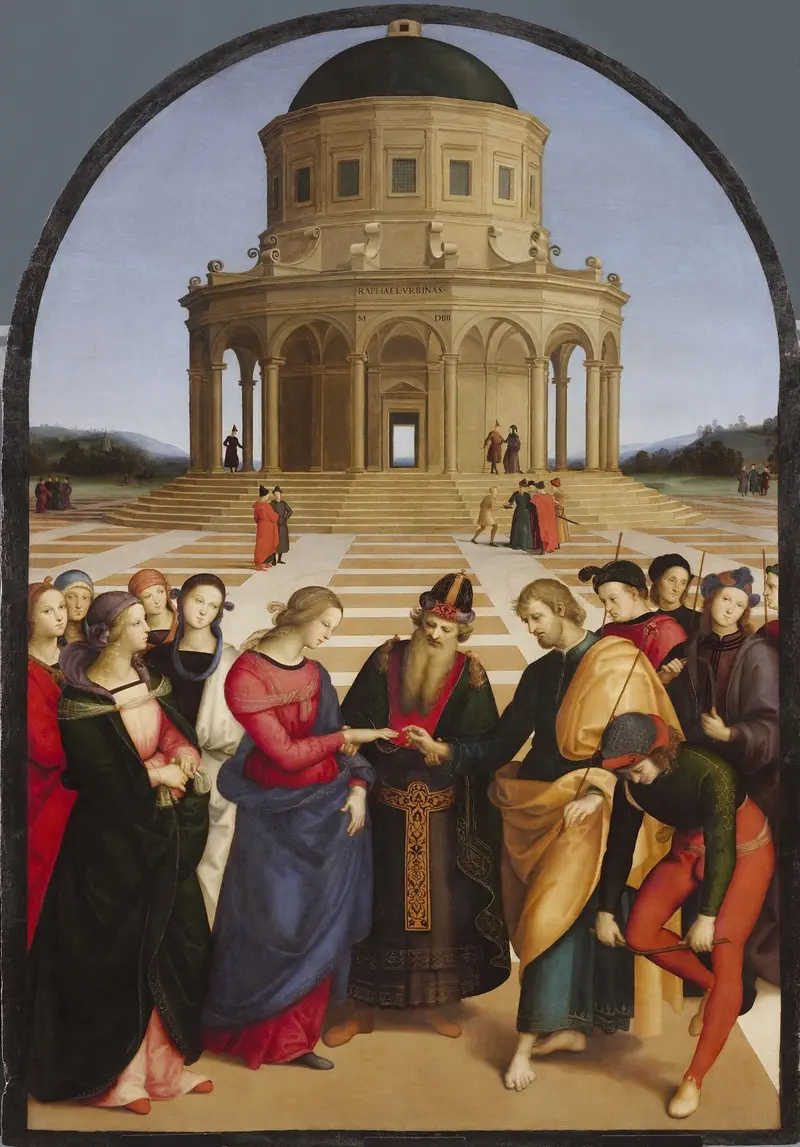
The Marriage of the Virgin
Raphael
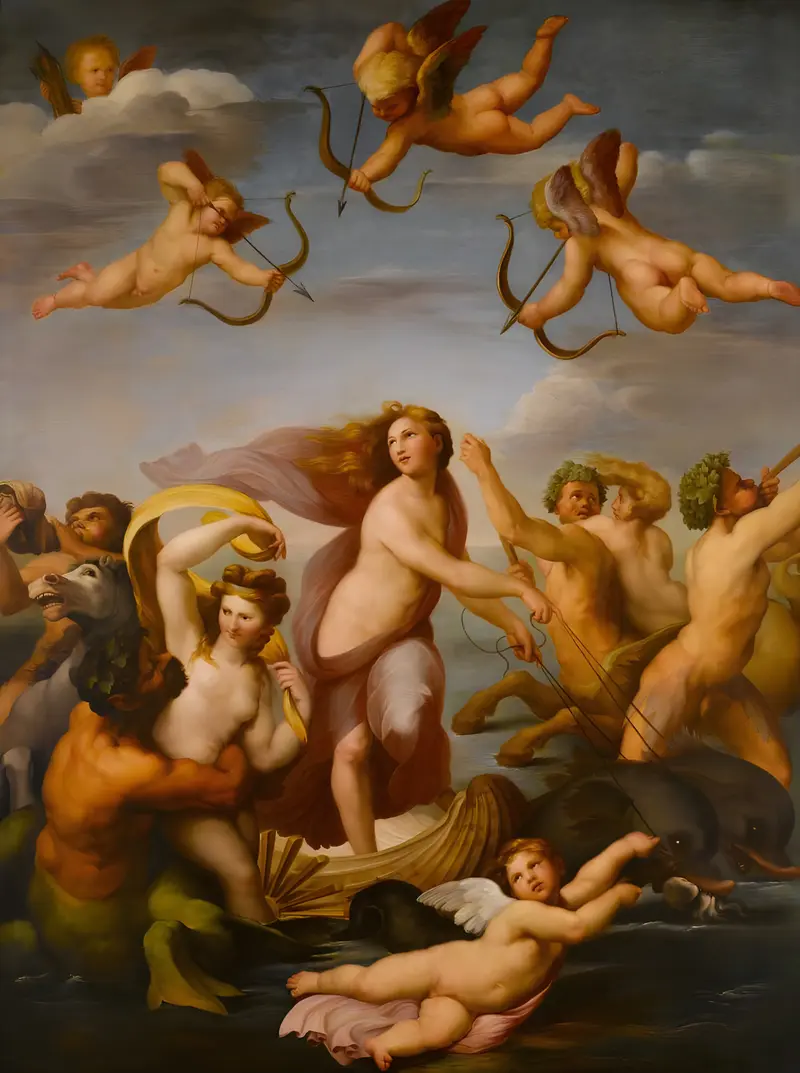
The Triumph of Galatea (copy after Raphael)
Raphael
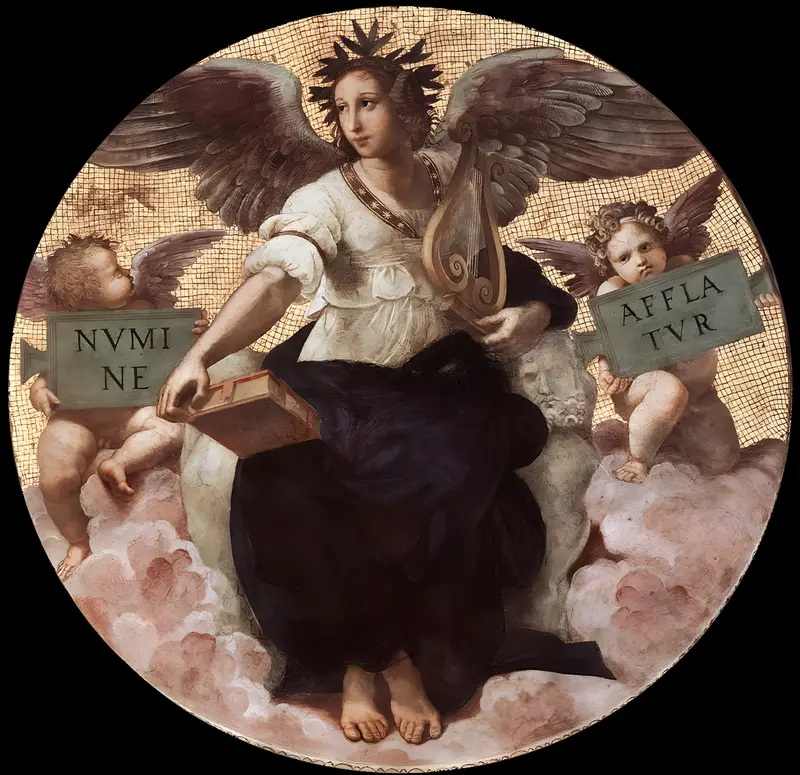
Poetry
Raphael
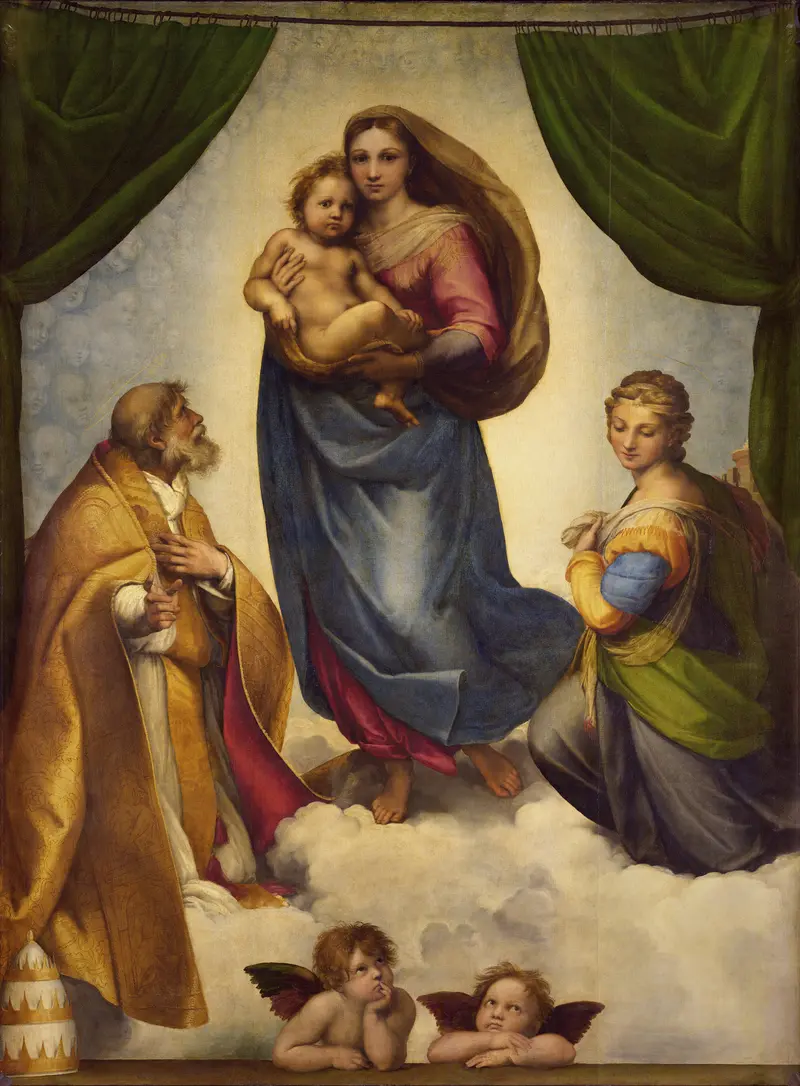
Sistine Madonna
Raphael
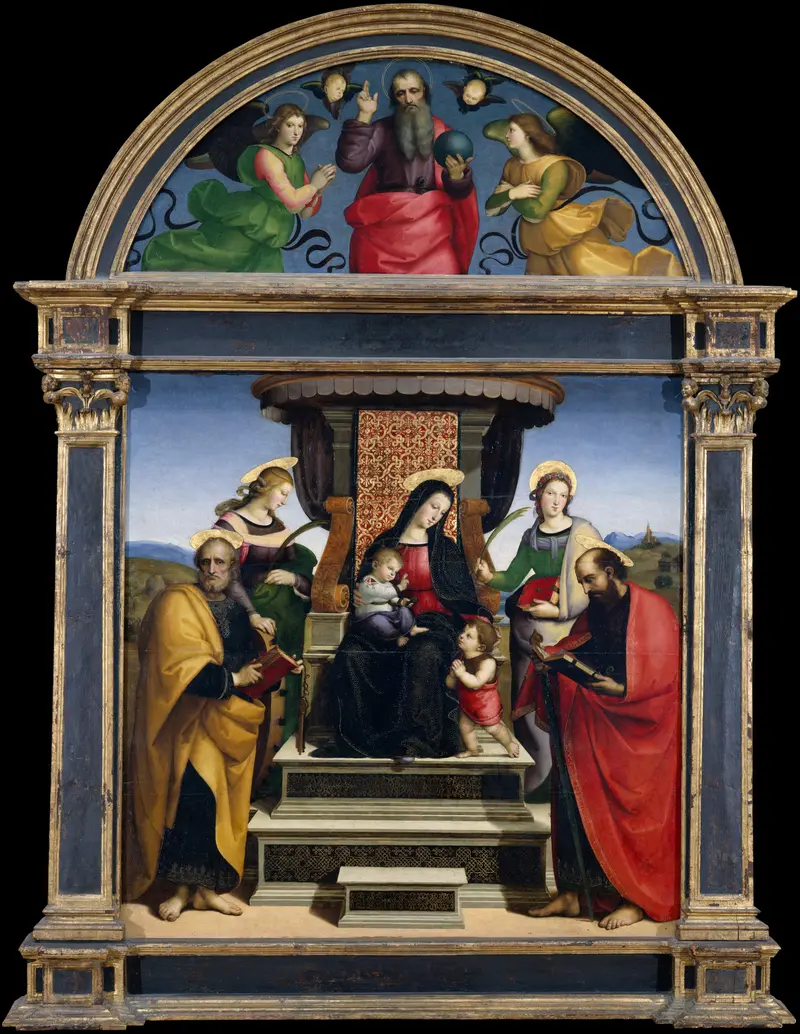
Madonna and Child Enthroned with Saints
Raphael




