
Mariana of Austria, Queen of Spain (1635–1696), regent — History & Facts
In 1655, the Spanish court was abuzz with anticipation as the young queen, Mariana of Austria, prepared to take on the role of regent during her husband Philip IV’s frequent absences. It was at this politically charged moment that Diego Velázquez, court painter and confidant, was tasked with capturing her likeness. The resulting portrait would not only define Mariana’s public image but also serve as a diplomatic tool, sent to foreign courts to announce her authority.
The painting’s creation coincided with a period of dynastic uncertainty, as Spain’s future seemed to rest on Mariana’s slender shoulders. Velázquez chooses to present Mariana at the height of her regal authority, her gaze steady and unsmiling. She is draped in the heavy, formal dress of the Spanish court, her bodice stiff with whalebone and her skirt billowing around her like a fortress. A delicate chain and jeweled cross rest on her chest, signaling both her piety and royal status.
The queen’s right hand holds a lace handkerchief, a subtle nod to her Habsburg lineage, while her left rests on a table, anchoring her presence. The cool, silvery light, so characteristic of Velázquez, isolates Mariana from her surroundings, much as he does with Las Meninas, focusing the viewer on the psychological weight of her role. The painting’s journey is closely tied to the Spanish royal family, remaining in the royal collections for centuries. Its attribution to Velázquez has never been seriously challenged, though scholars note the possible hand of his workshop in some secondary details.
Today, Mariana of Austria, Queen of Spain (1635–1696), regent stands as a testament to Velázquez’s late style, marked by a restrained palette and psychological depth. It hangs in the Museo del Prado, a reminder of the painter’s unparalleled ability to capture both the grandeur and the burdens of monarchy.
More Artworks by Diego Velázquez

Las Meninas
Diego Velázquez
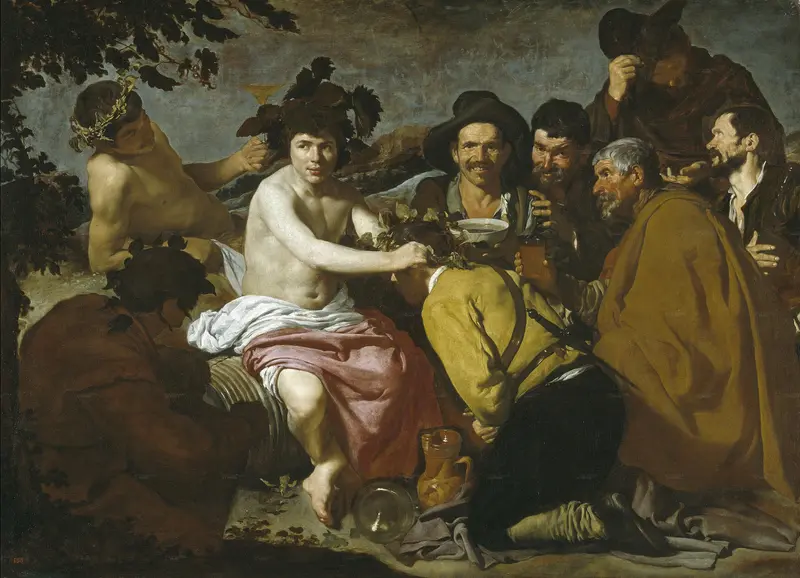
The Triumph of Bacchus
Diego Velázquez
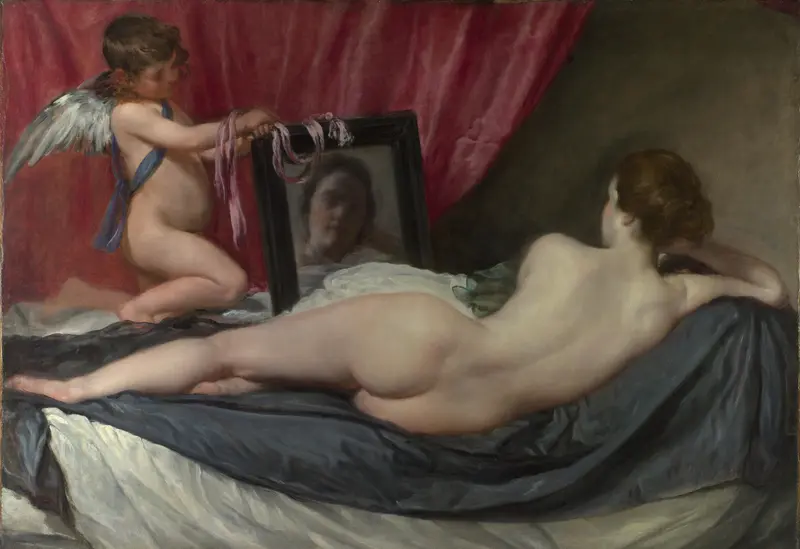
Rokeby Venus
Diego Velázquez
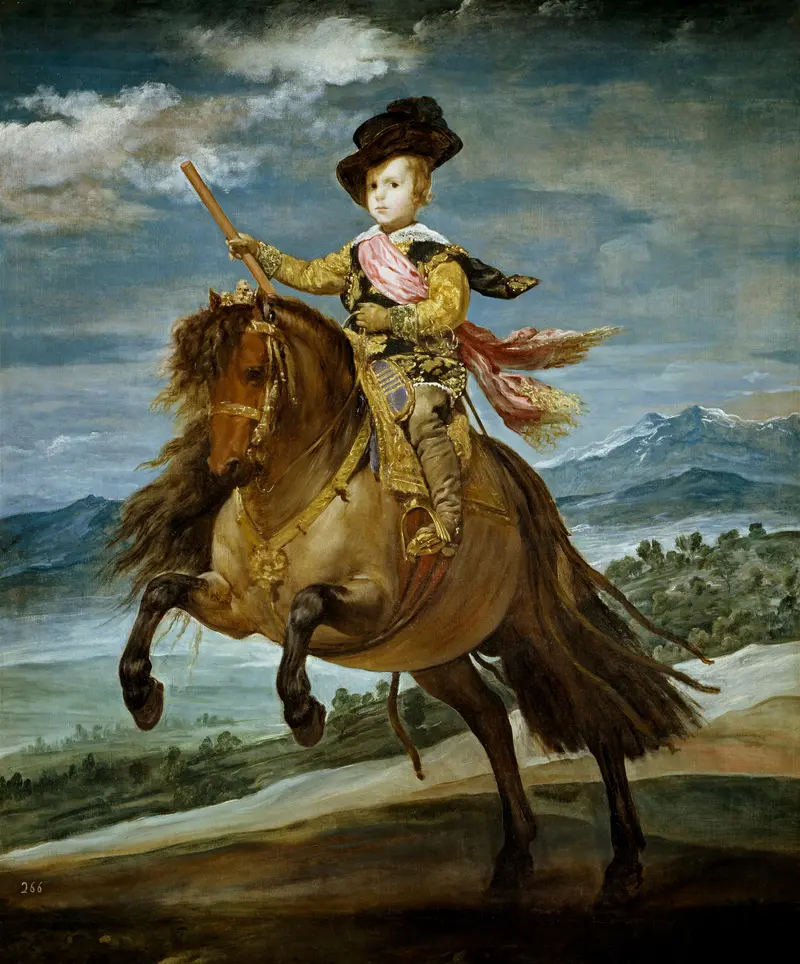
Equestrian Portrait of Prince Balthasar Charles
Diego Velázquez
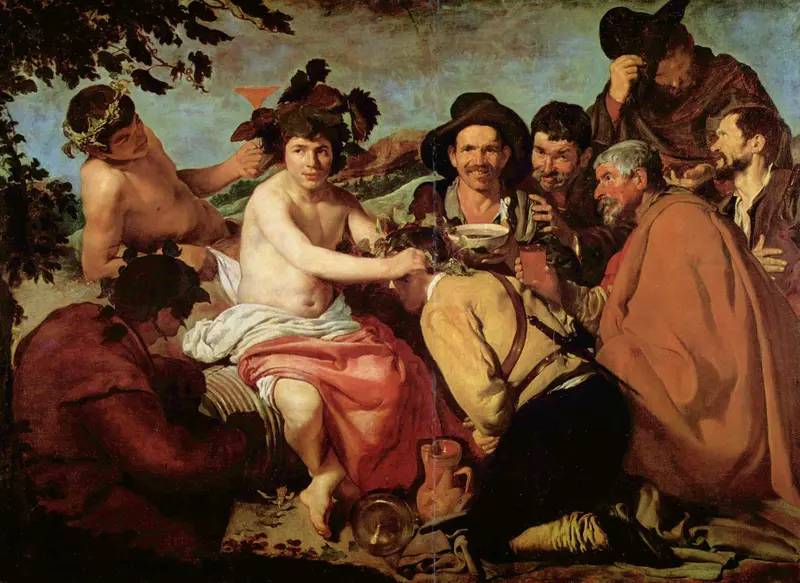
Bacchus
Diego Velázquez
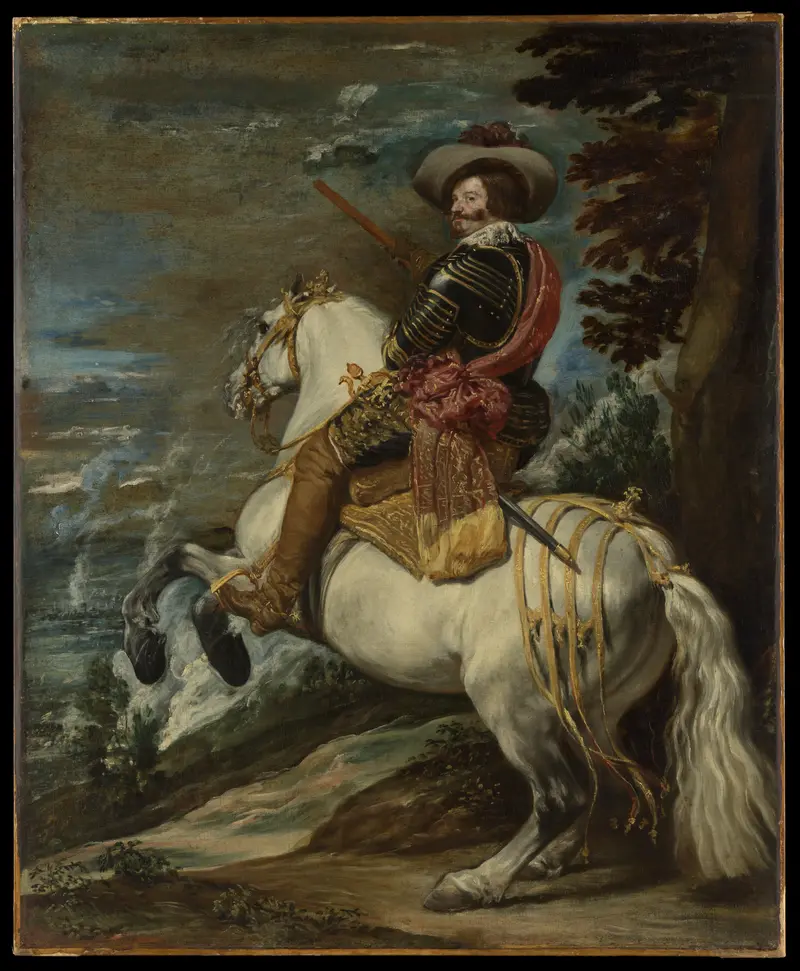
Don Gaspar de Guzmán (1587–1645), Count-Duke of Olivares
Diego Velázquez
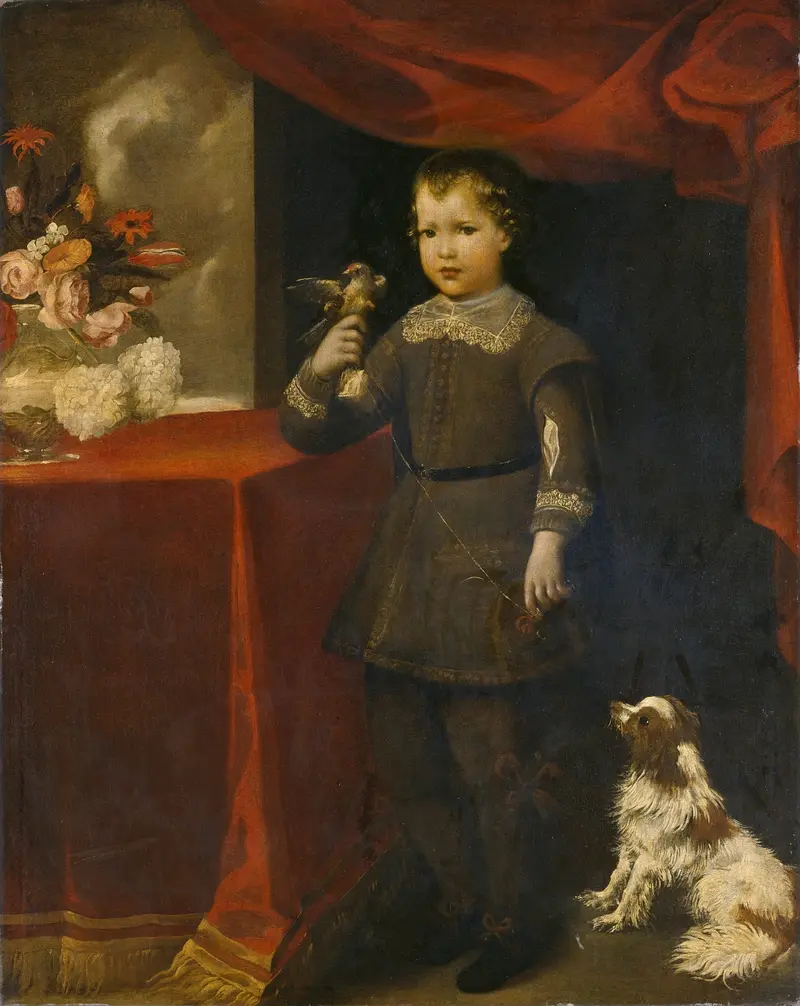
El príncipe Baltasar Carlos de Austria
Diego Velázquez
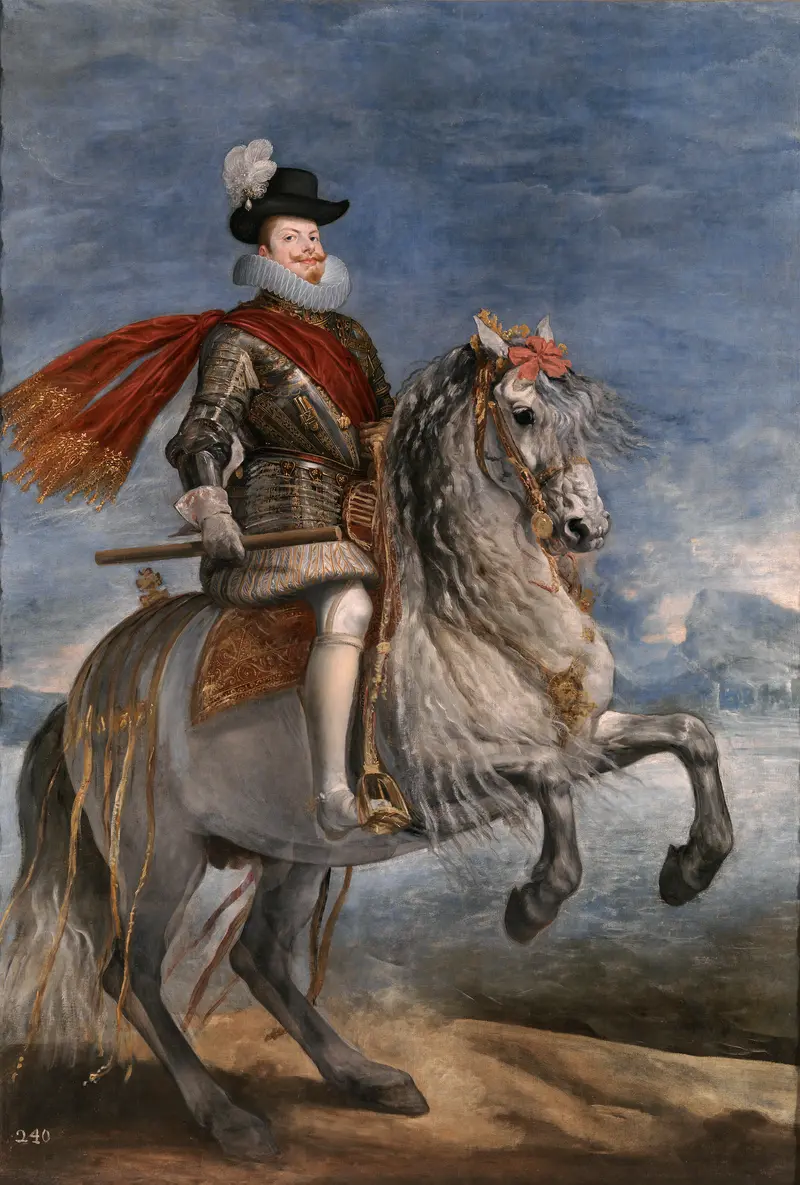
Equestrian Portrait of Philip III
Diego Velázquez
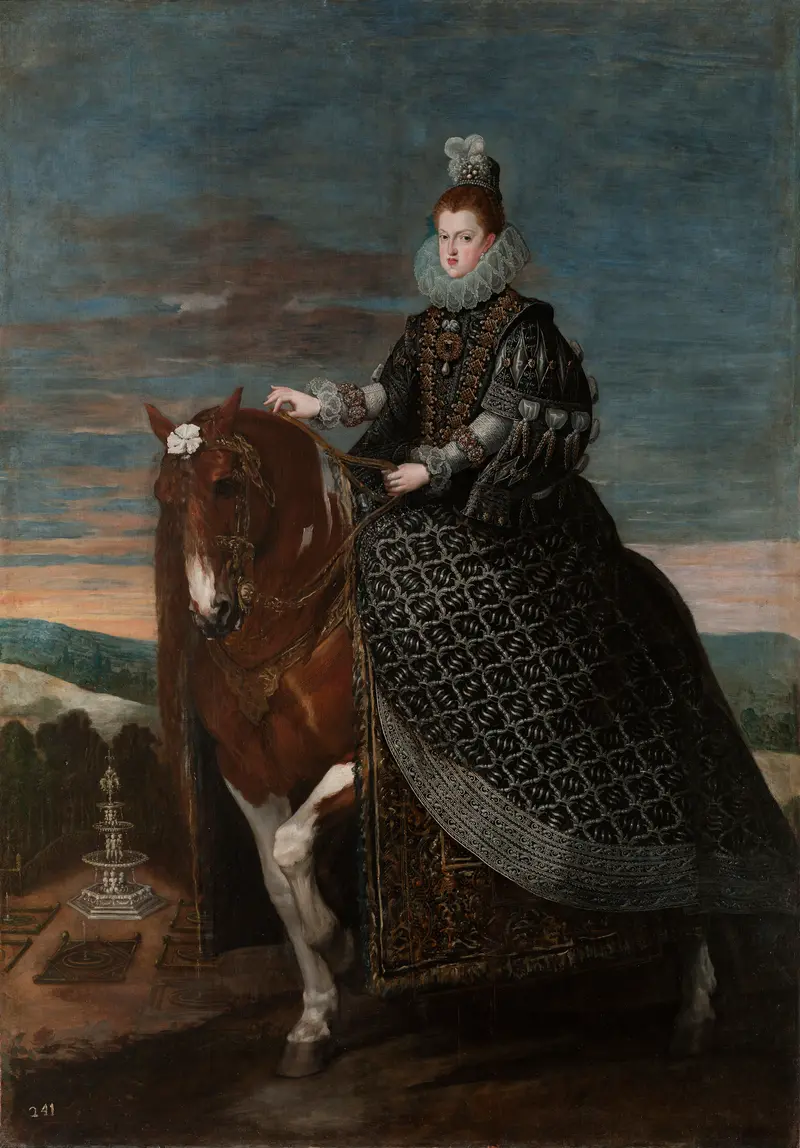
Equestrian Portrait of Margarita of Austria
Diego Velázquez
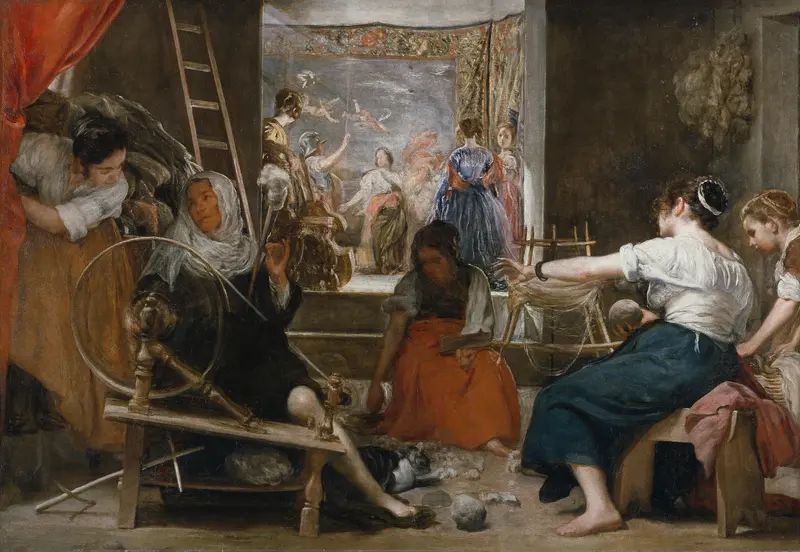
Las Hilanderas
Diego Velázquez




