
Mater dolorosa, Copy after Ribera — History & Facts
Few viewers realize that this somber Mater dolorosa is the work of Théodore Géricault, who was just twenty years old when he painted it in 1811. Even more intriguing, this canvas is not an original invention but a direct copy after a composition by Jusepe de Ribera, the Spanish master famed for his raw, emotional realism. At the time, copying Old Masters was an essential rite of passage for ambitious young artists, and Géricault—who would later shake the art world with The Raft of the Medusa—chose Ribera’s sorrowful Madonna as his model. The painting captures the Virgin Mary at the height of her grief, her eyes cast upward, lips parted as if caught in a silent cry.
Her hands are pressed to her breast, fingers tense, while the deep shadows and stark light carve her face with the same unflinching honesty that Ribera brought to his saints and martyrs. The blue mantle and white veil are traditional symbols of purity and mourning, but Géricault’s brushwork, even in this early copy, hints at the restless energy that would define his later work. Unlike the serene suffering found in Murillo’s Madonnas, this Mater dolorosa is raw, almost defiant in its pain. The exact provenance of this painting remains unclear, as is often the case with student copies from this period.
It was likely made during Géricault’s formative years at the Louvre, where he studied the works of the Spanish and Italian Baroque masters. While the original by Ribera is celebrated for its visceral realism, Géricault’s version stands as a testament to his early fascination with intense emotion and dramatic light. Today, the painting is valued not just as a devotional image, but as a rare glimpse into the education and influences of one of Romanticism’s most restless spirits.
More Artworks by Théodore Géricault
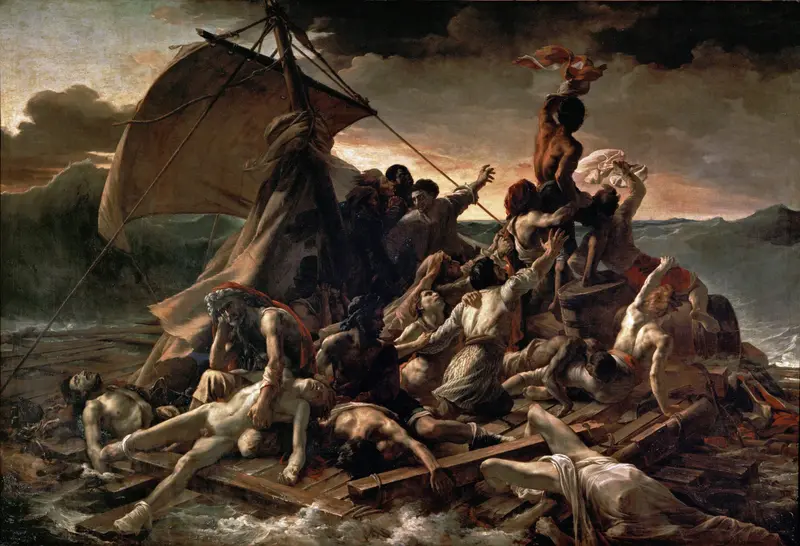
The Raft of the Medusa
Théodore Géricault

Géricault - Le naufrage du radeau de la Méduse, MBA 790
Théodore Géricault
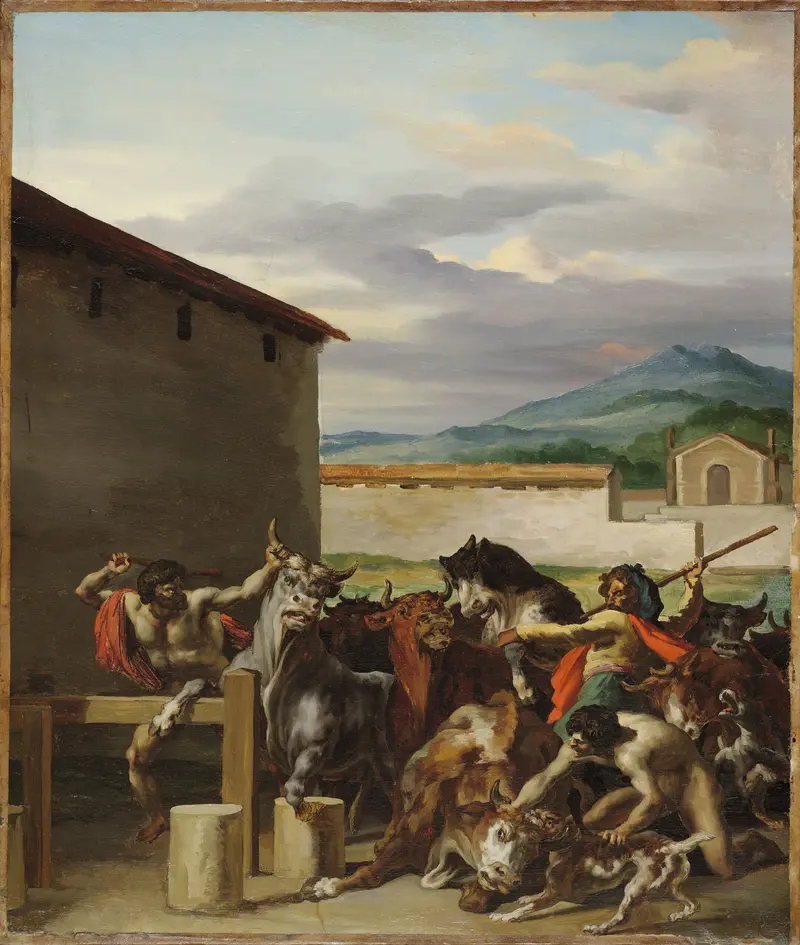
Cattle Market
Théodore Géricault
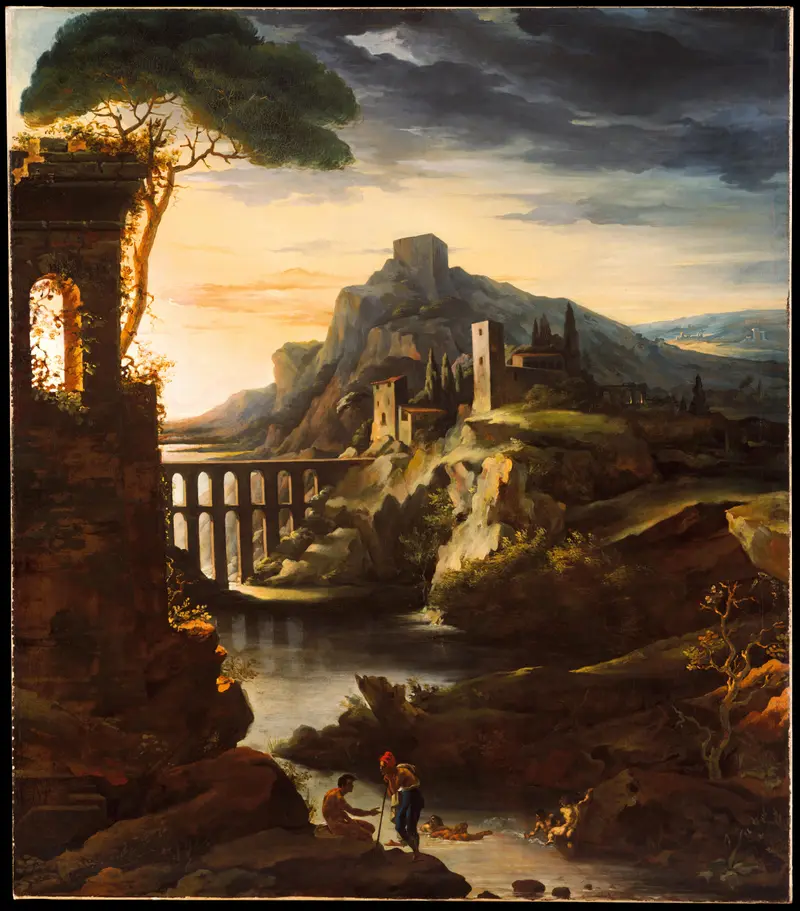
Evening; Landscape with an Aqueduct
Théodore Géricault
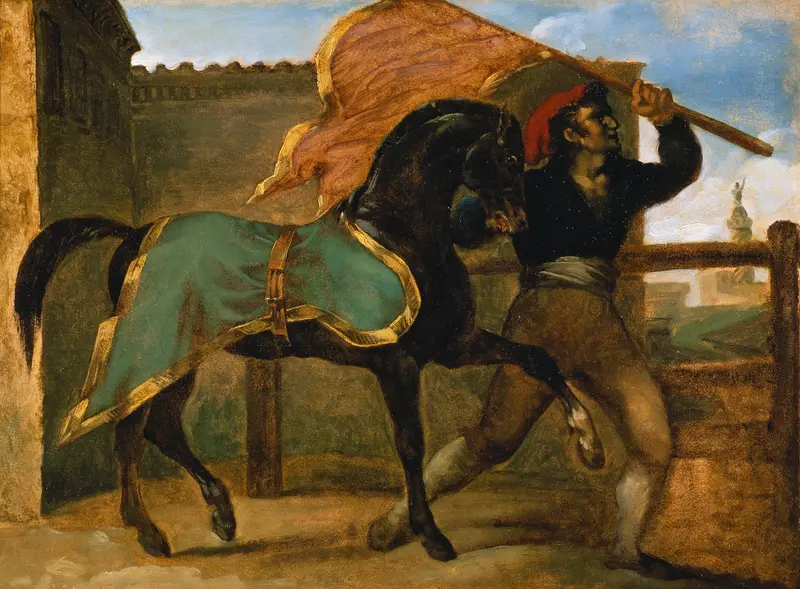
Horse Race
Théodore Géricault

Horses Standing in a Mews
Théodore Géricault
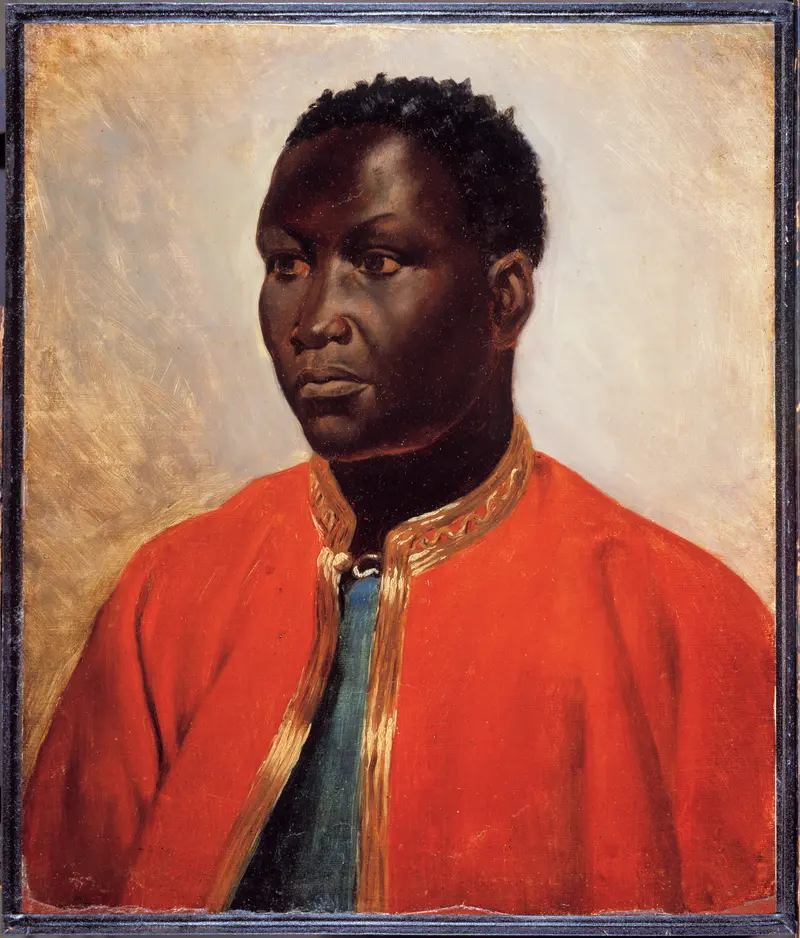
Portrait of a Negro
Théodore Géricault
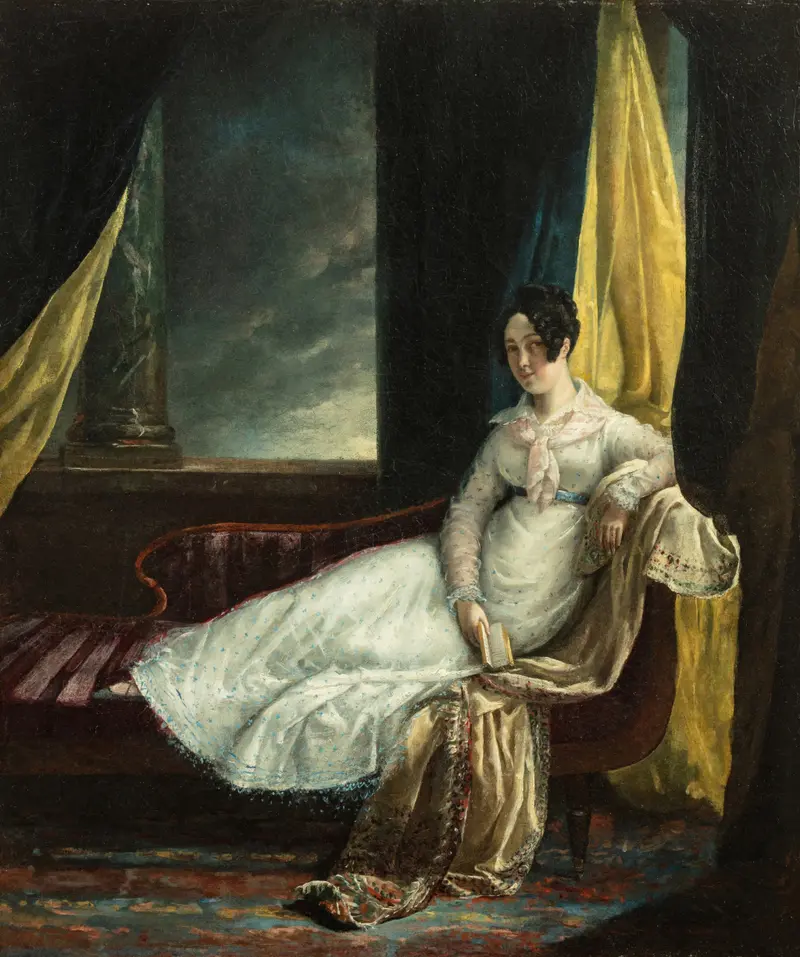
Portrait of Zoë Elmore
Théodore Géricault
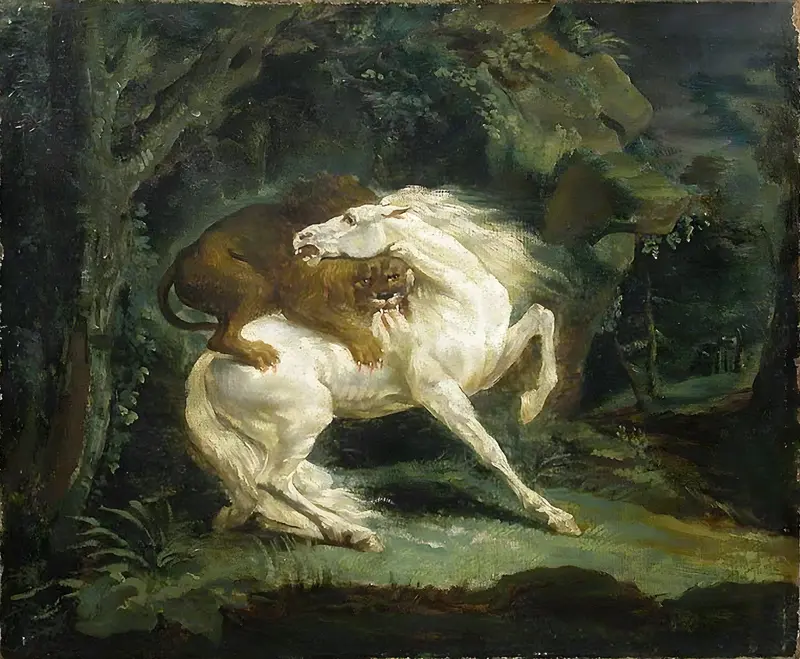
Cheval attaqué par un lion
Théodore Géricault
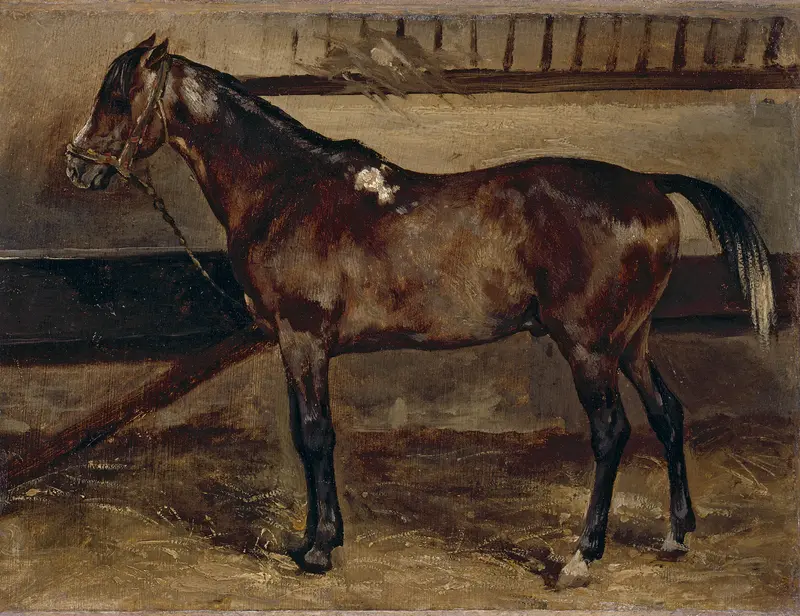
Cheval brun à l'écurie
Théodore Géricault





