
Old Woman — History & Facts
No other painting by Abraham Bloemaert has sparked as much speculation as Old Woman. The sitter’s identity remains a mystery, and the absence of a date or signature has led to lively debate among scholars about when in the artist’s long career this work was created. Some have even wondered whether this is a portrait or an allegorical figure, given Bloemaert’s fondness for blending genre and symbolism.
The painting stands out in his oeuvre for its unflinching realism, which contrasts with the more idealized figures of his religious and mythological scenes. The woman sits alone, her face lined with age, her gaze direct and unembellished. Bloemaert captures the moment with a keen eye for detail: the roughness of her skin, the simple folds of her clothing, and the way her hands rest quietly in her lap. There is no obvious narrative, yet every wrinkle and shadow speaks of a life lived.
The artist’s use of light isolates her from the background, drawing attention to her humanity rather than her social status. Unlike the idealized old women of Rembrandt or the moralizing crones of Quentin Massys, Bloemaert’s subject is neither a type nor a warning, but an individual. Little is known about the painting’s early history, and no record survives of its original patron or location. Works like Old Woman were popular among collectors in the Dutch Republic, who prized images of everyday life and character studies.
The painting’s attribution to Abraham Bloemaert has been generally accepted, thanks to stylistic similarities with his signed works from the early 17th century. Today, Old Woman is recognized as a rare and intimate example of Bloemaert’s approach to portraiture, offering a window into both the sitter’s world and the artist’s evolving style.
More Artworks by Abraham Bloemaert

Adam and Eve
Abraham Bloemaert
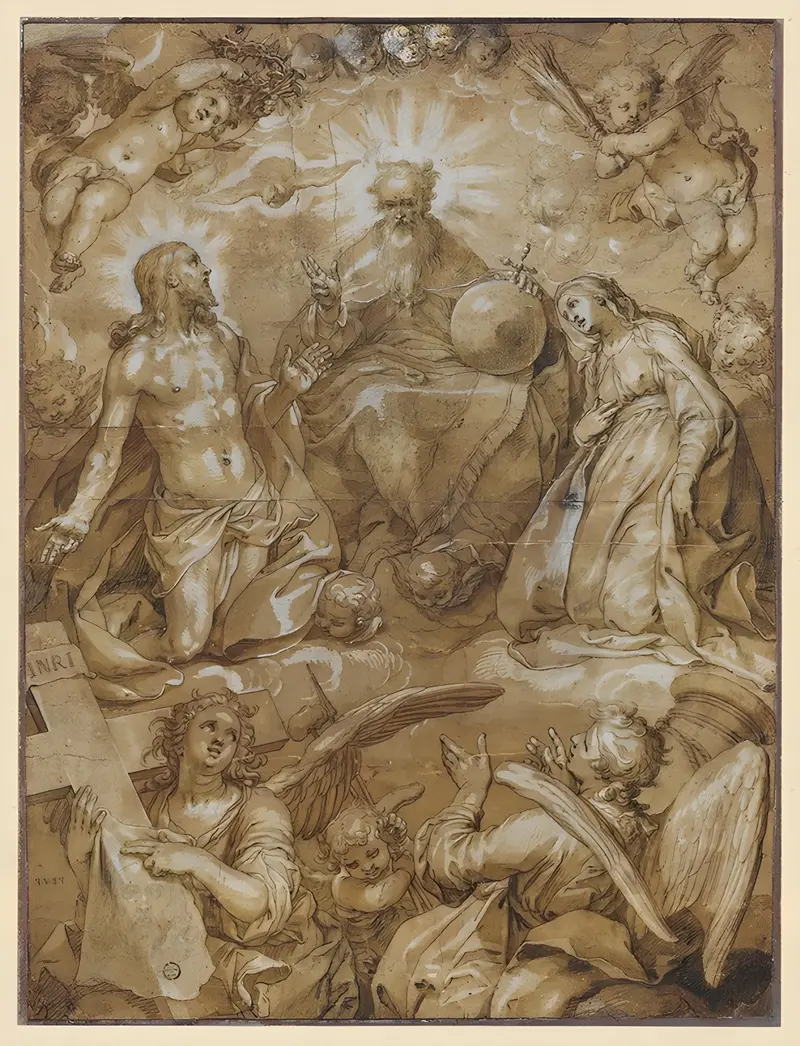
Intercession of Christ and Mary before God the Father
Abraham Bloemaert
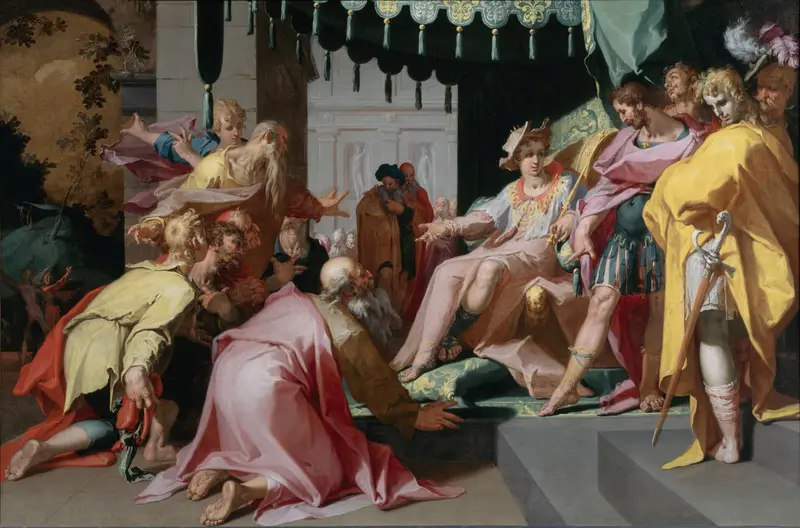
Joseph and his Brothers
Abraham Bloemaert
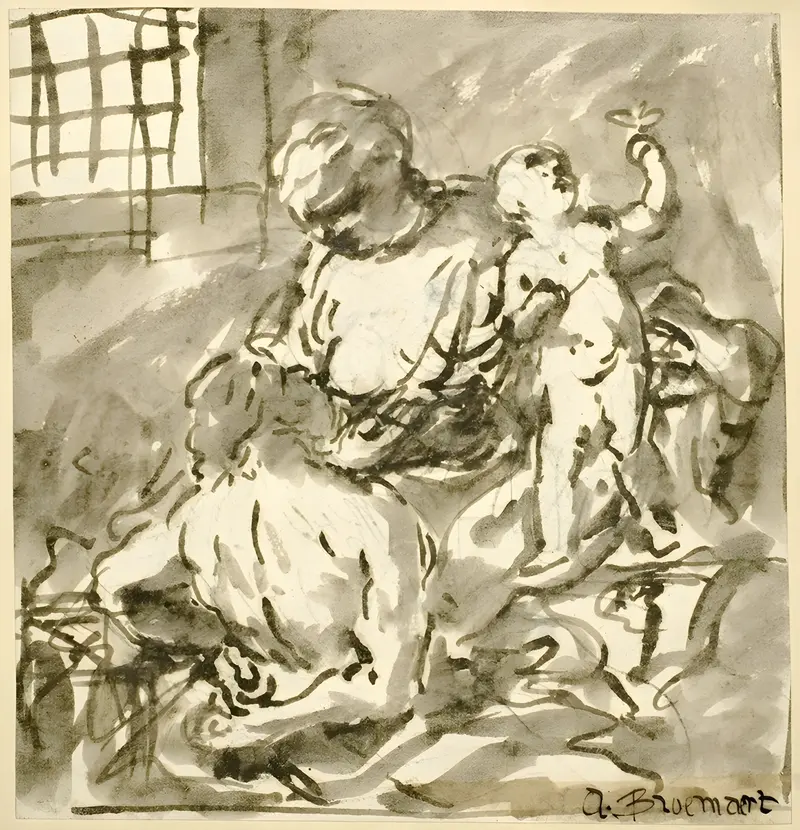
Caritas Romana
Abraham Bloemaert
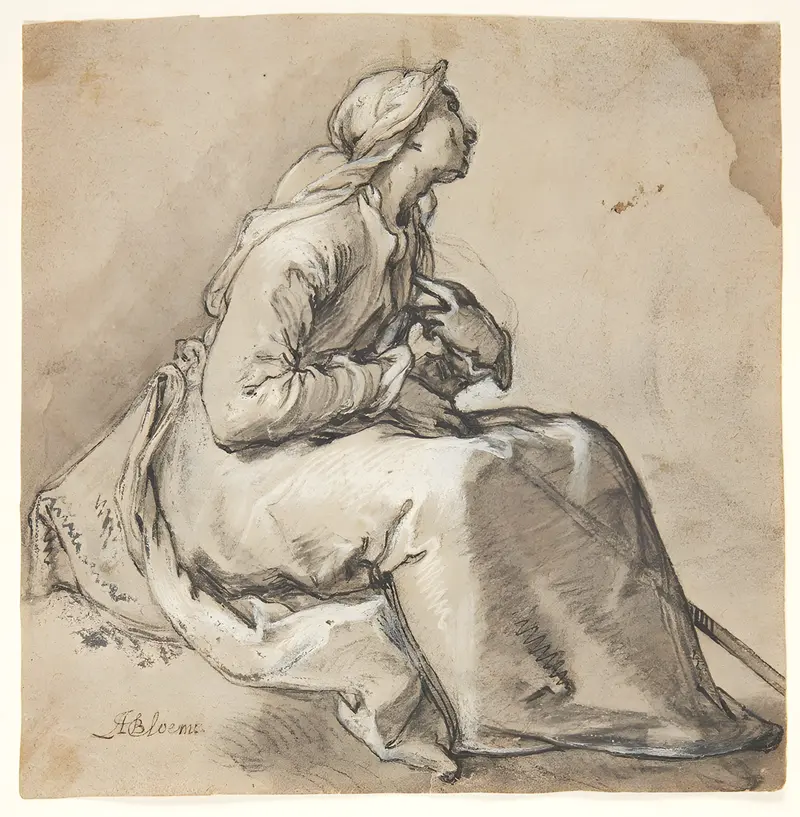
A seated woman facing right
Abraham Bloemaert
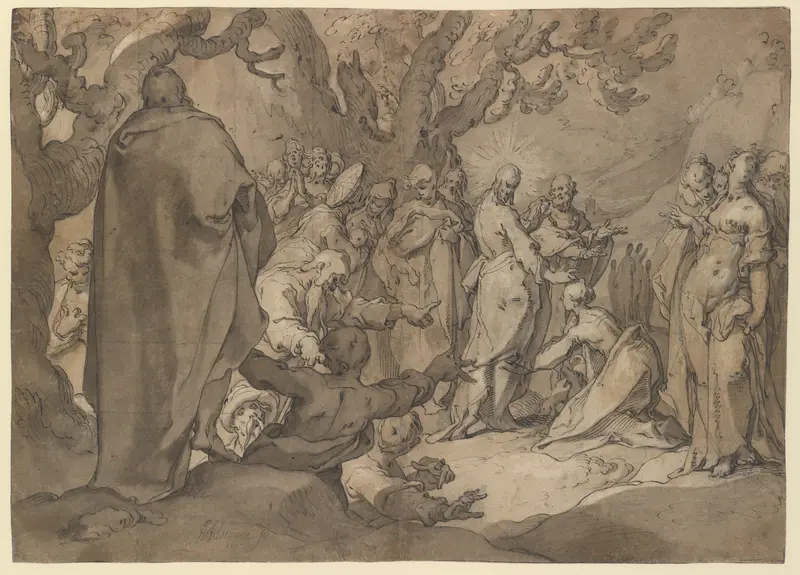
Christ and the Canaanite Women
Abraham Bloemaert
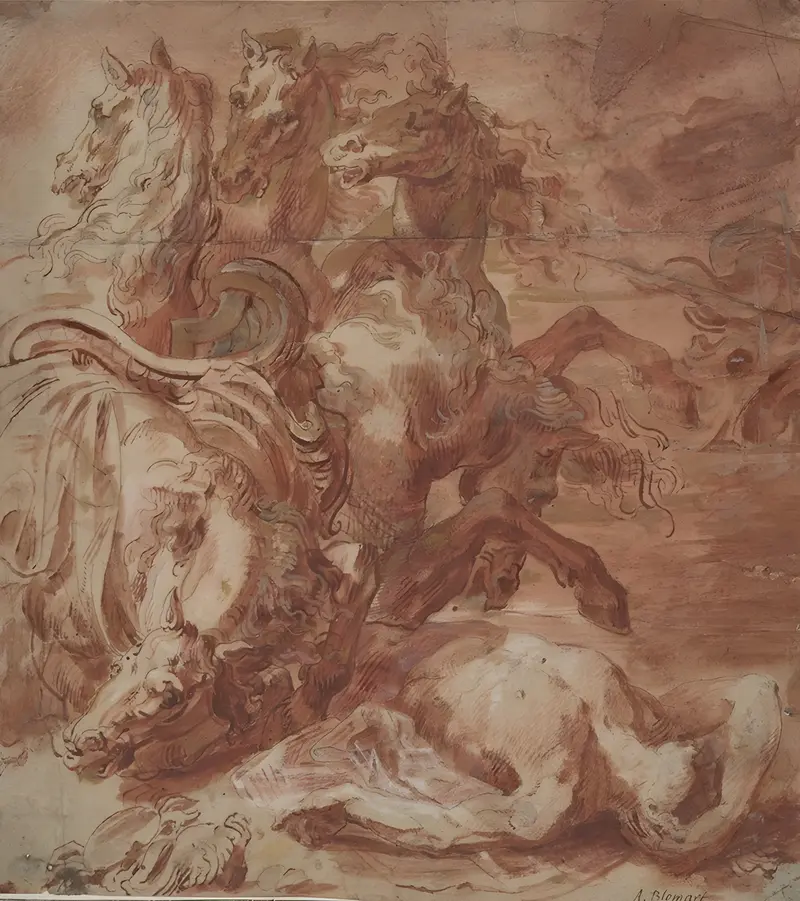
Hippolytus
Abraham Bloemaert
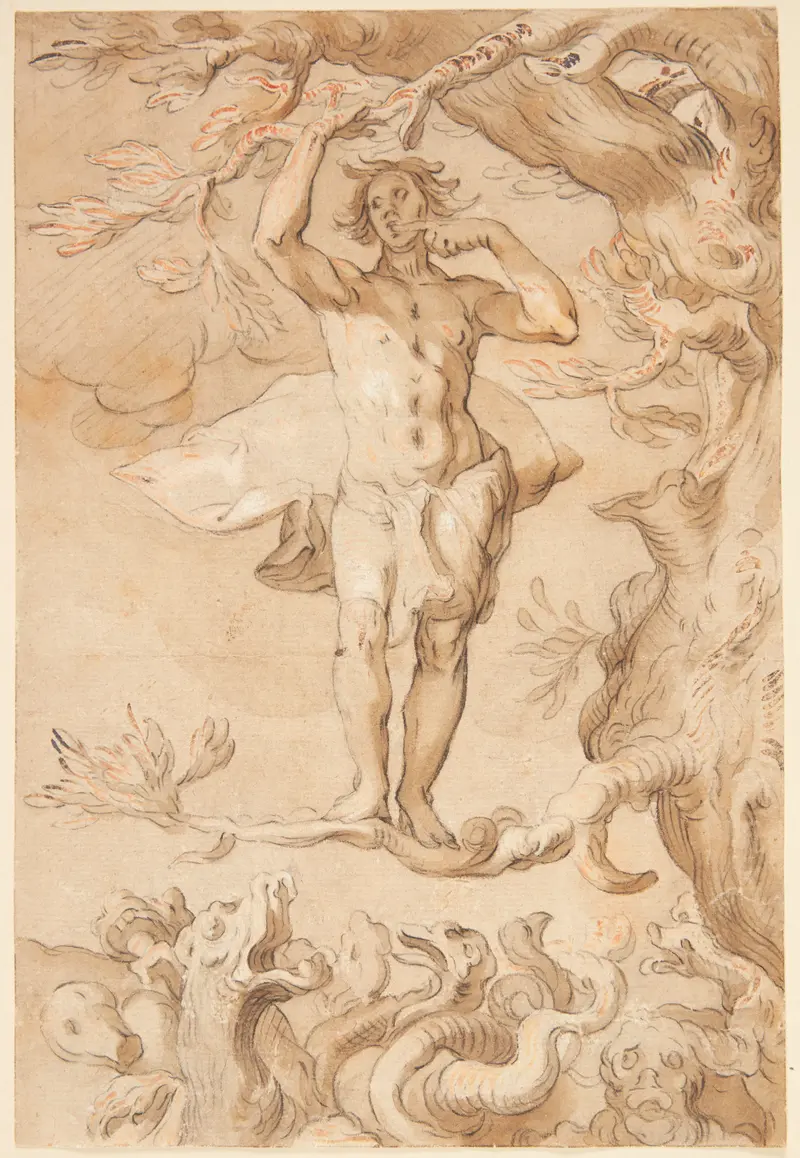
Den menneskelige glædes skrøbelighed En mand, der jages af en drage, klynger sig til en gren, mens han slikker honning af sin finger
Abraham Bloemaert

Moses Striking the Rock
Abraham Bloemaert
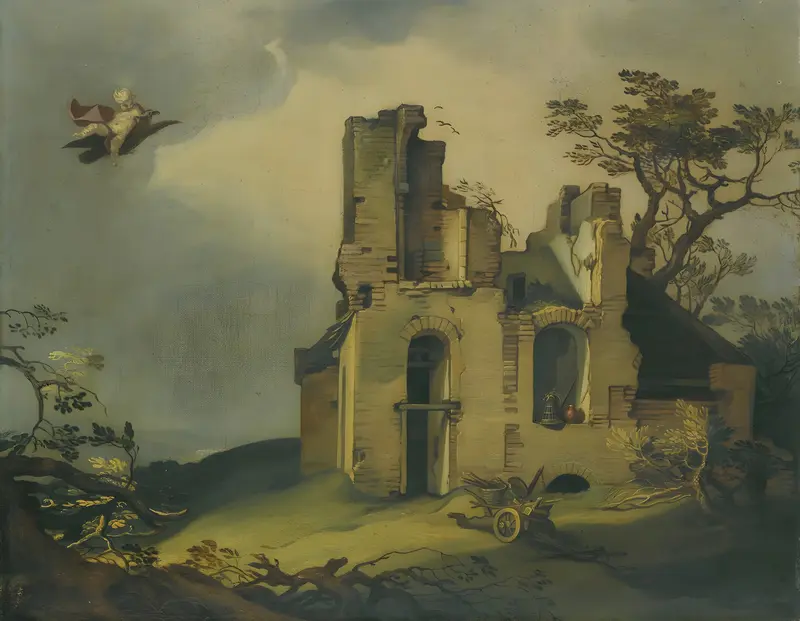
A Landscape With Ruins, With The Rape Of Ganymede
Abraham Bloemaert





