
Olivia Peyton Murray Cutting [Mrs. William Bayard Cutting] — History & Facts
When Alexandre Cabanel painted Olivia Peyton Murray Cutting [Mrs. William Bayard Cutting] in 1887, he was at the height of his international fame, and his sitter was a rising star in New York society. Olivia Cutting, born into the wealthy Murray family, had recently married William Bayard Cutting, a prominent financier and philanthropist.
The commission of her portrait by a celebrated French academician was itself a statement: American elites were eager to align themselves with European culture, and Cabanel was their painter of choice. The portrait became a symbol of transatlantic aspiration, its unveiling noted in both American and French society columns. Cabanel chose to capture Olivia at the threshold of adulthood and social prominence, her gaze direct yet reserved. She sits poised, her dress rendered in soft, luminous tones that accentuate her pale complexion and the delicate shimmer of her jewelry.
The subtle play of light on her face and hands draws the viewer’s eye to her calm confidence, while the understated background keeps all attention on her presence. The portrait’s refined elegance and psychological restraint recall Cabanel’s earlier Countess de Keller, but with a distinctly American freshness. Unlike the more theatrical portraits of John Singer Sargent, Cabanel’s Olivia is composed, almost introspective—a quiet assertion of her place in a changing world. The painting’s subsequent history is less documented than its creation.
Like many grand society portraits of the era, it likely remained in the Cutting family’s collection for decades, a testament to their social standing and taste. Cabanel’s American commissions helped cement his reputation overseas, but by the end of the 19th century, tastes shifted and the academic style fell out of favor. Today, the portrait survives as a rare example of Franco-American cultural exchange in the Gilded Age, and stands as a reminder of both Cabanel’s technical skill and the ambitions of his American patrons.
Its current whereabouts are not widely publicized, but it continues to be cited in studies of late 19th-century portraiture.
More Artworks by Alexandre Cabanel
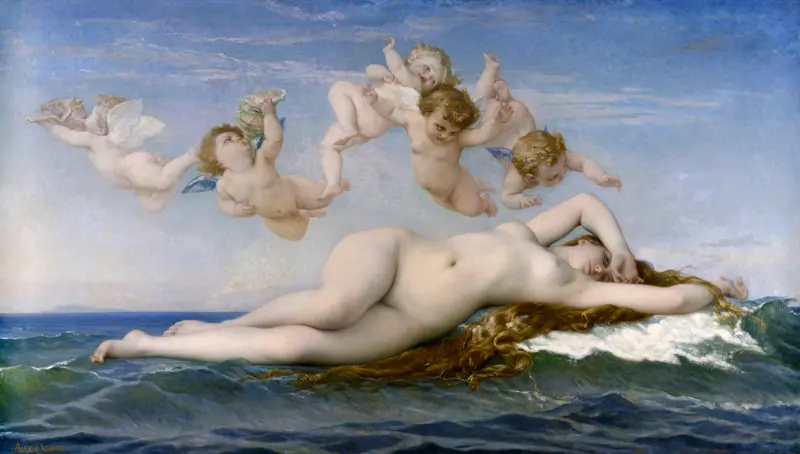
The Birth of Venus
Alexandre Cabanel
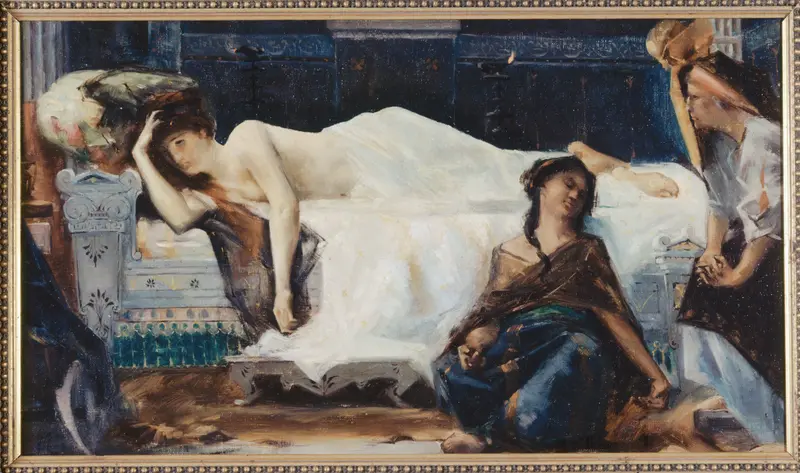
Phèdre
Alexandre Cabanel
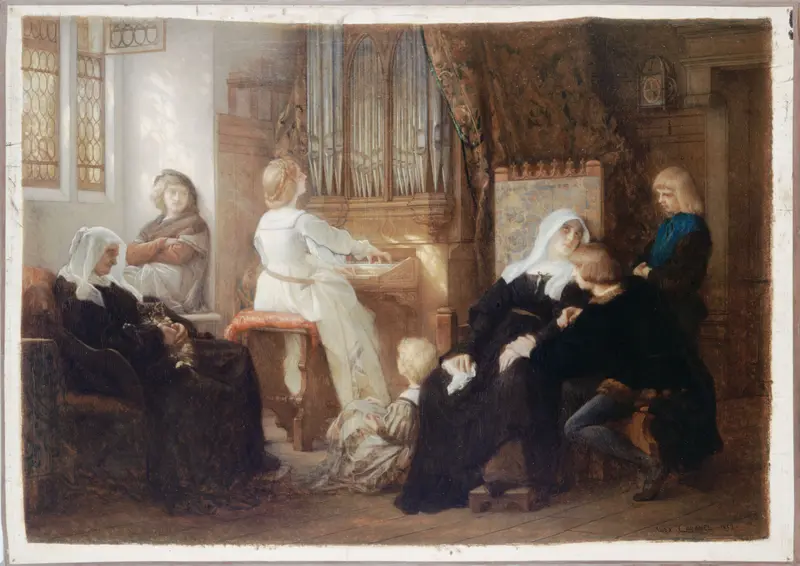
La veuve du maître de chapelle
Alexandre Cabanel
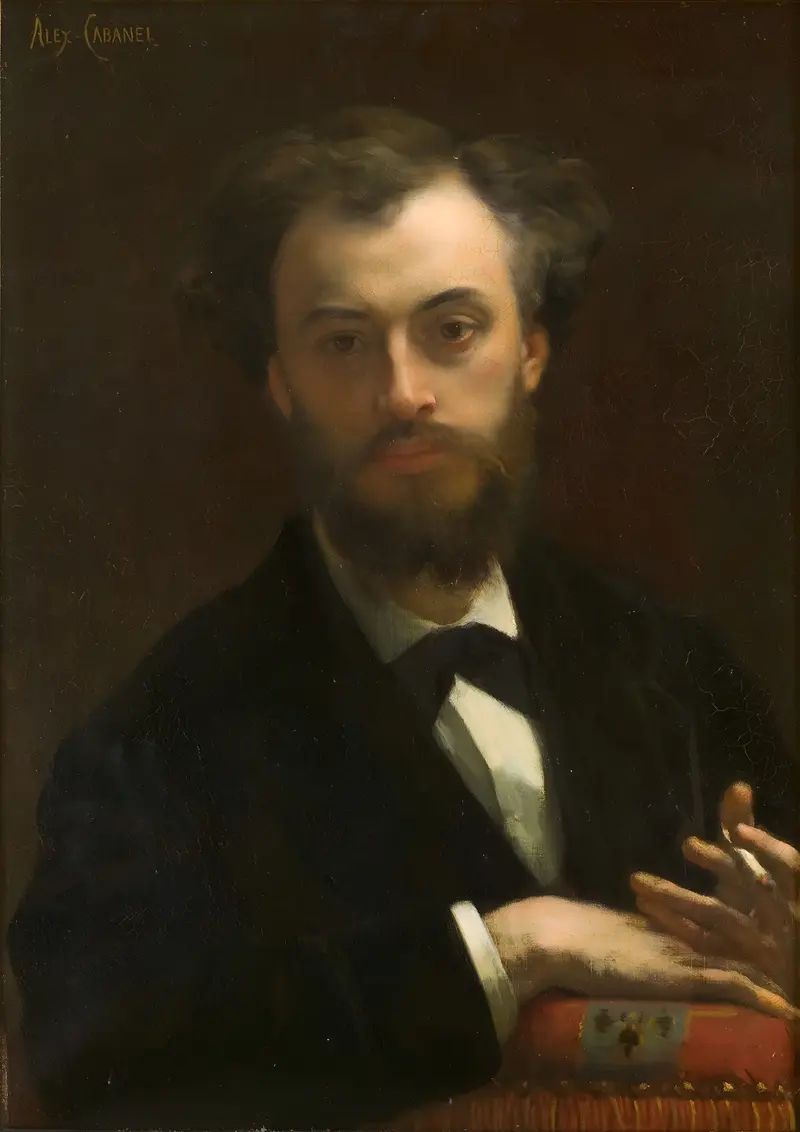
Portrait de M. Pierre Cabanel
Alexandre Cabanel
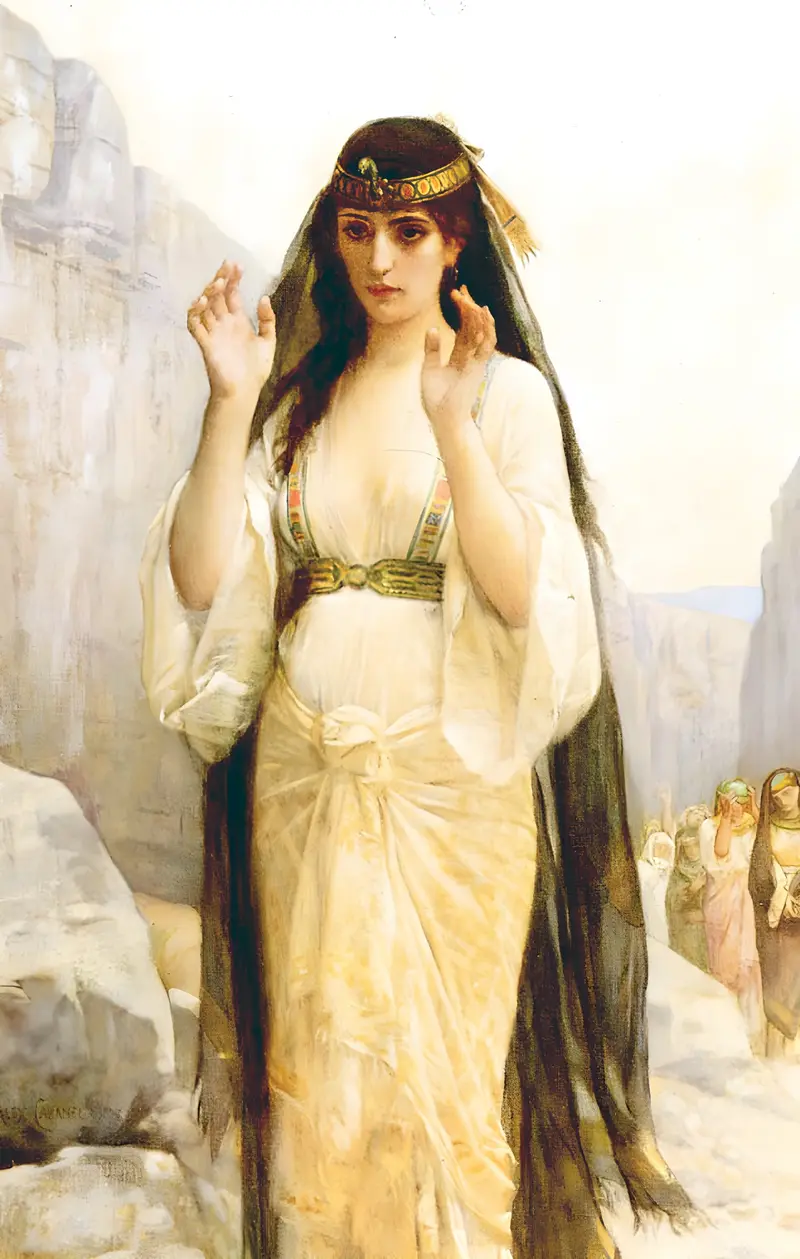
The Daughter of Jephthah
Alexandre Cabanel
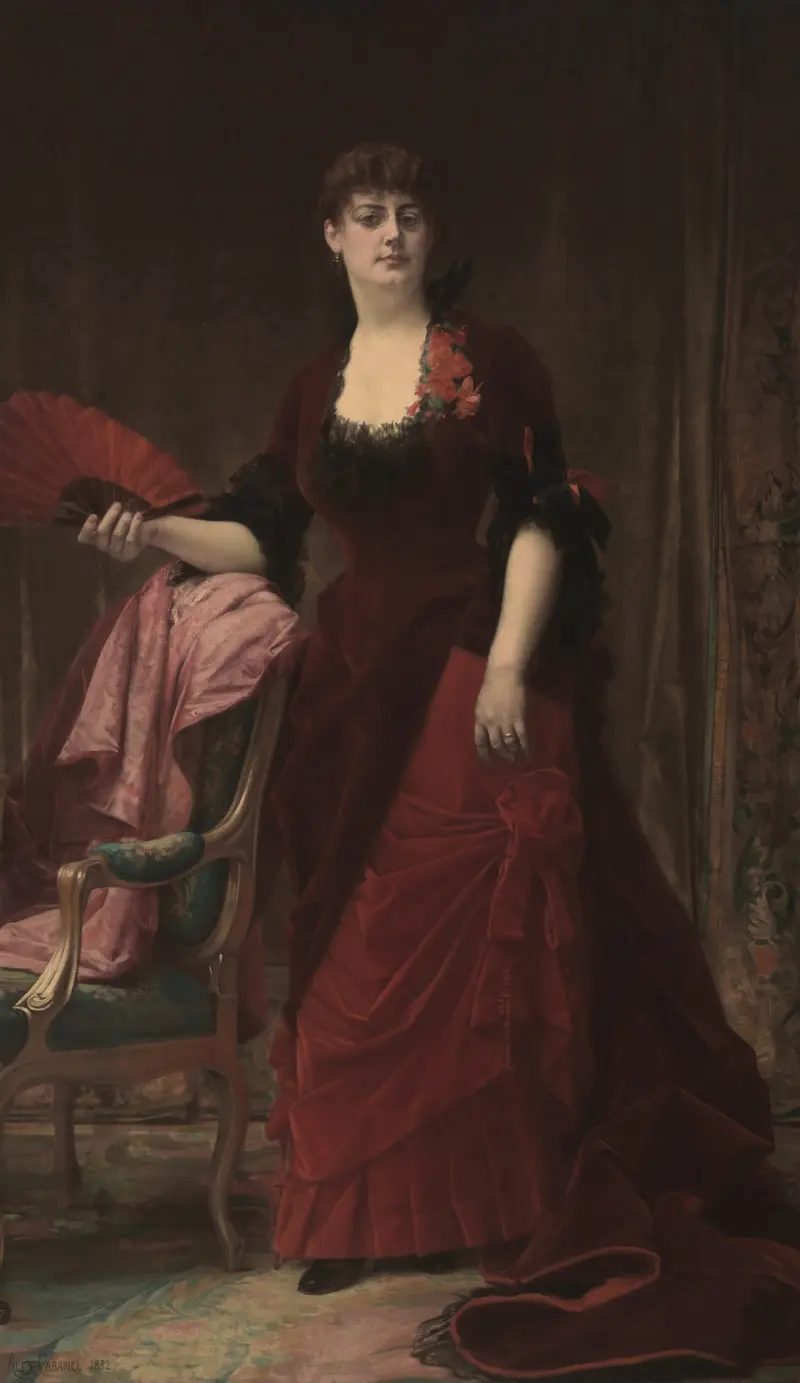
Portrait of Arabella Worsham (later Arabella Huntington)
Alexandre Cabanel
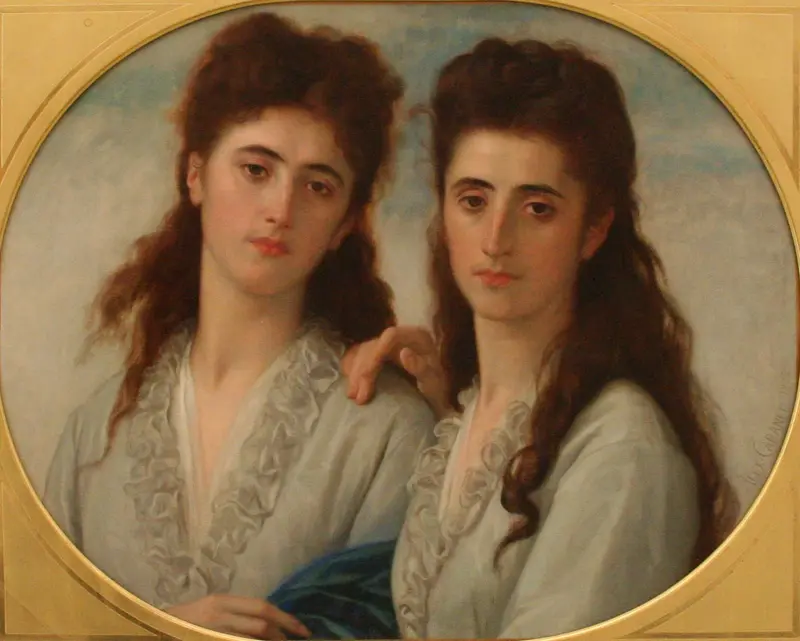
Portrait de mesdemoiselles Sophie et Berthe Cabanel
Alexandre Cabanel
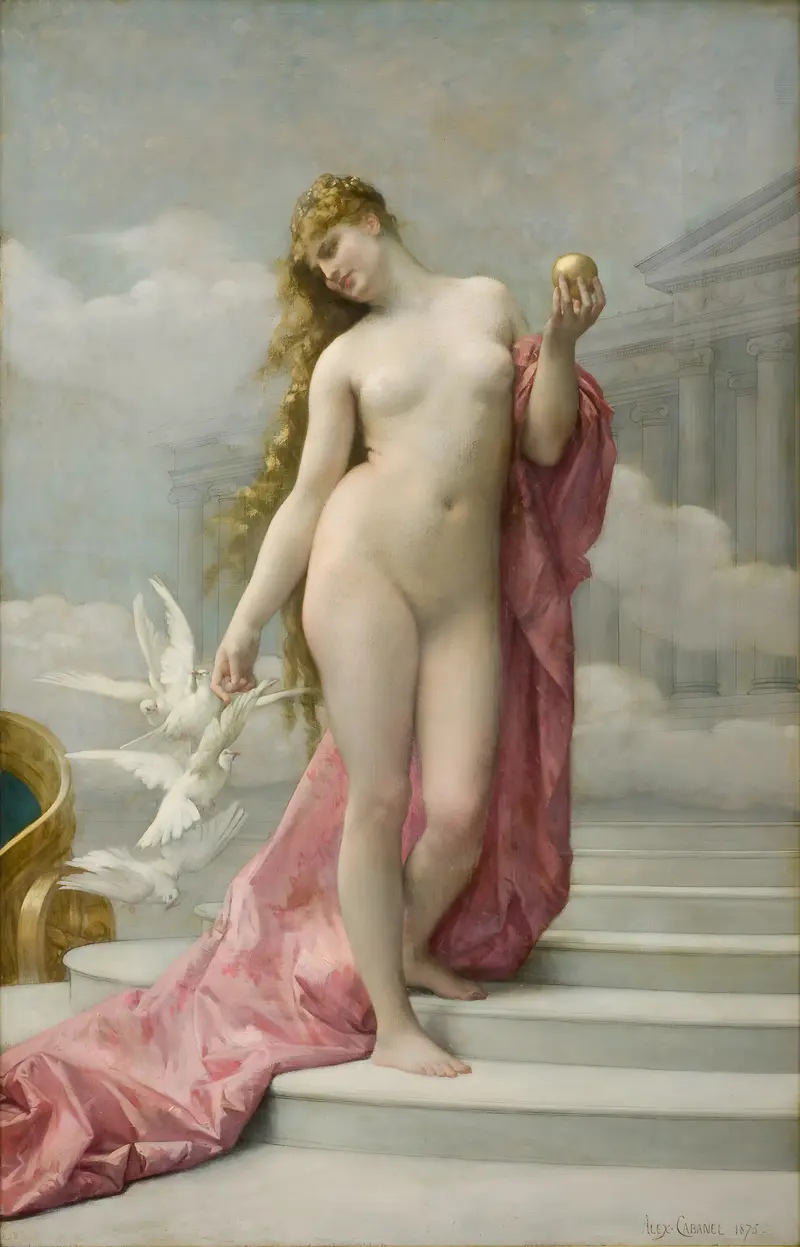
Vénus victorieuse
Alexandre Cabanel
Judith
Alexandre Cabanel
Catharine Lorillard Wolfe (1828–1887)
Alexandre Cabanel





