
Pastoral — History & Facts
The most curious fact about Pastoral is its date: 1850. By then, Jean-Honoré Fragonard had been dead for nearly forty years, having passed away in 1806. This anomaly has puzzled scholars for decades, raising questions about attribution, misdating, or even a lost work re-emerging under unusual circumstances.
Some suggest that the date may refer to a copy or homage rather than an original, while others believe it could be a posthumous title assigned during the 19th-century revival of interest in Rococo painters like Fragonard. In the scene, a pair of young lovers recline in a sun-dappled glade, their attention fixed on each other rather than the world around them. The woman’s hand rests lightly on a garland of flowers—symbols of fleeting youth and love—while her companion strums a lute, echoing the pastoral tradition of music as a metaphor for courtship. The playful dog at their feet and the scattered ribbons and hats reinforce the sense of leisure and rural escape.
Unlike the moralizing tone found in Jean-Baptiste Greuze’s rustic scenes, Fragonard’s approach is light and sensuous, inviting the viewer to linger in the moment of flirtation and delight. The physical history of Pastoral remains uncertain, with little documentation about its commission or early provenance. It is typical of Fragonard’s late Rococo style, which favored playful, intimate scenes over grand historical narratives. The painting’s ambiguous date has led some to speculate that it may be a later copy or a work by a follower, rather than by Fragonard himself.
Today, the painting is often discussed in the context of the 19th-century rediscovery of Rococo art, when collectors and museums sought out works that captured the lightness and charm of pre-Revolutionary France. Its journey from private hands to public collection remains a matter of ongoing research and debate.
More Artworks by Jean-Honoré Fragonard

The Swing
Jean-Honoré Fragonard

The Swing
Jean-Honoré Fragonard

A Young Girl Reading
Jean-Honoré Fragonard

The Lock
Jean-Honoré Fragonard

The Triumph of Venus
Jean-Honoré Fragonard

A Game of Hot Cockles
Jean-Honoré Fragonard
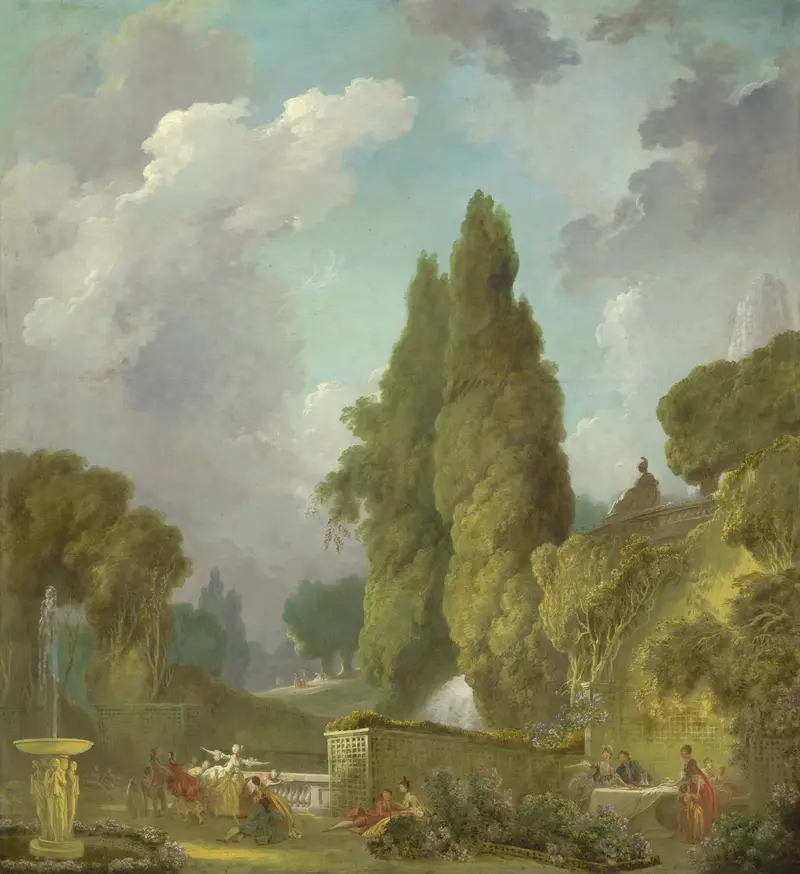
Blindman’s Buff
Jean-Honoré Fragonard
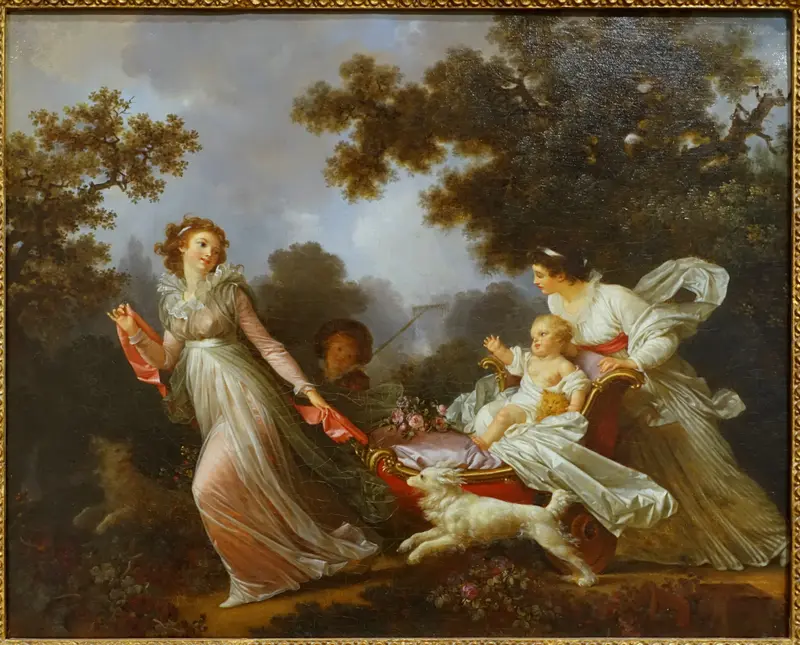
The Beloved Child
Jean-Honoré Fragonard
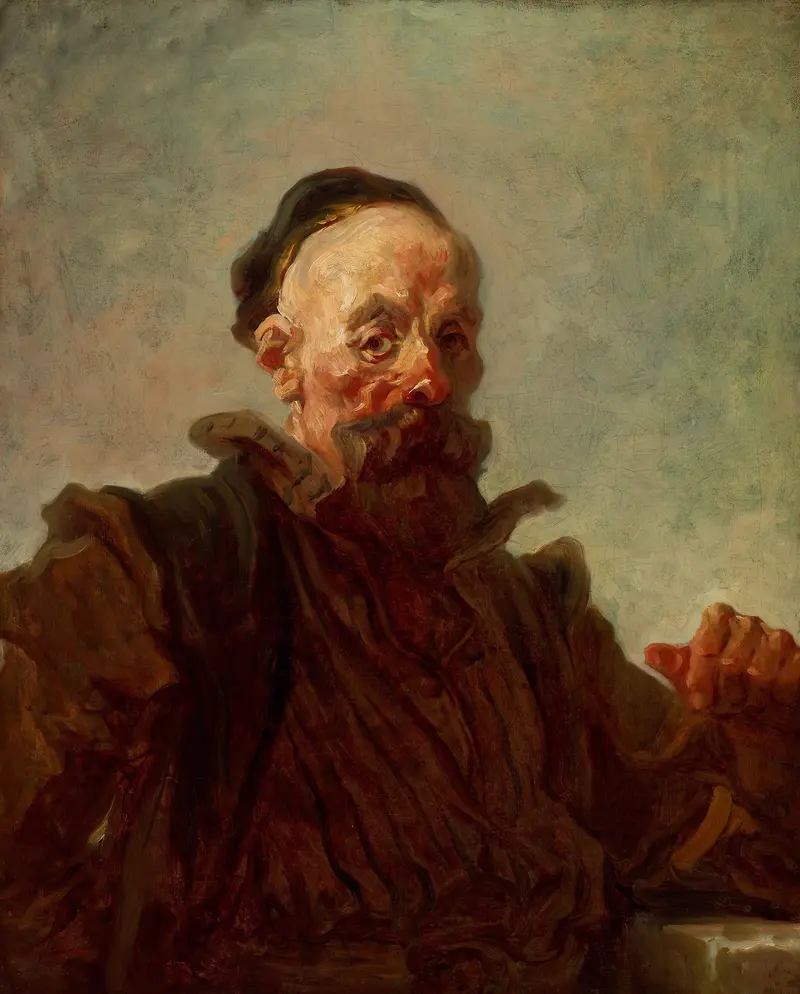
Portrait of a Man in Costume
Jean-Honoré Fragonard
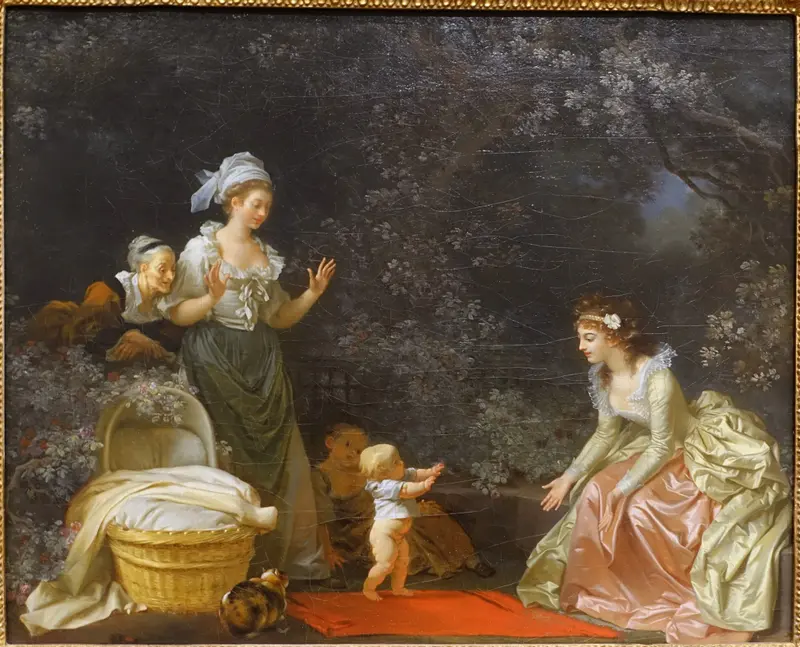
The First Steps
Jean-Honoré Fragonard
More Genre Scene Art

Banquet of the Officers of the St George Civic Guard
Frans Hals

Rembrandt and Saskia in the Scene of the Prodigal Son
Rembrandt van Rijn

Bal du moulin de la Galette
Pierre-Auguste Renoir

Quadrille at the Moulin Rouge
Henri de Toulouse-Lautrec

A Burial at Ornans
Gustave Courbet

When Will You Marry?
Paul Gauguin