
Pope Innocent X — History & Facts
When Diego Velázquez unveiled Pope Innocent X in Rome around 1650, the sitter himself is said to have muttered, “È troppo vero!”—“It’s too true!”—a rare admission from one of the most powerful and image-conscious men in Europe. The portrait’s unflinching realism was so striking that even the pope, Giovanni Battista Pamphilj, reportedly hesitated to display it. Unlike the idealized papal portraits of the era, Velázquez’s work captured Innocent’s sharp intelligence and wary suspicion, making it a legend among artists and critics almost immediately. Seated in a crimson velvet chair, Pope Innocent X locks eyes with the viewer, his gaze both penetrating and guarded.
The white lace of his rochet and the rich red of his mozzetta gleam under Velázquez’s deft brushwork, while the heavy gold ring and the papal camauro signal his authority. The hands—one clutching a document, the other resting tensely—betray a restless energy, as if the pope is caught between command and caution. Unlike Raphael’s serene Pope Julius II, Velázquez’s Innocent is a man of flesh and blood, his psychological presence dominating the canvas.
The background dissolves into shadow, focusing all attention on the sitter’s formidable presence. The exact commission details remain uncertain, but Velázquez painted the portrait during his second trip to Rome, when he was at the height of his powers as court painter to Philip IV of Spain. The work remained in the Pamphilj family collection, where it still hangs today in the Galleria Doria Pamphilj in Rome. Over centuries, it has inspired countless artists, most famously Francis Bacon, whose own Study after Velázquez’s Portrait of Pope Innocent X reimagined the image for the twentieth century.
For Velázquez, this portrait marked a pinnacle of psychological insight and technical skill, cementing his reputation as one of the great innovators of the Baroque portrait tradition.
More Artworks by Diego Velázquez

Las Meninas
Diego Velázquez
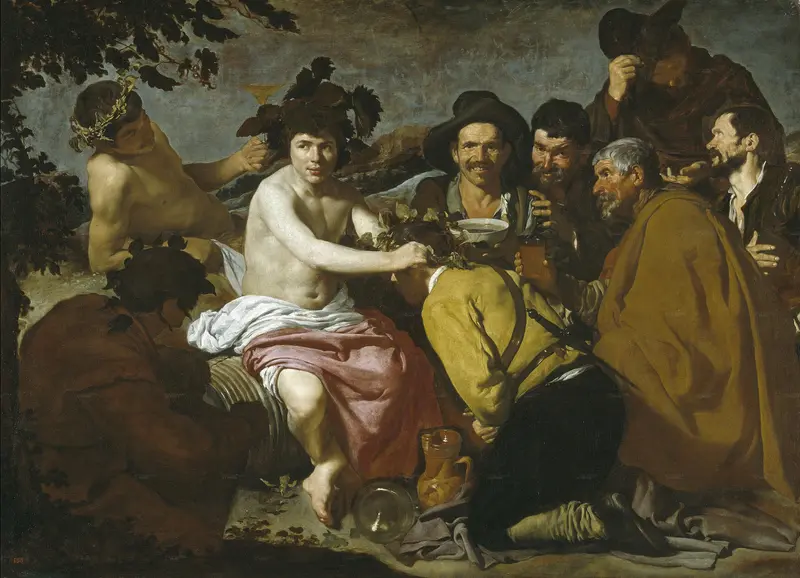
The Triumph of Bacchus
Diego Velázquez
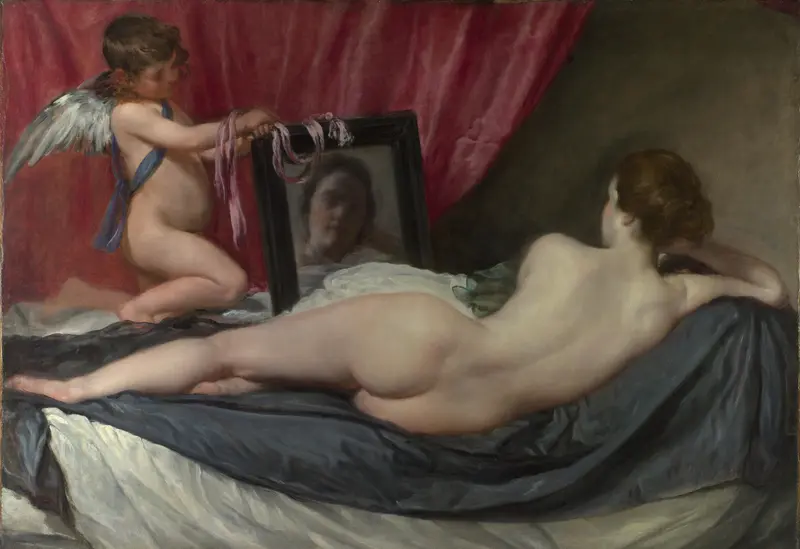
Rokeby Venus
Diego Velázquez
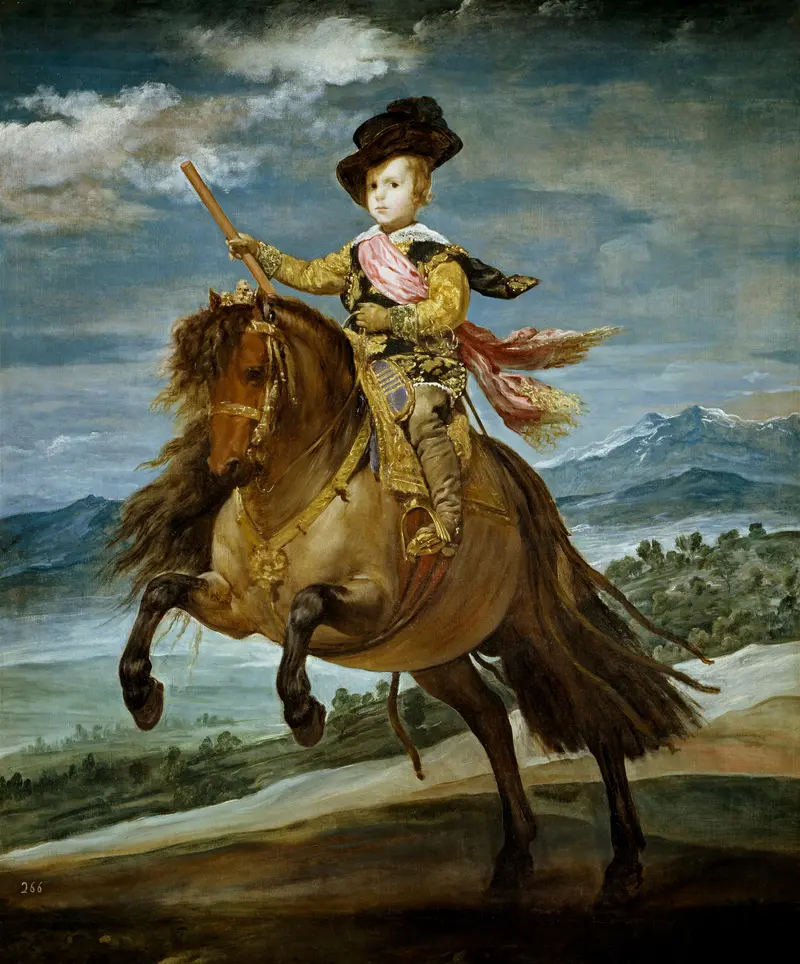
Equestrian Portrait of Prince Balthasar Charles
Diego Velázquez
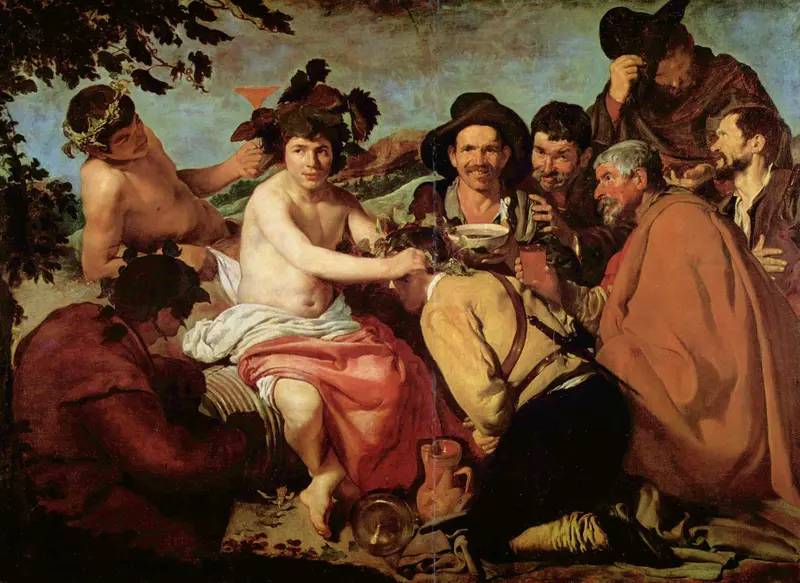
Bacchus
Diego Velázquez
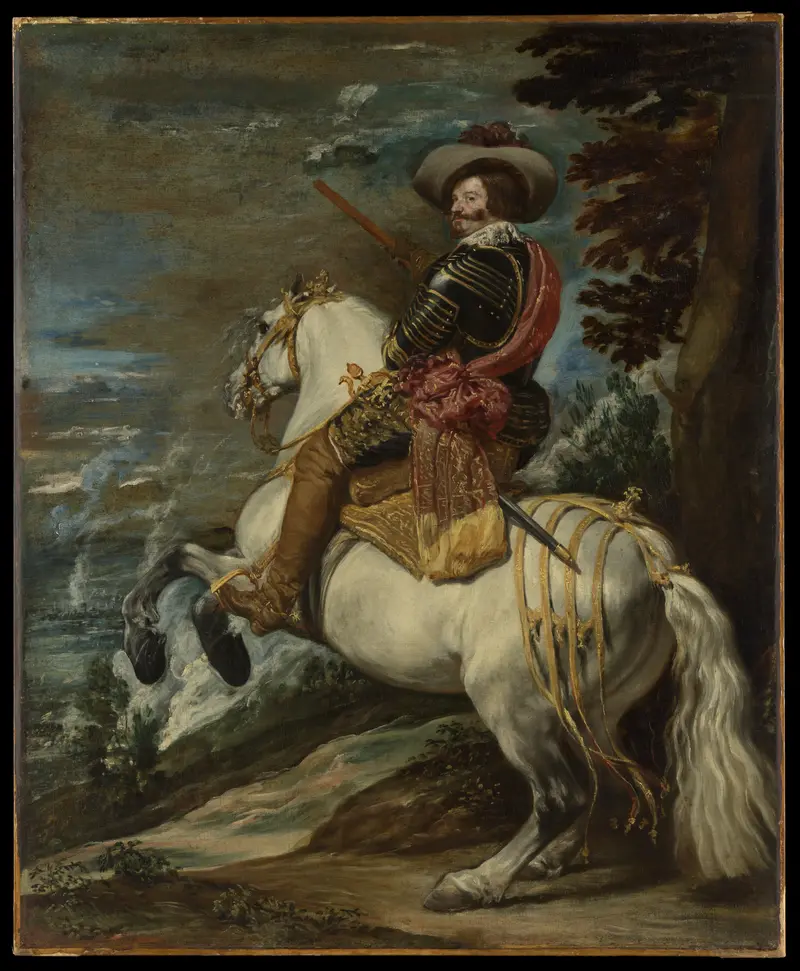
Don Gaspar de Guzmán (1587–1645), Count-Duke of Olivares
Diego Velázquez
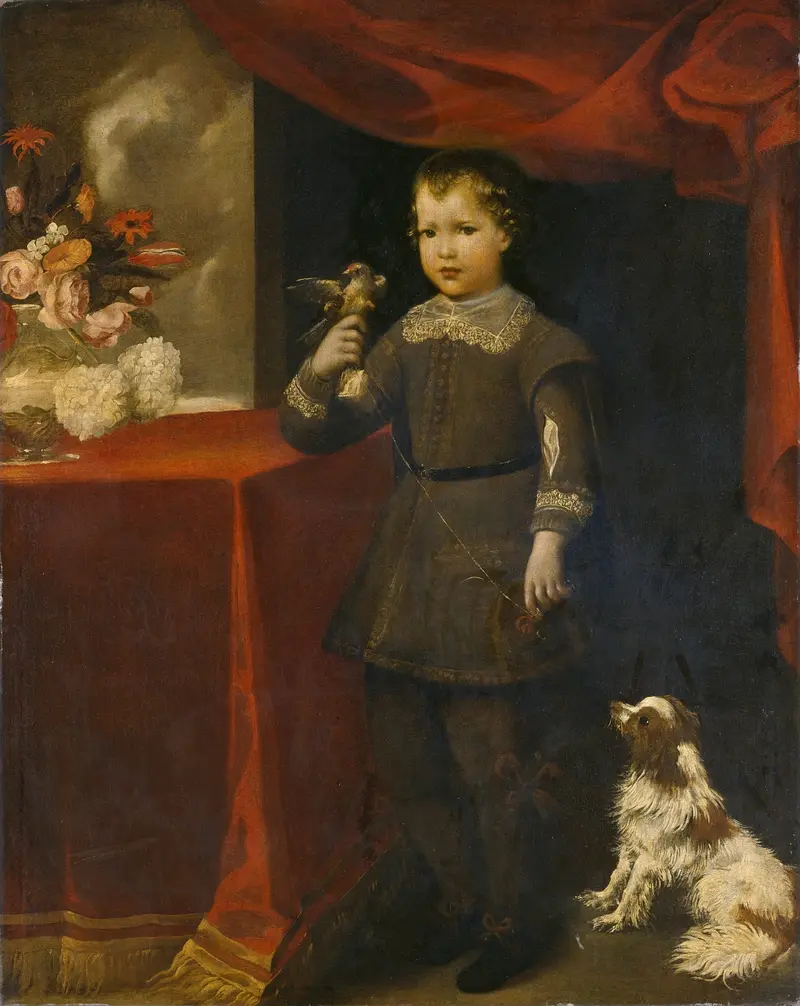
El príncipe Baltasar Carlos de Austria
Diego Velázquez
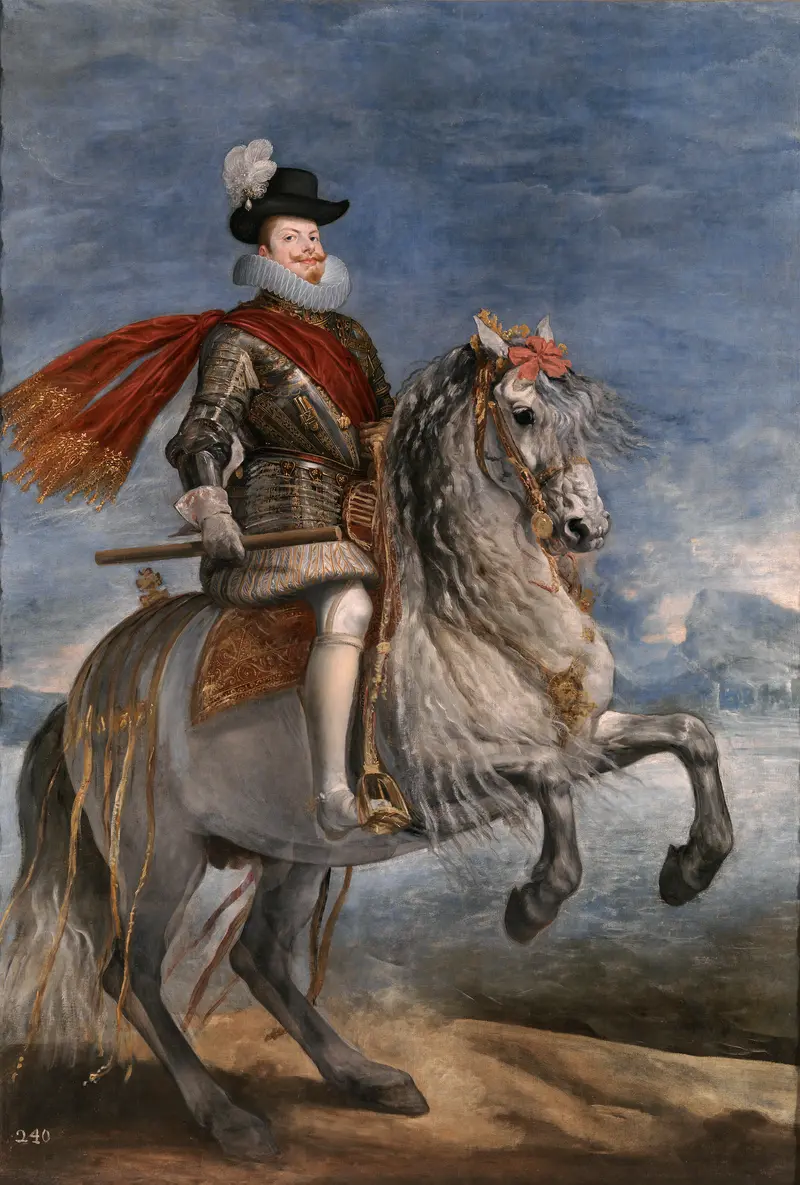
Equestrian Portrait of Philip III
Diego Velázquez
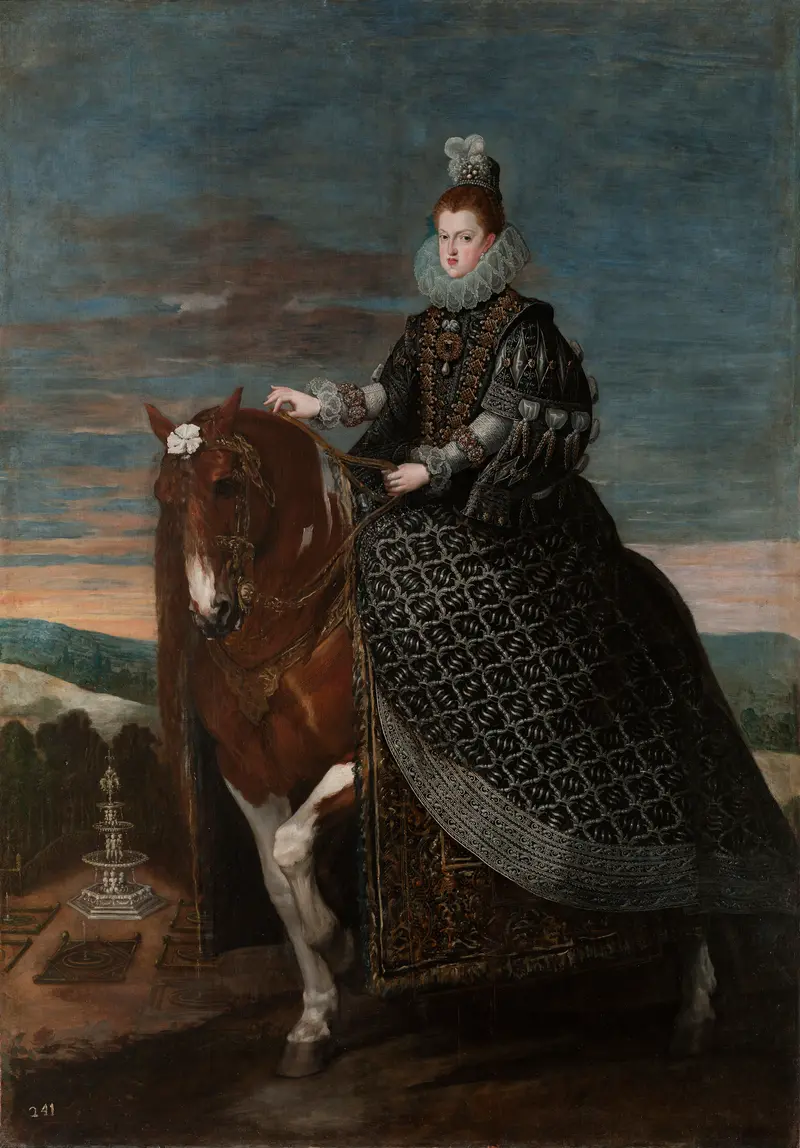
Equestrian Portrait of Margarita of Austria
Diego Velázquez
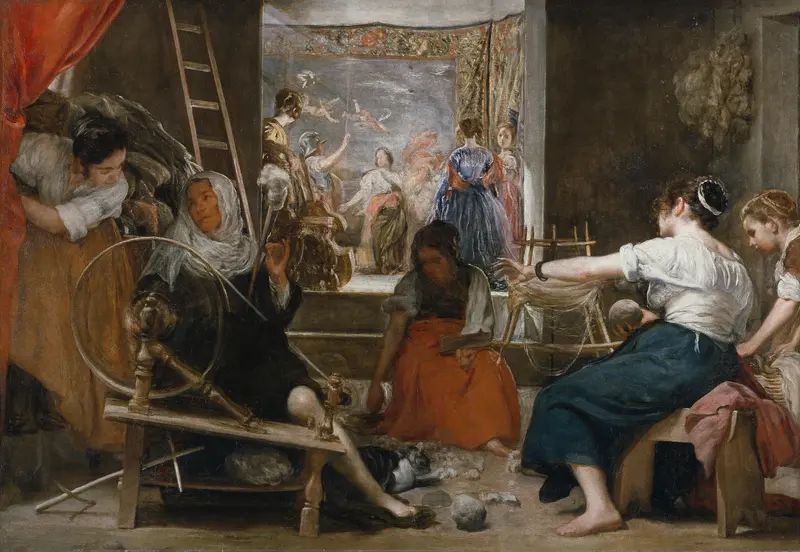
Las Hilanderas
Diego Velázquez




