
Portrait of Armand-Jean du Plessis, Cardinal de Richelieu — History & Facts
Few figures in seventeenth-century France inspired as much fascination and fear as Armand-Jean du Plessis, Cardinal de Richelieu. As chief minister to Louis XIII, Richelieu shaped the fate of Europe, orchestrating alliances and wars that would echo for centuries. This portrait by Simon Vouet is one of several painted during Richelieu’s lifetime, a testament to the cardinal’s careful cultivation of his image.
The painting’s provenance is clouded by the fact that Richelieu commissioned multiple likenesses from different artists, each intended for a specific courtly or diplomatic purpose. Here, the cardinal is caught at the height of his power, his gaze direct yet reserved. The rich red of his robes signals his ecclesiastical rank, while the slender gold chain and jeweled cross point to his political authority as well as his spiritual one. Vouet, recently returned from Rome, brings a theatrical clarity to the composition: the light falls across Richelieu’s face, sharpening the features that so many contemporaries described as both ascetic and formidable.
Unlike Philippe de Champaigne’s more austere renderings, Vouet’s portrait hints at the man behind the office, capturing a moment of poised calculation rather than remote detachment. The painting’s early history remains uncertain, as records of its commission and first owner have not survived. It is likely that Richelieu himself, a noted patron of the arts and architecture, sought out Simon Vouet—then the premier painter of the French court—for this portrait. Over time, the work passed through private collections, its attribution occasionally debated due to the existence of several similar portraits by Vouet and his workshop.
Today, it stands as a vivid document of both sitter and artist, a meeting point of political ambition and the new, dramatic style that Vouet introduced to French painting.
More Artworks by Simon Vouet

Portrait of Louis XIII
Simon Vouet
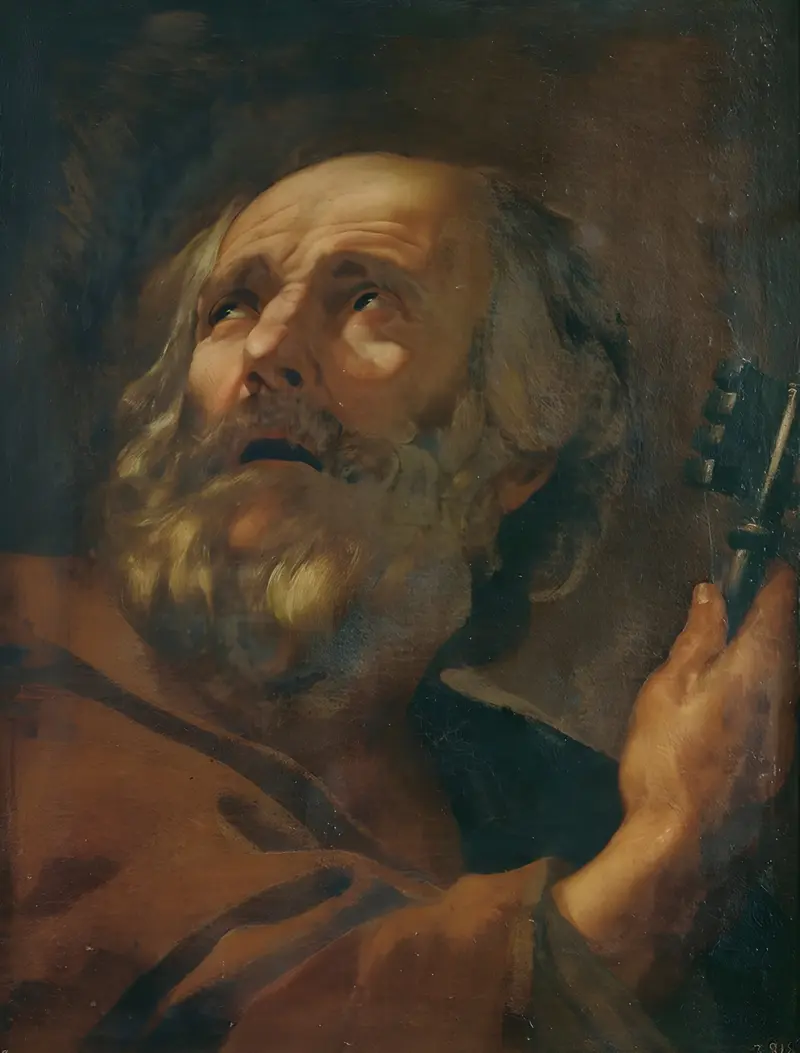
Saint Peter
Simon Vouet
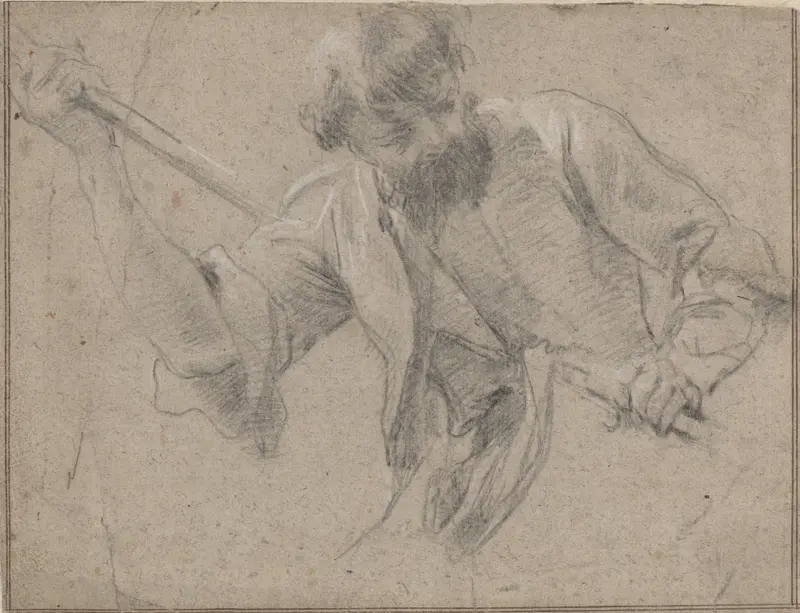
A Bearded Man with a Staff
Simon Vouet
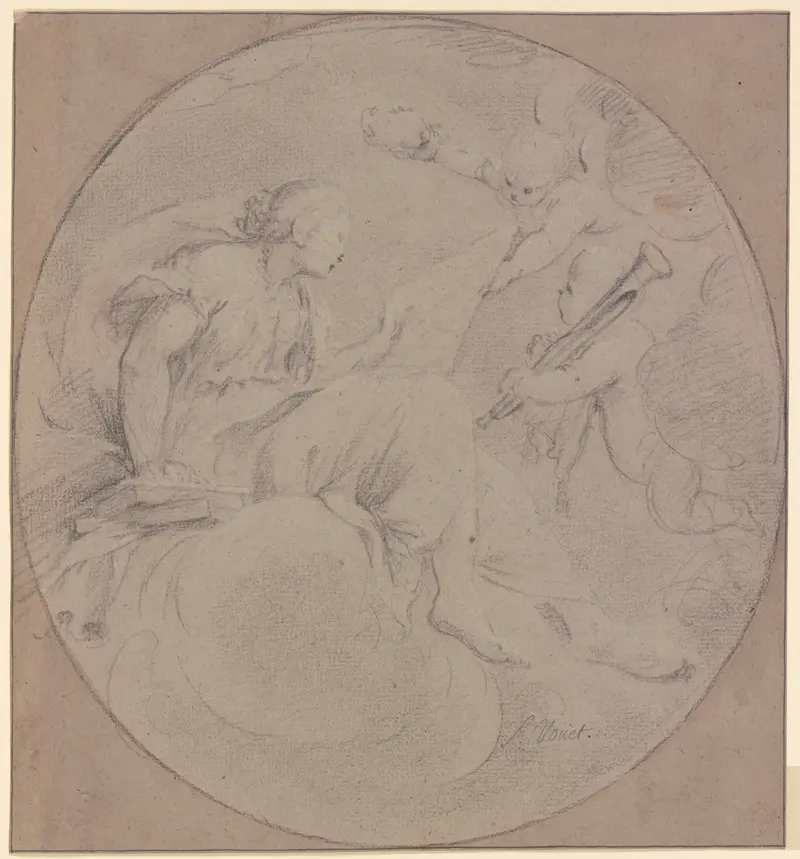
Die Muse der Musik mit zwei Genien, deren einer eine Trompete trägt
Simon Vouet
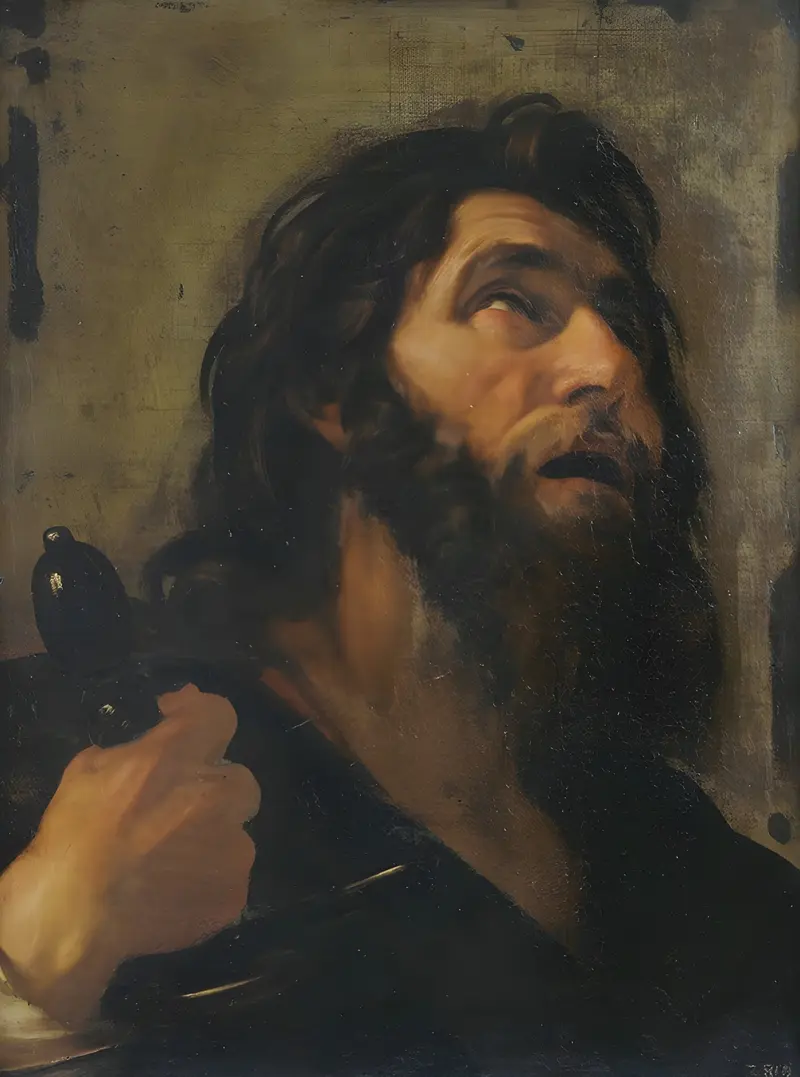
Saint Paul
Simon Vouet
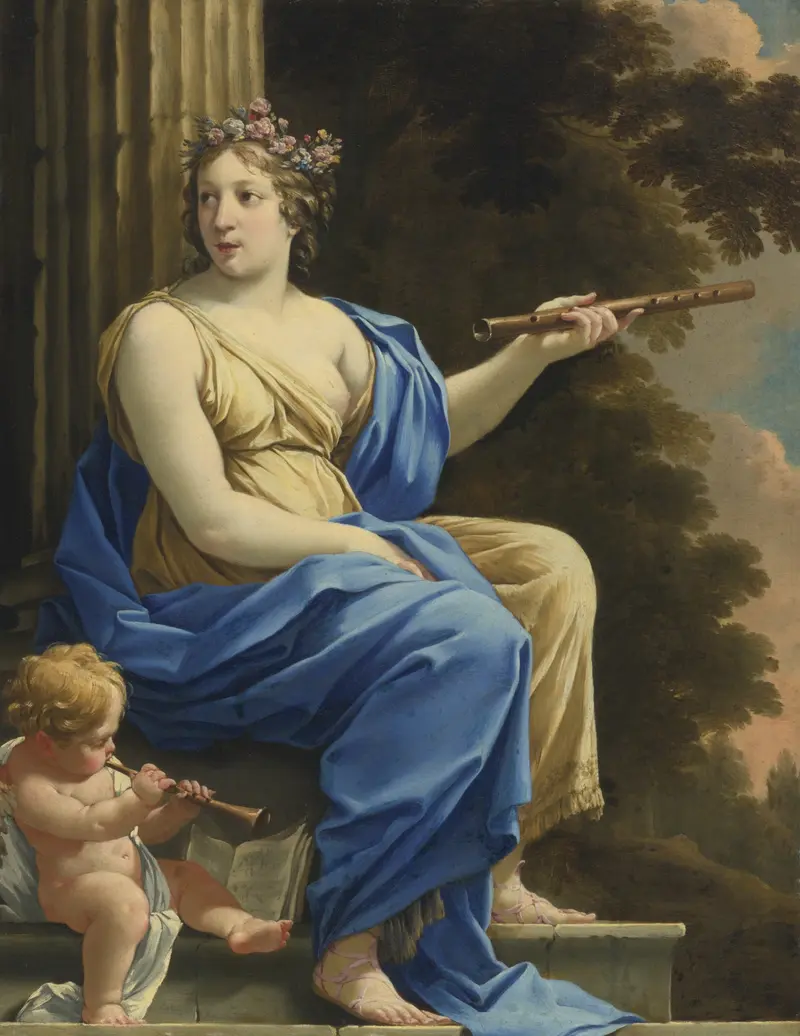
Euterpe, The Muse Of Music And Lyric Poetry
Simon Vouet
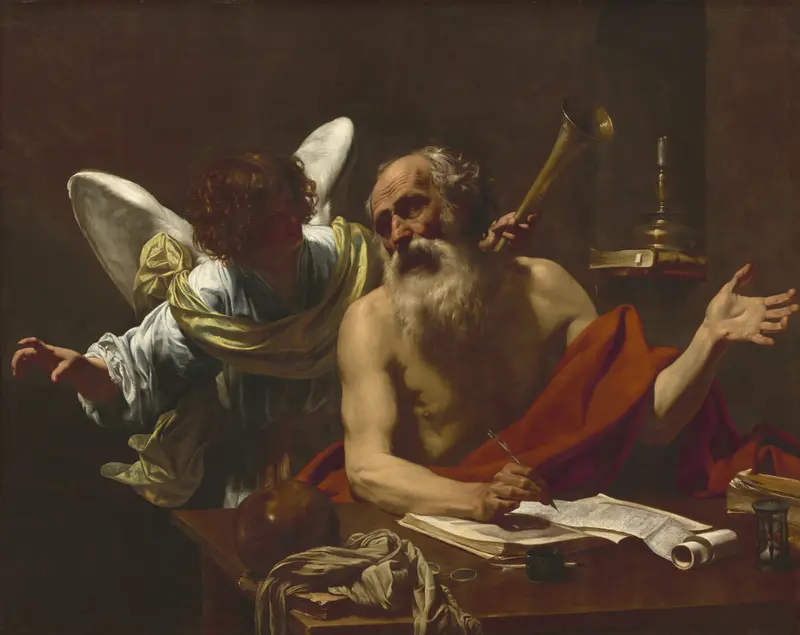
Saint Jerome and the Angel
Simon Vouet
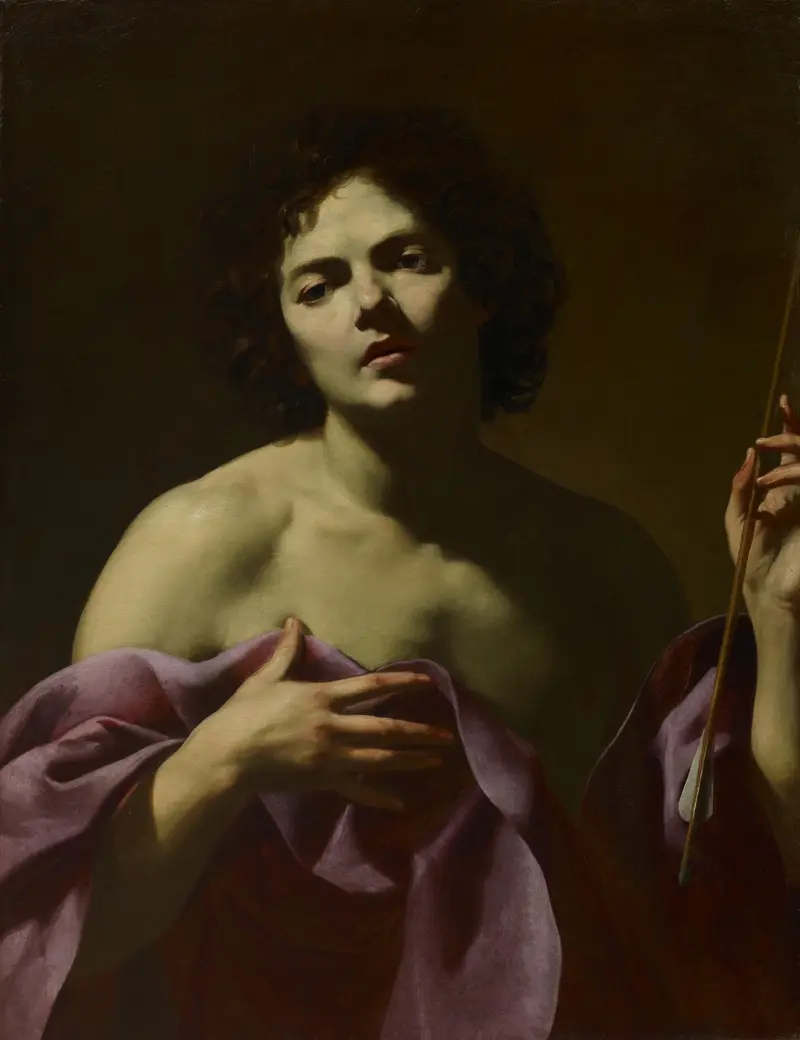
Saint Sebastian
Simon Vouet
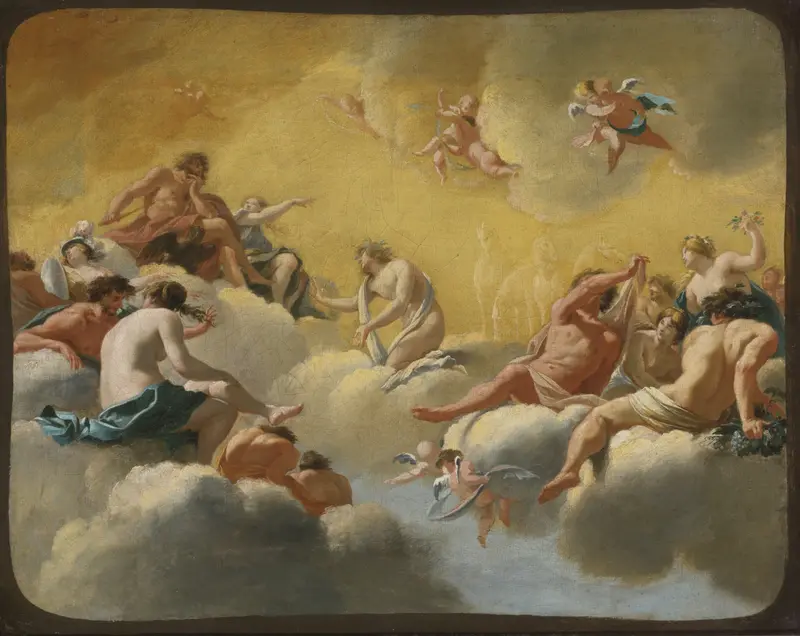
Assembly Of The Gods
Simon Vouet
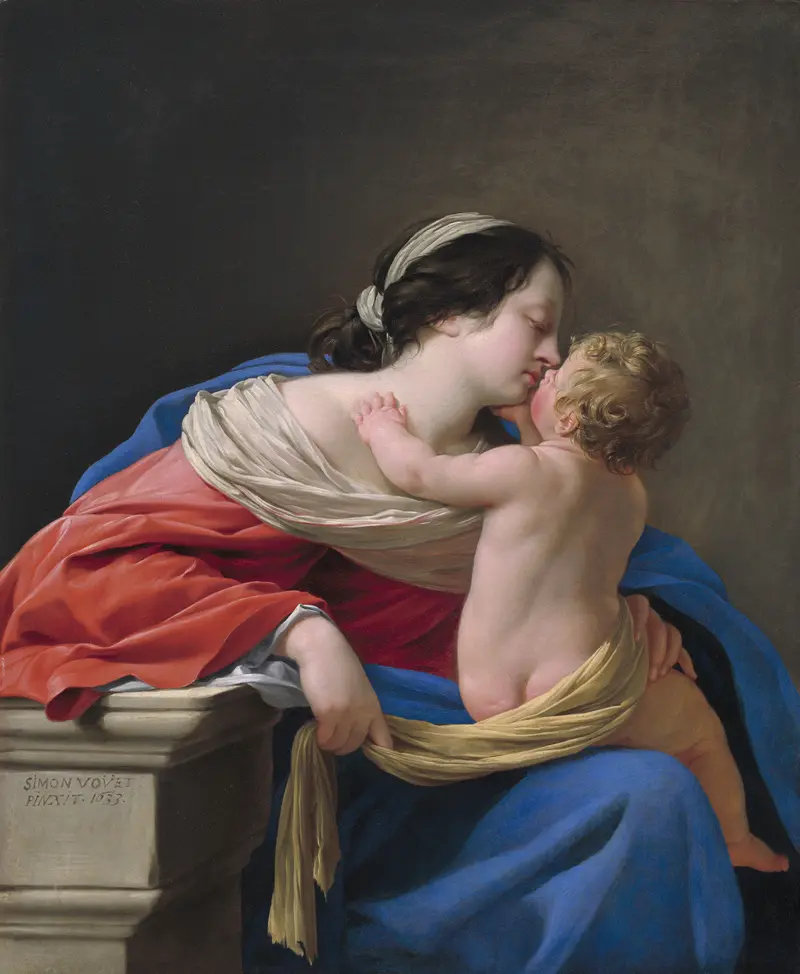
Madonna and Child
Simon Vouet





