
Renaud dans les jardins d'Armide — History & Facts
When Jean-Honoré Fragonard submitted Renaud dans les jardins d'Armide to the 1763 Prix de Rome competition, he was following in the footsteps of his teacher, François Boucher, but with a twist: Fragonard won the coveted prize, yet his interpretation of the subject was so lush and sensual that it raised eyebrows among the more conservative judges. The painting’s fate was shaped by this moment—Fragonard’s victory marked the beginning of his Italian journey, but also signaled a departure from the academic restraint expected at the time. This work, therefore, stands at the crossroads of tradition and the exuberant style that would soon define the Rococo. The scene springs from Torquato Tasso’s epic poem, Jerusalem Delivered, where the Christian knight Renaud is bewitched by the sorceress Armide in her enchanted gardens.
Fragonard captures the instant when Renaud, lulled by luxury and love, reclines amidst fragrant blossoms, oblivious to his heroic quest. The painter fills the canvas with a riot of foliage and flowers, their abundance a metaphor for temptation and enchantment. Renaud’s languid posture, his armor cast aside, speaks to surrender, while Armide’s gaze—alternately tender and possessive—suggests the tension between passion and duty.
Compared to Nicolas Poussin’s more austere treatment of similar themes, Fragonard’s approach is intimate and overflowing, inviting the viewer to lose themselves in the garden’s spell. The original medium of Renaud dans les jardins d'Armide is not firmly established, though it is likely oil on canvas, in keeping with Fragonard’s other works from this period. After its debut, the painting’s whereabouts were less documented than those of Fragonard’s later, more famous commissions, and it is not clear whether it was ever publicly exhibited in Paris. Today, the work is recognized as an early sign of Fragonard’s break from strict academic history painting towards the freer, more decorative style that would make his name.
Its place in his career is pivotal: a bridge between the grand ambitions of the Prix de Rome and the playful, intimate scenes that would follow.
More Artworks by Jean-Honoré Fragonard
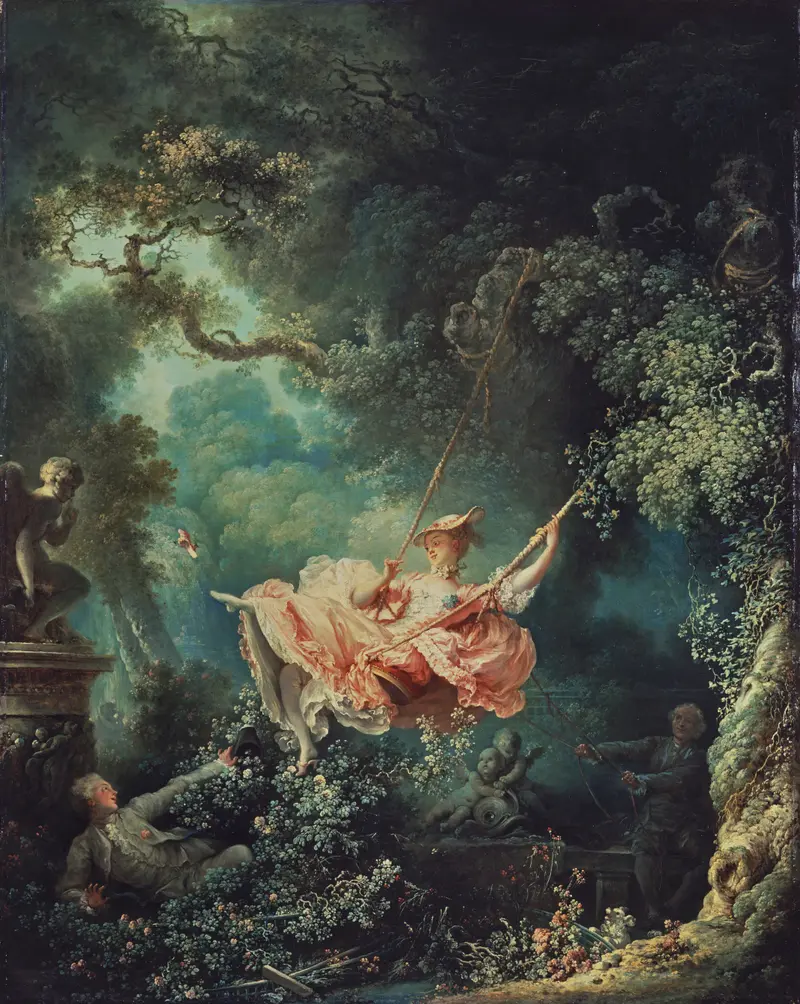
The Swing
Jean-Honoré Fragonard

The Swing
Jean-Honoré Fragonard
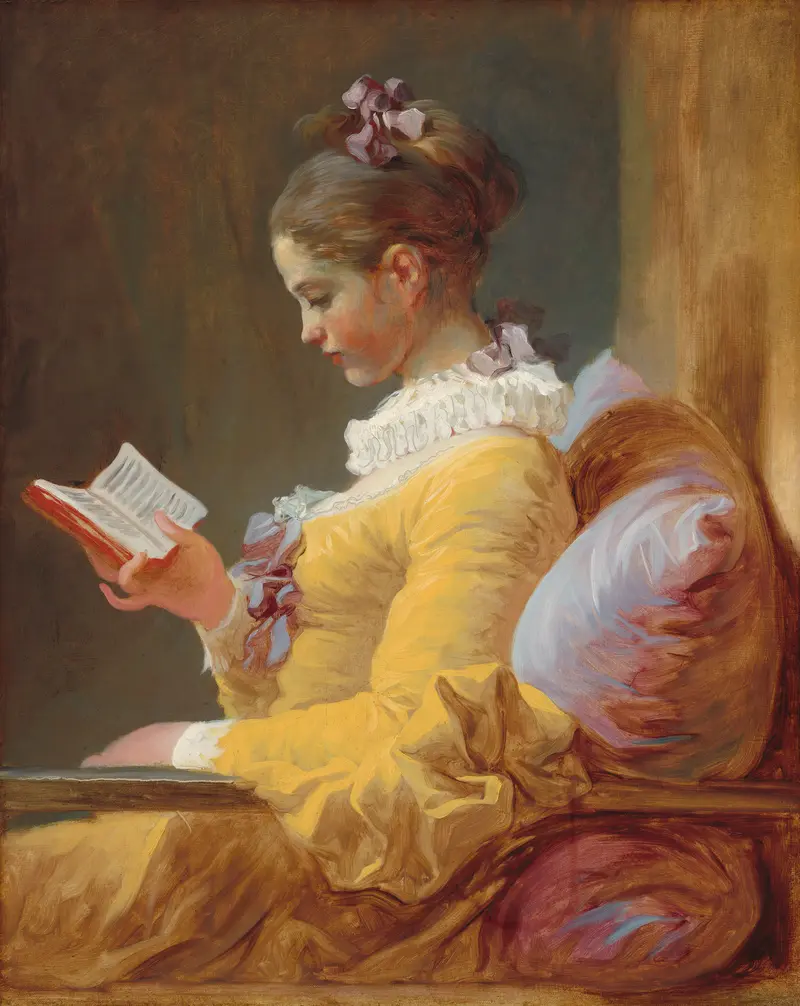
A Young Girl Reading
Jean-Honoré Fragonard
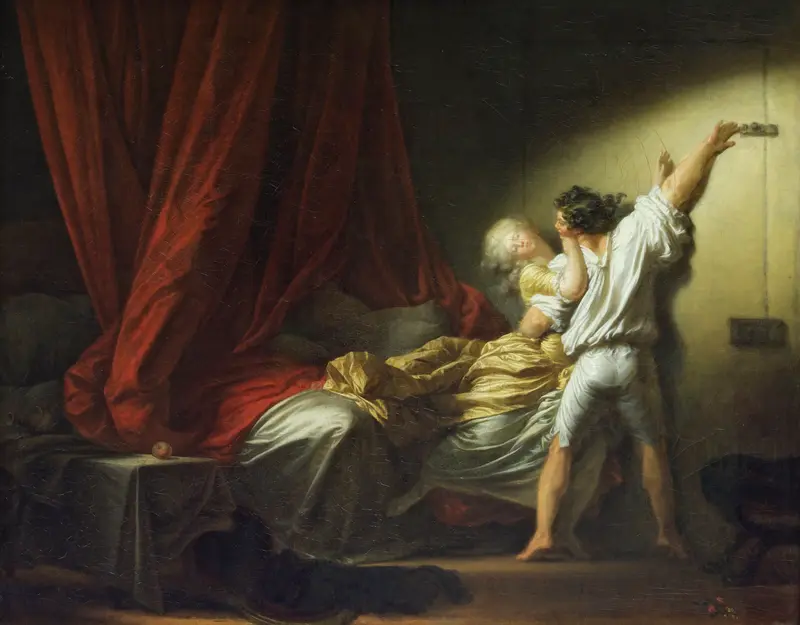
The Lock
Jean-Honoré Fragonard
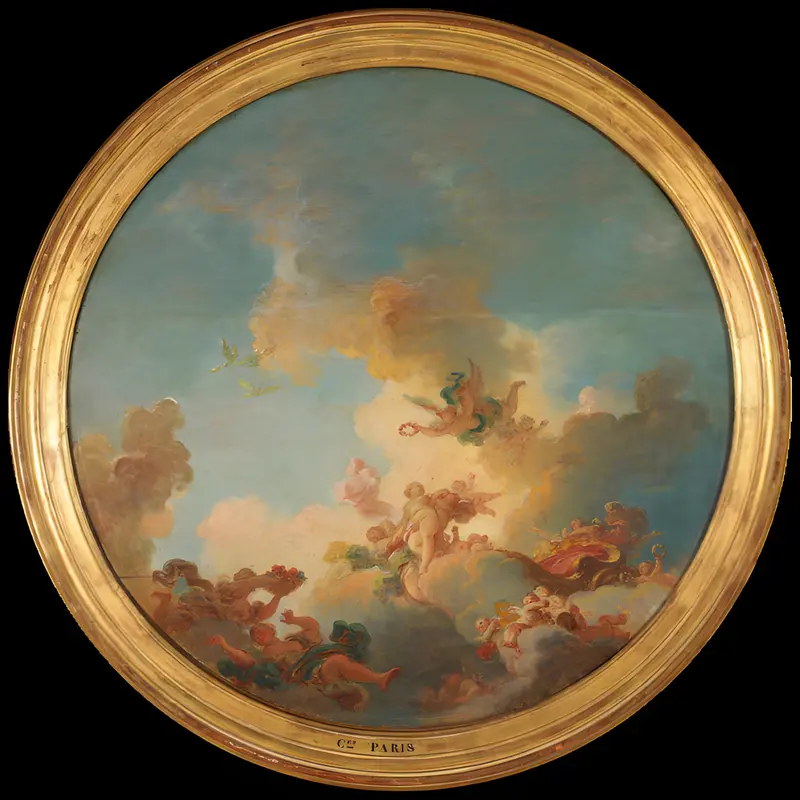
The Triumph of Venus
Jean-Honoré Fragonard
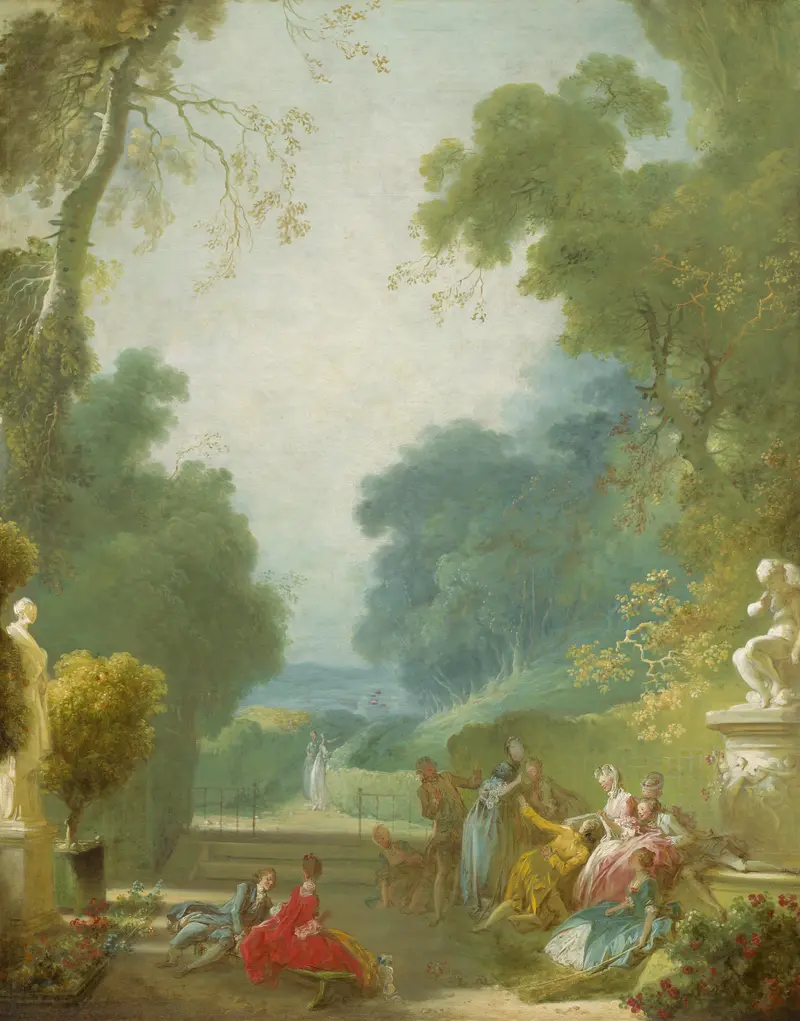
A Game of Hot Cockles
Jean-Honoré Fragonard
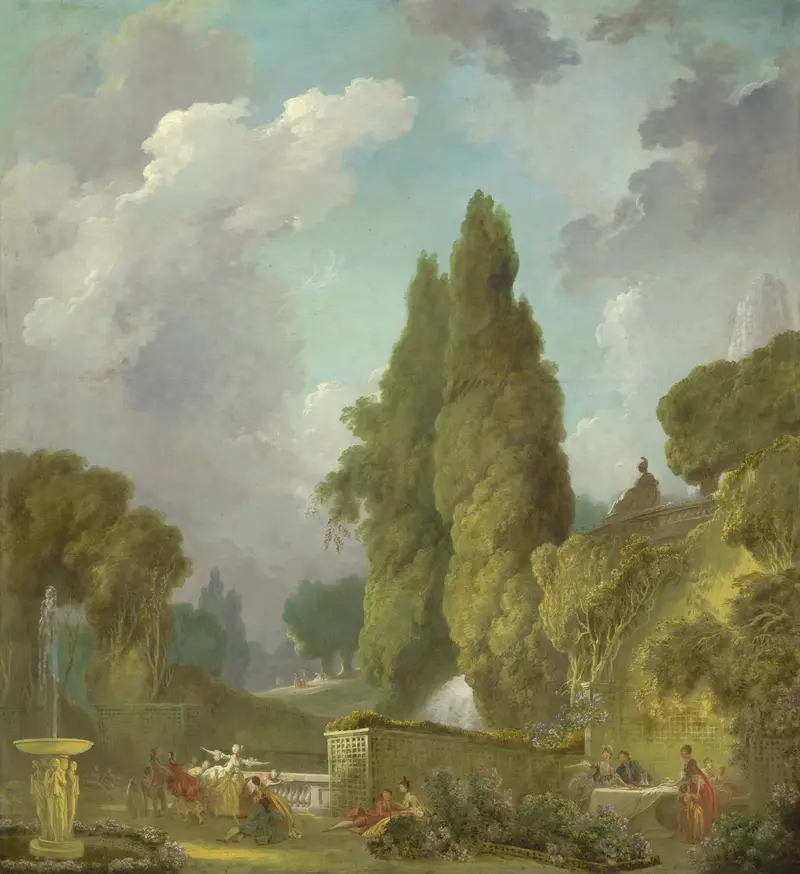
Blindman’s Buff
Jean-Honoré Fragonard
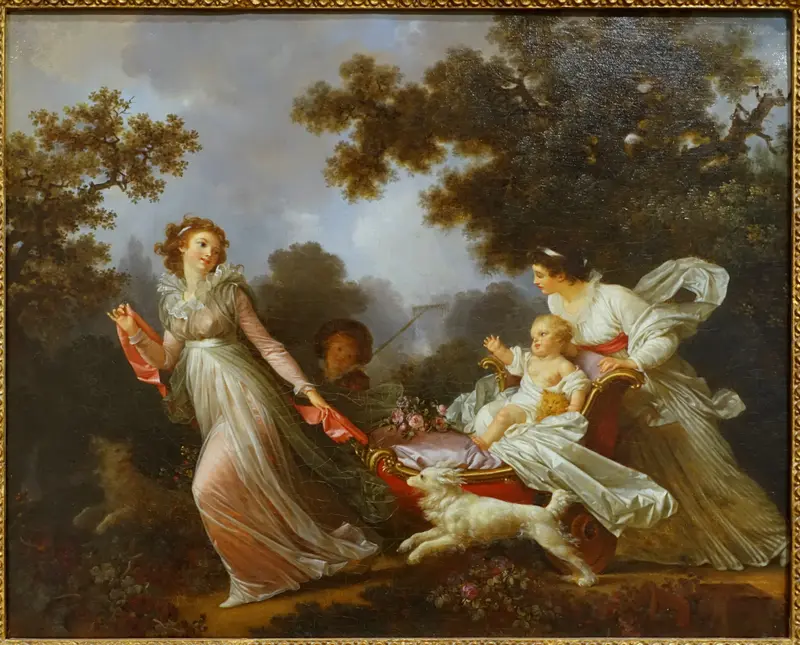
The Beloved Child
Jean-Honoré Fragonard
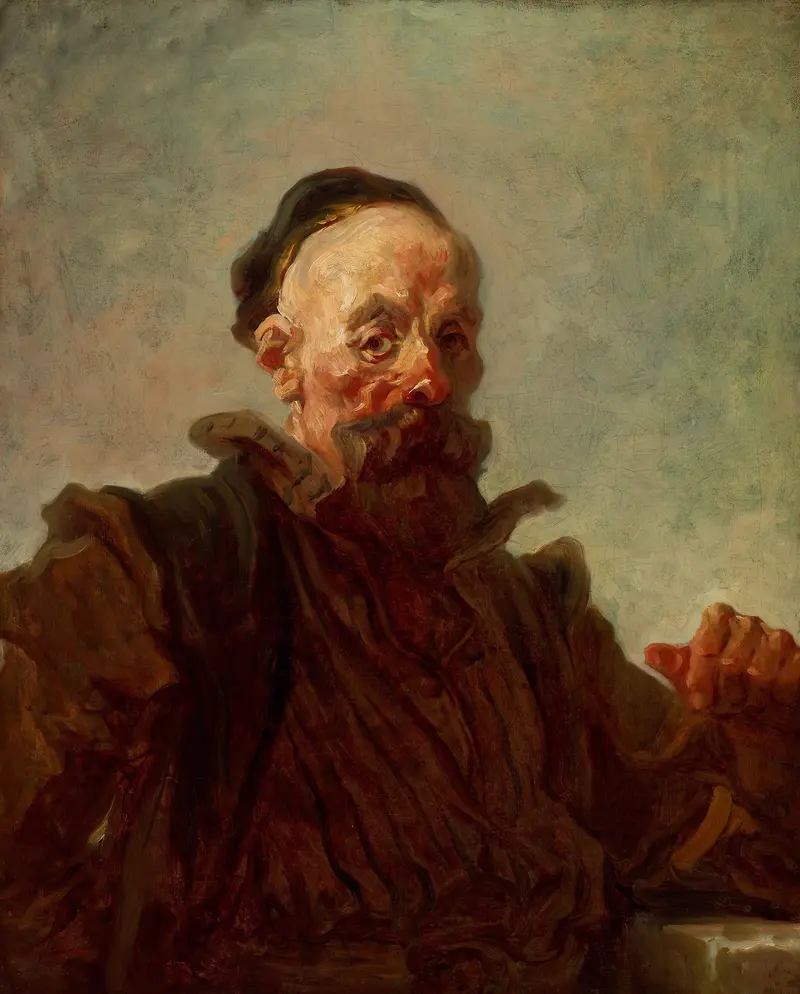
Portrait of a Man in Costume
Jean-Honoré Fragonard
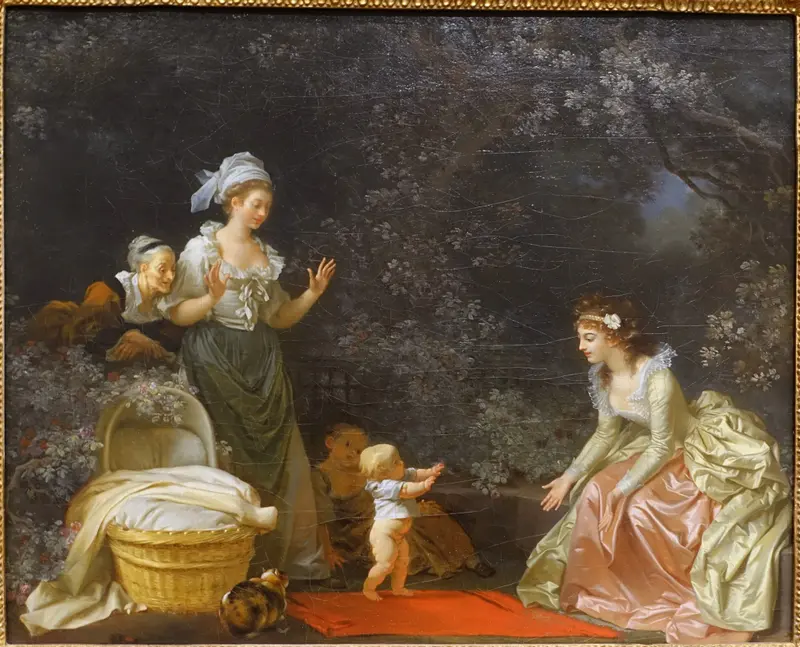
The First Steps
Jean-Honoré Fragonard





